 Ver en contexto
 Enviar
 Compartir
 Detalles

 Descargar
 Similares
 Radiografía
 Presentación de diapositivas
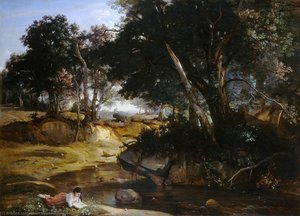
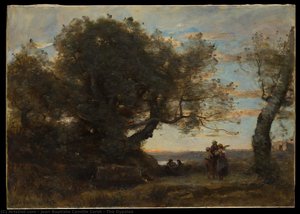
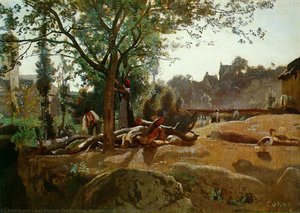
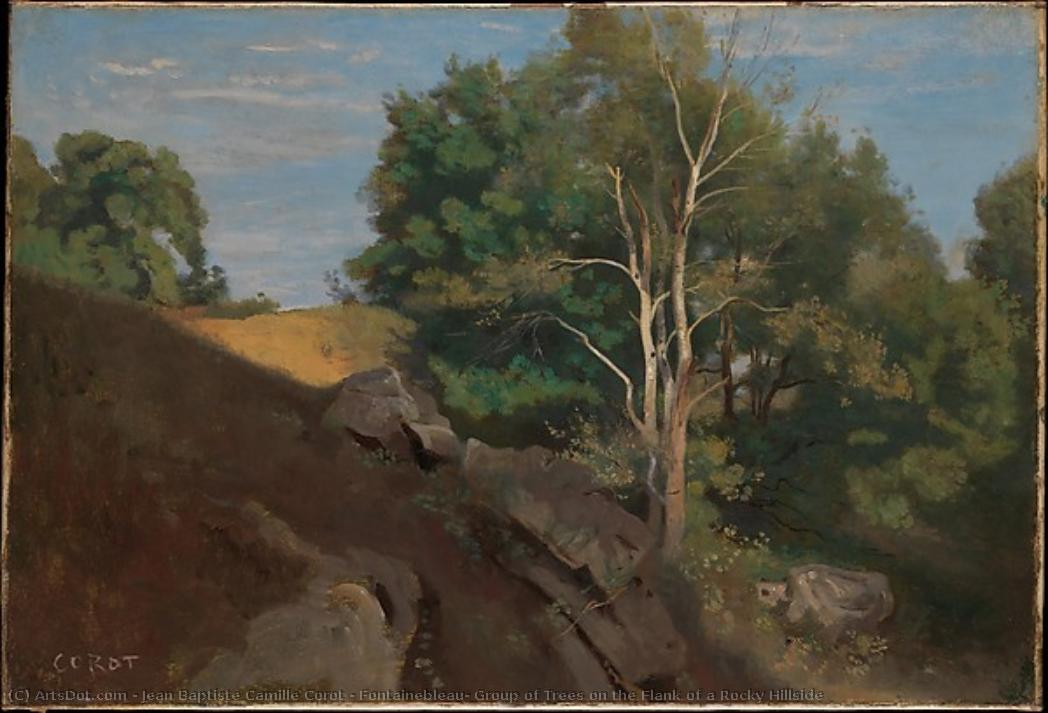
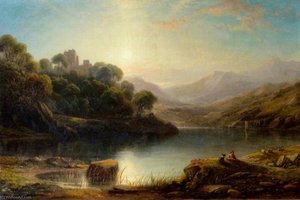
Fontainebleau: Group of Trees on the Flank of a Rocky Hillside
 Acrylic On Canvas
- WallArt
 1845
1845 41.0 x 59.0 cm
 Ver más
Giclée / Impresión de arte
Impresiones giclée o en lienzo de calidad de museo con producción rápida y opciones de acabado flexibles. ( Comprar pintura hecha a mano Comprar imagen)




P118B $10

P118H $10

P118W $10

P438Z $10

P508JH $12

P508YH $12

P805H $10

P805Z $10

P919BZ $10

P919G $10

P919XJ $10

P959ZH $10

P968JZ $12

W106C $8

W218G $10

W218JH $8

W218Y $10

W307PJ $10

W316G $10

W316PJ $8

W316Y $10

W398PJ $8

W4111J $10

W500HY $15

W500JH $15

W692G $12

W849H $8

W940BG $15

W953PJ $8




Elija entre nuestros tamaños predefinidos que respetan las proporciones originales de la obra.

Puede introducir sus propias dimensiones para adaptarse a un marco o espacio específico. Si el tamaño seleccionado no coincide con las proporciones de la imagen original, recortaremos la obra de arte o extenderemos la imagen con un borde con efecto espejo o de color sólido. Se enviará una maqueta digital para su aprobación antes de que comience la producción.
Tenga en cuenta que la vista previa en pantalla no refleja el recorte o la extensión real. Solo la maqueta mostrará con precisión la composición final.
Aunque existen tamaños personalizados, recomendamos seleccionar una dimensión de la lista predefinida para preservar las proporciones originales.
Envío a todo el mundo () en 2 semanas en lugar de las 4/5 semanas estándar. (6 septiembre)

Envío exprés gratuito a todo el mundo

Lienzo de lino de alta calidad

Seguro de envío total

Garantía de reembolso de impuestos aduaneros

Garantía de fidelidad cromática exacta

Política de devolución de 100 días (solo por defectos)

Garantía de devolución del 100% del dinero

Descuento por cantidad
 La opción de vidrio solo está disponible en tamaños inferiores a 110 cm.

Fontainebleau: Group of Trees on the Flank of a Rocky Hillside
Giclée / Impresión de arte
Dimensiones de la reproducción
-


Precio total final
$ 62
Fontainebleau: A Masterpiece of Atmospheric Impressionism
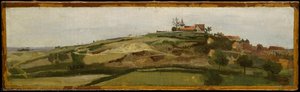
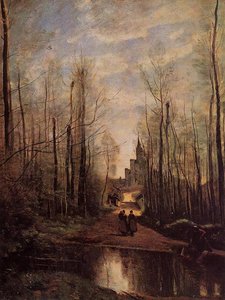
Jean-Baptiste-Camille Corot’s “Fontainebleau,” completed in 1845, stands as an emblem of Romantic landscape painting and a precursor to the burgeoning Impressionist movement. More than just a depiction of a picturesque forest scene—though undeniably beautiful—it embodies Corot's profound understanding of light and color, achieved through meticulous observation and masterful execution. This canvas captures not merely what is seen but how it feels: the stillness of twilight, the melancholic grandeur of ancient trees, and the subtle interplay between sunlit patches and shadowed recesses.- Subject Matter: The painting portrays a dramatic hillside dominated by a cluster of mature beech trees, their branches reaching upwards towards the fading light of dusk. Scattered amongst the foliage are several weathered rocks and a solitary dead tree—elements carefully positioned to heighten the sense of depth and evoke an atmosphere of profound solitude.
- Style & Technique: Corot’s approach aligns seamlessly with Romantic ideals while simultaneously anticipating Impressionistic innovations. He eschewed academic conventions, prioritizing direct observation of nature over idealized representations. His technique is characterized by broad brushstrokes—particularly in the underpainting—that establish a tonal foundation for subsequent layers of color. These strokes are blended subtly to create an illusion of atmospheric haze and diffuse illumination, capturing the ephemeral qualities of twilight with remarkable accuracy.
Historical Context & Corot’s Artistic Vision
Painted during Corot's formative years as a landscape artist—a period marked by intense engagement with the Fontainebleau Forest and its influence on his artistic sensibilities—the canvas reflects the broader Romantic preoccupation with emotion and imagination. Unlike Neoclassical painters who sought to impose order upon nature, Corot embraced its inherent dynamism and unpredictability. He believed that art should strive to convey not merely visual information but also psychological experience, mirroring the artist’s own emotional response to the natural world. This conviction is palpable in “Fontainebleau,” where Corot skillfully renders the mood of twilight—a state imbued with melancholy beauty and spiritual contemplation.- Symbolism: The dead tree at the center serves as a poignant symbol of mortality and decay, juxtaposed against the enduring vitality of the living beech trees. This deliberate contrast underscores Corot’s awareness of the cyclical nature of existence—a theme central to Romantic thought. Furthermore, the hillside itself represents the vastness and majesty of nature, inviting viewers to contemplate their place within the grand scheme of creation.
Emotional Impact & Artistic Legacy
“Fontainebleau” possesses an undeniable emotional resonance—a quiet stillness that speaks volumes about Corot’s artistic vision. The painting invites contemplation and introspection, prompting viewers to consider themes of solitude, beauty, and the passage of time. Its masterful rendering of light and color elevates it beyond mere topographical representation, transforming it into a profound meditation on the sublime—that elusive state of awe and wonder experienced in communion with nature. Corot’s influence extends far beyond his own lifetime, inspiring generations of landscape painters who sought to emulate his expressive technique and capture the essence of atmospheric Impressionism. It remains a testament to the enduring power of art to evoke emotion and illuminate the human condition.Size & Provenance
The artwork measures 41 x 59 cm (approximately 16 x 23 inches) and was exhibited once before, in 1892 at auction. It is a remarkable example of Corot’s oeuvre—a captivating glimpse into the artistic landscape of mid-Victorian France.Obras relacionadas


Biografía del artista
Vida Temprana y Formación
Jean-Baptiste-Camille Corot, un renombrado pintor francés de paisajes y retratos, nació el 16 de julio de 1796 en París. Su familia, perteneciente a la burguesía, le proporcionó un entorno propicio para explorar sus inclinaciones artísticas. Inicialmente, los intereses de Corot se dirigieron hacia otros campos, pero finalmente descubrió su pasión por la pintura alrededor de 1821. Esto marcó el comienzo de su prolífica carrera, que más tarde influiría en el desarrollo del impresionismo.Trayectoria Artística y Obras Notables
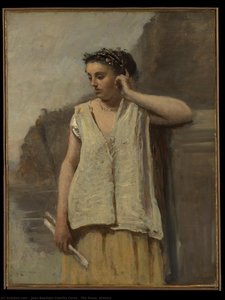
La trayectoria artística de Corot se caracteriza por una mezcla de tradición neoclásica e innovaciones al aire libre (plein air). Algunas de sus obras notables incluyen:- El Reposo (óleo sobre lienzo, circa 1860s), una pieza cautivadora que muestra la maestría de Corot para capturar la esencia de la serenidad.
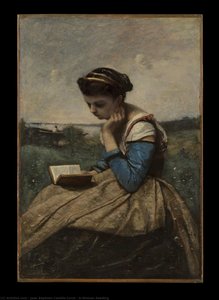
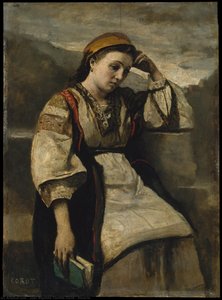
- Lectura Interrumpida (realismo, óleo, circa 1850s), un ejemplo conmovedor de la capacidad de Corot para retratar la vida cotidiana con profundidad y emoción.
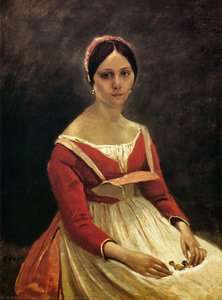
- Agostina (realismo, óleo, circa 1860s), un impresionante retrato que ejemplifica la habilidad de Corot para capturar la esencia de sus sujetos.
Influencias y Desarrollo Artístico
Corot fue influenciado por artistas como Gaspard Davidovich Poussin y Claude Lorrain, maestros del paisaje clásico francés. Sin embargo, su propio desarrollo artístico lo llevó a alejarse de las composiciones rígidas y formales del neoclasicismo para abrazar una aproximación más libre e intuitiva al paisaje. Su adopción de la pintura plein air fue revolucionaria en su época, permitiéndole capturar directamente las condiciones atmosféricas cambiantes y la luz natural. También se le considera un precursor del impresionismo debido a su enfoque en la atmósfera, el color y la pincelada suelta.Logros e Importancia Histórica
La vasta producción de Corot ha tenido un impacto duradero en el desarrollo de la pintura de paisajes. Su innovador enfoque, combinando técnicas tradicionales con innovaciones al aire libre, allanó el camino para futuras generaciones de artistas. Aunque no fue reconocido ampliamente durante su vida, su obra ganó una mayor apreciación póstumamente y ahora se le considera una figura clave en la historia del arte francés. Corot influyó directamente a muchos artistas impresionistas como Monet, Renoir y Pissarro, quienes admiraban su capacidad para capturar la atmósfera y la luz natural. Descubra más sobre las pinturas de Jean-Baptiste-Camille Corot en ArtsDot.com: https://ArtsDot.com/@/jean-baptiste-camille-corot Aprenda más sobre el Musée Courbet en Wikipedia: https://en.wikipedia.org/wiki/mus%c3%a9e_courbet_(ornans,_france)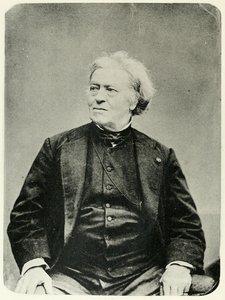
Jean-Baptiste-Camille Corot
1796 - 1875 , Francia
Datos clave
- Estilo Artístico: Neoclasicismo y Plein Air
- Influencia En Artistas: ['Impresionismo']
- Lugar De Nacimiento: París, Francia
- Nacimiento: 16 de julio de 1796
- Nacionalidad: Francesa
- Nombre Completo: Jean-Baptiste-Camille Corot
- Obras Notables:
- El Reposo
- Lectura interrumpida
- Agostina
Artículos relacionados
Capturing Ephemeral Light: Plein Air Painting from Impressionism to Today
Explore the history of plein air painting, from its origins with the Barbizon school to Impressionism's revolution & contemporary practice. Discover techniques, artists like Monet & Renoir, and find museum-quality reproductions at ArtsDot.

Paisajes Románticos: 10 Obras Maestras que Definieron un Movimiento Artístico
Descubre los 10 paisajes románticos más influyentes de artistas como Caspar David Friedrich y Turner. Explora la belleza, el simbolismo y las técnicas del movimiento romántico. Reproducciones de arte exclusivas en ArtsDot.com.
The Allure of Open Airs: Exploring Representations of Outdoors in Art History
Explore the rich history of outdoor painting! From Romantic landscapes to Impressionism's revolution, discover key artists, techniques & the enduring legacy of capturing light and nature in art. Learn more at ArtsDot.
Evocations of Open Air: A Comprehensive Exploration of Outdoor Scenes in Art History
Explore the rich history of outdoor painting! Discover Impressionism, en plein air techniques & renowned landscape artists. Learn about light, color & enduring artistic legacies with ArtsDot.
Alfred East: Pioneering Plein Air & Evoking Atmospheric Landscapes
Explore the life & work of Alfred East, a pioneer of British plein air painting. Discover his techniques for capturing atmospheric landscapes, Barbizon influences, and lasting legacy. Learn more at ArtsDot.