 Vista previa
 Compartir
 Compartir
 Ver detalles

 Descargar
 Ver similares
 Radiografía
 Presentación de diapositivas
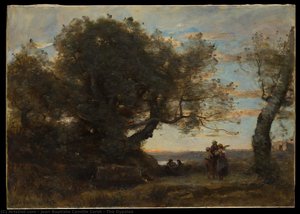
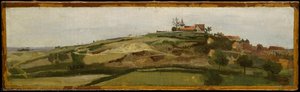
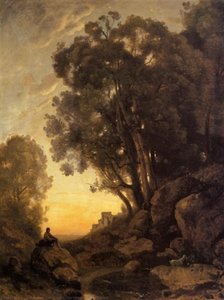
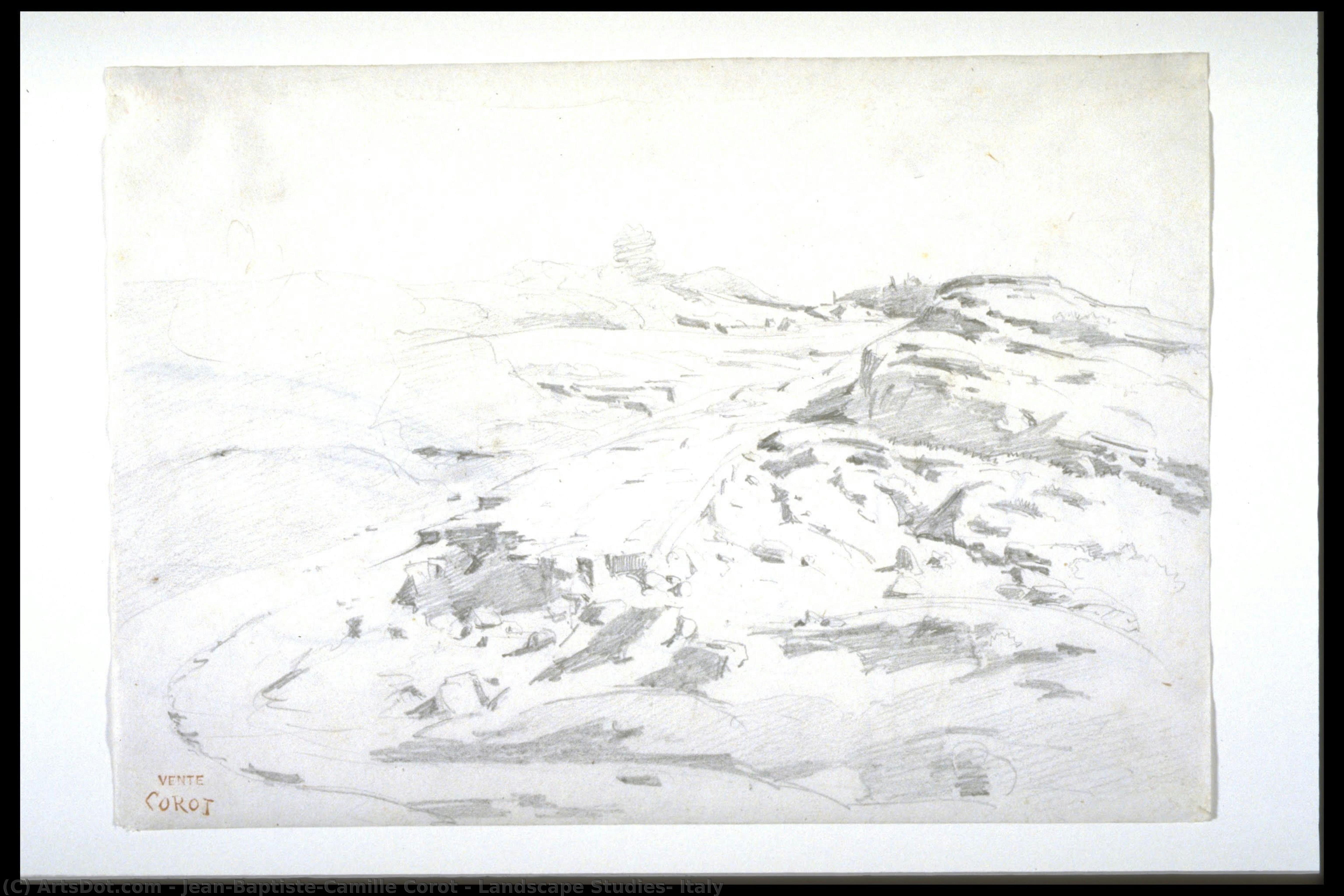
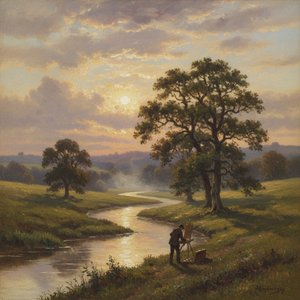
Landscape Studies, Italy
 Oil On Canvas
- WallArt
- Impressionist Landscape
 1833
1833 32.0 x 20.0 cm
 Universidad de Míchigan Museo de Arte
 Leer más
Reproducción al óleo hecha a mano
Óleo sobre lienzo pintado a mano en el tamaño y marco de su elección, realizado por encargo por nuestros artistas. ( Pedir impresión Comprar descarga)




P118B $10

P118H $10

P118W $10

P438Z $10

P508JH $12

P508YH $12

P805H $10

P805Z $10

P919BZ $10

P919G $10

P919XJ $10

P959ZH $10

P968JZ $12

W106C $8

W218G $10

W218JH $8

W218Y $10

W307PJ $10

W316G $10

W316PJ $8

W316Y $10

W398PJ $8

W4111J $10

W500HY $15

W500JH $15

W692G $12

W849H $8

W940BG $15

W953PJ $8




Elija entre nuestros tamaños predefinidos que respetan las proporciones originales de la obra.

Puede ingresar sus propias dimensiones para adaptarse a un marco o espacio específico. Si el tamaño seleccionado no coincide con las proporciones de la imagen original, recortaremos la obra o extenderemos la pintura con elementos adicionales pintados a mano. Se le enviará una maqueta digital para su aprobación antes de comenzar la producción.
Tenga en cuenta que la vista previa en pantalla no refleja el recorte o la extensión reales. Solo la maqueta mostrará con precisión la composición final.
Si bien existen tamaños personalizados, recomendamos seleccionar una dimensión de la lista predefinida para preservar las proporciones originales.
Tras realizar el pedido, el equipo de ArtsDot.com enviará un correo electrónico al cliente para solicitar instrucciones y proporcionarle una vista previa del boceto.
Envío a todo el mundo () en 3-4 semanas en lugar de las 5 semanas estándar. (21 agosto). Sin comprometer la calidad.

Envío exprés gratuito a todo el mundo

Lienzo de lino de alta calidad

Seguro de envío completo

Garantía de reembolso de aranceles aduaneros

Garantía de fidelidad cromática exacta

Política de devolución de 60 días (solo por defectos)

Garantía de devolución del 100% del dinero

Oferta por volumen
 La opción de vidrio solo está disponible en tamaños inferiores a 110 cm.

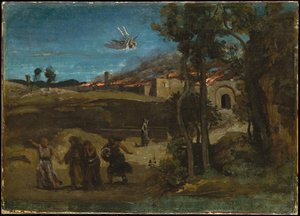
Landscape Studies, Italy
Técnica de reproducción
Tamaño de la reproducción
-


Precio total
$ 288
Descripción de la obra
A Moment Frozen in Light: Jean-Baptiste-Corot’s “Landscape Studies, Italy”
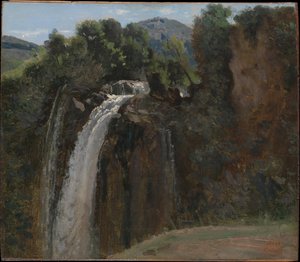
Jean-Baptiste-Camille Corot's "Landscape Studies, Italy," painted in 1833, isn’t merely a depiction of a mountain vista; it’s an invitation to linger within the very essence of light and atmosphere. Born into a comfortable Parisian family, Corot initially pursued a conventional path before surrendering to his profound connection with nature, nurtured during his childhood spent amidst the tranquility of the countryside. This early immersion profoundly shaped his artistic vision, leading him to prioritize capturing the fleeting qualities of light and shadow—a pursuit that would define his entire career. This particular work, rendered in charcoal or pencil on paper, embodies this philosophy perfectly, offering a glimpse into Corot’s meticulous approach to translating the natural world onto canvas.
The composition immediately draws the eye into a vast, rolling landscape dominated by gently sloping hills and distant peaks. The arrangement follows a loosely pyramidal structure, with the highest point of the mountains acting as a focal point, yet it avoids rigid formality. Lines are predominantly sketchy and gestural—not precise outlines, but rather suggestive marks that define forms and imbue the scene with texture. Shapes are organic and irregular, mirroring the natural contours of the terrain, creating an immediate sense of depth and movement. The overall effect is one of quiet contemplation, inviting the viewer to lose themselves in the vastness of the Italian countryside.
The Language of Light: Corot’s Technique
Corot's mastery lies not in detailed representation but in his ability to evoke atmosphere through subtle shifts in tone and texture. The painting is characterized by a diffused, even lighting—a deliberate choice that avoids dramatic contrasts and emphasizes the soft, hazy quality of the air. Perspective is achieved through layering, with distant elements gradually diminishing in size and detail, creating an illusion of immense depth. The artist’s technique involves loose sketching and careful shading to build up form and establish a delicate interplay between light and shadow. Notice how he uses short, broken strokes to suggest the roughness of the terrain, while broader areas of tone create a sense of distance and atmospheric perspective. The visible pencil marks themselves contribute to the painting's tactile quality, inviting close inspection.
Echoes of the Past: Corot’s Context
“Landscape Studies, Italy” emerged during a pivotal moment in art history—the rise of plein air painting. Inspired by artists like Constable and Turner, Corot embraced the practice of working directly outdoors, capturing the fleeting effects of light and atmosphere as they occurred before his eyes. This approach represented a departure from the traditional studio-based method, which prioritized meticulous detail and idealized representations. Corot’s work reflects this shift towards a more spontaneous and expressive style, while still retaining elements of Neo-Classical influence—a testament to his deep understanding of artistic tradition. The painting's subject matter – a simple landscape study – is deliberately understated, allowing the focus to remain on Corot’s innovative technique and evocative use of light.
A Breath of Tranquility: Symbolism and Emotional Impact
Beyond its technical brilliance, “Landscape Studies, Italy” possesses a profound emotional resonance. The scene evokes a sense of tranquility and solitude—a feeling of being utterly immersed in the beauty and grandeur of nature. The muted colors and hazy atmosphere create a dreamlike quality, inviting the viewer to escape the pressures of everyday life. Corot’s deliberate avoidance of explicit detail encourages personal interpretation, allowing each observer to project their own emotions and experiences onto the landscape. It's not simply a representation of a place; it’s an invitation to contemplate the sublime—the awe-inspiring beauty that can be found in the simplest of natural scenes. The painting whispers of timelessness, suggesting a connection between humanity and the enduring power of the earth.
Further Exploration
For a deeper understanding of this remarkable work, we encourage you to explore the Google Arts & Culture page linked below: Landscape Studies, Italy - Jean-Baptiste-Camille Corot. Additionally, ArtsDot offers a wealth of information on Corot and his artistic legacy: Landscape Studies, Italy - Jean-Baptiste-Camille Corot.
Obras relacionadas
Biografía del artista
Vida Temprana y Formación
Jean-Baptiste-Camille Corot, un renombrado pintor francés de paisajes y retratos, nació el 16 de julio de 1796 en París. Su familia, perteneciente a la burguesía, le proporcionó un entorno propicio para explorar sus inclinaciones artísticas. Inicialmente, los intereses de Corot se dirigieron hacia otros campos, pero finalmente descubrió su pasión por la pintura alrededor de 1821. Esto marcó el comienzo de su prolífica carrera, que más tarde influiría en el desarrollo del impresionismo.Trayectoria Artística y Obras Notables
La trayectoria artística de Corot se caracteriza por una mezcla de tradición neoclásica e innovaciones al aire libre (plein air). Algunas de sus obras notables incluyen:- El Reposo (óleo sobre lienzo, circa 1860s), una pieza cautivadora que muestra la maestría de Corot para capturar la esencia de la serenidad.
- Lectura Interrumpida (realismo, óleo, circa 1850s), un ejemplo conmovedor de la capacidad de Corot para retratar la vida cotidiana con profundidad y emoción.
- Agostina (realismo, óleo, circa 1860s), un impresionante retrato que ejemplifica la habilidad de Corot para capturar la esencia de sus sujetos.
Influencias y Desarrollo Artístico
Corot fue influenciado por artistas como Gaspard Davidovich Poussin y Claude Lorrain, maestros del paisaje clásico francés. Sin embargo, su propio desarrollo artístico lo llevó a alejarse de las composiciones rígidas y formales del neoclasicismo para abrazar una aproximación más libre e intuitiva al paisaje. Su adopción de la pintura plein air fue revolucionaria en su época, permitiéndole capturar directamente las condiciones atmosféricas cambiantes y la luz natural. También se le considera un precursor del impresionismo debido a su enfoque en la atmósfera, el color y la pincelada suelta.Logros e Importancia Histórica
La vasta producción de Corot ha tenido un impacto duradero en el desarrollo de la pintura de paisajes. Su innovador enfoque, combinando técnicas tradicionales con innovaciones al aire libre, allanó el camino para futuras generaciones de artistas. Aunque no fue reconocido ampliamente durante su vida, su obra ganó una mayor apreciación póstumamente y ahora se le considera una figura clave en la historia del arte francés. Corot influyó directamente a muchos artistas impresionistas como Monet, Renoir y Pissarro, quienes admiraban su capacidad para capturar la atmósfera y la luz natural. Descubra más sobre las pinturas de Jean-Baptiste-Camille Corot en ArtsDot.com: https://ArtsDot.com/@/jean-baptiste-camille-corot Aprenda más sobre el Musée Courbet en Wikipedia: https://en.wikipedia.org/wiki/mus%c3%a9e_courbet_(ornans,_france)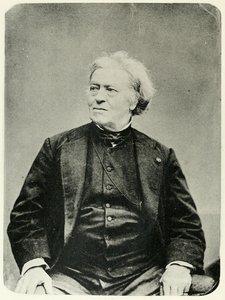
Jean-Baptiste-Camille Corot
1796 - 1875 , Francia
Datos clave
- Estilo Artístico: Neoclasicismo y Plein Air
- Influencia En Artistas: ['Impresionismo']
- Lugar De Nacimiento: París, Francia
- Nacimiento: 16 de julio de 1796
- Nacionalidad: Francesa
- Nombre Completo: Jean-Baptiste-Camille Corot
- Obras Notables:
- El Reposo
- Lectura interrumpida
- Agostina
Artículos relacionados

Evocations of Place: A Historical Journey Through Landscape Art
Explore the rich history of landscape art with ArtsDot. Discover renowned artists, movements like Impressionism & Romanticism, and expert guidance for collecting timeless pieces. Find your perfect serene escape today!

Paisajes Románticos: 10 Obras Maestras que Definieron un Movimiento Artístico
Descubre los 10 paisajes románticos más influyentes de artistas como Caspar David Friedrich y Turner. Explora la belleza, el simbolismo y las técnicas del movimiento romántico. Reproducciones de arte exclusivas en ArtsDot.com.

John Constable: Las 25 Obras Maestras del Paisaje Inglés | ArtsDot
Descubre las 25 obras maestras de John Constable, el pintor romántico inglés que capturó la belleza del paisaje. Explora su técnica, historia y significado en ArtsDot.com. Reproducciones de arte de alta calidad para tu hogar.

Cultivating Visions: A Historical Journey Through Rural Landscapes in Art
Explore the rich history of rural landscape painting with ArtsDot. Discover Impressionist masterpieces, key artists & movements. Find your perfect serene artwork and bring nature's beauty home.
Alfred East: Pioneering Plein Air & Evoking Atmospheric Landscapes
Explore the life & work of Alfred East, a pioneer of British plein air painting. Discover his techniques for capturing atmospheric landscapes, Barbizon influences, and lasting legacy. Learn more at ArtsDot.