 Ver en contexto
 Enviar
 Compartir
 Detalles

 Descargar
 Similares
 Radiografía
 Presentación de diapositivas
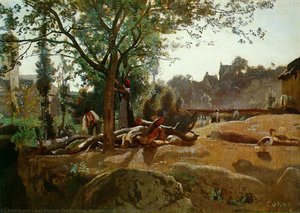
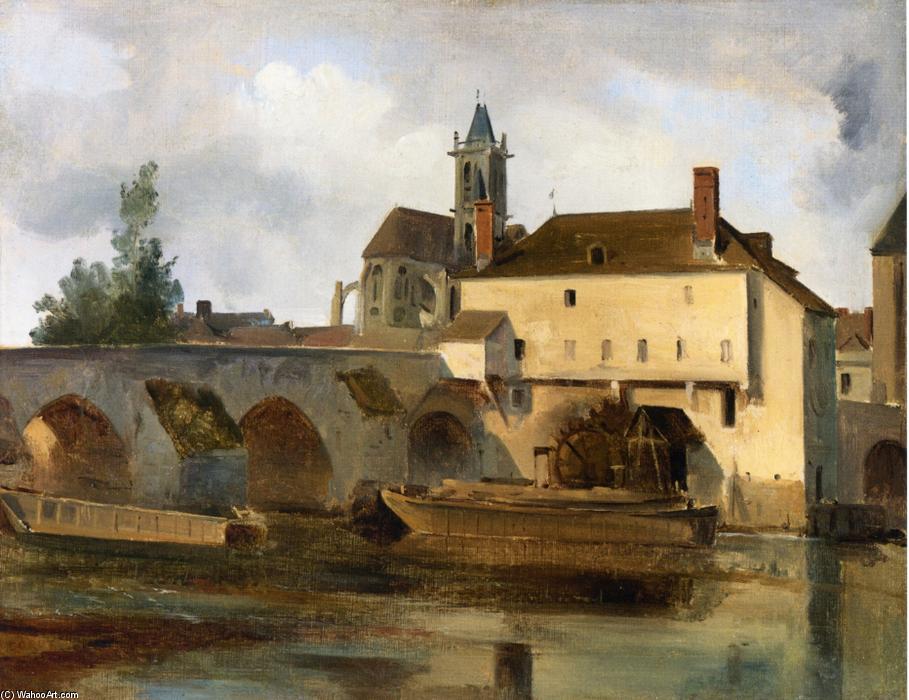
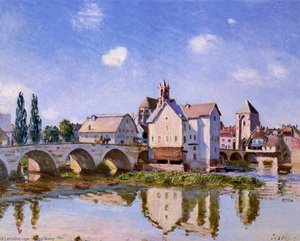
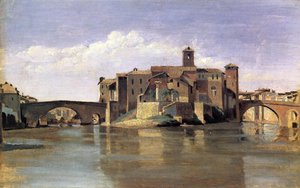
Moret sur Loing, the Bridge and the Church


 Ver más
Reproducción al óleo hecha a mano
Óleo sobre lienzo pintado a mano en el tamaño y marco de su elección, realizado por encargo por nuestros artistas. ( Comprar impresión Comprar imagen)




P118B $10

P118H $10

P118W $10

P438Z $10

P508JH $12

P508YH $12

P805H $10

P805Z $10

P919BZ $10

P919G $10

P919XJ $10

P959ZH $10

P968JZ $12

W106C $8

W218G $10

W218JH $8

W218Y $10

W307PJ $10

W316G $10

W316PJ $8

W316Y $10

W398PJ $8

W4111J $10

W500HY $15

W500JH $15

W692G $12

W849H $8

W940BG $15

W953PJ $8




Elija entre nuestros tamaños predefinidos que respetan las proporciones originales de la obra.

Puede ingresar sus propias dimensiones para adaptarse a un marco o espacio específico. Si el tamaño seleccionado no coincide con las proporciones de la imagen original, recortaremos la obra o extenderemos la pintura con elementos adicionales pintados a mano. Se le enviará una maqueta digital para su aprobación antes de comenzar la producción.
Tenga en cuenta que la vista previa en pantalla no refleja el recorte o la extensión reales. Solo la maqueta mostrará con precisión la composición final.
Si bien existen tamaños personalizados, recomendamos seleccionar una dimensión de la lista predefinida para preservar las proporciones originales.
Tras realizar el pedido, el equipo de ArtsDot.com enviará un correo electrónico al cliente para solicitar instrucciones y proporcionarle una vista previa del boceto.
Envío a todo el mundo () en 3-4 semanas en lugar de las 5 semanas estándar. (3 septiembre). Sin comprometer la calidad.

Envío exprés gratuito a todo el mundo

Lienzo de lino de alta calidad

Seguro de envío total

Garantía de reembolso de impuestos aduaneros

Garantía de fidelidad cromática exacta

Política de devolución de 60 días (solo por defectos)

Garantía de devolución del 100% del dinero

Descuento por cantidad
 La opción de vidrio solo está disponible en tamaños inferiores a 110 cm.

Moret sur Loing, the Bridge and the Church
Técnica de reproducción
Dimensiones de la reproducción
-


Precio total final
$ 263
The Little Valley
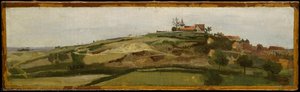
Jean-Baptiste Camille Corot’s “Moret sur Loing,” painted in 1822, stands as an emblem of the Barbizon School's aesthetic—a movement that championed direct observation of nature and eschewed academic conventions. This serene landscape captures the essence of Moret-sur-Loing, nestled along the confluence of the Seine and Loing rivers, offering a glimpse into rural French life during Corot’s formative years.- Subject Matter: The painting depicts a picturesque valley bathed in soft sunlight, dominated by rolling hills covered in lush vegetation—primarily grasses and shrubs—creating an idyllic pastoral scene.
- Style & Technique: Corot employed his signature technique of “plein air” painting, applying thin layers of oil paint with delicate brushstrokes to achieve remarkable tonal gradations and atmospheric perspective. The artist’s masterful handling of light is particularly noteworthy, conveying a palpable sense of tranquility and warmth.
- Historical Context: Painted during Corot's early career, “Moret sur Loing” reflects the Barbizon School’s rejection of idealized representations favored by Neoclassical artists. Instead, it embraced realism—albeit imbued with poetic sensibility—capturing the beauty of the natural world as perceived by artists who sought to reconnect with tradition and escape the constraints of Parisian artistic circles.
- Symbolism: The valley itself symbolizes harmony and simplicity—values central to Barbizon ideals. The gentle slopes, dappled sunlight, and vibrant greenery evoke feelings of peace, contemplation, and connection to the rhythms of nature.
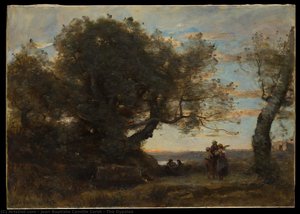
- Subject Matter: The painting portrays a traditional windmill—a prominent feature of Montmartre’s agricultural heritage—standing proudly amidst undulating hillsides dotted with trees.
- Style & Technique: Unlike his earlier works, “A Windmill in Montmartre” demonstrates Corot's mastery of tonal modulation and atmospheric haze, achieved through meticulous blending and layering of oil paint. The artist skillfully captures the diffused light filtering through the clouds, creating a luminous effect that enhances the painting’s emotional impact.
- Historical Context: Painted during Corot’s mature artistic phase—a time marked by experimentation with color and technique—the windmill scene reflects the Barbizon School's fascination with capturing fleeting moments of beauty in rural landscapes.
- Emotional Impact: The painting evokes feelings of nostalgia for a bygone era—a reminder of France’s agricultural traditions and its connection to the natural world. Its serene composition invites viewers to immerse themselves in the contemplative atmosphere of Montmartre’s countryside.
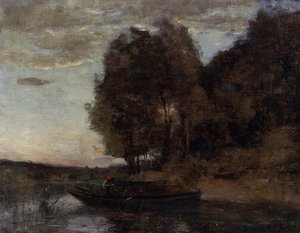
- Subject Matter: The painting portrays a sailboat gliding away from the riverbank—a common sight in Parisian harbors during Corot’s lifetime—accompanied by a woman and child seated on board.
- Style & Technique: “Le Batelier Quittant La Rive Avec Une Femme Et Un Enfant Assis Dans Sa Barque, Soleil Couchant 2” showcases Corot's refined technique of tonal blending and atmospheric perspective—achieved through meticulous layering of oil paint to create a luminous effect that captures the subtle nuances of twilight.
- Historical Context: Painted during Corot’s later years—a period marked by experimentation with color and texture—the seascape reflects the Barbizon School's fascination with portraying dramatic landscapes under changing conditions.
- Emotional Impact: The painting evokes feelings of wistfulness and contemplation—expressing the beauty of fleeting moments in nature and capturing the melancholic mood of sunset over the Seine.
- Subject Matter: The painting portrays fishermen diligently pursuing eels in a tranquil pond—reflecting Corot’s fascination with capturing the rhythms of rural life during his excursions abroad.
- Style & Technique: “The Eel Gatherers” demonstrates Corot's masterful handling of tonal modulation and atmospheric haze—achieved through subtle blending and layering of oil paint to convey a sense of serenity and realism.
- Historical Context: Painted during Corot’s mature artistic phase—a time marked by experimentation with color and technique—the eel gathering scene embodies the Barbizon School's commitment to portraying landscapes as perceived by artists who sought to reconnect with tradition and escape the constraints of Parisian artistic circles.
- Emotional Impact: The painting evokes feelings of peace and contentment—expressing the beauty of rural simplicity and capturing the tranquil atmosphere of a sunlit pond.
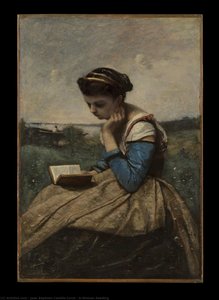
- Subject Matter: The painting portrays a young girl engrossed in reading—a symbol of intellectual curiosity and feminine grace—within the serene setting of her home.
- Style & Technique: “Young Girl Reading” showcases Corot’s masterful handling of tonal modulation and atmospheric perspective—achieved through subtle blending and layering of oil paint to convey a sense of realism and emotional depth.
- Historical Context: Painted during Corot’s later years—a time marked by experimentation with color and texture—the portrait reflects the Barbizon School's fascination with portraying human subjects in landscapes—capturing their inner lives alongside the beauty of the natural world.
- Emotional Impact: The painting evokes feelings of warmth, tenderness, and contemplation—expressing the serenity of domestic life and capturing the quiet beauty of a sunlit interior.
- Subject Matter: The painting portrays a single tree—a symbol of resilience and solitude—standing majestically amidst lush foliage—capturing the beauty of natural detail with meticulous precision.
- Style & Technique: “Study of a Tree” demonstrates Corot’s masterful handling of tonal modulation and atmospheric perspective—achieved through subtle blending and layering of oil paint to convey a sense of realism and emotional depth.
- Historical Context: Painted during Corot’s later years—a time marked by experimentation with color and texture—the tree study embodies the Barbizon School's commitment to portraying landscapes as perceived by artists who sought to reconnect with tradition and escape the constraints of Parisian artistic circles.
- Emotional Impact: The painting evokes feelings of peace, contemplation, and admiration for the grandeur of nature—expressing the serenity of rural solitude and capturing the beauty of natural detail.
- Subject Matter: The painting portrays a bridge crossing the Seine—a prominent feature of Mantes’ riverside landscape—illuminated by dappled sunlight
Obras relacionadas
Biografía del artista
Vida Temprana y Formación
Jean-Baptiste-Camille Corot, un renombrado pintor francés de paisajes y retratos, nació el 16 de julio de 1796 en París. Su familia, perteneciente a la burguesía, le proporcionó un entorno propicio para explorar sus inclinaciones artísticas. Inicialmente, los intereses de Corot se dirigieron hacia otros campos, pero finalmente descubrió su pasión por la pintura alrededor de 1821. Esto marcó el comienzo de su prolífica carrera, que más tarde influiría en el desarrollo del impresionismo.Trayectoria Artística y Obras Notables
La trayectoria artística de Corot se caracteriza por una mezcla de tradición neoclásica e innovaciones al aire libre (plein air). Algunas de sus obras notables incluyen:- El Reposo (óleo sobre lienzo, circa 1860s), una pieza cautivadora que muestra la maestría de Corot para capturar la esencia de la serenidad.
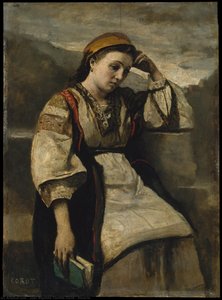
- Lectura Interrumpida (realismo, óleo, circa 1850s), un ejemplo conmovedor de la capacidad de Corot para retratar la vida cotidiana con profundidad y emoción.
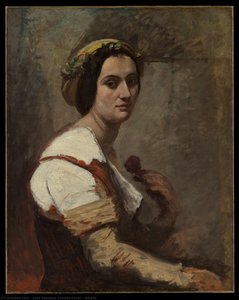
- Agostina (realismo, óleo, circa 1860s), un impresionante retrato que ejemplifica la habilidad de Corot para capturar la esencia de sus sujetos.
Influencias y Desarrollo Artístico
Corot fue influenciado por artistas como Gaspard Davidovich Poussin y Claude Lorrain, maestros del paisaje clásico francés. Sin embargo, su propio desarrollo artístico lo llevó a alejarse de las composiciones rígidas y formales del neoclasicismo para abrazar una aproximación más libre e intuitiva al paisaje. Su adopción de la pintura plein air fue revolucionaria en su época, permitiéndole capturar directamente las condiciones atmosféricas cambiantes y la luz natural. También se le considera un precursor del impresionismo debido a su enfoque en la atmósfera, el color y la pincelada suelta.Logros e Importancia Histórica
La vasta producción de Corot ha tenido un impacto duradero en el desarrollo de la pintura de paisajes. Su innovador enfoque, combinando técnicas tradicionales con innovaciones al aire libre, allanó el camino para futuras generaciones de artistas. Aunque no fue reconocido ampliamente durante su vida, su obra ganó una mayor apreciación póstumamente y ahora se le considera una figura clave en la historia del arte francés. Corot influyó directamente a muchos artistas impresionistas como Monet, Renoir y Pissarro, quienes admiraban su capacidad para capturar la atmósfera y la luz natural. Descubra más sobre las pinturas de Jean-Baptiste-Camille Corot en ArtsDot.com: https://ArtsDot.com/@/jean-baptiste-camille-corot Aprenda más sobre el Musée Courbet en Wikipedia: https://en.wikipedia.org/wiki/mus%c3%a9e_courbet_(ornans,_france)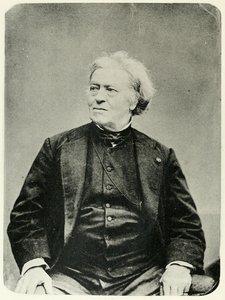
Jean-Baptiste-Camille Corot
1796 - 1875 , Francia
Datos clave
- Estilo Artístico: Neoclasicismo y Plein Air
- Influencia En Artistas: ['Impresionismo']
- Lugar De Nacimiento: París, Francia
- Nacimiento: 16 de julio de 1796
- Nacionalidad: Francesa
- Nombre Completo: Jean-Baptiste-Camille Corot
- Obras Notables:
- El Reposo
- Lectura interrumpida
- Agostina