 Vista previa
 Compartir
 Compartir
 Ver detalles

 Descargar
 Ver similares
 Radiografía
 Presentación de diapositivas
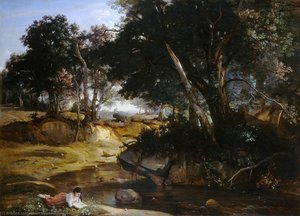
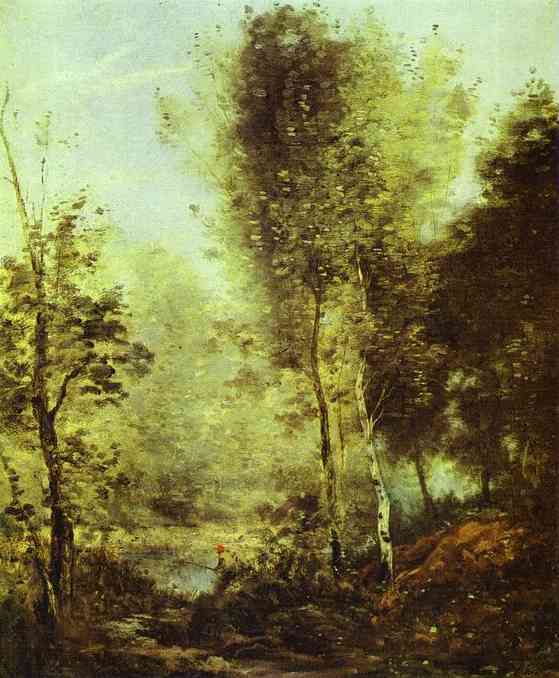
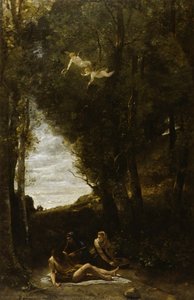
Pool in the Woods

 Leer más
Giclée / Impresión de arte
Impresiones giclée o en lienzo de calidad de museo con producción rápida y opciones de acabado flexibles. ( Encargar reproducción pintada a mano Comprar descarga)




P118B $10

P118H $10

P118W $10

P438Z $10

P508JH $12

P508YH $12

P805H $10

P805Z $10

P919BZ $10

P919G $10

P919XJ $10

P959ZH $10

P968JZ $12

W106C $8

W218G $10

W218JH $8

W218Y $10

W307PJ $10

W316G $10

W316PJ $8

W316Y $10

W398PJ $8

W4111J $10

W500HY $15

W500JH $15

W692G $12

W849H $8

W940BG $15

W953PJ $8




Elija entre nuestros tamaños predefinidos que respetan las proporciones originales de la obra.

Puede introducir sus propias dimensiones para adaptarse a un marco o espacio específico. Si el tamaño seleccionado no coincide con las proporciones de la imagen original, recortaremos la obra de arte o extenderemos la imagen con un borde con efecto espejo o de color sólido. Se enviará una maqueta digital para su aprobación antes de que comience la producción.
Tenga en cuenta que la vista previa en pantalla no refleja el recorte o la extensión real. Solo la maqueta mostrará con precisión la composición final.
Aunque existen tamaños personalizados, recomendamos seleccionar una dimensión de la lista predefinida para preservar las proporciones originales.
Envío a todo el mundo () en 2 semanas en lugar de las 4/5 semanas estándar. (22 agosto)

Envío exprés gratuito a todo el mundo

Lienzo de lino de alta calidad

Seguro de envío completo

Garantía de reembolso de aranceles aduaneros

Garantía de fidelidad cromática exacta

Política de devolución de 60 días (solo por defectos)

Garantía de devolución del 100% del dinero

Oferta por volumen
 La opción de vidrio solo está disponible en tamaños inferiores a 110 cm.

Pool in the Woods
Giclée / Impresión de arte
Tamaño de la reproducción
-


Precio total
$ 62
Descripción de la pieza
A Symphony in Mist: Exploring Corot’s Pool in the Woods
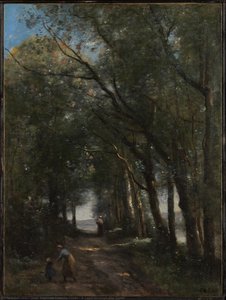
Jean Baptiste Camille Corot's *Pool in the Woods* isn’t merely a depiction of a forest; it’s an embodiment of Romantic idealism distilled onto canvas. Painted sometime between 1845 and 1850, during Corot’s prolific period of artistic exploration, this landscape masterpiece transcends simple observation—it strives to evoke a profound sense of serenity and contemplation. Born in Paris in 1796, Corot's upbringing fostered an unparalleled appreciation for the natural world, shaping his artistic sensibilities from childhood onwards. Unlike many artists of his time preoccupied with grand narratives or heroic figures, Corot focused on capturing the subtle nuances of light and atmosphere—a deliberate choice that distinguishes him as a pioneer of landscape painting.The Style of Quiet Observation
Corot’s distinctive style is characterized by its rejection of theatrical dramaticism. Instead, he favored loose brushstrokes and muted color palettes, prioritizing tonal harmony over vibrant hues. This approach aligns perfectly with the Romantic movement's fascination with emotion and intuition—artists sought to convey inner states rather than external realities. The technique known as “sfumato,” perfected by Leonardo da Vinci centuries earlier, played a crucial role in achieving this hazy, ethereal effect. Corot skillfully blended colors together, creating soft transitions that mimic the diffusion of light through foliage and water—a masterful illusion that contributes significantly to the painting’s atmospheric depth.Historical Context: Romanticism's Embrace of Nature
The painting emerged during a pivotal moment in European intellectual history – the Romantic era. Following the Enlightenment’s emphasis on reason and scientific inquiry, Romantic artists reacted against these constraints, prioritizing imagination and emotion as sources of artistic inspiration. They found solace and grandeur in untamed landscapes—mountains, forests, and rivers—seeing them as symbols of freedom and spiritual renewal. *Pool in the Woods* reflects this broader cultural preoccupation with nature’s sublime beauty, capturing a scene that speaks to the human desire for connection with something larger than oneself. The painting was created amidst growing anxieties about industrialization and urbanization, offering a counterpoint to the encroaching influence of modernity—a poignant reminder of a time when artists sought refuge in the tranquility of rural retreats.Symbolism Beneath the Surface Calm
Beyond its aesthetic qualities, *Pool in the Woods* is laden with symbolic significance. The pool itself represents stillness and contemplation—inviting viewers to pause and appreciate the beauty of the present moment. Surrounding it are trees—symbols of resilience and longevity—suggesting an enduring connection between humanity and the natural world. The dappled sunlight filtering through the branches reinforces this theme, illuminating the scene with a gentle radiance that evokes feelings of peace and tranquility. Even the presence of two birds adds to the painting’s symbolic richness—representing aspiration and freedom—as they soar above the tranquil waters.Emotional Resonance: A Balm for the Soul
Ultimately, *Pool in the Woods* succeeds in transporting viewers to another realm—a place where worries fade away and beauty reigns supreme. Its muted color palette and soft brushstrokes create a sense of calm and serenity that lingers long after viewing—a testament to Corot’s ability to capture not just what he saw but also how he felt. The painting serves as an enduring reminder of the restorative power of nature—offering solace and inspiration to anyone seeking refuge from the stresses of modern life. It's a piece that invites contemplation, fostering a profound appreciation for the simple elegance of the natural world.Obras relacionadas
Biografía del artista
Vida Temprana y Formación
Jean-Baptiste-Camille Corot, un renombrado pintor francés de paisajes y retratos, nació el 16 de julio de 1796 en París. Su familia, perteneciente a la burguesía, le proporcionó un entorno propicio para explorar sus inclinaciones artísticas. Inicialmente, los intereses de Corot se dirigieron hacia otros campos, pero finalmente descubrió su pasión por la pintura alrededor de 1821. Esto marcó el comienzo de su prolífica carrera, que más tarde influiría en el desarrollo del impresionismo.Trayectoria Artística y Obras Notables
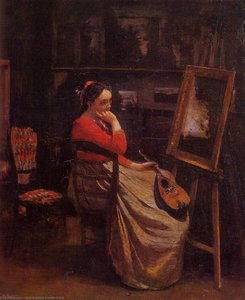
La trayectoria artística de Corot se caracteriza por una mezcla de tradición neoclásica e innovaciones al aire libre (plein air). Algunas de sus obras notables incluyen:- El Reposo (óleo sobre lienzo, circa 1860s), una pieza cautivadora que muestra la maestría de Corot para capturar la esencia de la serenidad.
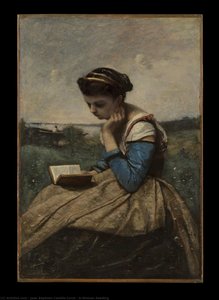
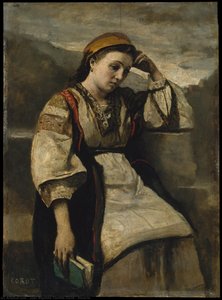
- Lectura Interrumpida (realismo, óleo, circa 1850s), un ejemplo conmovedor de la capacidad de Corot para retratar la vida cotidiana con profundidad y emoción.
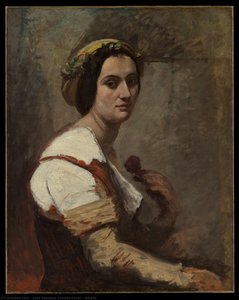
- Agostina (realismo, óleo, circa 1860s), un impresionante retrato que ejemplifica la habilidad de Corot para capturar la esencia de sus sujetos.
Influencias y Desarrollo Artístico
Corot fue influenciado por artistas como Gaspard Davidovich Poussin y Claude Lorrain, maestros del paisaje clásico francés. Sin embargo, su propio desarrollo artístico lo llevó a alejarse de las composiciones rígidas y formales del neoclasicismo para abrazar una aproximación más libre e intuitiva al paisaje. Su adopción de la pintura plein air fue revolucionaria en su época, permitiéndole capturar directamente las condiciones atmosféricas cambiantes y la luz natural. También se le considera un precursor del impresionismo debido a su enfoque en la atmósfera, el color y la pincelada suelta.Logros e Importancia Histórica
La vasta producción de Corot ha tenido un impacto duradero en el desarrollo de la pintura de paisajes. Su innovador enfoque, combinando técnicas tradicionales con innovaciones al aire libre, allanó el camino para futuras generaciones de artistas. Aunque no fue reconocido ampliamente durante su vida, su obra ganó una mayor apreciación póstumamente y ahora se le considera una figura clave en la historia del arte francés. Corot influyó directamente a muchos artistas impresionistas como Monet, Renoir y Pissarro, quienes admiraban su capacidad para capturar la atmósfera y la luz natural. Descubra más sobre las pinturas de Jean-Baptiste-Camille Corot en ArtsDot.com: https://ArtsDot.com/@/jean-baptiste-camille-corot Aprenda más sobre el Musée Courbet en Wikipedia: https://en.wikipedia.org/wiki/mus%c3%a9e_courbet_(ornans,_france)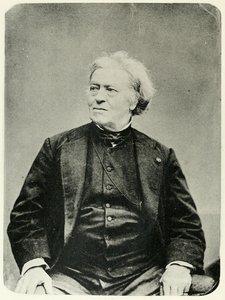
Jean-Baptiste-Camille Corot
1796 - 1875 , Francia
Datos clave
- Estilo Artístico: Neoclasicismo y Plein Air
- Influencia En Artistas: ['Impresionismo']
- Lugar De Nacimiento: París, Francia
- Nacimiento: 16 de julio de 1796
- Nacionalidad: Francesa
- Nombre Completo: Jean-Baptiste-Camille Corot
- Obras Notables:
- El Reposo
- Lectura interrumpida
- Agostina
Artículos relacionados

Paisajes Románticos: 10 Obras Maestras que Definieron un Movimiento Artístico
Descubre los 10 paisajes románticos más influyentes de artistas como Caspar David Friedrich y Turner. Explora la belleza, el simbolismo y las técnicas del movimiento romántico. Reproducciones de arte exclusivas en ArtsDot.com.
Jean-Baptiste-Camille Corot: A Poetic Realism – Bridging the Barbizon School and Early Impressionism
Explore the life & art of Camille Corot, a pivotal figure bridging the Barbizon School & Impressionism. Discover his poetic realism, signature style, and lasting influence on landscape painting. Learn more at ArtsDot.

John Constable: Las 25 Obras Maestras del Paisaje Inglés | ArtsDot
Descubre las 25 obras maestras de John Constable, el pintor romántico inglés que capturó la belleza del paisaje. Explora su técnica, historia y significado en ArtsDot.com. Reproducciones de arte de alta calidad para tu hogar.

Evocations of Place: A Historical Journey Through Landscape Art
Explore the rich history of landscape art with ArtsDot. Discover renowned artists, movements like Impressionism & Romanticism, and expert guidance for collecting timeless pieces. Find your perfect serene escape today!
The Subdued Resonance: Exploring Emotional Depth & Artistic Nuance within Muted Color Palettes
Explore the captivating world of muted colors in art & design! Discover historical context, psychological effects, techniques, and inspiration for creating serene spaces. Elevate your aesthetic with ArtsDot.