 Ver en contexto
 Enviar
 Compartir
 Detalles

 Descargar
 Similares
 Radiografía
 Presentación de diapositivas
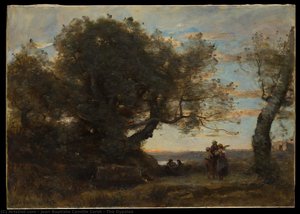
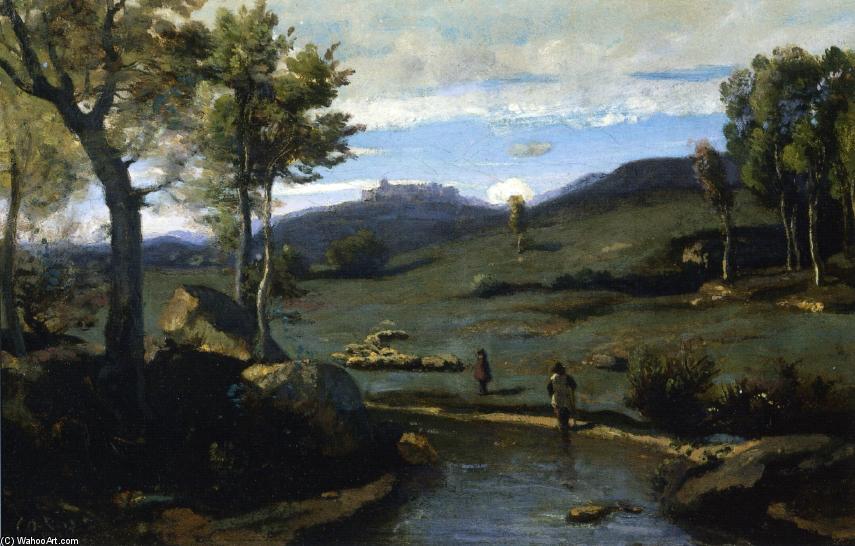
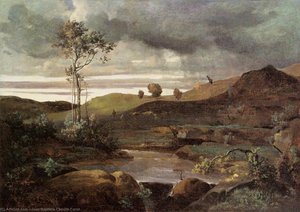
Roman Campagne - Rocky Valley with a Herd of Pigs
 Oil On Canvas
- WallArt
- Barbizon School
 1827
1827- 19th Century
 96.0 x 135.0 cm
 Ver más
Reproducción al óleo hecha a mano
Óleo sobre lienzo pintado a mano en el tamaño y marco de su elección, realizado por encargo por nuestros artistas. ( Comprar impresión Comprar imagen)




P118B $10

P118H $10

P118W $10

P438Z $10

P508JH $12

P508YH $12

P805H $10

P805Z $10

P919BZ $10

P919G $10

P919XJ $10

P959ZH $10

P968JZ $12

W106C $8

W218G $10

W218JH $8

W218Y $10

W307PJ $10

W316G $10

W316PJ $8

W316Y $10

W398PJ $8

W4111J $10

W500HY $15

W500JH $15

W692G $12

W849H $8

W940BG $15

W953PJ $8




Elija entre nuestros tamaños predefinidos que respetan las proporciones originales de la obra.

Puede ingresar sus propias dimensiones para adaptarse a un marco o espacio específico. Si el tamaño seleccionado no coincide con las proporciones de la imagen original, recortaremos la obra o extenderemos la pintura con elementos adicionales pintados a mano. Se le enviará una maqueta digital para su aprobación antes de comenzar la producción.
Tenga en cuenta que la vista previa en pantalla no refleja el recorte o la extensión reales. Solo la maqueta mostrará con precisión la composición final.
Si bien existen tamaños personalizados, recomendamos seleccionar una dimensión de la lista predefinida para preservar las proporciones originales.
Tras realizar el pedido, el equipo de ArtsDot.com enviará un correo electrónico al cliente para solicitar instrucciones y proporcionarle una vista previa del boceto.
Envío a todo el mundo () en 3-4 semanas en lugar de las 5 semanas estándar. (5 septiembre). Sin comprometer la calidad.

Envío exprés gratuito a todo el mundo

Lienzo de lino de alta calidad

Seguro de envío total

Garantía de reembolso de impuestos aduaneros

Garantía de fidelidad cromática exacta

Política de devolución de 60 días (solo por defectos)

Garantía de devolución del 100% del dinero

Descuento por cantidad
 La opción de vidrio solo está disponible en tamaños inferiores a 110 cm.

Roman Campagne - Rocky Valley with a Herd of Pigs
Técnica de reproducción
Dimensiones de la reproducción
-


Precio total final
$ 263
A Moment of Rural Tranquility: Corot’s ‘Roman Campagne’
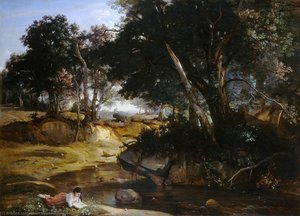
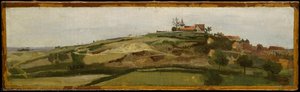
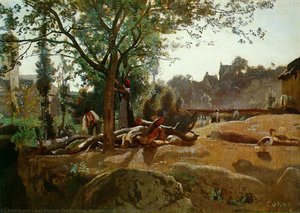
Jean-Baptiste-Camille Corot's “Roman Campagne” – a depiction of a rocky valley with a herd of pigs – isn’t merely a landscape painting; it’s a profound meditation on the relationship between humanity and nature. Painted in 1843, this work exemplifies the core tenets of the Barbizon school, a movement that prioritized direct observation and honest representation over idealized academic styles. Corot, deeply influenced by the Romantic sensibility, sought to capture not just the visual appearance of the French countryside but also its inherent mood – a quiet, contemplative stillness that invites the viewer into its serene embrace.
The scene unfolds with remarkable simplicity. A solitary path winds through the valley floor, leading the eye towards distant trees and a hazy horizon. The pigs themselves are rendered with an almost hesitant touch, their forms subtly blended into the surrounding terrain. This deliberate lack of sharp detail is crucial to Corot’s technique – he wasn't interested in precise topographical accuracy but rather in conveying the *impression* of space and light. Notice how the muted palette of browns, ochres, and greens creates a sense of atmospheric depth, drawing us into the heart of the valley.
The Barbizon School: A Revolution in Landscape Painting
Corot’s work is inextricably linked to the rise of the Barbizon school. Emerging in the mid-19th century, these artists rejected the prevailing trends in French art – particularly the grand historical and mythological subjects favored by the Academy. Instead, they focused exclusively on painting landscapes, often outdoors (en plein air), directly from nature. This commitment to direct observation was revolutionary, challenging the established norms of artistic training and paving the way for Impressionism.
The Barbizon painters were not simply copying what they saw; they were actively interpreting it through their own emotional responses. Corot’s “Roman Campagne” embodies this spirit – it's a deeply felt expression of his connection to the French countryside, imbued with a sense of peace and solitude. The lack of dramatic narrative or heroic figures allows the viewer to project their own emotions onto the scene, fostering a personal connection with the artwork.
Technique and Light: Corot’s Masterful Approach
Corot's mastery lies in his handling of light and atmosphere. He employed a broken brushstroke technique – applying paint in short, irregular strokes – to create a shimmering effect that mimics the way sunlight plays across the landscape. Observe how he uses subtle gradations of tone to suggest volume and form, rather than relying on strong outlines or chiaroscuro (the dramatic contrast between light and dark). This delicate approach is particularly evident in the rendering of the distant trees, which appear almost ethereal due to the atmospheric haze.
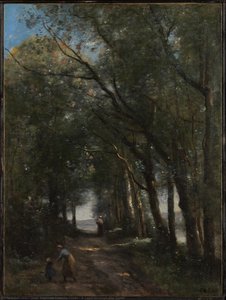
Furthermore, Corot’s meticulous study of geological formations – he spent considerable time sketching rocks and hillsides – informed his understanding of how light interacts with different surfaces. This knowledge is subtly reflected in the careful placement of shadows and highlights within the painting, adding to its realism and depth. The composition itself—a simple path leading into a hazy distance—is a classic example of Corot’s ability to create a sense of infinite space.
Symbolism and Emotional Resonance
"Roman Campagne" transcends a mere depiction of a rural scene; it carries symbolic weight. The pigs, often associated with fertility and abundance, subtly reinforce the theme of natural prosperity. The solitary path suggests a journey – perhaps one of introspection or spiritual renewal. The overall mood is one of quiet contemplation, inviting the viewer to slow down, appreciate the beauty of the natural world, and find solace in its simplicity.
This painting’s enduring appeal lies not just in its technical brilliance but also in its ability to evoke a powerful emotional response. It's a reminder that amidst the complexities of modern life, there are still places where we can reconnect with our primal instincts and find peace in the embrace of nature – a sentiment powerfully captured by Corot’s masterful brushstrokes.
Obras relacionadas

Biografía del artista
Vida Temprana y Formación
Jean-Baptiste-Camille Corot, un renombrado pintor francés de paisajes y retratos, nació el 16 de julio de 1796 en París. Su familia, perteneciente a la burguesía, le proporcionó un entorno propicio para explorar sus inclinaciones artísticas. Inicialmente, los intereses de Corot se dirigieron hacia otros campos, pero finalmente descubrió su pasión por la pintura alrededor de 1821. Esto marcó el comienzo de su prolífica carrera, que más tarde influiría en el desarrollo del impresionismo.Trayectoria Artística y Obras Notables
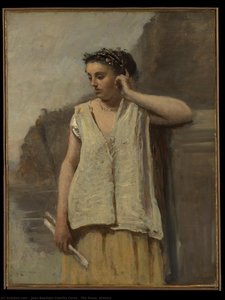
La trayectoria artística de Corot se caracteriza por una mezcla de tradición neoclásica e innovaciones al aire libre (plein air). Algunas de sus obras notables incluyen:- El Reposo (óleo sobre lienzo, circa 1860s), una pieza cautivadora que muestra la maestría de Corot para capturar la esencia de la serenidad.
- Lectura Interrumpida (realismo, óleo, circa 1850s), un ejemplo conmovedor de la capacidad de Corot para retratar la vida cotidiana con profundidad y emoción.
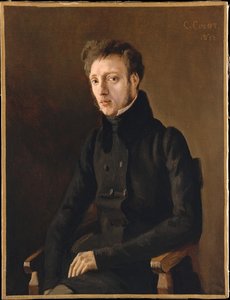
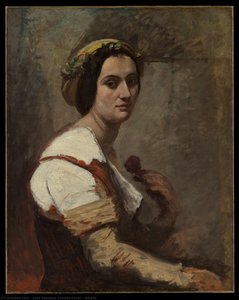
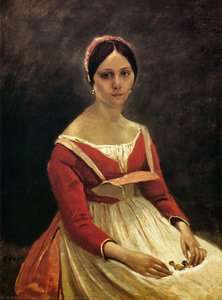
- Agostina (realismo, óleo, circa 1860s), un impresionante retrato que ejemplifica la habilidad de Corot para capturar la esencia de sus sujetos.
Influencias y Desarrollo Artístico
Corot fue influenciado por artistas como Gaspard Davidovich Poussin y Claude Lorrain, maestros del paisaje clásico francés. Sin embargo, su propio desarrollo artístico lo llevó a alejarse de las composiciones rígidas y formales del neoclasicismo para abrazar una aproximación más libre e intuitiva al paisaje. Su adopción de la pintura plein air fue revolucionaria en su época, permitiéndole capturar directamente las condiciones atmosféricas cambiantes y la luz natural. También se le considera un precursor del impresionismo debido a su enfoque en la atmósfera, el color y la pincelada suelta.Logros e Importancia Histórica
La vasta producción de Corot ha tenido un impacto duradero en el desarrollo de la pintura de paisajes. Su innovador enfoque, combinando técnicas tradicionales con innovaciones al aire libre, allanó el camino para futuras generaciones de artistas. Aunque no fue reconocido ampliamente durante su vida, su obra ganó una mayor apreciación póstumamente y ahora se le considera una figura clave en la historia del arte francés. Corot influyó directamente a muchos artistas impresionistas como Monet, Renoir y Pissarro, quienes admiraban su capacidad para capturar la atmósfera y la luz natural. Descubra más sobre las pinturas de Jean-Baptiste-Camille Corot en ArtsDot.com: https://ArtsDot.com/@/jean-baptiste-camille-corot Aprenda más sobre el Musée Courbet en Wikipedia: https://en.wikipedia.org/wiki/mus%c3%a9e_courbet_(ornans,_france)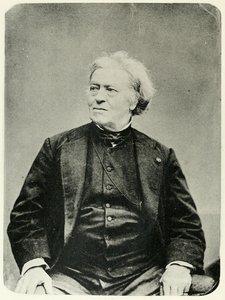
Jean-Baptiste-Camille Corot
1796 - 1875 , Francia
Datos clave
- Estilo Artístico: Neoclasicismo y Plein Air
- Influencia En Artistas: ['Impresionismo']
- Lugar De Nacimiento: París, Francia
- Nacimiento: 16 de julio de 1796
- Nacionalidad: Francesa
- Nombre Completo: Jean-Baptiste-Camille Corot
- Obras Notables:
- El Reposo
- Lectura interrumpida
- Agostina
Artículos relacionados
Jean-Baptiste-Camille Corot: A Poetic Realism – Bridging the Barbizon School and Early Impressionism
Explore the life & art of Camille Corot, a pivotal figure bridging the Barbizon School & Impressionism. Discover his poetic realism, signature style, and lasting influence on landscape painting. Learn more at ArtsDot.

Evocations of Place: A Historical Journey Through Landscape Art
Explore the rich history of landscape art with ArtsDot. Discover renowned artists, movements like Impressionism & Romanticism, and expert guidance for collecting timeless pieces. Find your perfect serene escape today!
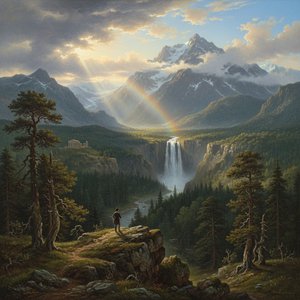
Evoking Nature's Sublime: A Comprehensive Exploration of 19th-Century Landscape Painting
Explore the captivating world of 19th-century landscape painting! Discover renowned artists like Friedrich & Monet, key movements, and find the perfect artwork to bring nature's serenity into your home. Expert insights at ArtsDot.

John Constable: Las 25 Obras Maestras del Paisaje Inglés | ArtsDot
Descubre las 25 obras maestras de John Constable, el pintor romántico inglés que capturó la belleza del paisaje. Explora su técnica, historia y significado en ArtsDot.com. Reproducciones de arte de alta calidad para tu hogar.

Paisajes Románticos: 10 Obras Maestras que Definieron un Movimiento Artístico
Descubre los 10 paisajes románticos más influyentes de artistas como Caspar David Friedrich y Turner. Explora la belleza, el simbolismo y las técnicas del movimiento romántico. Reproducciones de arte exclusivas en ArtsDot.com.