

 Ver en contexto
 Enviar
 Compartir
 Detalles

 Descargar
 Similares
 Radiografía
 Presentación de diapositivas
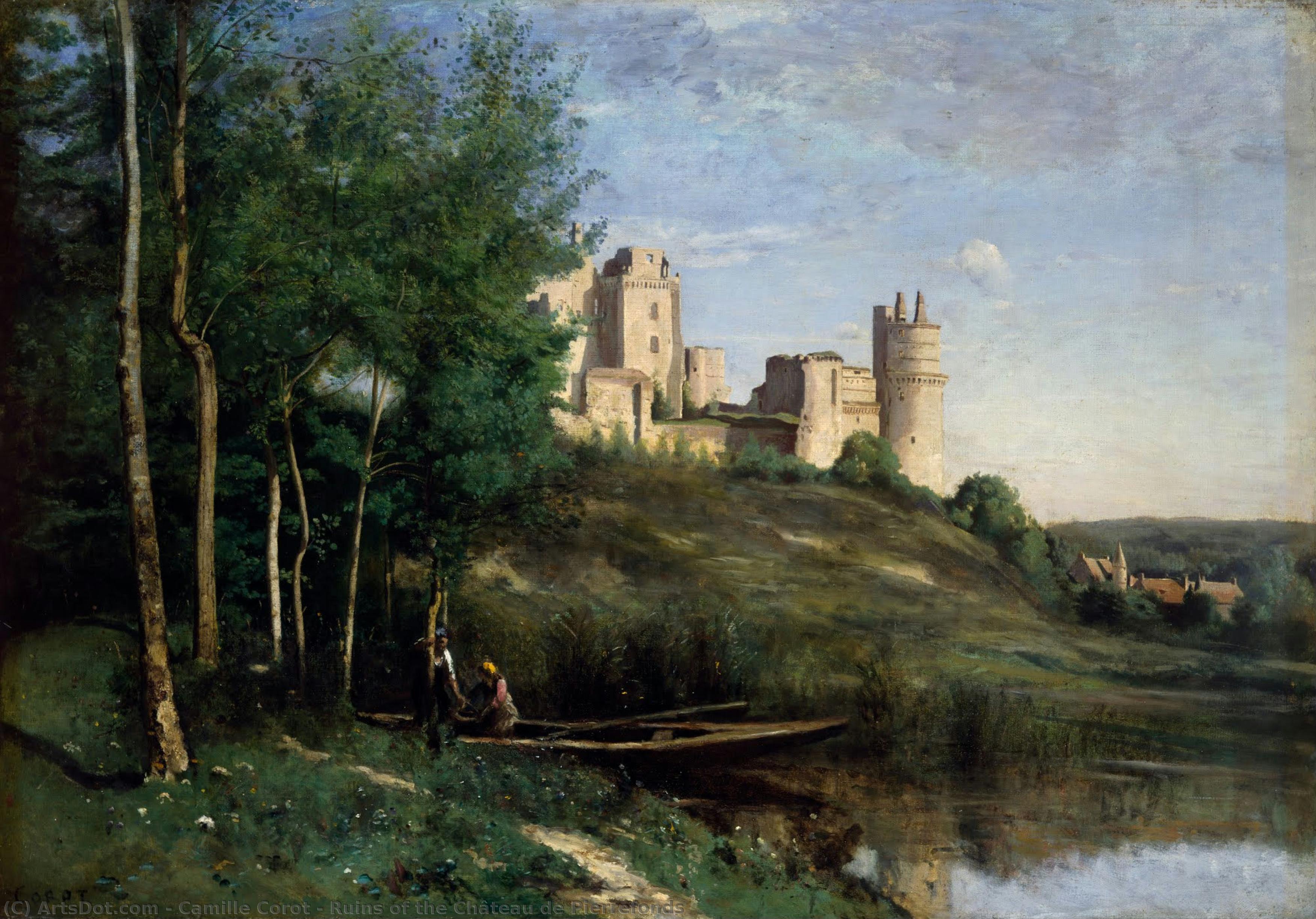
Ruins of the Château de Pierrefonds
 Oil On Canvas
- WallArt
- Romantic Barbizon
 1866
1866- 19th Century
 74.0 x 106.0 cm
 Ver más
Adquiera una imagen digital de alta resolución y optimizada, muy superior a la vista previa en línea.
Cada archivo es preparado meticulosamente por nuestros especialistas internos mediante el uso de herramientas avanzadas y un experto retoque manual. Nos aseguramos de que cada imagen posea una claridad excepcional, una precisión cromática impecable y un detalle minucioso.
El archivo final se entrega por correo electrónico en un plazo de 72 horas, optimizado para su uso inmediato en entornos profesionales, editoriales y de impresión. Esta es la misma calidad en la que confían los estudios de diseño, las editoriales y las galerías de primer nivel.
Imagen Digital
Descarga un archivo de alta resolución para exhibición personal, impresión y proyectos creativos. ( Comprar impresión Comprar pintura hecha a mano)
Incluido en cada pedido de imágenes digitales
Entrega digital experta, garantizada.
Al elegir ArtsDot.com, no solo está adquiriendo una imagen; está recibiendo una obra de arte digital mejorada profesionalmente, elaborada con precisión y respaldada por una garantía de satisfacción. Esto es todo lo que incluye su pedido, automáticamente:

Entrega rápida por email
Recibirá su archivo de imagen digital en alta resolución por correo electrónico en un plazo de 72 horas tras realizar su pedido, listo para su uso inmediato.

Archivo digital optimizado por IA
Su obra de arte se optimiza profesionalmente mediante herramientas avanzadas de IA y edición manual, garantizando el máximo detalle, claridad y precisión cromática.

Reenvío gratuito de por vida
¿Has borrado o perdido tu archivo por error? No te preocupes: te lo volveremos a enviar en cualquier momento, sin coste adicional.

Sin gastos de importación, siempre
Disfrute de su obra de arte al instante sin aduanas, aranceles ni gastos de envío; las descargas digitales siempre están libres de impuestos.

Garantía de fidelidad de color
Garantizamos que su imagen digital refleje los colores originales con la mayor fidelidad posible, mediante el uso de herramientas profesionales y gestión del color.

Garantía de satisfacción de 60 días
Si no está satisfecho con su imagen digital, la revisaremos o le reembolsaremos el 100% en un plazo de 60 días, sin preguntas.

100% Garantía de devolución de dinero
¿No está satisfecho? Obtenga un reembolso completo dentro de los 60 días posteriores a la recepción de su archivo digital, sin necesidad de explicaciones.

Descuentos por pedidos grandes
Compra 3 imágenes, ahorra 10% - Compra 5, ahorra 15% - Compra 10+, ahorra 20%. Ideal para proyectos creativos, galerías y agencias.
A Ruined Majesty: Jean-Baptiste-Camille Corot’s ‘Ruins of the Château de Pierrefonds’
Jean-Baptiste-Camille Corot's ‘Ruins of the Château de Pierrefonds’ is more than a picturesque landscape; it’s a poignant meditation on time, memory, and the enduring beauty found in decay. Painted around 1840-45, this work exemplifies Corot’s pivotal role as a bridge between the classical traditions of French art – particularly the idealized views favored by artists working in Rome – and the burgeoning movement towards direct observation and atmospheric realism that would ultimately shape Impressionism. The painting captures a moment of profound tranquility within a scene steeped in history, offering a glimpse into a vanished world through the sensitive brushwork and evocative color palette of one of France’s most important landscape painters.
The subject itself – the crumbling ruins of Château de Pierrefonds – immediately draws the viewer into a realm of romantic contemplation. Originally built in the 14th century, the castle had fallen into disrepair by Corot's time, becoming a potent symbol of lost power and forgotten grandeur. The artist doesn’t simply depict a ruin; he imbues it with an almost melancholic dignity, transforming what might be seen as mere devastation into a testament to enduring beauty. The strategic placement of the castle atop its hill, overlooking the serene waters below, creates a composition that is both imposing and inviting, drawing the eye upwards while simultaneously suggesting a sense of quiet reflection.
Decoding the Palette and Technique
Corot’s masterful technique is immediately apparent in the soft, almost ethereal quality of the painting. Executed primarily in oil on canvas, the work showcases his signature approach – layering thin washes of paint to build up form and create a luminous, atmospheric effect. The color palette is deliberately muted, dominated by earthy greens, browns, grays, and subtle touches of pale blue and yellow. This restrained use of color contributes significantly to the painting’s mood, evoking a sense of distance and timelessness. Notice how he uses light not to define sharp edges but to subtly blend forms, creating an impressionistic effect long before the term was coined.
The artist's *en plein air* method – working directly outdoors – is crucial to understanding the painting’s power. By capturing the fleeting qualities of light and atmosphere in real-time, Corot avoids the artificiality that can often plague studio paintings. The blurred lines, softened shapes, and diffused lighting all contribute to this sense of immediacy and authenticity. Observe how he uses vertical strokes for the trees to contrast with the horizontal line of the water, creating a dynamic tension within the composition.
Symbolism and Emotional Resonance
Beyond its technical brilliance, ‘Ruins of the Château de Pierrefonds’ is rich in symbolic meaning. The ruins themselves represent decay, loss, and the inevitable passage of time – themes that were particularly resonant during the 19th century, a period marked by rapid social and technological change. However, Corot doesn't present this decay as purely negative. Instead, he elevates it to an aesthetic ideal, suggesting that beauty can be found even in what is broken and forgotten. The inclusion of two figures in a boat adds a human element to the scene, emphasizing the relationship between humanity and nature – a recurring theme in Corot’s work.
The painting invites us to contemplate our own mortality and the impermanence of all things. It's a reminder that even the most imposing structures eventually succumb to time, yet their beauty can endure through art. ‘Ruins of the Château de Pierrefonds’ is not simply a landscape; it’s a profound meditation on life, death, and the enduring power of nature – a timeless masterpiece that continues to captivate viewers today.
Obras relacionadas

Biografía del artista
Vida Temprana y Formación
Jean-Baptiste-Camille Corot, un renombrado pintor francés de paisajes y retratos, nació el 16 de julio de 1796 en París. Su familia, perteneciente a la burguesía, le proporcionó un entorno propicio para explorar sus inclinaciones artísticas. Inicialmente, los intereses de Corot se dirigieron hacia otros campos, pero finalmente descubrió su pasión por la pintura alrededor de 1821. Esto marcó el comienzo de su prolífica carrera, que más tarde influiría en el desarrollo del impresionismo.Trayectoria Artística y Obras Notables
La trayectoria artística de Corot se caracteriza por una mezcla de tradición neoclásica e innovaciones al aire libre (plein air). Algunas de sus obras notables incluyen:- El Reposo (óleo sobre lienzo, circa 1860s), una pieza cautivadora que muestra la maestría de Corot para capturar la esencia de la serenidad.
- Lectura Interrumpida (realismo, óleo, circa 1850s), un ejemplo conmovedor de la capacidad de Corot para retratar la vida cotidiana con profundidad y emoción.
- Agostina (realismo, óleo, circa 1860s), un impresionante retrato que ejemplifica la habilidad de Corot para capturar la esencia de sus sujetos.
Influencias y Desarrollo Artístico
Corot fue influenciado por artistas como Gaspard Davidovich Poussin y Claude Lorrain, maestros del paisaje clásico francés. Sin embargo, su propio desarrollo artístico lo llevó a alejarse de las composiciones rígidas y formales del neoclasicismo para abrazar una aproximación más libre e intuitiva al paisaje. Su adopción de la pintura plein air fue revolucionaria en su época, permitiéndole capturar directamente las condiciones atmosféricas cambiantes y la luz natural. También se le considera un precursor del impresionismo debido a su enfoque en la atmósfera, el color y la pincelada suelta.Logros e Importancia Histórica
La vasta producción de Corot ha tenido un impacto duradero en el desarrollo de la pintura de paisajes. Su innovador enfoque, combinando técnicas tradicionales con innovaciones al aire libre, allanó el camino para futuras generaciones de artistas. Aunque no fue reconocido ampliamente durante su vida, su obra ganó una mayor apreciación póstumamente y ahora se le considera una figura clave en la historia del arte francés. Corot influyó directamente a muchos artistas impresionistas como Monet, Renoir y Pissarro, quienes admiraban su capacidad para capturar la atmósfera y la luz natural. Descubra más sobre las pinturas de Jean-Baptiste-Camille Corot en ArtsDot.com: https://ArtsDot.com/@/jean-baptiste-camille-corot Aprenda más sobre el Musée Courbet en Wikipedia: https://en.wikipedia.org/wiki/mus%c3%a9e_courbet_(ornans,_france)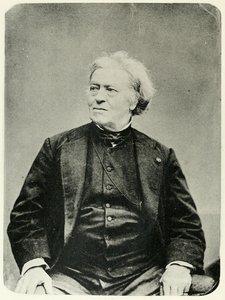
Jean-Baptiste-Camille Corot
1796 - 1875 , Francia
Breves datos
- Estilo Artístico: Neoclasicismo y Plein Air
- Influencia En Artistas: ['Impresionismo']
- Lugar De Nacimiento: París, Francia
- Nacimiento: 16 de julio de 1796
- Nacionalidad: Francesa
- Nombre Completo: Jean-Baptiste-Camille Corot
- Obras Notables:
- El Reposo
- Lectura interrumpida
- Agostina

