 Ver en contexto
 Enviar
 Compartir
 Detalles

 Descargar
 Similares
 Radiografía
 Presentación de diapositivas
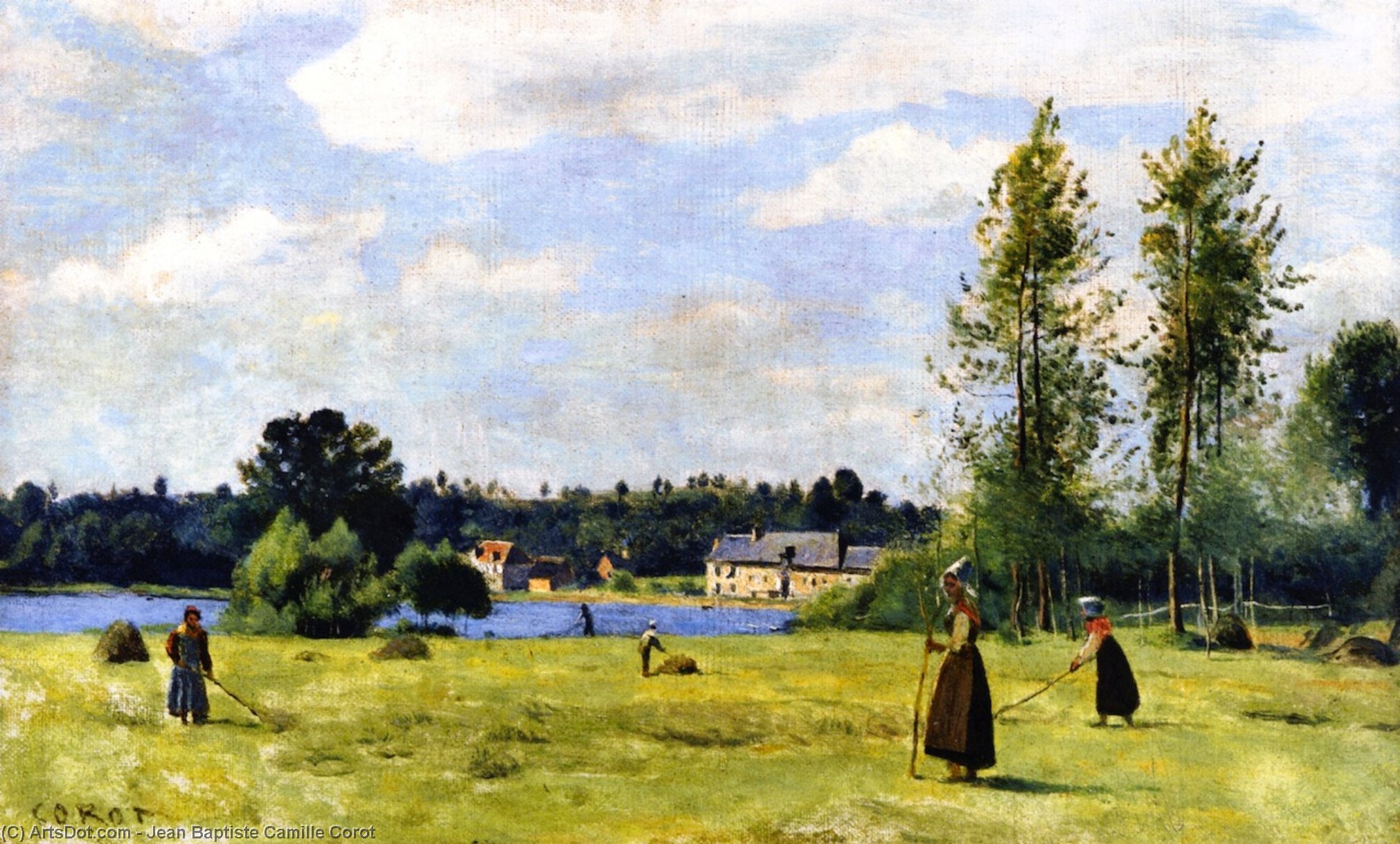
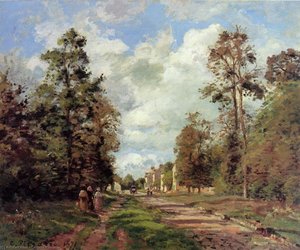
Tedders at Ville d'Avray


 Ver más
Reproducción al óleo hecha a mano
Óleo sobre lienzo pintado a mano en el tamaño y marco de su elección, realizado por encargo por nuestros artistas. ( Comprar impresión Comprar imagen)




P118B $10

P118H $10

P118W $10

P438Z $10

P508JH $12

P508YH $12

P805H $10

P805Z $10

P919BZ $10

P919G $10

P919XJ $10

P959ZH $10

P968JZ $12

W106C $8

W218G $10

W218JH $8

W218Y $10

W307PJ $10

W316G $10

W316PJ $8

W316Y $10

W398PJ $8

W4111J $10

W500HY $15

W500JH $15

W692G $12

W849H $8

W940BG $15

W953PJ $8




Elija entre nuestros tamaños predefinidos que respetan las proporciones originales de la obra.

Puede ingresar sus propias dimensiones para adaptarse a un marco o espacio específico. Si el tamaño seleccionado no coincide con las proporciones de la imagen original, recortaremos la obra o extenderemos la pintura con elementos adicionales pintados a mano. Se le enviará una maqueta digital para su aprobación antes de comenzar la producción.
Tenga en cuenta que la vista previa en pantalla no refleja el recorte o la extensión reales. Solo la maqueta mostrará con precisión la composición final.
Si bien existen tamaños personalizados, recomendamos seleccionar una dimensión de la lista predefinida para preservar las proporciones originales.
Tras realizar el pedido, el equipo de ArtsDot.com enviará un correo electrónico al cliente para solicitar instrucciones y proporcionarle una vista previa del boceto.
Envío a todo el mundo () en 3-4 semanas en lugar de las 5 semanas estándar. (5 septiembre). Sin comprometer la calidad.

Envío exprés gratuito a todo el mundo

Lienzo de lino de alta calidad

Seguro de envío total

Garantía de reembolso de impuestos aduaneros

Garantía de fidelidad cromática exacta

Política de devolución de 60 días (solo por defectos)

Garantía de devolución del 100% del dinero

Descuento por cantidad
 La opción de vidrio solo está disponible en tamaños inferiores a 110 cm.

Tedders at Ville d'Avray
Técnica de reproducción
Dimensiones de la reproducción
-


Precio total final
$ 263
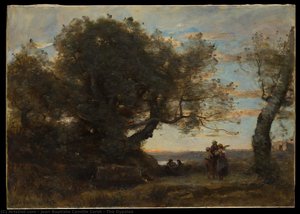
Jean-Baptiste-Camille Corot’s “Tedders at Ville d'Avray”: A Symphony of Light and Rural Tranquility
Jean-Baptiste-Camille Corot’s "Tedders at Ville d'Avray," a captivating depiction of rural labor, offers a profound meditation on the relationship between humanity and nature. Painted in 1870, this work exemplifies Corot’s signature style – a masterful blend of Neo-Classical precision with an Impressionistic sensitivity to light and atmosphere. The scene unfolds within the picturesque landscape surrounding Ville d'Avray, a charming village just outside Paris, a location that held particular significance for the artist, having inherited a property there from his parents.
The painting’s core is a group of figures engaged in the simple act of harvesting – tedders, likely working with scythes, their movements rendered with remarkable naturalism. Four individuals dominate the composition: one standing slightly to the left, another centrally positioned, and two further along the right side. Alongside these human forms are carefully observed animals – two cows grazing peacefully, a horse tethered near the left edge – seamlessly integrated into the landscape. Corot’s genius lies not in dramatic action but in capturing a fleeting moment of quiet industry, imbued with a palpable sense of serenity.
A Masterclass in Atmospheric Perspective and Color
Corot's technique is characterized by loose brushwork and an almost hesitant application of paint, prioritizing the representation of light over meticulous detail. The palette is dominated by muted tones – soft greens, blues, and grays – skillfully employed to create a sense of atmospheric depth. Notice how the pewter sky, rendered with subtle gradations, casts a gentle glow upon the scene, softening the edges of the buildings in the background and contributing to the overall feeling of tranquility. The silhouette of the tree just left of center, as noted by Alfred Robaut, leads Corot's biographer to liken this work to a spider’s web – a delicate interplay of light and shadow that draws the viewer into the heart of the composition.
The Significance of Ville d'Avray and Corot’s Recurring Motif
Corot frequently returned to Ville d'Avray, transforming it into a personal studio and a source of endless inspiration. The pond (“etang”) depicted here became a recurring motif in his work, allowing him to explore the nuances of light and reflection across different seasons and times of day. The repetition of this scene allowed Corot to take certain liberties, particularly with the tree just left of center. This wasn’t simply a matter of artistic license; it was a deliberate exploration of how perception itself is shaped by repeated observation. The painting reflects a deep connection to the land, a sentiment that resonated strongly with Corot and his contemporaries who sought to capture the essence of rural life in France.
A Legacy of Impressionistic Influence
"Tedders at Ville d'Avray" stands as a pivotal work in the transition from Neo-Classicism to Impressionism. While rooted in classical principles of composition and observation, Corot’s emphasis on light, atmosphere, and the subjective experience of seeing foreshadowed the radical innovations of artists like Monet and Renoir. This painting is not merely a depiction of a rural scene; it's an embodiment of a philosophical approach to art – one that prioritizes feeling over form, and the ephemeral beauty of nature over rigid representation. Its quiet power continues to resonate with viewers today, offering a timeless reminder of the profound connection between humanity and the natural world.
Obras relacionadas
Biografía del artista
Vida Temprana y Formación
Jean-Baptiste-Camille Corot, un renombrado pintor francés de paisajes y retratos, nació el 16 de julio de 1796 en París. Su familia, perteneciente a la burguesía, le proporcionó un entorno propicio para explorar sus inclinaciones artísticas. Inicialmente, los intereses de Corot se dirigieron hacia otros campos, pero finalmente descubrió su pasión por la pintura alrededor de 1821. Esto marcó el comienzo de su prolífica carrera, que más tarde influiría en el desarrollo del impresionismo.Trayectoria Artística y Obras Notables
La trayectoria artística de Corot se caracteriza por una mezcla de tradición neoclásica e innovaciones al aire libre (plein air). Algunas de sus obras notables incluyen:- El Reposo (óleo sobre lienzo, circa 1860s), una pieza cautivadora que muestra la maestría de Corot para capturar la esencia de la serenidad.
- Lectura Interrumpida (realismo, óleo, circa 1850s), un ejemplo conmovedor de la capacidad de Corot para retratar la vida cotidiana con profundidad y emoción.
- Agostina (realismo, óleo, circa 1860s), un impresionante retrato que ejemplifica la habilidad de Corot para capturar la esencia de sus sujetos.
Influencias y Desarrollo Artístico
Corot fue influenciado por artistas como Gaspard Davidovich Poussin y Claude Lorrain, maestros del paisaje clásico francés. Sin embargo, su propio desarrollo artístico lo llevó a alejarse de las composiciones rígidas y formales del neoclasicismo para abrazar una aproximación más libre e intuitiva al paisaje. Su adopción de la pintura plein air fue revolucionaria en su época, permitiéndole capturar directamente las condiciones atmosféricas cambiantes y la luz natural. También se le considera un precursor del impresionismo debido a su enfoque en la atmósfera, el color y la pincelada suelta.Logros e Importancia Histórica
La vasta producción de Corot ha tenido un impacto duradero en el desarrollo de la pintura de paisajes. Su innovador enfoque, combinando técnicas tradicionales con innovaciones al aire libre, allanó el camino para futuras generaciones de artistas. Aunque no fue reconocido ampliamente durante su vida, su obra ganó una mayor apreciación póstumamente y ahora se le considera una figura clave en la historia del arte francés. Corot influyó directamente a muchos artistas impresionistas como Monet, Renoir y Pissarro, quienes admiraban su capacidad para capturar la atmósfera y la luz natural. Descubra más sobre las pinturas de Jean-Baptiste-Camille Corot en ArtsDot.com: https://ArtsDot.com/@/jean-baptiste-camille-corot Aprenda más sobre el Musée Courbet en Wikipedia: https://en.wikipedia.org/wiki/mus%c3%a9e_courbet_(ornans,_france)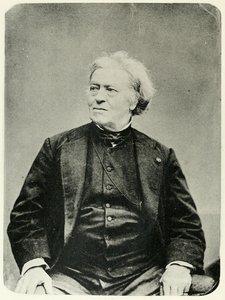
Jean-Baptiste-Camille Corot
1796 - 1875 , Francia
Datos clave
- Estilo Artístico: Neoclasicismo y Plein Air
- Influencia En Artistas: ['Impresionismo']
- Lugar De Nacimiento: París, Francia
- Nacimiento: 16 de julio de 1796
- Nacionalidad: Francesa
- Nombre Completo: Jean-Baptiste-Camille Corot
- Obras Notables:
- El Reposo
- Lectura interrumpida
- Agostina