 Ver en contexto
 Enviar
 Compartir
 Detalles

 Descargar
 Similares
 Radiografía
 Presentación de diapositivas
 Estadísticas
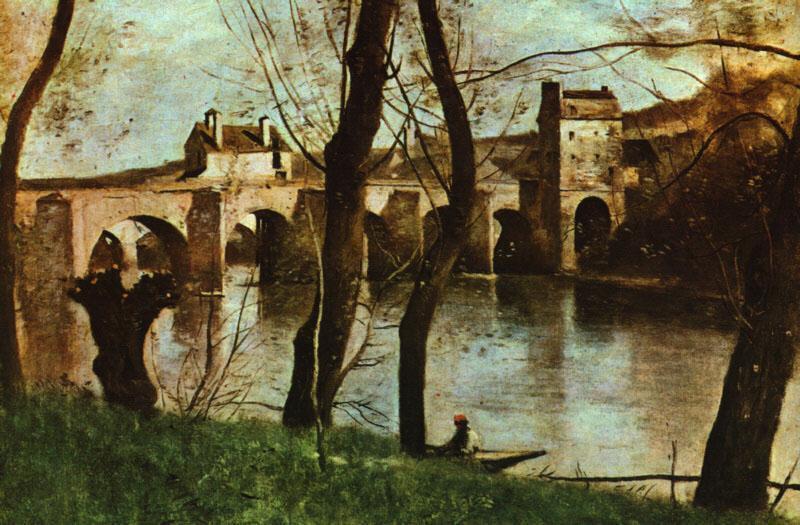
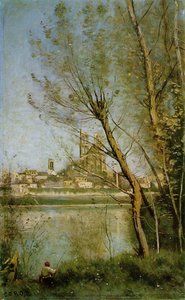
The Bridge at Nantes

 Ver más
Reproducción al óleo hecha a mano
Óleo sobre lienzo pintado a mano en el tamaño y marco de su elección, realizado por encargo por nuestros artistas. ( Cambiar a Impresión Cambiar a imagen digital)




P118B $10

P118H $10

P118W $10

P438Z $10

P508JH $12

P508YH $12

P805H $10

P805Z $10

P919BZ $10

P919G $10

P919XJ $10

P959ZH $10

P968JZ $12

W106C $8

W218G $10

W218JH $8

W218Y $10

W307PJ $10

W316G $10

W316PJ $8

W316Y $10

W398PJ $8

W4111J $10

W500HY $15

W500JH $15

W692G $12

W849H $8

W940BG $15

W953PJ $8




Elija entre nuestros tamaños predefinidos que respetan las proporciones originales de la obra.

Puede ingresar sus propias dimensiones para adaptarse a un marco o espacio específico. Si el tamaño seleccionado no coincide con las proporciones de la imagen original, recortaremos la obra o extenderemos la pintura con elementos adicionales pintados a mano. Se le enviará una maqueta digital para su aprobación antes de comenzar la producción.
Tenga en cuenta que la vista previa en pantalla no refleja el recorte o la extensión reales. Solo la maqueta mostrará con precisión la composición final.
Si bien existen tamaños personalizados, recomendamos seleccionar una dimensión de la lista predefinida para preservar las proporciones originales.
Tras realizar el pedido, el equipo de ArtsDot.com enviará un correo electrónico al cliente para solicitar instrucciones y proporcionarle una vista previa del boceto.
Envío a todo el mundo () en 3-4 semanas en lugar de las 5 semanas estándar. (12 septiembre). Sin comprometer la calidad.

Envío exprés gratuito a todo el mundo

Lienzo de lino de alta calidad

Seguro de envío total

Garantía de reembolso de impuestos aduaneros

Garantía de fidelidad cromática exacta

Política de devolución de 100 días (solo por defectos)

Garantía de devolución del 100% del dinero

Descuento por cantidad
 La opción de vidrio solo está disponible en tamaños inferiores a 110 cm.

The Bridge at Nantes
Técnica de reproducción
Dimensiones de la reproducción
-


Precio total final
$ 263
The Bridge at Nantes: A Vision of Tranquility Captured in Light
Jean-Baptiste-Camille Corot’s “The Bridge at Nantes” isn't merely a depiction of an architectural element; it’s a profound meditation on the relationship between humanity and nature, rendered with breathtaking precision and imbued with a palpable sense of serenity. Painted in 1849, this monumental canvas embodies the core tenets of Corot’s artistic philosophy – a rejection of academic formalism in favor of direct observation and an unwavering commitment to conveying the subtle nuances of atmospheric light. It resides within the Musée Fabré Frères in Nantes, France, offering visitors a privileged glimpse into the artist's masterful technique and his enduring legacy as one of Impressionism’s precursors.A Masterful Synthesis of Neo-Classical Influence and Plein Air Innovation
Corot’s artistic journey began with an unconventional upbringing—his early years spent largely in rural surroundings instilled within him a deep appreciation for the natural world that would permeate his entire oeuvre. Unlike many artists of his time who prioritized idealized representations, Corot sought to capture the very essence of landscape experience – its fleeting beauty and transformative power. This approach aligns seamlessly with the burgeoning plein-air movement gaining momentum across Europe during the 1840s, spearheaded by painters like Eugène Boudin and Frédéric Bazille. However, Corot’s style retains vestiges of Neo-Classical tradition, evident in his careful compositional structuring and his meticulous attention to detail. He eschewed dramatic contrasts of light and shadow, opting instead for a diffused luminescence that softens the contours of the bridge and surrounding foliage.Technique: The Alchemy of Color and Texture
Corot’s technique is characterized by an astonishing ability to blend pigments with remarkable subtlety—a process he termed “the alchemy of color.” He employed thin glazes layered upon glazes, painstakingly applied over several sessions, allowing each subsequent layer to subtly modify the hue and luminosity of its predecessor. This painstaking method resulted in surfaces that shimmer with iridescent brilliance, capturing the shimmering reflections of water on stone and foliage. The artist’s brushstrokes are loose yet purposeful, conveying a sense of movement without sacrificing textural richness. Notice how Corot renders the bark of the trees—not as smooth, idealized forms but as rough, textured surfaces imbued with palpable warmth.Symbolism: Bridging Past and Present
The bridge itself serves as more than just an architectural structure; it symbolizes the connection between past and present – a visual metaphor for traversing time while remaining grounded in the enduring beauty of nature. The tranquil waters flowing beneath the bridge represent stillness and contemplation, inviting viewers to pause and appreciate the grandeur of the landscape. Furthermore, the presence of figures strolling along the bridge underscores the importance of human interaction with the natural environment—a theme that resonates powerfully within Corot’s broader artistic vision.Emotional Impact: An Oasis of Calm Amidst Urban Life
“The Bridge at Nantes” transcends mere visual representation; it evokes a profound emotional response – an oasis of calm amidst the frenetic pace of urban life. The painting's luminous palette and harmonious composition instill a sense of peace and tranquility, transporting viewers to a realm where beauty reigns supreme. Corot’s masterful rendering of light captures not only its physical properties but also its ability to illuminate the human spirit—a testament to his enduring artistic genius and his unwavering belief in the transformative power of art.Obras relacionadas

Biografía del artista
Vida Temprana y Formación
Jean-Baptiste-Camille Corot, un renombrado pintor francés de paisajes y retratos, nació el 16 de julio de 1796 en París. Su familia, perteneciente a la burguesía, le proporcionó un entorno propicio para explorar sus inclinaciones artísticas. Inicialmente, los intereses de Corot se dirigieron hacia otros campos, pero finalmente descubrió su pasión por la pintura alrededor de 1821. Esto marcó el comienzo de su prolífica carrera, que más tarde influiría en el desarrollo del impresionismo.Trayectoria Artística y Obras Notables
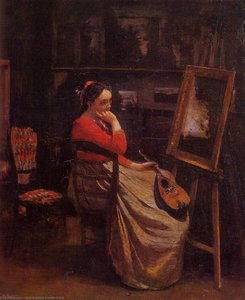
La trayectoria artística de Corot se caracteriza por una mezcla de tradición neoclásica e innovaciones al aire libre (plein air). Algunas de sus obras notables incluyen:- El Reposo (óleo sobre lienzo, circa 1860s), una pieza cautivadora que muestra la maestría de Corot para capturar la esencia de la serenidad.
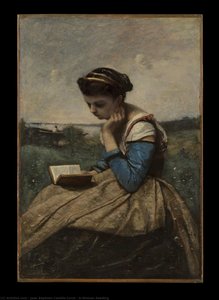
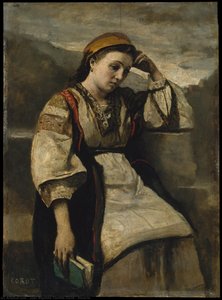
- Lectura Interrumpida (realismo, óleo, circa 1850s), un ejemplo conmovedor de la capacidad de Corot para retratar la vida cotidiana con profundidad y emoción.
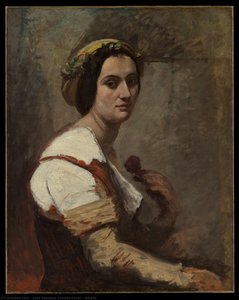
- Agostina (realismo, óleo, circa 1860s), un impresionante retrato que ejemplifica la habilidad de Corot para capturar la esencia de sus sujetos.
Influencias y Desarrollo Artístico
Corot fue influenciado por artistas como Gaspard Davidovich Poussin y Claude Lorrain, maestros del paisaje clásico francés. Sin embargo, su propio desarrollo artístico lo llevó a alejarse de las composiciones rígidas y formales del neoclasicismo para abrazar una aproximación más libre e intuitiva al paisaje. Su adopción de la pintura plein air fue revolucionaria en su época, permitiéndole capturar directamente las condiciones atmosféricas cambiantes y la luz natural. También se le considera un precursor del impresionismo debido a su enfoque en la atmósfera, el color y la pincelada suelta.Logros e Importancia Histórica
La vasta producción de Corot ha tenido un impacto duradero en el desarrollo de la pintura de paisajes. Su innovador enfoque, combinando técnicas tradicionales con innovaciones al aire libre, allanó el camino para futuras generaciones de artistas. Aunque no fue reconocido ampliamente durante su vida, su obra ganó una mayor apreciación póstumamente y ahora se le considera una figura clave en la historia del arte francés. Corot influyó directamente a muchos artistas impresionistas como Monet, Renoir y Pissarro, quienes admiraban su capacidad para capturar la atmósfera y la luz natural. Descubra más sobre las pinturas de Jean-Baptiste-Camille Corot en ArtsDot.com: https://ArtsDot.com/@/jean-baptiste-camille-corot Aprenda más sobre el Musée Courbet en Wikipedia: https://en.wikipedia.org/wiki/mus%c3%a9e_courbet_(ornans,_france)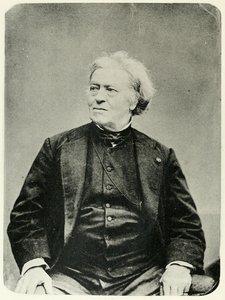
Jean-Baptiste-Camille Corot
1796 - 1875 , Francia
Datos clave
- Estilo Artístico: Neoclasicismo y Plein Air
- Influencia En Artistas: ['Impresionismo']
- Lugar De Nacimiento: París, Francia
- Nacimiento: 16 de julio de 1796
- Nacionalidad: Francesa
- Nombre Completo: Jean-Baptiste-Camille Corot
- Obras Notables:
- El Reposo
- Lectura interrumpida
- Agostina
Artículos relacionados

Acuarelas Legendarias: 10 Obras Maestras que Transformaron el Arte | ArtsDot
Descubre 10 acuarelas legendarias de Turner, Monet y Sargent que revolucionaron el arte. Explora la historia, técnica y belleza de estas obras maestras impresionistas y románticas. Reproducciones de museo en ArtsDot.com.

Paul Cézanne: Las 25 Obras Maestras que Definieron el Arte Moderno | ArtsDot
Descubre las 25 obras maestras de Paul Cézanne que revolucionaron el arte moderno. Explora su técnica, inspiración y significado en paisajes, bodegones y retratos. Reproducciones de alta calidad para decorar tu hogar con arte inolvidable. ¡Explora la colección completa en ArtsDot.com!

Ephemeral Visions: Exploring the Artistic Legacy & Contemporary Practice of Watercolor Painting
Explore the captivating world of watercolor painting! Discover its rich history, essential techniques, influential artists & collecting tips. A comprehensive guide for art enthusiasts from ArtsDot.

Visiones Efímeras: Historia y Resonancia Emocional de la Pintura Acuarela
Descubre la fascinante historia de la acuarela, desde sus orígenes hasta su expresión contemporánea. Explora técnicas, artistas clave como Paul Klee y encuentra reproducciones de alta calidad en ArtsDot.
Ephemeral Visions: Exploring the Artistic Legacy & Nuances of Watercolor Painting
Explore the captivating world of watercolor painting! Discover its rich history, essential techniques, influential artists & collecting tips from art experts. A comprehensive guide for enthusiasts.