

 Ver en contexto
 Enviar
 Compartir
 Detalles

 Descargar
 Similares
 Radiografía
 Presentación de diapositivas
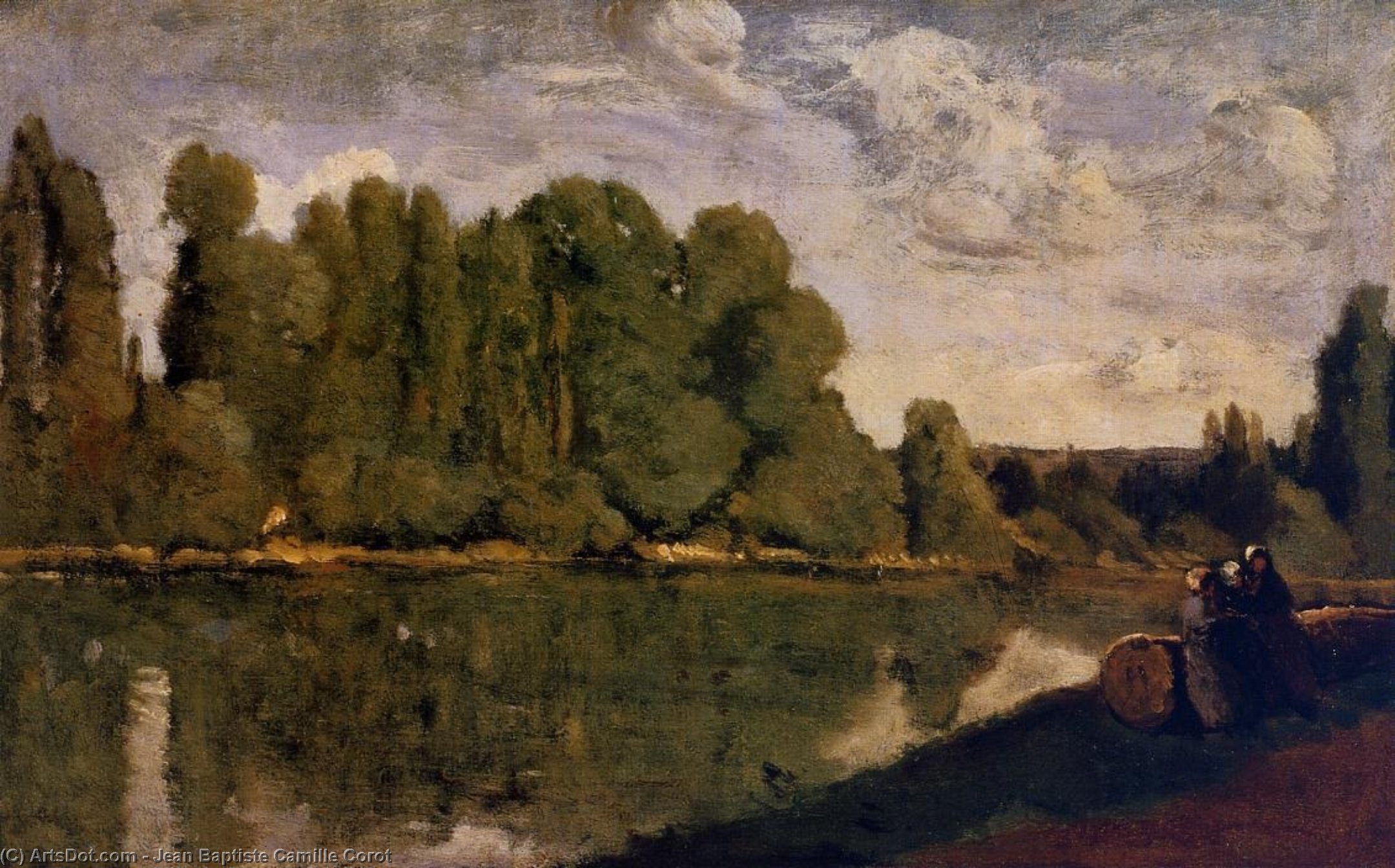
The Rhone - Three Women on the Riverbank Seated on a Tree Trunk


 Ver más
Adquiera una imagen digital de alta resolución y optimizada, muy superior a la vista previa en línea.
Cada archivo es preparado meticulosamente por nuestros especialistas internos mediante el uso de herramientas avanzadas y un experto retoque manual. Nos aseguramos de que cada imagen posea una claridad excepcional, una precisión cromática impecable y un detalle minucioso.
El archivo final se entrega por correo electrónico en un plazo de 72 horas, optimizado para su uso inmediato en entornos profesionales, editoriales y de impresión. Esta es la misma calidad en la que confían los estudios de diseño, las editoriales y las galerías de primer nivel.
Imagen Digital
Descarga un archivo de alta resolución para exhibición personal, impresión y proyectos creativos. ( Comprar impresión Comprar pintura hecha a mano)
Incluido en cada pedido de imágenes digitales
Entrega digital experta, garantizada.
Al elegir ArtsDot.com, no solo está adquiriendo una imagen; está recibiendo una obra de arte digital mejorada profesionalmente, elaborada con precisión y respaldada por una garantía de satisfacción. Esto es todo lo que incluye su pedido, automáticamente:

Entrega rápida por email
Recibirá su archivo de imagen digital en alta resolución por correo electrónico en un plazo de 72 horas tras realizar su pedido, listo para su uso inmediato.

Archivo digital optimizado por IA
Su obra de arte se optimiza profesionalmente mediante herramientas avanzadas de IA y edición manual, garantizando el máximo detalle, claridad y precisión cromática.

Reenvío gratuito de por vida
¿Has borrado o perdido tu archivo por error? No te preocupes: te lo volveremos a enviar en cualquier momento, sin coste adicional.

Sin gastos de importación, siempre
Disfrute de su obra de arte al instante sin aduanas, aranceles ni gastos de envío; las descargas digitales siempre están libres de impuestos.

Garantía de fidelidad de color
Garantizamos que su imagen digital refleje los colores originales con la mayor fidelidad posible, mediante el uso de herramientas profesionales y gestión del color.

Garantía de satisfacción de 60 días
Si no está satisfecho con su imagen digital, la revisaremos o le reembolsaremos el 100% en un plazo de 60 días, sin preguntas.

100% Garantía de devolución de dinero
¿No está satisfecho? Obtenga un reembolso completo dentro de los 60 días posteriores a la recepción de su archivo digital, sin necesidad de explicaciones.

Descuentos por pedidos grandes
Compra 3 imágenes, ahorra 10% - Compra 5, ahorra 15% - Compra 10+, ahorra 20%. Ideal para proyectos creativos, galerías y agencias.
The Serene Reflection: Corot’s ‘The Rhone – Three Women on the Riverbank Seated on a Tree Trunk’
Jean-Baptiste-Camille Corot's “The Rhone – Three Women on the Riverbank Seated on a Tree Trunk” is more than just a landscape painting; it’s an immersion into the very soul of 19th-century French Impressionism. Created around 1850-1855, this artwork captures a fleeting moment of tranquility along the Rhone, showcasing Corot's masterful ability to translate light and atmosphere onto canvas. The scene depicts three women seated on a weathered tree trunk beside the riverbank, their presence subtly integrated into the vastness of the natural world. It’s a testament to Corot’s profound connection with nature, a connection he sought to convey through his distinctive style – one characterized by loose brushstrokes and an emphasis on capturing the ephemeral qualities of light.
A Study in Impressionistic Technique
Corot's technique is immediately recognizable. The painting isn’t defined by sharp lines or meticulous detail; instead, it relies on a deliberate layering of color and texture to evoke a sense of atmosphere. Notice the visible brushstrokes – they aren’t haphazard but carefully considered, contributing to the overall impressionistic effect. The artist skillfully employs reflections in the water, mirroring the trees and sky with remarkable accuracy, creating an illusion of depth that pulls the viewer into the scene. The muted palette—dominated by greens, browns, and blues—further enhances this sense of tranquility, suggesting an overcast day where light is diffused and soft. This deliberate choice avoids harsh contrasts, prioritizing mood over photographic realism.
Symbolism and the Human Element
Beyond its technical brilliance, “The Rhone” holds a quiet symbolic weight. The three women are not merely figures within a landscape; they represent humanity’s connection to nature – a theme central to Corot's work. Their seated posture suggests contemplation, a moment of peaceful observation amidst the grandeur of the river and surrounding foliage. The tree trunk itself becomes a point of focus, grounding the scene and subtly elevating the human presence. The composition, with its horizontal emphasis on the breadth of the river, evokes feelings of serenity and expansiveness, inviting the viewer to share in this quiet communion with nature. It’s a reminder of our place within the natural world – a theme frequently explored by Corot throughout his career.
Historical Context & Materials
Created during a pivotal moment in art history, “The Rhone” exemplifies the rise of Impressionism. Following the academic traditions of the Salon, artists like Corot were beginning to challenge established norms, prioritizing subjective experience and capturing fleeting moments rather than adhering strictly to representational accuracy. Corot almost certainly employed oil paints on canvas, meticulously building up layers of color through glazing techniques – a hallmark of his style. The use of visible brushstrokes was not an accident; it was a deliberate choice to convey the immediacy of perception, reflecting the artist’s own experience of seeing and feeling the world around him. This painting represents a significant step in the evolution of landscape art, paving the way for later Impressionist masters.
Obras relacionadas
Biografía del artista
Vida Temprana y Formación
Jean-Baptiste-Camille Corot, un renombrado pintor francés de paisajes y retratos, nació el 16 de julio de 1796 en París. Su familia, perteneciente a la burguesía, le proporcionó un entorno propicio para explorar sus inclinaciones artísticas. Inicialmente, los intereses de Corot se dirigieron hacia otros campos, pero finalmente descubrió su pasión por la pintura alrededor de 1821. Esto marcó el comienzo de su prolífica carrera, que más tarde influiría en el desarrollo del impresionismo.Trayectoria Artística y Obras Notables
La trayectoria artística de Corot se caracteriza por una mezcla de tradición neoclásica e innovaciones al aire libre (plein air). Algunas de sus obras notables incluyen:- El Reposo (óleo sobre lienzo, circa 1860s), una pieza cautivadora que muestra la maestría de Corot para capturar la esencia de la serenidad.
- Lectura Interrumpida (realismo, óleo, circa 1850s), un ejemplo conmovedor de la capacidad de Corot para retratar la vida cotidiana con profundidad y emoción.
- Agostina (realismo, óleo, circa 1860s), un impresionante retrato que ejemplifica la habilidad de Corot para capturar la esencia de sus sujetos.
Influencias y Desarrollo Artístico
Corot fue influenciado por artistas como Gaspard Davidovich Poussin y Claude Lorrain, maestros del paisaje clásico francés. Sin embargo, su propio desarrollo artístico lo llevó a alejarse de las composiciones rígidas y formales del neoclasicismo para abrazar una aproximación más libre e intuitiva al paisaje. Su adopción de la pintura plein air fue revolucionaria en su época, permitiéndole capturar directamente las condiciones atmosféricas cambiantes y la luz natural. También se le considera un precursor del impresionismo debido a su enfoque en la atmósfera, el color y la pincelada suelta.Logros e Importancia Histórica
La vasta producción de Corot ha tenido un impacto duradero en el desarrollo de la pintura de paisajes. Su innovador enfoque, combinando técnicas tradicionales con innovaciones al aire libre, allanó el camino para futuras generaciones de artistas. Aunque no fue reconocido ampliamente durante su vida, su obra ganó una mayor apreciación póstumamente y ahora se le considera una figura clave en la historia del arte francés. Corot influyó directamente a muchos artistas impresionistas como Monet, Renoir y Pissarro, quienes admiraban su capacidad para capturar la atmósfera y la luz natural. Descubra más sobre las pinturas de Jean-Baptiste-Camille Corot en ArtsDot.com: https://ArtsDot.com/@/jean-baptiste-camille-corot Aprenda más sobre el Musée Courbet en Wikipedia: https://en.wikipedia.org/wiki/mus%c3%a9e_courbet_(ornans,_france)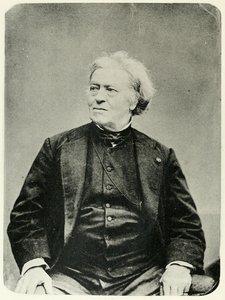
Jean-Baptiste-Camille Corot
1796 - 1875 , Francia
Breves datos
- Estilo Artístico: Neoclasicismo y Plein Air
- Influencia En Artistas: ['Impresionismo']
- Lugar De Nacimiento: París, Francia
- Nacimiento: 16 de julio de 1796
- Nacionalidad: Francesa
- Nombre Completo: Jean-Baptiste-Camille Corot
- Obras Notables:
- El Reposo
- Lectura interrumpida
- Agostina

