 Ver en contexto
 Enviar
 Compartir
 Detalles

 Descargar
 Similares
 Radiografía
 Presentación de diapositivas
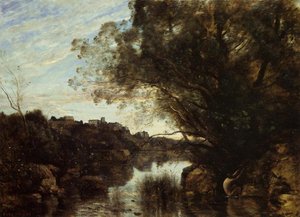
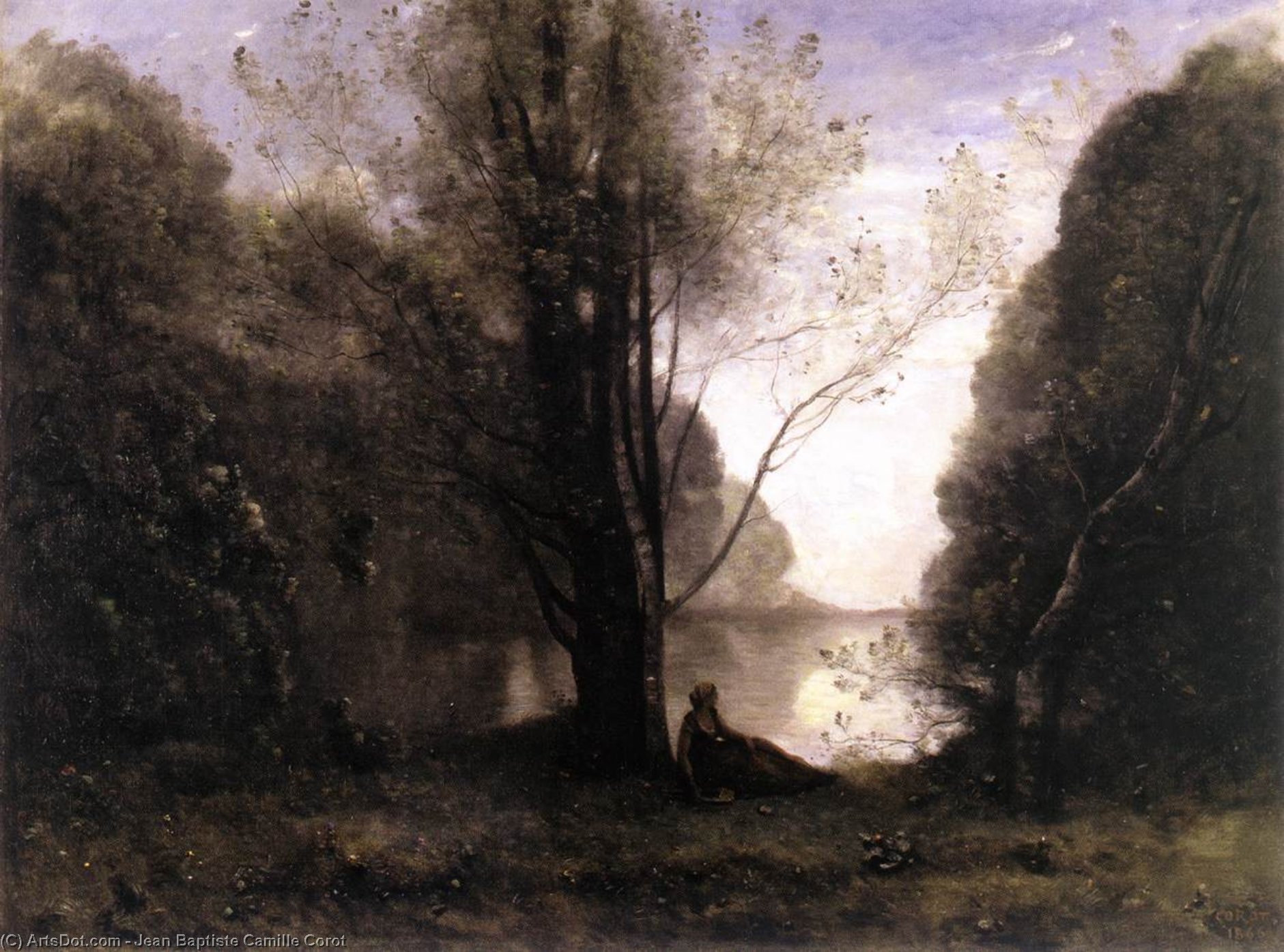
The Solitude. Recollection of Vigen, Limousin
 Acrylic On Canvas
- WallArt
- Barbizon School
 1866
1866 95.0 x 130.0 cm
 Museo Nacional Thyssen-Bornemisza
 Ver más
Giclée / Impresión de arte
Impresiones giclée o en lienzo de calidad de museo con producción rápida y opciones de acabado flexibles. ( Comprar pintura hecha a mano Comprar imagen)




P118B $10

P118H $10

P118W $10

P438Z $10

P508JH $12

P508YH $12

P805H $10

P805Z $10

P919BZ $10

P919G $10

P919XJ $10

P959ZH $10

P968JZ $12

W106C $8

W218G $10

W218JH $8

W218Y $10

W307PJ $10

W316G $10

W316PJ $8

W316Y $10

W398PJ $8

W4111J $10

W500HY $15

W500JH $15

W692G $12

W849H $8

W940BG $15

W953PJ $8




Elija entre nuestros tamaños predefinidos que respetan las proporciones originales de la obra.

Puede introducir sus propias dimensiones para adaptarse a un marco o espacio específico. Si el tamaño seleccionado no coincide con las proporciones de la imagen original, recortaremos la obra de arte o extenderemos la imagen con un borde con efecto espejo o de color sólido. Se enviará una maqueta digital para su aprobación antes de que comience la producción.
Tenga en cuenta que la vista previa en pantalla no refleja el recorte o la extensión real. Solo la maqueta mostrará con precisión la composición final.
Aunque existen tamaños personalizados, recomendamos seleccionar una dimensión de la lista predefinida para preservar las proporciones originales.
Envío a todo el mundo () en 2 semanas en lugar de las 4/5 semanas estándar. (3 septiembre)

Envío exprés gratuito a todo el mundo

Lienzo de lino de alta calidad

Seguro de envío total

Garantía de reembolso de impuestos aduaneros

Garantía de fidelidad cromática exacta

Política de devolución de 60 días (solo por defectos)

Garantía de devolución del 100% del dinero

Descuento por cantidad
 La opción de vidrio solo está disponible en tamaños inferiores a 110 cm.

The Solitude. Recollection of Vigen, Limousin
Giclée / Impresión de arte
Dimensiones de la reproducción
-


Precio total final
$ 62
A Moment of Tranquil Reflection: Exploring “The Solitude”
Jean-Baptiste-Camille Corot’s “The Solitude. Recollection of Vigen, Limousin,” painted in 1866, isn't merely a landscape; it’s an invitation to pause and contemplate the profound beauty of the natural world. This evocative work, housed within a serene composition of muted greens, blues, and greys, captures a fleeting moment of quietude—a feeling keenly felt by Corot himself, who spent much of his life immersed in the French countryside. The painting depicts a solitary figure seated beneath a venerable tree near a body of water, a scene that speaks volumes about the artist’s fascination with capturing atmospheric effects and conveying emotional resonance through subtle color variations and delicate brushwork.
Corot's artistic journey was deeply intertwined with his personal experiences. Born into a comfortable Parisian family, he spent his early years in rural L’Isle-Adam, fostering an intimate connection with nature that would profoundly influence his art. This upbringing stands in stark contrast to the bustling city life awaiting him, yet it laid the foundation for a lifelong pursuit of capturing the ephemeral qualities of light and atmosphere – a pursuit brilliantly realized in “The Solitude.” The painting reflects this early immersion, suggesting a yearning for simplicity and connection with the natural world.
Technique and Style: Bridging Neoclassicism and Impressionism
“The Solitude” exemplifies Corot’s unique artistic style, which skillfully blended elements of Neoclassical tradition with the nascent principles of Impressionism. He meticulously observed nature, translating his observations onto canvas using a technique characterized by loose, broken brushstrokes—a hallmark of his approach. Unlike the precise detailing favored by some of his contemporaries, Corot prioritized capturing the *impression* of light and atmosphere, allowing the colors to blend softly and creating an almost hazy effect. The painting’s palette is deliberately restrained, dominated by earthy tones that evoke a sense of timelessness and tranquility. The layering of paint—often applied thinly and translucent—further enhances this atmospheric quality, mimicking the way sunlight filters through foliage or reflects off water.
Corot's method involved extensive outdoor sketching – *en plein air* – which allowed him to directly observe and record the shifting qualities of light. This commitment to direct observation is evident in the painting’s subtle gradations of color and its delicate rendering of textures, from the rough bark of the tree to the shimmering surface of the water. He often worked on multiple canvases simultaneously, allowing each piece to evolve organically as he continued to observe and interpret the scene.
Symbolism and Emotional Resonance
The solitary figure seated beneath the tree is not simply a compositional element; it’s imbued with symbolic weight. It represents introspection, contemplation, and perhaps even a sense of melancholy—a feeling that resonates deeply within the painting's overall mood. The limousin landscape itself evokes a sense of timelessness and solitude, inviting the viewer to share in the figure’s quiet moment of reflection. The choice of a tree as a focal point is significant; trees have long been associated with wisdom, strength, and connection to the earth—qualities that align perfectly with the painting's themes.
Furthermore, “The Solitude” can be interpreted within the context of Corot’s personal life. Painted shortly after the death of his close friend Constant Dutilleux, the work may reflect a sense of loss and longing for connection. The muted colors and contemplative atmosphere create a poignant reminder of the beauty and fragility of life.
A Legacy of Atmospheric Landscapes
Jean-Baptiste-Camille Corot’s “The Solitude” stands as a testament to his mastery of capturing atmospheric landscapes and conveying profound emotional resonance. His innovative technique, blending Neoclassical precision with Impressionistic sensitivity, profoundly influenced generations of artists who followed. Reproductions of this iconic work offer a unique opportunity to experience the tranquility and beauty of Corot’s vision—a timeless invitation to pause, reflect, and connect with the natural world.
Obras relacionadas
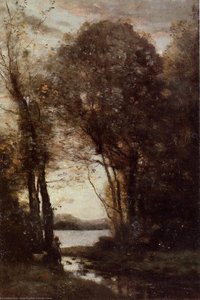
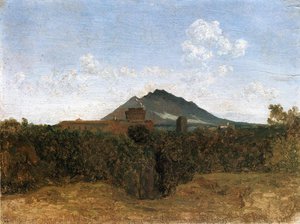
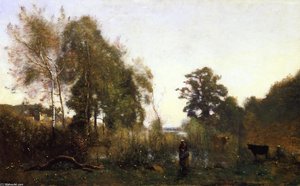
Biografía del artista
Vida Temprana y Formación
Jean-Baptiste-Camille Corot, un renombrado pintor francés de paisajes y retratos, nació el 16 de julio de 1796 en París. Su familia, perteneciente a la burguesía, le proporcionó un entorno propicio para explorar sus inclinaciones artísticas. Inicialmente, los intereses de Corot se dirigieron hacia otros campos, pero finalmente descubrió su pasión por la pintura alrededor de 1821. Esto marcó el comienzo de su prolífica carrera, que más tarde influiría en el desarrollo del impresionismo.Trayectoria Artística y Obras Notables
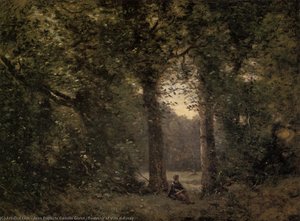
La trayectoria artística de Corot se caracteriza por una mezcla de tradición neoclásica e innovaciones al aire libre (plein air). Algunas de sus obras notables incluyen:- El Reposo (óleo sobre lienzo, circa 1860s), una pieza cautivadora que muestra la maestría de Corot para capturar la esencia de la serenidad.
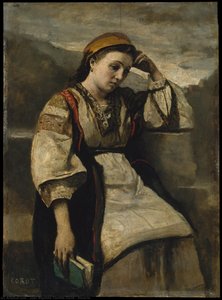
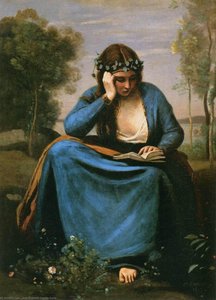
- Lectura Interrumpida (realismo, óleo, circa 1850s), un ejemplo conmovedor de la capacidad de Corot para retratar la vida cotidiana con profundidad y emoción.
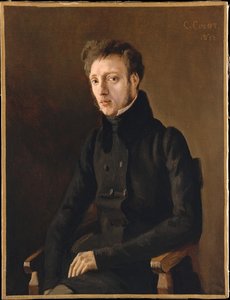
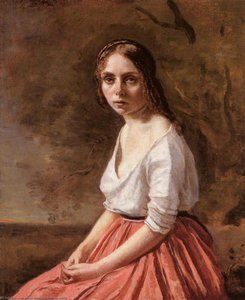
- Agostina (realismo, óleo, circa 1860s), un impresionante retrato que ejemplifica la habilidad de Corot para capturar la esencia de sus sujetos.
Influencias y Desarrollo Artístico
Corot fue influenciado por artistas como Gaspard Davidovich Poussin y Claude Lorrain, maestros del paisaje clásico francés. Sin embargo, su propio desarrollo artístico lo llevó a alejarse de las composiciones rígidas y formales del neoclasicismo para abrazar una aproximación más libre e intuitiva al paisaje. Su adopción de la pintura plein air fue revolucionaria en su época, permitiéndole capturar directamente las condiciones atmosféricas cambiantes y la luz natural. También se le considera un precursor del impresionismo debido a su enfoque en la atmósfera, el color y la pincelada suelta.Logros e Importancia Histórica
La vasta producción de Corot ha tenido un impacto duradero en el desarrollo de la pintura de paisajes. Su innovador enfoque, combinando técnicas tradicionales con innovaciones al aire libre, allanó el camino para futuras generaciones de artistas. Aunque no fue reconocido ampliamente durante su vida, su obra ganó una mayor apreciación póstumamente y ahora se le considera una figura clave en la historia del arte francés. Corot influyó directamente a muchos artistas impresionistas como Monet, Renoir y Pissarro, quienes admiraban su capacidad para capturar la atmósfera y la luz natural. Descubra más sobre las pinturas de Jean-Baptiste-Camille Corot en ArtsDot.com: https://ArtsDot.com/@/jean-baptiste-camille-corot Aprenda más sobre el Musée Courbet en Wikipedia: https://en.wikipedia.org/wiki/mus%c3%a9e_courbet_(ornans,_france)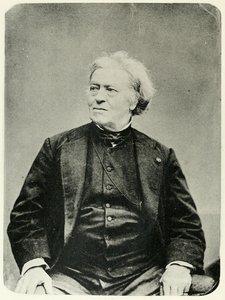
Jean-Baptiste-Camille Corot
1796 - 1875 , Francia
Datos clave
- Estilo Artístico: Neoclasicismo y Plein Air
- Influencia En Artistas: ['Impresionismo']
- Lugar De Nacimiento: París, Francia
- Nacimiento: 16 de julio de 1796
- Nacionalidad: Francesa
- Nombre Completo: Jean-Baptiste-Camille Corot
- Obras Notables:
- El Reposo
- Lectura interrumpida
- Agostina
Artículos relacionados
Serene Visions: Exploring Themes of Tranquility in Art History & Contemporary Practice
Explore the history of serene landscape art & discover artists who evoke tranquility. Find the perfect calming artwork for your home with expert guidance from ArtsDot.

John Constable: Las 25 Obras Maestras del Paisaje Inglés | ArtsDot
Descubre las 25 obras maestras de John Constable, el pintor romántico inglés que capturó la belleza del paisaje. Explora su técnica, historia y significado en ArtsDot.com. Reproducciones de arte de alta calidad para tu hogar.
Serenity Embodied: Exploring Representations of Tranquility in Art History
Explore the history of tranquility in art with ArtsDot. Discover serene landscapes by Cole, Corot, Van Gogh & more. Find paintings that evoke peace and create a calming atmosphere in your home.
10 Obras Maestras que Evocan la Serenidad: Arte para un Hogar Tranquilo
Descubre 10 obras maestras de Monet, Van Gogh y más que evocan la serenidad. Explora el arte impresionista, paisajes zen y lienzos relajantes para un hogar tranquilo. Reproducciones de museo en ArtsDot.com.
Evoking Tranquility: A Study of Serene Beauty in Visual Art Across Historical Movements
Explore the history of serene art & discover how landscape paintings evoke tranquility across movements. Find inspiration for calming home decor & museum-quality reproductions at ArtsDot.