 Ver en contexto
 Enviar
 Compartir
 Detalles

 Descargar
 Similares
 Radiografía
 Presentación de diapositivas
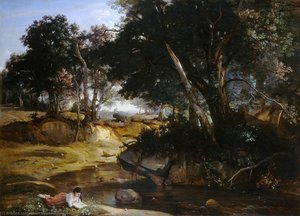
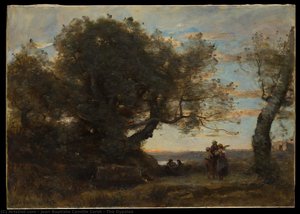
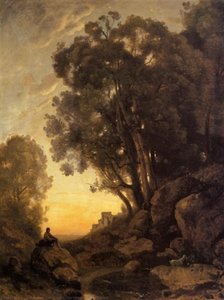
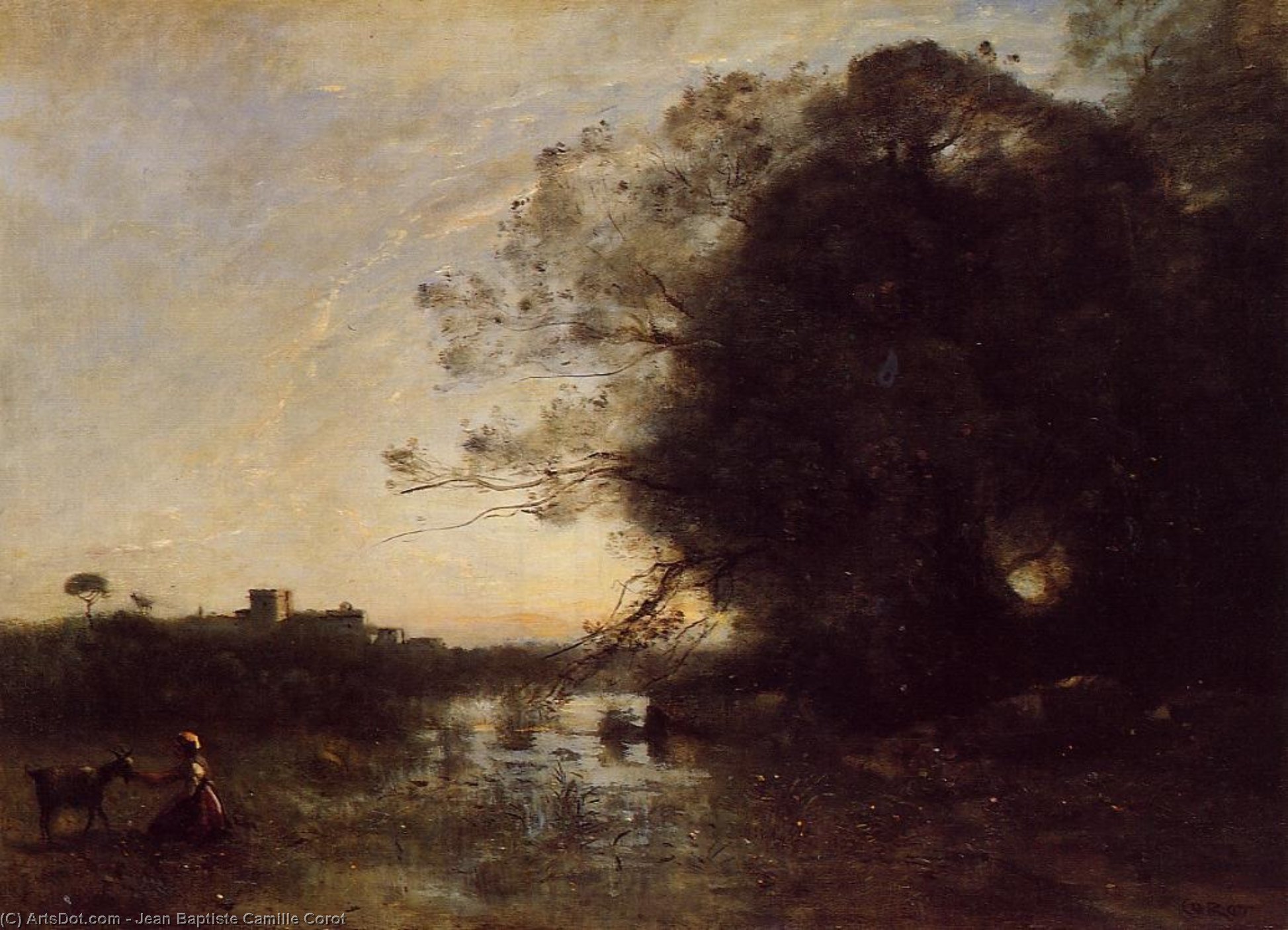
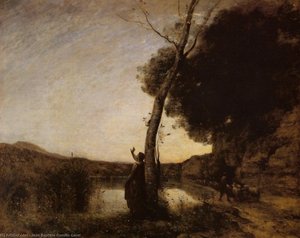
The Swamp by the Large Tree with a Goatherd


 Ver más
Reproducción al óleo hecha a mano
Óleo sobre lienzo pintado a mano en el tamaño y marco de su elección, realizado por encargo por nuestros artistas. ( Comprar impresión Comprar imagen)




P118B $10

P118H $10

P118W $10

P438Z $10

P508JH $12

P508YH $12

P805H $10

P805Z $10

P919BZ $10

P919G $10

P919XJ $10

P959ZH $10

P968JZ $12

W106C $8

W218G $10

W218JH $8

W218Y $10

W307PJ $10

W316G $10

W316PJ $8

W316Y $10

W398PJ $8

W4111J $10

W500HY $15

W500JH $15

W692G $12

W849H $8

W940BG $15

W953PJ $8




Elija entre nuestros tamaños predefinidos que respetan las proporciones originales de la obra.

Puede ingresar sus propias dimensiones para adaptarse a un marco o espacio específico. Si el tamaño seleccionado no coincide con las proporciones de la imagen original, recortaremos la obra o extenderemos la pintura con elementos adicionales pintados a mano. Se le enviará una maqueta digital para su aprobación antes de comenzar la producción.
Tenga en cuenta que la vista previa en pantalla no refleja el recorte o la extensión reales. Solo la maqueta mostrará con precisión la composición final.
Si bien existen tamaños personalizados, recomendamos seleccionar una dimensión de la lista predefinida para preservar las proporciones originales.
Tras realizar el pedido, el equipo de ArtsDot.com enviará un correo electrónico al cliente para solicitar instrucciones y proporcionarle una vista previa del boceto.
Envío a todo el mundo () en 3-4 semanas en lugar de las 5 semanas estándar. (26 agosto). Sin comprometer la calidad.

Envío exprés gratuito a todo el mundo

Lienzo de lino de alta calidad

Seguro de envío total

Garantía de reembolso de impuestos aduaneros

Garantía de fidelidad cromática exacta

Política de devolución de 60 días (solo por defectos)

Garantía de devolución del 100% del dinero

Descuento por cantidad
 La opción de vidrio solo está disponible en tamaños inferiores a 110 cm.

The Swamp by the Large Tree with a Goatherd
Técnica de reproducción
Dimensiones de la reproducción
-


Precio total final
$ 263
Descripción de la obra
A Moment Frozen in Time: Exploring Jean-Baptiste Camille Corot’s “The Swamp by the Large Tree with a Goatherd”
Jean-Baptiste-Camille Corot's "The Swamp by the Large Tree with a Goatherd" isn’t merely a depiction of a rural landscape; it’s an embodiment of Romantic idealism distilled onto canvas. Painted circa 1850, this serene tableau captures a fleeting glimpse into the French countryside—a scene imbued with profound symbolic resonance and executed with masterful Impressionistic brushstrokes that continue to captivate viewers today. Examining Corot's artistic journey reveals a remarkable convergence of influences shaping his distinctive style and cementing his place as one of the foremost landscape painters of his era.The Artist’s Vision: Childhood Roots in Tranquility
Corot’s formative years were unlike many of his contemporaries. Unlike artists who honed their skills within formal academies, Corot experienced a childhood steeped in rural solitude. Sent to reside with his nurse near L’Isle-Adam at the tender age of four, he developed an unparalleled sensitivity to the rhythms and textures of nature—a connection that would permeate every subsequent artwork. This early exposure fostered not only observational prowess but also a deep appreciation for capturing the subtle nuances of light and atmosphere – qualities that would become central to Corot’s artistic philosophy and ultimately propel him toward groundbreaking innovations in landscape painting.Neo-Classical Echoes & Impressionistic Breakthrough
Despite his profound connection with nature, Corot's artistic training initially leaned towards Neo-Classical conventions. Influenced by artists like Ingres and David, he mastered the meticulous rendering of form and detail—a technique honed through rigorous studio practice. However, Corot swiftly transcended these stylistic boundaries, embracing the burgeoning Impressionist movement spearheaded by Monet and Renoir. He skillfully blended classical precision with plein-air painting methods, achieving a luminous quality that prioritized capturing immediate visual sensations rather than striving for photographic accuracy. This masterful synthesis exemplifies Corot’s genius: he honored tradition while simultaneously forging new artistic paths.Symbolism Within Simplicity: The Landscape as Meditation
“The Swamp by the Large Tree with a Goatherd” transcends mere topographical representation; it speaks to deeper themes of contemplation and harmony. The expansive swamp, rendered in muted greens and browns, symbolizes not just physical terrain but also the subconscious mind—a space where anxieties dissipate and inner peace prevails. The solitary goatherd, positioned prominently amidst the foliage, embodies resilience and acceptance of life’s natural cycles. Furthermore, the towering tree serves as a focal point, representing strength and permanence against which the ephemeral beauty of the swamp is contrasted. Corot's deliberate compositional choices invite viewers to pause and consider the profound interconnectedness between humanity and the environment.Technique & Texture: Capturing Light’s Dance
Corot achieved his signature luminous effect through a technique characterized by layering thin washes of pigment—a method known as glazing—over an underpainting built up in stages. This painstaking process allowed him to build up tonal depth and create subtle variations in color, mimicking the way sunlight filters through leaves and branches. The resulting surface texture is remarkably tactile; viewers can almost feel the coolness of the damp earth and the roughness of the tree bark. Corot’s meticulous attention to detail—particularly his masterful handling of light—elevates “The Swamp by the Large Tree with a Goatherd” beyond mere visual pleasure, transforming it into an immersive experience that resonates with the viewer's senses.Emotional Resonance: A Legacy of Tranquility
Ultimately, Corot’s masterpiece communicates a powerful emotional message: a celebration of unspoiled beauty and a reminder of our connection to the natural world. The painting evokes feelings of serenity, solitude, and wonder—qualities that continue to inspire artists and collectors alike. Reproductions of “The Swamp by the Large Tree with a Goatherd” offer an opportunity to bring this timeless vision into any interior space, fostering contemplation and enriching one’s appreciation for the enduring power of landscape art.Obras relacionadas

Biografía del artista
Vida Temprana y Formación
Jean-Baptiste-Camille Corot, un renombrado pintor francés de paisajes y retratos, nació el 16 de julio de 1796 en París. Su familia, perteneciente a la burguesía, le proporcionó un entorno propicio para explorar sus inclinaciones artísticas. Inicialmente, los intereses de Corot se dirigieron hacia otros campos, pero finalmente descubrió su pasión por la pintura alrededor de 1821. Esto marcó el comienzo de su prolífica carrera, que más tarde influiría en el desarrollo del impresionismo.Trayectoria Artística y Obras Notables
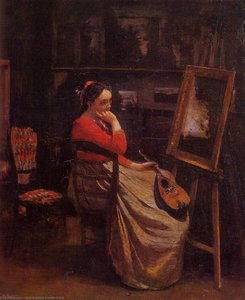
La trayectoria artística de Corot se caracteriza por una mezcla de tradición neoclásica e innovaciones al aire libre (plein air). Algunas de sus obras notables incluyen:- El Reposo (óleo sobre lienzo, circa 1860s), una pieza cautivadora que muestra la maestría de Corot para capturar la esencia de la serenidad.
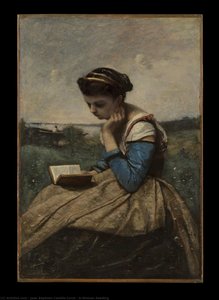
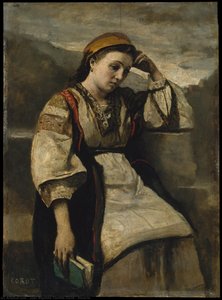
- Lectura Interrumpida (realismo, óleo, circa 1850s), un ejemplo conmovedor de la capacidad de Corot para retratar la vida cotidiana con profundidad y emoción.
- Agostina (realismo, óleo, circa 1860s), un impresionante retrato que ejemplifica la habilidad de Corot para capturar la esencia de sus sujetos.
Influencias y Desarrollo Artístico
Corot fue influenciado por artistas como Gaspard Davidovich Poussin y Claude Lorrain, maestros del paisaje clásico francés. Sin embargo, su propio desarrollo artístico lo llevó a alejarse de las composiciones rígidas y formales del neoclasicismo para abrazar una aproximación más libre e intuitiva al paisaje. Su adopción de la pintura plein air fue revolucionaria en su época, permitiéndole capturar directamente las condiciones atmosféricas cambiantes y la luz natural. También se le considera un precursor del impresionismo debido a su enfoque en la atmósfera, el color y la pincelada suelta.Logros e Importancia Histórica
La vasta producción de Corot ha tenido un impacto duradero en el desarrollo de la pintura de paisajes. Su innovador enfoque, combinando técnicas tradicionales con innovaciones al aire libre, allanó el camino para futuras generaciones de artistas. Aunque no fue reconocido ampliamente durante su vida, su obra ganó una mayor apreciación póstumamente y ahora se le considera una figura clave en la historia del arte francés. Corot influyó directamente a muchos artistas impresionistas como Monet, Renoir y Pissarro, quienes admiraban su capacidad para capturar la atmósfera y la luz natural. Descubra más sobre las pinturas de Jean-Baptiste-Camille Corot en ArtsDot.com: https://ArtsDot.com/@/jean-baptiste-camille-corot Aprenda más sobre el Musée Courbet en Wikipedia: https://en.wikipedia.org/wiki/mus%c3%a9e_courbet_(ornans,_france)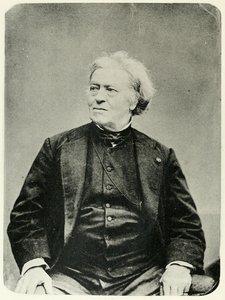
Jean-Baptiste-Camille Corot
1796 - 1875 , Francia
Datos clave
- Estilo Artístico: Neoclasicismo y Plein Air
- Influencia En Artistas: ['Impresionismo']
- Lugar De Nacimiento: París, Francia
- Nacimiento: 16 de julio de 1796
- Nacionalidad: Francesa
- Nombre Completo: Jean-Baptiste-Camille Corot
- Obras Notables:
- El Reposo
- Lectura interrumpida
- Agostina