

 Vista previa
 Compartir
 Compartir
 Ver detalles

 Descargar
 Ver similares
 Radiografía
 Presentación de diapositivas
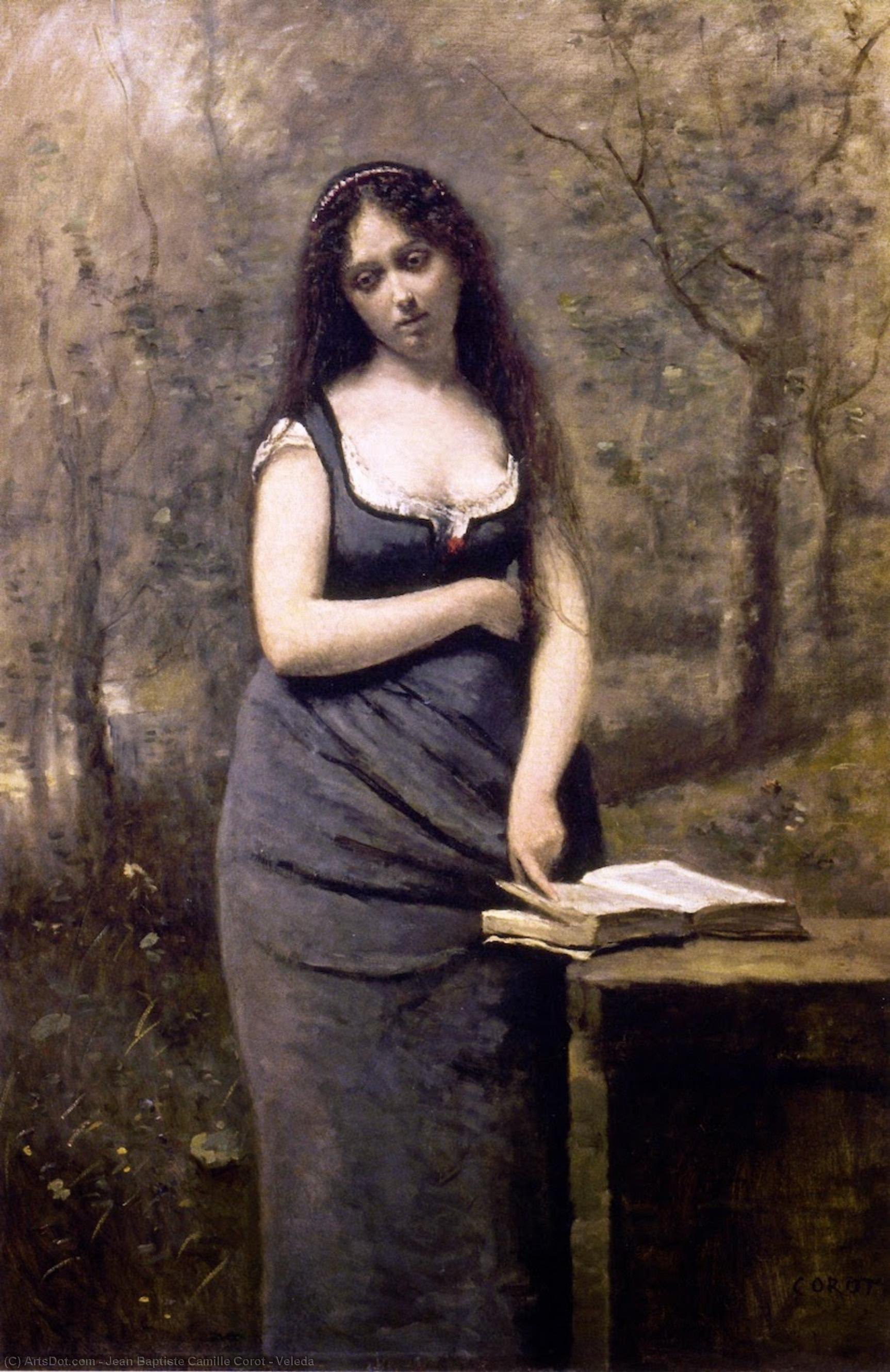
Veleda


 Leer más
Adquiera una imagen digital de alta resolución y optimizada, muy superior a la vista previa en línea.
Cada archivo es preparado meticulosamente por nuestros especialistas internos mediante el uso de herramientas avanzadas y un experto retoque manual. Nos aseguramos de que cada imagen posea una claridad excepcional, una precisión cromática impecable y un detalle minucioso.
El archivo final se entrega por correo electrónico en un plazo de 72 horas, optimizado para su uso inmediato en entornos profesionales, editoriales y de impresión. Esta es la misma calidad en la que confían los estudios de diseño, las editoriales y las galerías de primer nivel.
Imagen Digital
Descarga un archivo de alta resolución para exhibición personal, impresión y proyectos creativos. ( Pedir impresión Encargar reproducción pintada a mano)
Incluido en cada compra de imágenes digitales
Entrega digital experta, garantizada.
Al elegir ArtsDot.com, no solo está adquiriendo una imagen; está recibiendo una obra de arte digital mejorada profesionalmente, elaborada con precisión y respaldada por una garantía de satisfacción. Esto es todo lo que incluye su pedido, automáticamente:

Entrega rápida por email
Recibirá su archivo de imagen digital en alta resolución por correo electrónico en un plazo de 72 horas tras realizar su pedido, listo para su uso inmediato.

Archivo digital optimizado por IA
Su obra de arte se optimiza profesionalmente mediante herramientas avanzadas de IA y edición manual, garantizando el máximo detalle, claridad y precisión cromática.

Reenvío gratuito de por vida
¿Has borrado o perdido tu archivo por error? No te preocupes: te lo volveremos a enviar en cualquier momento, sin coste adicional.

Sin gastos de importación, siempre
Disfrute de su obra de arte al instante sin aduanas, aranceles ni gastos de envío; las descargas digitales siempre están libres de impuestos.

Garantía de precisión de color
Garantizamos que su imagen digital refleje los colores originales con la mayor fidelidad posible, mediante el uso de herramientas profesionales y gestión del color.

Garantía de satisfacción de 60 días
Si no está satisfecho con su imagen digital, la revisaremos o le reembolsaremos el 100% en un plazo de 60 días, sin preguntas.

100% Garantía de devolución de dinero
¿No está satisfecho? Obtenga un reembolso completo dentro de los 60 días posteriores a la recepción de su archivo digital, sin necesidad de explicaciones.

Descuentos por volumen
Compra 3 imágenes, ahorra 10% - Compra 5, ahorra 15% - Compra 10+, ahorra 20%. Ideal para proyectos creativos, galerías y agencias.
Descripción del coleccionable
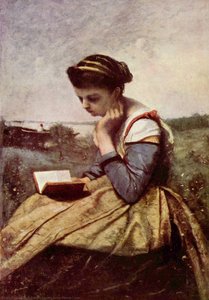
La Serenidad en la Luz: Un Retrato de Corot – *Veleda*
Jean-Baptiste-Camille Corot’s *Veleda*, painted in 1868, isn't merely a portrait; it’s an invitation to pause and contemplate the quiet beauty of a fleeting moment. The painting captures a woman immersed in reading beside a simple table outdoors, bathed in the soft, diffused light characteristic of Corot’s mature style. It’s a scene that whispers of rural tranquility, a deliberate departure from the grand narratives often favored by his contemporaries. This work exemplifies Corot's profound connection to nature, honed during his childhood spent largely away from the Parisian bustle – an experience that profoundly shaped his artistic sensibility and informed his approach to capturing atmospheric effects.
Corot’s technique is deliberately understated, eschewing dramatic brushstrokes or vibrant colors in favor of a subtle, almost melancholic palette. He employs a broken color style, layering thin washes of paint to create an illusion of depth and atmosphere. Notice how the greens and browns of the trees recede into the distance, blending seamlessly with the sky – a masterful demonstration of his ability to render light and shadow with remarkable sensitivity. The woman’s dress, rendered in muted blues and greys, further contributes to this sense of understated elegance and timelessness. The focus isn't on precise detail but rather on conveying the *feeling* of the scene: a profound sense of peace and contemplation.
El Contexto Histórico y la Influencia de la Escuela de Barbizon
*Veleda* was created during a pivotal moment in French art history – the rise of the School of Barbizon. This loosely organized group of artists, including Corot himself, rejected the academic traditions of the Salon and sought to paint directly from nature, often outdoors. They were deeply influenced by the Romantic landscape painters like Caspar David Friedrich, but they moved away from the overtly emotional and dramatic depictions of the German masters, opting instead for a more restrained and observational approach. Corot’s work embodies this shift; he captures not grand landscapes or heroic figures, but rather intimate moments within nature, inviting viewers to share in the quiet beauty of the natural world.
The Barbizon artists were particularly interested in depicting the effects of light on the landscape – a fascination that is vividly evident in *Veleda*. Corot’s use of atmospheric perspective, achieved through subtle variations in color and tone, creates a sense of depth and distance that is both realistic and evocative. He wasn't simply painting what he saw; he was attempting to capture the very essence of light itself – its warmth, its coolness, its ability to transform the appearance of everything it touches.
Simbolismo y la Figura de la Mujer
The woman reading in *Veleda* is more than just a subject; she represents an ideal of quiet contemplation and intellectual pursuit. While her identity remains deliberately ambiguous – a deliberate choice by Corot, perhaps – she embodies the values associated with the educated elite of 19th-century France. The book itself suggests a connection to knowledge, culture, and the enduring power of literature. The setting, an outdoor space shaded by trees, evokes a sense of refuge and seclusion, suggesting that this woman has found solace in her reading and in the beauty of nature.
Furthermore, Corot’s choice of subject matter – a solitary figure immersed in a simple activity – speaks to a broader cultural trend during this period. As industrialization transformed French society, there was a growing appreciation for rural life and a longing for connection with nature. *Veleda* can be interpreted as a nostalgic reflection on these lost values, a reminder of the beauty and tranquility that could still be found in the natural world.
Reproducción y su Impacto en el Diseño Interior
A high-quality reproduction of *Veleda* offers a remarkable opportunity to bring this serene scene into your home or office. ArtsDot’s meticulous hand-painted reproductions capture not only the visual details of Corot's original painting but also its emotional atmosphere and subtle nuances. The textured brushstrokes and delicate color palette are faithfully reproduced, creating a piece that is both visually stunning and deeply evocative.
Beyond its aesthetic appeal, *Veleda* can serve as a powerful element in interior design, bringing a sense of calm and sophistication to any space. Its muted tones and contemplative subject matter complement a wide range of décor styles, from classic French country to minimalist modern. Consider framing it in a simple wooden frame to enhance its rustic charm or pairing it with other landscape paintings to create a cohesive gallery wall. Let *Veleda* transport you to a moment of quiet contemplation – a timeless reminder of the beauty and serenity that can be found in the simplest of things.
Obras relacionadas
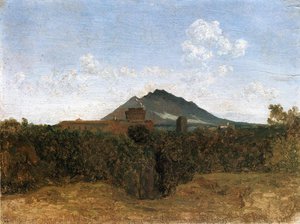
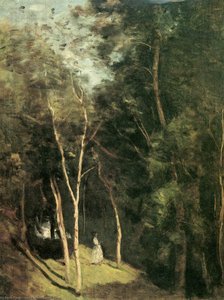
Biografía del artista
Vida Temprana y Formación
Jean-Baptiste-Camille Corot, un renombrado pintor francés de paisajes y retratos, nació el 16 de julio de 1796 en París. Su familia, perteneciente a la burguesía, le proporcionó un entorno propicio para explorar sus inclinaciones artísticas. Inicialmente, los intereses de Corot se dirigieron hacia otros campos, pero finalmente descubrió su pasión por la pintura alrededor de 1821. Esto marcó el comienzo de su prolífica carrera, que más tarde influiría en el desarrollo del impresionismo.Trayectoria Artística y Obras Notables
La trayectoria artística de Corot se caracteriza por una mezcla de tradición neoclásica e innovaciones al aire libre (plein air). Algunas de sus obras notables incluyen:- El Reposo (óleo sobre lienzo, circa 1860s), una pieza cautivadora que muestra la maestría de Corot para capturar la esencia de la serenidad.
- Lectura Interrumpida (realismo, óleo, circa 1850s), un ejemplo conmovedor de la capacidad de Corot para retratar la vida cotidiana con profundidad y emoción.
- Agostina (realismo, óleo, circa 1860s), un impresionante retrato que ejemplifica la habilidad de Corot para capturar la esencia de sus sujetos.
Influencias y Desarrollo Artístico
Corot fue influenciado por artistas como Gaspard Davidovich Poussin y Claude Lorrain, maestros del paisaje clásico francés. Sin embargo, su propio desarrollo artístico lo llevó a alejarse de las composiciones rígidas y formales del neoclasicismo para abrazar una aproximación más libre e intuitiva al paisaje. Su adopción de la pintura plein air fue revolucionaria en su época, permitiéndole capturar directamente las condiciones atmosféricas cambiantes y la luz natural. También se le considera un precursor del impresionismo debido a su enfoque en la atmósfera, el color y la pincelada suelta.Logros e Importancia Histórica
La vasta producción de Corot ha tenido un impacto duradero en el desarrollo de la pintura de paisajes. Su innovador enfoque, combinando técnicas tradicionales con innovaciones al aire libre, allanó el camino para futuras generaciones de artistas. Aunque no fue reconocido ampliamente durante su vida, su obra ganó una mayor apreciación póstumamente y ahora se le considera una figura clave en la historia del arte francés. Corot influyó directamente a muchos artistas impresionistas como Monet, Renoir y Pissarro, quienes admiraban su capacidad para capturar la atmósfera y la luz natural. Descubra más sobre las pinturas de Jean-Baptiste-Camille Corot en ArtsDot.com: https://ArtsDot.com/@/jean-baptiste-camille-corot Aprenda más sobre el Musée Courbet en Wikipedia: https://en.wikipedia.org/wiki/mus%c3%a9e_courbet_(ornans,_france)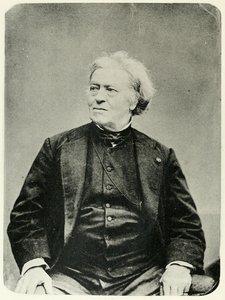
Jean-Baptiste-Camille Corot
1796 - 1875 , Francia
Datos clave
- Estilo Artístico: Neoclasicismo y Plein Air
- Influencia En Artistas: ['Impresionismo']
- Lugar De Nacimiento: París, Francia
- Nacimiento: 16 de julio de 1796
- Nacionalidad: Francesa
- Nombre Completo: Jean-Baptiste-Camille Corot
- Obras Notables:
- El Reposo
- Lectura interrumpida
- Agostina

