 Ver en contexto
 Enviar
 Compartir
 Detalles

 Descargar
 Similares
 Radiografía
 Presentación de diapositivas
Waterfall on the Romagnes


 Ver más
Reproducción al óleo hecha a mano
Óleo sobre lienzo pintado a mano en el tamaño y marco de su elección, realizado por encargo por nuestros artistas. ( Comprar impresión Comprar imagen)




P118B $10

P118H $10

P118W $10

P438Z $10

P508JH $12

P508YH $12

P805H $10

P805Z $10

P919BZ $10

P919G $10

P919XJ $10

P959ZH $10

P968JZ $12

W106C $8

W218G $10

W218JH $8

W218Y $10

W307PJ $10

W316G $10

W316PJ $8

W316Y $10

W398PJ $8

W4111J $10

W500HY $15

W500JH $15

W692G $12

W849H $8

W940BG $15

W953PJ $8




Elija entre nuestros tamaños predefinidos que respetan las proporciones originales de la obra.

Puede ingresar sus propias dimensiones para adaptarse a un marco o espacio específico. Si el tamaño seleccionado no coincide con las proporciones de la imagen original, recortaremos la obra o extenderemos la pintura con elementos adicionales pintados a mano. Se le enviará una maqueta digital para su aprobación antes de comenzar la producción.
Tenga en cuenta que la vista previa en pantalla no refleja el recorte o la extensión reales. Solo la maqueta mostrará con precisión la composición final.
Si bien existen tamaños personalizados, recomendamos seleccionar una dimensión de la lista predefinida para preservar las proporciones originales.
Tras realizar el pedido, el equipo de ArtsDot.com enviará un correo electrónico al cliente para solicitar instrucciones y proporcionarle una vista previa del boceto.
Envío a todo el mundo () en 3-4 semanas en lugar de las 5 semanas estándar. (28 agosto). Sin comprometer la calidad.

Envío exprés gratuito a todo el mundo

Lienzo de lino de alta calidad

Seguro de envío total

Garantía de reembolso de impuestos aduaneros

Garantía de fidelidad cromática exacta

Política de devolución de 60 días (solo por defectos)

Garantía de devolución del 100% del dinero

Descuento por cantidad
 La opción de vidrio solo está disponible en tamaños inferiores a 110 cm.

Waterfall on the Romagnes
Técnica de reproducción
Dimensiones de la reproducción
-


Precio total final
$ 263
Jean-Baptiste-Camille Corot’s Serene Vision of Nature
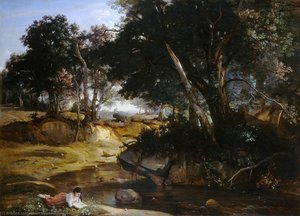
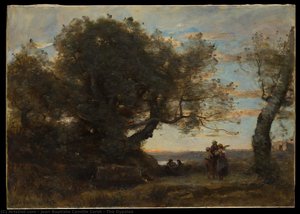
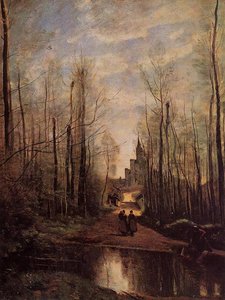
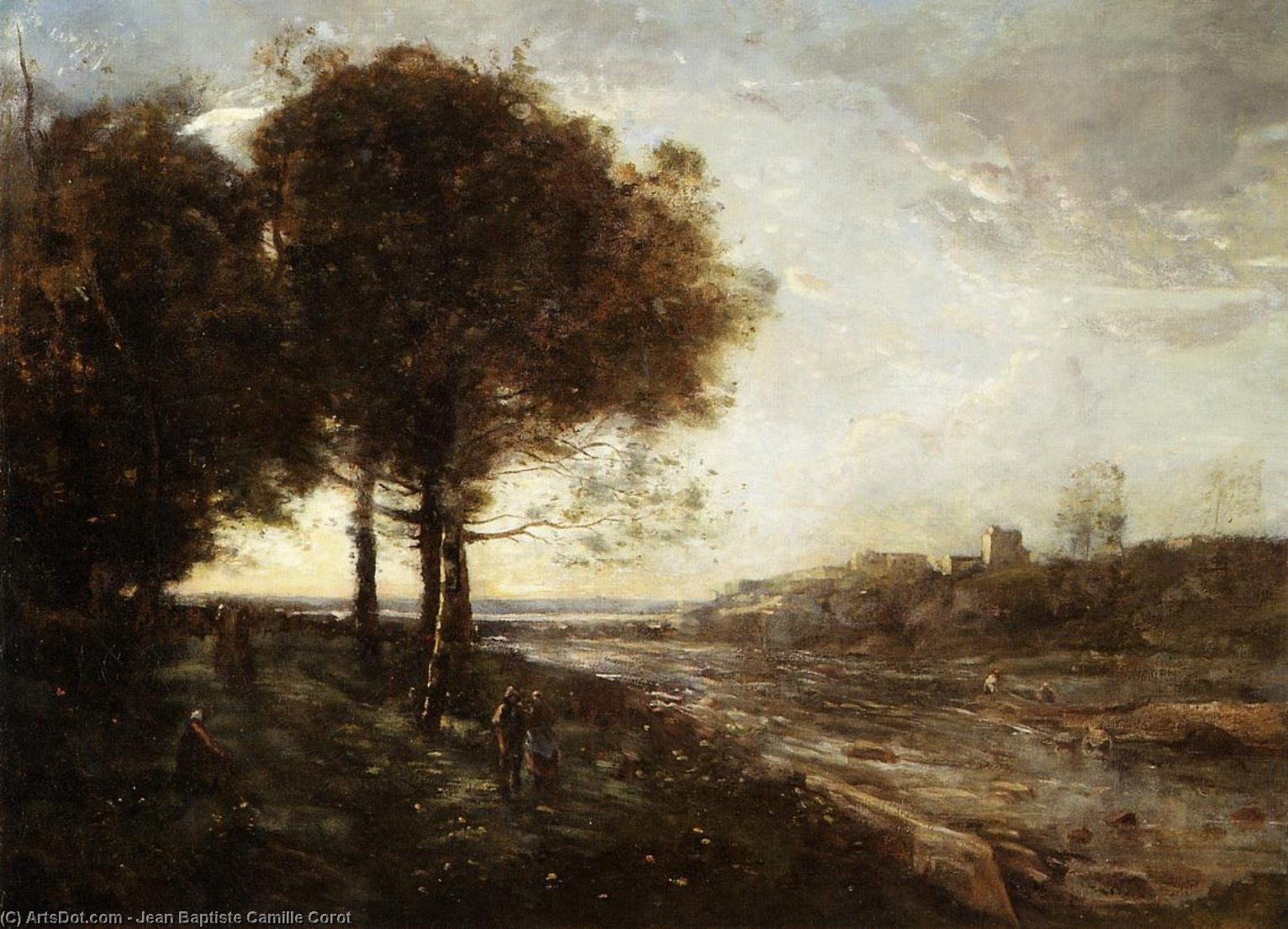
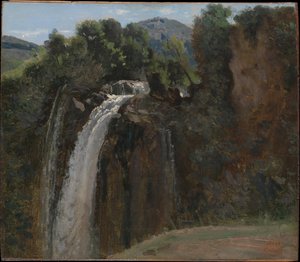
The painting before us, tentatively titled “Waterfall on the Romagnes,” offers a profound meditation on the beauty and tranquility of the natural world – a hallmark of the work of Jean-Baptiste-Camille Corot. Executed in 1872, this oil on canvas captures a fleeting moment within a landscape that embodies the core tenets of Corot’s artistic philosophy: an unwavering devotion to observation, a masterful understanding of light and atmosphere, and a deliberate rejection of grand narrative or overtly emotional expression.
Corot's approach was revolutionary for his time. He eschewed the academic conventions of the Salon, prioritizing direct engagement with nature over idealized representations. Rather than imposing a preconceived notion of beauty, he sought to faithfully record what he saw – the subtle shifts in color, the textures of bark and stone, the play of light on water. This commitment is immediately evident in the painting’s remarkably understated palette; muted greens, browns, and blues dominate, creating a sense of quiet contemplation. The composition itself is deceptively simple: a cascading waterfall framed by a dense grove of trees, yet within this apparent simplicity lies a remarkable degree of technical skill – particularly in Corot's ability to render the illusion of depth through atmospheric perspective, drawing the viewer’s eye into the heart of the scene.
The Romagnes and the Pursuit of Atmospheric Impressionism
The location depicted, the Romagnes, was a region deeply familiar to Corot. He spent considerable time in this area of Auvergne, France, meticulously studying its geological formations and diverse vegetation. This sustained engagement allowed him to develop an unparalleled sensitivity to local conditions – a crucial element in his artistic practice. The painting isn’t merely a depiction of a waterfall; it's a testament to Corot’s deep understanding of the land itself. The scene anticipates the developments of Impressionism, though Corot predates its formal emergence. He was already employing techniques—such as broken brushstrokes and an emphasis on capturing fleeting moments of light—that would later become central to the movement.
Notice the careful rendering of the water – not as a solid mass, but as a series of shimmering reflections and translucent planes. This technique, combined with the subtle gradations in tone, creates a remarkable sense of movement and fluidity. The trees, rendered with loose, expressive brushstrokes, contribute to the overall feeling of naturalism, suggesting a timelessness that transcends any specific moment in time.
Symbolic Resonance: Nature as Spiritual Sanctuary
Corot’s landscapes were not simply picturesque scenes; they possessed a profound symbolic resonance. For him, nature represented a refuge from the anxieties and complexities of modern life – a place where one could reconnect with something essential and enduring. The waterfall itself is often interpreted as a symbol of renewal and transformation, its ceaseless flow representing the cyclical nature of existence. The presence of figures within the scene adds another layer to this interpretation; they are not presented as active participants in the landscape but rather as silent observers, absorbed in the beauty and serenity of the natural world.
Furthermore, Corot’s work aligns with a broader Romantic sensibility – a belief in the power of nature to inspire awe and reverence. His paintings invite us to contemplate our place within the vastness of the universe, fostering a sense of humility and wonder.
A Legacy of Quiet Beauty
“Waterfall on the Romagnes” stands as a quintessential example of Jean-Baptiste-Camille Corot’s artistic genius. Its enduring appeal lies in its ability to evoke a profound sense of peace and tranquility, reminding us of the simple beauty that surrounds us. Reproductions of this work offer an exceptional opportunity to bring this serene vision into your home or office – a timeless testament to the power of observation and the enduring allure of the natural world.
Obras relacionadas
Biografía del artista
Vida Temprana y Formación
Jean-Baptiste-Camille Corot, un renombrado pintor francés de paisajes y retratos, nació el 16 de julio de 1796 en París. Su familia, perteneciente a la burguesía, le proporcionó un entorno propicio para explorar sus inclinaciones artísticas. Inicialmente, los intereses de Corot se dirigieron hacia otros campos, pero finalmente descubrió su pasión por la pintura alrededor de 1821. Esto marcó el comienzo de su prolífica carrera, que más tarde influiría en el desarrollo del impresionismo.Trayectoria Artística y Obras Notables
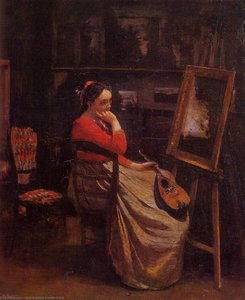
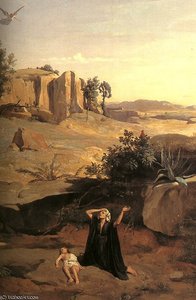
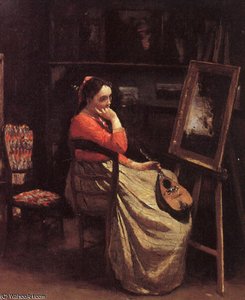
La trayectoria artística de Corot se caracteriza por una mezcla de tradición neoclásica e innovaciones al aire libre (plein air). Algunas de sus obras notables incluyen:- El Reposo (óleo sobre lienzo, circa 1860s), una pieza cautivadora que muestra la maestría de Corot para capturar la esencia de la serenidad.
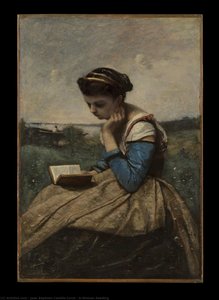
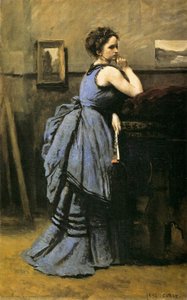
- Lectura Interrumpida (realismo, óleo, circa 1850s), un ejemplo conmovedor de la capacidad de Corot para retratar la vida cotidiana con profundidad y emoción.
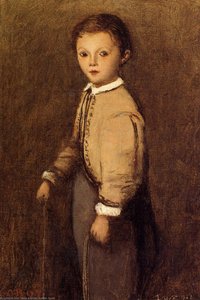
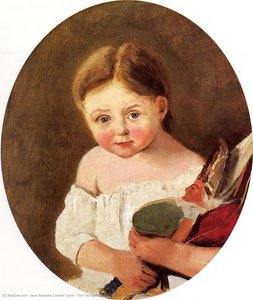
- Agostina (realismo, óleo, circa 1860s), un impresionante retrato que ejemplifica la habilidad de Corot para capturar la esencia de sus sujetos.
Influencias y Desarrollo Artístico
Corot fue influenciado por artistas como Gaspard Davidovich Poussin y Claude Lorrain, maestros del paisaje clásico francés. Sin embargo, su propio desarrollo artístico lo llevó a alejarse de las composiciones rígidas y formales del neoclasicismo para abrazar una aproximación más libre e intuitiva al paisaje. Su adopción de la pintura plein air fue revolucionaria en su época, permitiéndole capturar directamente las condiciones atmosféricas cambiantes y la luz natural. También se le considera un precursor del impresionismo debido a su enfoque en la atmósfera, el color y la pincelada suelta.Logros e Importancia Histórica
La vasta producción de Corot ha tenido un impacto duradero en el desarrollo de la pintura de paisajes. Su innovador enfoque, combinando técnicas tradicionales con innovaciones al aire libre, allanó el camino para futuras generaciones de artistas. Aunque no fue reconocido ampliamente durante su vida, su obra ganó una mayor apreciación póstumamente y ahora se le considera una figura clave en la historia del arte francés. Corot influyó directamente a muchos artistas impresionistas como Monet, Renoir y Pissarro, quienes admiraban su capacidad para capturar la atmósfera y la luz natural. Descubra más sobre las pinturas de Jean-Baptiste-Camille Corot en ArtsDot.com: https://ArtsDot.com/@/jean-baptiste-camille-corot Aprenda más sobre el Musée Courbet en Wikipedia: https://en.wikipedia.org/wiki/mus%c3%a9e_courbet_(ornans,_france)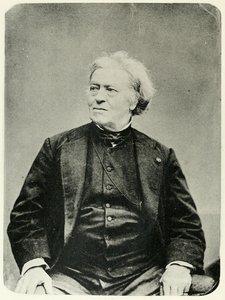
Jean-Baptiste-Camille Corot
1796 - 1875 , Francia
Datos clave
- Estilo Artístico: Neoclasicismo y Plein Air
- Influencia En Artistas: ['Impresionismo']
- Lugar De Nacimiento: París, Francia
- Nacimiento: 16 de julio de 1796
- Nacionalidad: Francesa
- Nombre Completo: Jean-Baptiste-Camille Corot
- Obras Notables:
- El Reposo
- Lectura interrumpida
- Agostina
Artículos relacionados

The Enduring Legacy of Oil on Canvas: Technique, History & Aesthetic Impact
Explore the rich history & techniques of oil painting – from Renaissance masters to Impressionism. Discover pigments, layering methods, and why this timeless medium endures. Expert insights for artists & art enthusiasts.

El Óleo sobre Lienzo: Historia, Técnica y la Persistencia de un Medio Artístico Atemporal
Descubre la historia y técnica del óleo sobre lienzo. Explora reproducciones fieles hechas a mano, personalización artística y consejos de expertos con ArtsDot. ¡Colecciona arte con confianza!

El Legado Duradero del Óleo sobre Lienzo: Técnica, Historia y Práctica Contemporánea
Descubre la historia y técnica del óleo sobre lienzo. Explora reproducciones fieles hechas a mano, personalización artística y consejos de expertos con .
Las 10 Obras Maestras al Óleo que Revolucionaron la Historia del Arte |
Descubre las 10 obras maestras al óleo que transformaron la historia del arte. Explora Van Gogh, Monet, Da Vinci y más. Reproducciones de alta calidad para decorar tu hogar con elegancia. ¡Encuentra tu obra favorita en !

Paisajes Románticos: 10 Obras Maestras que Definieron un Movimiento Artístico
Descubre los 10 paisajes románticos más influyentes de artistas como Caspar David Friedrich y Turner. Explora la belleza, el simbolismo y las técnicas del movimiento romántico. Reproducciones de arte exclusivas en ArtsDot.com.