 Ver en contexto
 Enviar
 Compartir
 Detalles

 Descargar
 Similares
 Radiografía
 Presentación de diapositivas
 Estadísticas
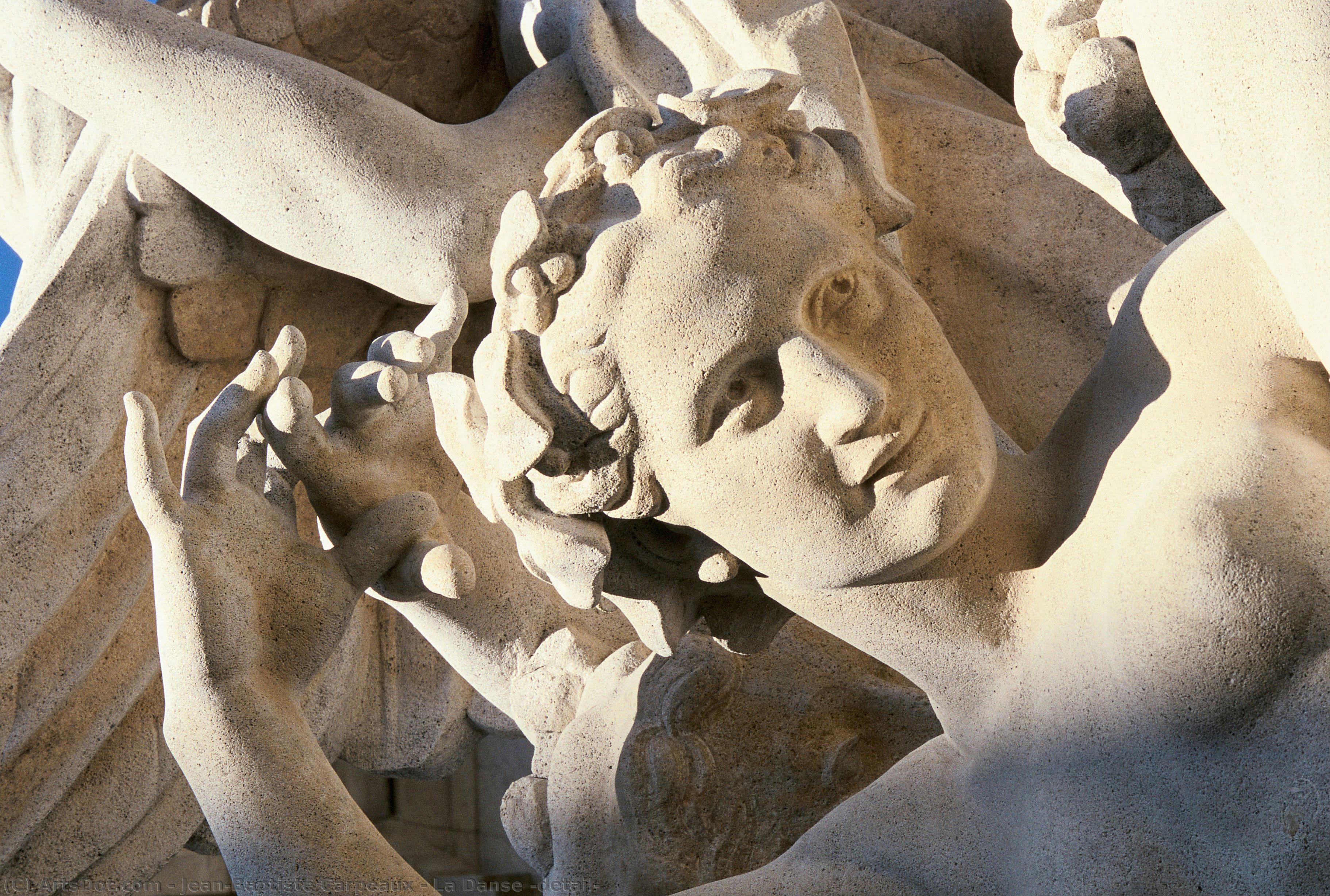
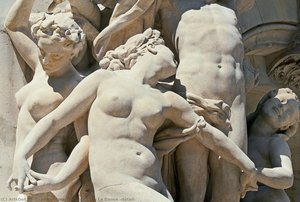
La Danse (détail)


 Ver más
Reproducción al óleo hecha a mano
Óleo sobre lienzo pintado a mano en el tamaño y marco de su elección, realizado por encargo por nuestros artistas. ( Cambiar a Impresión Cambiar a imagen digital)




P118B $10

P118H $10

P118W $10

P438Z $10

P508JH $12

P508YH $12

P805H $10

P805Z $10

P919BZ $10

P919G $10

P919XJ $10

P959ZH $10

P968JZ $12

W106C $8

W218G $10

W218JH $8

W218Y $10

W307PJ $10

W316G $10

W316PJ $8

W316Y $10

W398PJ $8

W4111J $10

W500HY $15

W500JH $15

W692G $12

W849H $8

W940BG $15

W953PJ $8

Elija entre nuestros tamaños predefinidos que respetan las proporciones originales de la obra.

Puede ingresar sus propias dimensiones para adaptarse a un marco o espacio específico. Si el tamaño seleccionado no coincide con las proporciones de la imagen original, recortaremos la obra o extenderemos la pintura con elementos adicionales pintados a mano. Se le enviará una maqueta digital para su aprobación antes de comenzar la producción.
Tenga en cuenta que la vista previa en pantalla no refleja el recorte o la extensión reales. Solo la maqueta mostrará con precisión la composición final.
Si bien existen tamaños personalizados, recomendamos seleccionar una dimensión de la lista predefinida para preservar las proporciones originales.
Tras realizar el pedido, el equipo de ArtsDot.com enviará un correo electrónico al cliente para solicitar instrucciones y proporcionarle una vista previa del boceto.
Envío a todo el mundo () en 3-4 semanas en lugar de las 5 semanas estándar. (13 septiembre). Sin comprometer la calidad.

Envío exprés gratuito a todo el mundo

Lienzo de lino de alta calidad

Seguro de envío total

Garantía de reembolso de impuestos aduaneros

Garantía de fidelidad cromática exacta

Política de devolución de 100 días (solo por defectos)

Garantía de devolución del 100% del dinero

Descuento por cantidad
 La opción de vidrio solo está disponible en tamaños inferiores a 110 cm.

La Danse (détail)
Técnica de reproducción
Dimensiones de la reproducción
-


Precio total final
$ 263
A Moment Frozen in Time: Jean-Baptiste Carpeaux’s “La Danse”
Jean-Baptiste Carpeaux's "La Danse (détail)" is not merely a sculpture; it’s a captured breath, a fleeting expression of astonishment rendered in exquisitely detailed marble. Completed around 1867, this captivating piece from the artist’s prolific output offers a rare glimpse into the heart of Romanticism and its fascination with emotion and movement. The work depicts a man – likely inspired by a figure from classical mythology or folklore – caught mid-gesture, his arms outstretched as if reacting to an unseen event. His face is frozen in a mixture of surprise and perhaps even a touch of apprehension, a potent combination that speaks volumes about the human condition.
Carpeaux’s genius lies not just in his technical skill but in his ability to imbue inanimate stone with palpable life. The surface of the marble is remarkably smooth, yet subtly textured to suggest the weight and volume of the figure. Notice the delicate rendering of the muscles beneath the skin, the slight furrowing of the brow, and the subtle shift in the angle of his head – all contribute to a sense of immediacy that draws the viewer into the sculpture’s world. The artist masterfully employed *terrazzo* technique, layering different colored marble dust within the surface to create depth and visual interest, particularly evident in the folds of the drapery and the subtle shading of the face.
The Dance Macabre: A Reflection of Mortality
“La Danse” exists within a rich artistic tradition – the “Danse Macabre,” or Dance of Death. This motif, popular during the late Middle Ages and Renaissance, served as a stark reminder of mortality’s universality. It depicted death as an equal opportunity visitor, summoning figures from all walks of life to join in a final, silent dance before their graves. Carpeaux's work echoes this theme, albeit with a more nuanced emotional register. While the Dance Macabre often presented death as a terrifying specter, “La Danse” captures a moment of genuine surprise and vulnerability – a recognition of one’s own mortality rather than an outright fear of it.
The sculpture's placement within the context of Carpeaux’s broader oeuvre—particularly his depictions of mythological figures engaged in dramatic action—further illuminates its significance. He frequently explored themes of passion, love, and loss, often portraying characters caught in moments of intense emotion. “La Danse” can be seen as a microcosm of these larger concerns, a concentrated expression of the human experience in the face of the unknown.
A Masterclass in Romantic Emotion
Carpeaux was a pivotal figure in the transition from Neoclassicism to Romanticism. Unlike the idealized forms and restrained emotions of his predecessors, Carpeaux embraced dramatic gestures, intense expressions, and a focus on capturing fleeting moments of feeling. “La Danse” exemplifies this shift perfectly. The sculpture’s power lies not in its adherence to classical rules but in its raw emotional honesty. It's a testament to the artist's ability to translate complex psychological states into tangible form.
The work’s enduring appeal stems from its ability to resonate with viewers on a deeply personal level. The figure’s expression of surprise and vulnerability is universally relatable, prompting us to contemplate our own experiences of awe, fear, and the inevitable passage of time. “La Danse (détail)” remains a powerful reminder that even in stone, art can capture the essence of human emotion with breathtaking precision.
Further Exploration & Reproduction
- Artist: Jean-Baptiste Carpeaux
- Date: c. 1867
- Museum Location (Original): Musée d'Orsay, Paris
- Wikipedia Article: https://fr.wikipedia.org/wiki/La_Danse_(Carpeaux)
- Related Work: https://en.wikipedia.org/wiki/Ugolino_and_His_Sons_%28Carpeaux%29
For those seeking a high-quality reproduction of “La Danse,” consider commissioning a hand-painted replica from ArtsDot.com, where we meticulously recreate masterpieces like this one using traditional techniques and archival materials.
Obras relacionadas


Biografía del artista
Jean-Baptiste Carpeaux: Una Biografía
- Nacido: Valenciennes, Francia (1827)
- Fallecido: 1875
Primeros Años y Desarrollo Artístico
Jean-Baptiste Carpeaux nació en Valenciennes, Francia, en 1827, en una familia de albañiles. Esta temprana exposición a la artesanía probablemente influyó en sus posteriores aspiraciones artísticas. Inicialmente estudió bajo la tutela de François Rude, un escultor prominente conocido por su trabajo en el Arco del Triunfo. En 1844, Carpeaux ingresó a la École des Beaux-Arts, perfeccionando aún más sus habilidades y desarrollando su visión artística.
Obras Destacadas y Logros Importantes
Carpeaux logró un reconocimiento significativo a lo largo de su carrera, particularmente durante el Segundo Imperio bajo Napoleón III. Su talento fue formalmente reconocido cuando ganó el Prix de Rome en 1854. Este prestigioso premio le permitió estudiar en Roma, donde se inspiró en las obras maestras de Miguel Ángel, Donatello y Verrocchio.
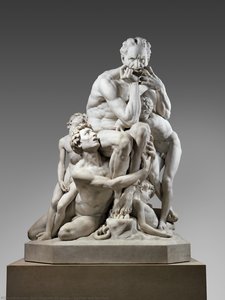
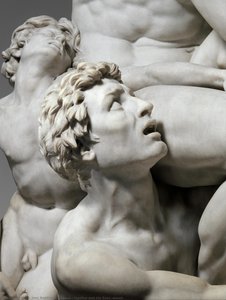
- Ugolino y sus Hijos: Una escultura poderosa y cargada de emoción que se encuentra en el Museo Metropolitano de Arte.
- Pêcheur napolitain à la coquille (Pescador Napolitano con Concha): Ubicada en el Musée du Louvre, esta obra ejemplifica su estilo naturalista.
- La Danse: Un relieve alto que adorna la fachada de la Ópera Garnier en París, mostrando movimiento dinámico y gracia.
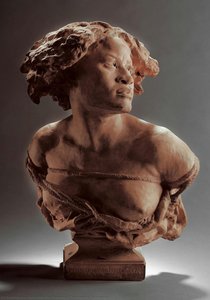
- La negress (La Negrita): Una llamativa escultura de arcilla que demuestra realismo expresivo e influencias clásicas.
Estilo e Influencias
El estilo artístico de Carpeaux se caracteriza por su naturalismo, dinamismo y profundidad emocional. Se alejó de la formalidad rígida de la escultura neoclásica, adoptando un enfoque más fluido y expresivo. Su obra refleja las sensibilidades estéticas del Segundo Imperio, que incorporaba elementos de varios estilos históricos al tiempo que utilizaba materiales modernos de manera innovadora.
- Naturalismo: Carpeaux se esforzó por representar figuras con precisión anatómica y detalle realista.
- Movimiento: Capturó hábilmente una sensación de movimiento y energía en sus esculturas, lo que lo distinguía de muchos artistas contemporáneos.
- Emoción: Sus obras están imbuídas de poderosas emociones, transmitiendo narrativas y profundidad psicológica.
Legado e Influencia
Jean-Baptiste Carpeaux falleció el 12 de octubre de 1875, pero su influencia continúa resonando en el mundo del arte. Ahora se le reconoce como uno de los escultores más importantes del siglo XIX, un precursor de Auguste Rodin, cuyo trabajo se basó en las innovaciones de Carpeaux para capturar movimiento y emoción. Sus esculturas se exhiben en museos prominentes de todo el mundo, incluido el Musée d'Orsay en París.
- Estudiantes: Entre sus alumnos notables se encontraban Jules Dalou, Jean-Louis Forain y el escultor estadounidense Olin Levi Warner.
- Precursor de Rodin: El énfasis de Carpeaux en el naturalismo y el movimiento expresivo allanó el camino para las innovadoras esculturas de Rodin.
Para obtener más información sobre Jean-Baptiste Carpeaux y sus obras, visite ArtsDot.com.
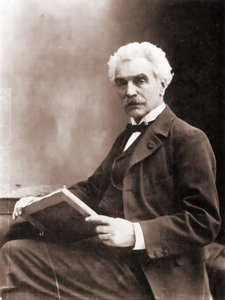
Jean-Baptiste Carpeaux
1827 - 1875 , Francia
Datos clave
- Artistas Influenciados:
- Jules Dalou
- Jean-Louis Forain
- Olin Levi Warner
- Artistas Que Influyeron:
- Miguel Ángel
- Donatello
- Verrocchio
- François Rude
- Fecha De Fallecimiento: 1875
- Fecha De Nacimiento: 1827
- Lugar De Nacimiento: Valenciennes, Francia
- Movimiento Artístico: Segunda Imperio, Realismo
- Nacionalidad: Francesa
- Nombre Completo: Jean-Baptiste Carpeaux
- Obras Notables:
- Pêcheur napolitain à la coquille
- La Danse
- Ugolino y sus hijos
- La negressa (La négresse)
Artículos relacionados
The Enduring Allure of Marble in Art History: From Classical Sculpture to Modern Abstraction
Explore the captivating history of marble sculpture from ancient Greece to modern art. Discover renowned artists like Canova & Michelangelo, carving techniques, and investment insights at ArtsDot.

Esculturas de Bronce Legendarias: 10 Obras Maestras que Transformaron el Arte | ArtsDot
Descubre las 10 esculturas de bronce más legendarias que revolucionaron el arte. Explora la historia de Rodin, Degas y otros maestros del bronce. Encuentra reproducciones de alta calidad e inspiración para tu hogar en ArtsDot.com.

Jean-Baptiste Carpeaux: Sculpting Passion & Controversy in 19th-Century France
Explore the passionate life & controversial works of Jean-Baptiste Carpeaux, a leading French sculptor of the Second Empire. Discover his realism, iconic sculptures like 'Ugolino,' and lasting legacy as a precursor to Rodin.

The Enduring Form: Sculpture Across History, Technique & Emotional Resonance
Explore the rich history of sculpture with ArtsDot. Discover key techniques, influential artists & investment potential for discerning collectors. Expert insights into valuing and collecting timeless masterpieces.

The Enduring Form: Exploring Themes & Techniques in Sculpture Across Historical Periods
Explore the rich history of sculpture from ancient masterpieces to contemporary innovations. Discover key techniques, influential artists & investment potential for discerning art collectors.