

 Enviar
 Compartir
 Detalles

 Descargar
 Similares
 Presentación de diapositivas
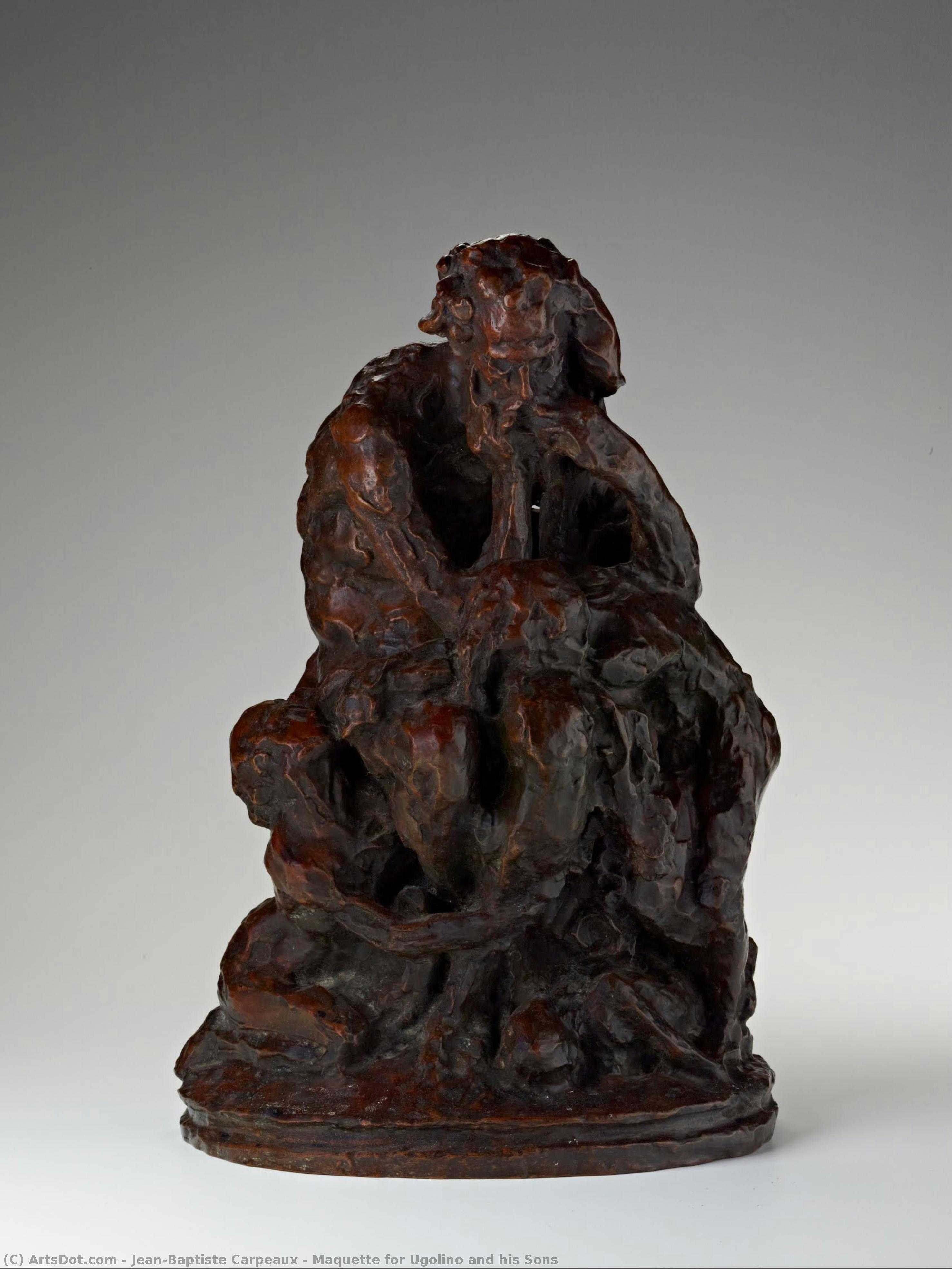
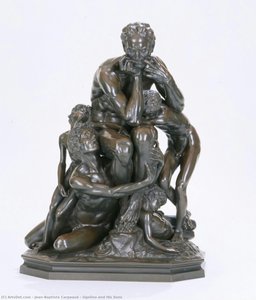
Maquette for Ugolino and his Sons


 Ver más
Reproducción al óleo hecha a mano
Óleo sobre lienzo pintado a mano en el tamaño y marco de su elección, realizado por encargo por nuestros artistas. ( Comprar impresión Comprar imagen)




































Elija entre nuestros tamaños predefinidos que respetan las proporciones originales de la obra.

Puede ingresar sus propias dimensiones para adaptarse a un marco o espacio específico. Si el tamaño seleccionado no coincide con las proporciones de la imagen original, recortaremos la obra o extenderemos la pintura con elementos adicionales pintados a mano. Se le enviará una maqueta digital para su aprobación antes de comenzar la producción.
Tenga en cuenta que la vista previa en pantalla no refleja el recorte o la extensión reales. Solo la maqueta mostrará con precisión la composición final.
Si bien existen tamaños personalizados, recomendamos seleccionar una dimensión de la lista predefinida para preservar las proporciones originales.
Tras realizar el pedido, el equipo de ArtsDot.com enviará un correo electrónico al cliente para solicitar instrucciones y proporcionarle una vista previa del boceto.
Envío a todo el mundo () en 3-4 semanas en lugar de las 5 semanas estándar. (27 agosto). Sin comprometer la calidad.

Envío exprés gratuito a todo el mundo

Lienzo de lino de alta calidad

Seguro de envío total

Garantía de reembolso de impuestos aduaneros

Garantía de fidelidad cromática exacta

Política de devolución de 60 días (solo por defectos)

Garantía de devolución del 100% del dinero

Descuento por cantidad
 La opción de vidrio solo está disponible en tamaños inferiores a 110 cm.

Maquette for Ugolino and his Sons
Técnica de reproducción
Dimensiones de la reproducción
-


Precio total final
$ 263
Descripción de la obra
A Descent into Grief: Jean-Baptiste Carpeaux’s “Maquette for Ugolino and His Sons”
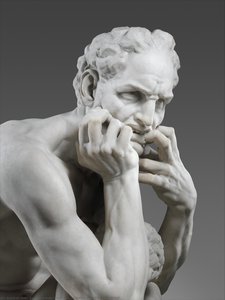
Jean-Baptiste Carpeaux's "Maquette for Ugolino and His Sons," a bronze sculpture dating back to 1858, isn’t merely a representation of a harrowing tale from Dante’s Inferno; it’s a visceral embodiment of despair, familial anguish, and the agonizing struggle for survival. This powerful piece, now housed within the collection of ArtsDot.com, offers a poignant glimpse into the artist's masterful technique and his profound understanding of human emotion – qualities that cemented Carpeaux’s place as one of the most compelling sculptors of the 19th century.
The sculpture depicts Ugolino della Gherardesca, a Pisan nobleman imprisoned with his sons and grandsons within the walls of a tower. Legend recounts how, driven to starvation, Ugolino was forced to contemplate cannibalism to sustain his family. Carpeaux doesn’t shy away from this grim reality; instead, he captures the moment of profound desperation, a pivotal point where humanity teeters on the brink of utter collapse. The composition centers around Ugolino himself – a figure rendered with remarkable anatomical detail and an almost unbearable weight of sorrow. His slumped posture, his gaunt face etched with anguish, and the desperate grip on his children convey a sense of utter defeat.
The Baroque Echoes: Technique and Material
Carpeaux’s approach to this subject matter is deeply rooted in the traditions of Baroque sculpture, particularly the works of Michelangelo. The artist meticulously studied the dynamism and emotional intensity found in Michelangelo's frescoes, notably the Last Judgment in the Sistine Chapel, seeking to emulate that same sense of dramatic movement and psychological depth. This influence is immediately apparent in the sculpture’s powerful musculature, its exaggerated gestures, and the overall feeling of unrestrained emotion. The bronze itself—a material Carpeaux expertly manipulated—contributes significantly to the work's impact. The artist utilized the lost wax casting technique, a method known for producing incredibly detailed surfaces and rich textures. Notice the subtle variations in surface sheen, the carefully rendered folds of drapery, and the palpable weight of the bronze – all elements that heighten the sculpture’s realism and emotional resonance.
Symbolism and Narrative Depth
Beyond its immediate depiction of a horrific event, “Maquette for Ugolino and His Sons” is laden with symbolic meaning. The scene represents not just the plight of a single family but also broader themes of injustice, betrayal, and the devastating consequences of power. The positioning of the children – some clinging desperately to their father’s body, others seemingly lost in their own suffering—underscores the profound sense of familial bonds shattered by circumstance. Ugolino's gaze, fixed on an unseen horizon, suggests a yearning for escape, a desperate hope that ultimately proves futile. The sculpture invites viewers to contemplate not only the specific tragedy depicted but also the universal human experience of loss, despair, and the enduring struggle against adversity.
A Window into 19th-Century France
Created in 1858, this piece reflects the artistic climate of mid-19th century France. Carpeaux’s work aligns with the Romantic movement's emphasis on emotion, drama, and the exploration of dark themes. The sculpture also speaks to the political and social context of the time – a period marked by rapid industrialization, social unrest, and a growing interest in historical narratives. Carpeaux’s decision to depict such a harrowing subject matter demonstrates his willingness to confront difficult truths and engage with the complexities of human existence. His legacy as a sculptor who captured both the physical beauty and emotional depth of the human form continues to resonate today.
Collecting a Masterpiece: Reproduction Options
ArtsDot.com offers meticulously crafted, hand-painted reproductions of “Maquette for Ugolino and His Sons,” allowing art enthusiasts to bring this iconic work into their homes or offices. These reproductions faithfully capture the sculpture’s original details, textures, and emotional intensity, providing a stunning tribute to Carpeaux's artistic vision. Whether you are an admirer of Baroque art, a collector seeking to expand your collection, or simply someone drawn to powerful imagery that evokes profound emotion, a ArtsDot.com reproduction offers a beautiful and accessible way to experience the enduring legacy of Jean-Baptiste Carpeaux.
Obras relacionadas
Biografía del artista
Jean-Baptiste Carpeaux: Una Biografía
- Nacido: Valenciennes, Francia (1827)
- Fallecido: 1875
Primeros Años y Desarrollo Artístico
Jean-Baptiste Carpeaux nació en Valenciennes, Francia, en 1827, en una familia de albañiles. Esta temprana exposición a la artesanía probablemente influyó en sus posteriores aspiraciones artísticas. Inicialmente estudió bajo la tutela de François Rude, un escultor prominente conocido por su trabajo en el Arco del Triunfo. En 1844, Carpeaux ingresó a la École des Beaux-Arts, perfeccionando aún más sus habilidades y desarrollando su visión artística.
Obras Destacadas y Logros Importantes
Carpeaux logró un reconocimiento significativo a lo largo de su carrera, particularmente durante el Segundo Imperio bajo Napoleón III. Su talento fue formalmente reconocido cuando ganó el Prix de Rome en 1854. Este prestigioso premio le permitió estudiar en Roma, donde se inspiró en las obras maestras de Miguel Ángel, Donatello y Verrocchio.
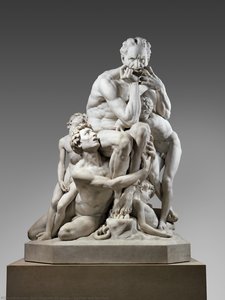
- Ugolino y sus Hijos: Una escultura poderosa y cargada de emoción que se encuentra en el Museo Metropolitano de Arte.
- Pêcheur napolitain à la coquille (Pescador Napolitano con Concha): Ubicada en el Musée du Louvre, esta obra ejemplifica su estilo naturalista.
- La Danse: Un relieve alto que adorna la fachada de la Ópera Garnier en París, mostrando movimiento dinámico y gracia.
- La negress (La Negrita): Una llamativa escultura de arcilla que demuestra realismo expresivo e influencias clásicas.
Estilo e Influencias
El estilo artístico de Carpeaux se caracteriza por su naturalismo, dinamismo y profundidad emocional. Se alejó de la formalidad rígida de la escultura neoclásica, adoptando un enfoque más fluido y expresivo. Su obra refleja las sensibilidades estéticas del Segundo Imperio, que incorporaba elementos de varios estilos históricos al tiempo que utilizaba materiales modernos de manera innovadora.
- Naturalismo: Carpeaux se esforzó por representar figuras con precisión anatómica y detalle realista.
- Movimiento: Capturó hábilmente una sensación de movimiento y energía en sus esculturas, lo que lo distinguía de muchos artistas contemporáneos.
- Emoción: Sus obras están imbuídas de poderosas emociones, transmitiendo narrativas y profundidad psicológica.
Legado e Influencia
Jean-Baptiste Carpeaux falleció el 12 de octubre de 1875, pero su influencia continúa resonando en el mundo del arte. Ahora se le reconoce como uno de los escultores más importantes del siglo XIX, un precursor de Auguste Rodin, cuyo trabajo se basó en las innovaciones de Carpeaux para capturar movimiento y emoción. Sus esculturas se exhiben en museos prominentes de todo el mundo, incluido el Musée d'Orsay en París.
- Estudiantes: Entre sus alumnos notables se encontraban Jules Dalou, Jean-Louis Forain y el escultor estadounidense Olin Levi Warner.
- Precursor de Rodin: El énfasis de Carpeaux en el naturalismo y el movimiento expresivo allanó el camino para las innovadoras esculturas de Rodin.
Para obtener más información sobre Jean-Baptiste Carpeaux y sus obras, visite ArtsDot.com.
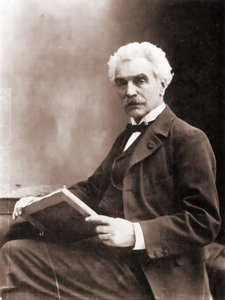
Jean-Baptiste Carpeaux
1827 - 1875 , Francia
Datos clave
- Artistas Influenciados:
- Jules Dalou
- Jean-Louis Forain
- Olin Levi Warner
- Artistas Que Influyeron:
- Miguel Ángel
- Donatello
- Verrocchio
- François Rude
- Fecha De Fallecimiento: 1875
- Fecha De Nacimiento: 1827
- Lugar De Nacimiento: Valenciennes, Francia
- Movimiento Artístico: Segunda Imperio, Realismo
- Nacionalidad: Francesa
- Nombre Completo: Jean-Baptiste Carpeaux
- Obras Notables:
- Pêcheur napolitain à la coquille
- La Danse
- Ugolino y sus hijos
- La negressa (La négresse)
Artículos relacionados

Las 10 Obras Maestras de Bronce que Revolucionaron la Historia del Arte | ArtsDot
Descubre las 10 esculturas de bronce más influyentes de la historia del arte. Explora obras maestras de Rodin, Degas y otros genios. Encuentra reproducciones de arte de calidad museo en ArtsDot.com.

Esculturas de Bronce Legendarias: 10 Obras Maestras que Transformaron el Arte | ArtsDot
Descubre las 10 esculturas de bronce más legendarias que revolucionaron el arte. Explora la historia de Rodin, Degas y otros maestros del bronce. Encuentra reproducciones de alta calidad e inspiración para tu hogar en ArtsDot.com.

The Enduring Legacy of Bronze: A Historical & Artistic Exploration for the Collector
Explore the rich history & enduring appeal of bronze sculpture with expert insights for collectors at ArtsDot. Learn about casting techniques, iconic artists, collecting tips & contemporary interpretations.

The Enduring Legacy of Bronze: History, Technique & Artistic Expression for the Collector
Explore the rich history & enduring appeal of bronze sculpture with expert insights for collectors at ArtsDot. Learn about casting techniques, iconic artists, and collecting tips.

The Enduring Legacy of Bronze Sculpture: A Collector's Guide to Form & Cultural Significance
Explore the rich history & enduring appeal of bronze sculpture with expert insights for collectors at ArtsDot. Learn about casting techniques, iconic artists, and collecting tips to build a discerning art collection.

