 Ver en contexto
 Enviar
 Compartir
 Detalles

 Descargar
 Similares
 Radiografía
 Presentación de diapositivas
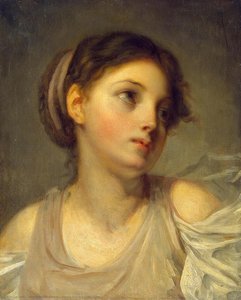
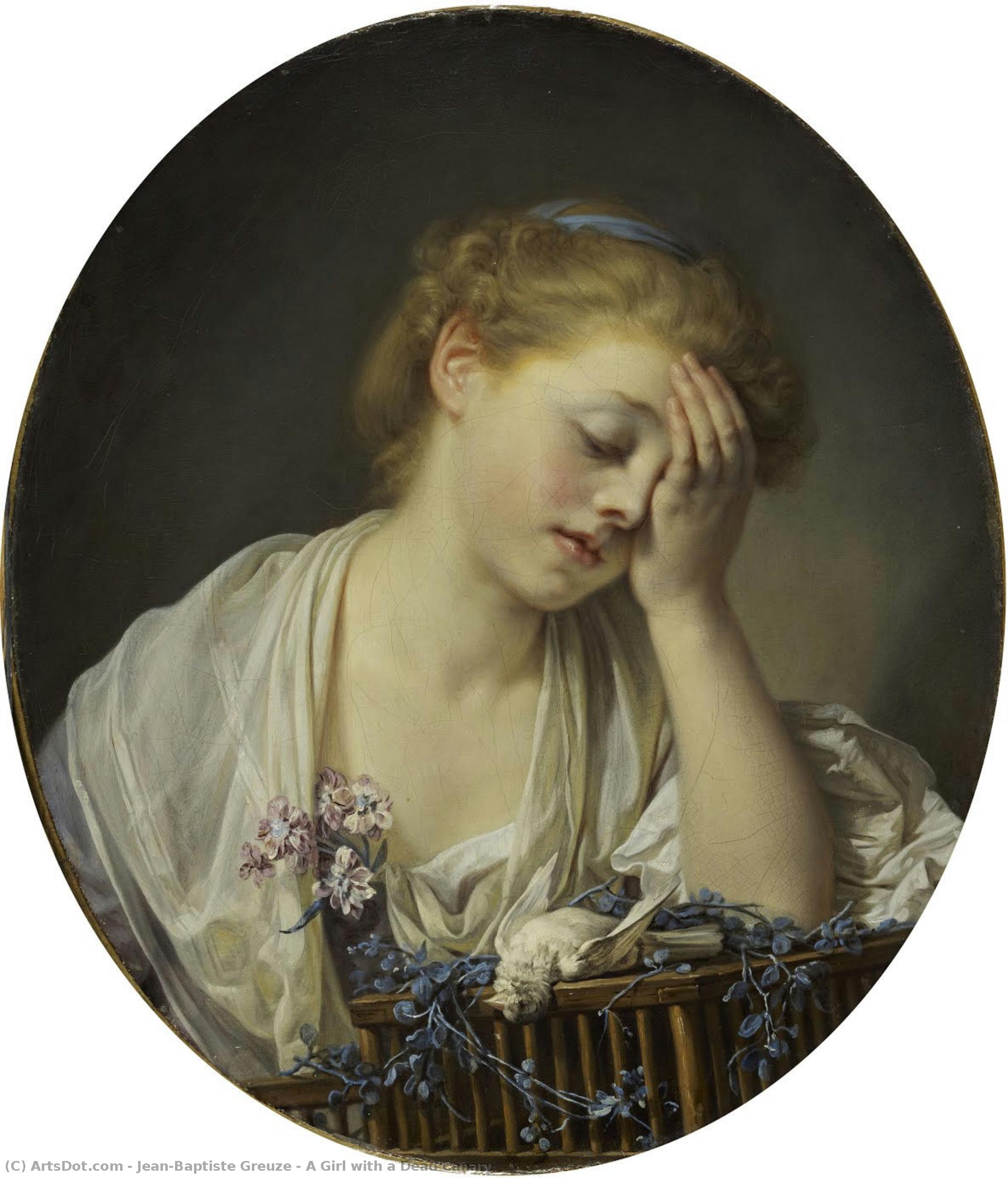
A Girl with a Dead Canary


 Ver más
Reproducción al óleo hecha a mano
Óleo sobre lienzo pintado a mano en el tamaño y marco de su elección, realizado por encargo por nuestros artistas. ( Comprar impresión Comprar imagen)




P118B $10

P118H $10

P118W $10

P438Z $10

P508JH $12

P508YH $12

P805H $10

P805Z $10

P919BZ $10

P919G $10

P919XJ $10

P959ZH $10

P968JZ $12

W106C $8

W218G $10

W218JH $8

W218Y $10

W307PJ $10

W316G $10

W316PJ $8

W316Y $10

W398PJ $8

W4111J $10

W500HY $15

W500JH $15

W692G $12

W849H $8

W940BG $15

W953PJ $8




Elija entre nuestros tamaños predefinidos que respetan las proporciones originales de la obra.

Puede ingresar sus propias dimensiones para adaptarse a un marco o espacio específico. Si el tamaño seleccionado no coincide con las proporciones de la imagen original, recortaremos la obra o extenderemos la pintura con elementos adicionales pintados a mano. Se le enviará una maqueta digital para su aprobación antes de comenzar la producción.
Tenga en cuenta que la vista previa en pantalla no refleja el recorte o la extensión reales. Solo la maqueta mostrará con precisión la composición final.
Si bien existen tamaños personalizados, recomendamos seleccionar una dimensión de la lista predefinida para preservar las proporciones originales.
Tras realizar el pedido, el equipo de ArtsDot.com enviará un correo electrónico al cliente para solicitar instrucciones y proporcionarle una vista previa del boceto.
Envío a todo el mundo () en 3-4 semanas en lugar de las 5 semanas estándar. (2 septiembre). Sin comprometer la calidad.

Envío exprés gratuito a todo el mundo

Lienzo de lino de alta calidad

Seguro de envío total

Garantía de reembolso de impuestos aduaneros

Garantía de fidelidad cromática exacta

Política de devolución de 60 días (solo por defectos)

Garantía de devolución del 100% del dinero

Descuento por cantidad
 La opción de vidrio solo está disponible en tamaños inferiores a 110 cm.

A Girl with a Dead Canary
Técnica de reproducción
Dimensiones de la reproducción
-


Precio total final
$ 263
A Portrait of Sorrow: Jean-Baptiste Greuze’s “A Girl with a Dead Canary”
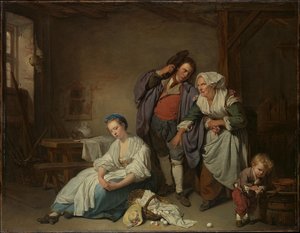
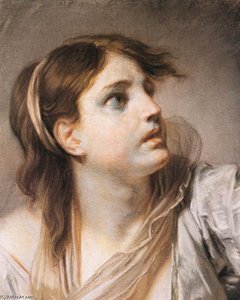
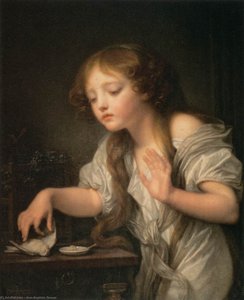
Jean-Baptiste Greuze's "A Girl with a Dead Canary" (c. 1765) is not merely a painting; it’s a distilled essence of eighteenth-century sentimentality, a poignant tableau capturing the raw vulnerability of youth and the crushing weight of loss. Painted in oil on canvas, this work immediately draws the viewer into its melancholic embrace, offering a glimpse into the world of a young woman grappling with profound grief. The scene unfolds within a modestly furnished interior – a simple room suggesting domesticity yet hinting at isolation – dominated by a pale, almost ethereal figure seated before a small table. Her posture is one of utter dejection; her hand pressed to her face, obscuring her features and conveying an overwhelming sadness. The dead canary, lying lifeless in its cage beside her, serves as the central symbol of her despair, representing not just a lost pet but perhaps also a shattered innocence or a broken connection.
A Masterclass in Sentimentalism
Greuze’s genius lay in his ability to evoke intense emotion through seemingly simple compositions and restrained color palettes. He was a pioneer of the “genre painting” style, which focused on depicting scenes from everyday life – often imbued with moral or emotional significance. Unlike the grand historical paintings favored by the Académie Royale de France, Greuze’s subjects were typically ordinary people, caught in moments of vulnerability and suffering. His technique is characterized by a meticulous attention to detail, particularly in rendering the textures of fabrics and the delicate feathers of the bird. The use of chiaroscuro – dramatic contrasts between light and shadow – further intensifies the emotional impact, highlighting the girl’s face and emphasizing her isolation within the dimly lit room. Notice how he uses subtle gradations of color to create a sense of depth and atmosphere, drawing the viewer into the scene.
Historical Context: The Rise of Sentimentality
To fully appreciate “A Girl with a Dead Canary,” it’s crucial to understand the cultural context in which it was created. The mid-18th century witnessed a burgeoning interest in sentimentality – an emphasis on emotional experience and moral instruction. The Enlightenment, while championing reason, also fostered a growing appreciation for empathy and compassion. Greuze perfectly captured this shift by portraying characters consumed by grief, guilt, or remorse. His work resonated deeply with the public, who were increasingly drawn to narratives that explored the complexities of human emotion. The painting was created during a period when societal expectations placed immense pressure on women, particularly regarding their roles as mothers and caregivers – a theme subtly present in the girl’s sorrowful expression.
Symbolism and Interpretation
Beyond the immediate depiction of grief, “A Girl with a Dead Canary” is rich in symbolic meaning. The canary itself is a potent symbol of fragility, beauty, and fleeting life – qualities that are all tragically lost in this scene. The girl’s white dress, traditionally associated with purity and innocence, further underscores her vulnerability. Some art historians suggest the painting may also be interpreted as an allegory for the loss of childhood or the disillusionment that can accompany adulthood. The closed shutters visible in the background contribute to a sense of confinement and isolation, mirroring the girl's emotional state. The overall composition invites contemplation on themes of mortality, regret, and the enduring power of sorrow.
A Timeless Portrait of Human Emotion
“A Girl with a Dead Canary” remains a profoundly moving work of art, captivating viewers centuries after its creation. Greuze’s masterful use of light, color, and composition, combined with his ability to evoke genuine emotion, ensures that this painting continues to resonate with audiences today. It is a testament to the power of art to capture the complexities of human experience and to remind us of our shared capacity for sorrow and empathy. Reproductions of this iconic piece offer a beautiful way to bring this poignant scene into any space, serving as a constant reminder of the fragility of life and the enduring strength of the human spirit.
Obras relacionadas
Biografía del artista
Primeros años y formación
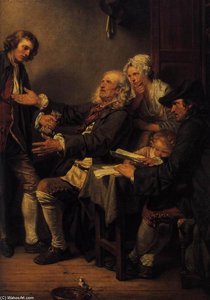
Jean-Baptiste Greuze, un pintor francés, nació el 21 de agosto de 1725 en Tournus, Borgoña. Su padre, maestro techador, inicialmente desalentó las inclinaciones artísticas de su hijo, pero eventualmente, Grandon, un artista lyones, animó a Greuze a perseguir su pasión. En 1750, Greuze se mudó a París para estudiar bajo Charles-Joseph Natoire en la Real Academia de Pintura y Escultura.Ascenso a la fama
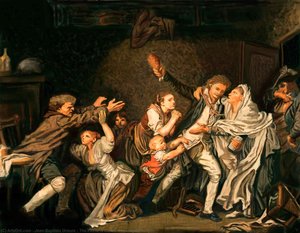
El gran avance de Greuze llegó en 1755 con su pintura *Le Père de Famille Expliquant la Bible à ses Enfants*, que fue comprada por un entusiasta del arte adinerado, Ange-Laurent Lalive de Jully. Esto llevó al reconocimiento de Greuze entre los filósofos y la comunidad artística. Luego viajó a Italia con Abbé Gougenot, donde pasó aproximadamente un año, inspirando sus futuras obras.Estilo artístico y obras notables
El estilo de Greuze se caracteriza por su enfoque en escenas de género, capturando la esencia de la vida cotidiana. Algunas obras notables incluyen:- *Una niña con un canario muerto* (Scottish National Gallery, Edimburgo), que muestra la capacidad de Greuze para evocar emociones.
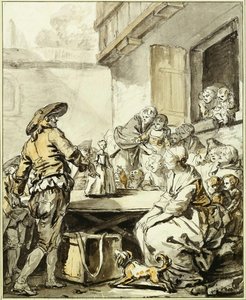
- *Saboyano con una muñeca bailarina* (Albertina, Viena), destacando su habilidad para capturar el espíritu de sus sujetos.
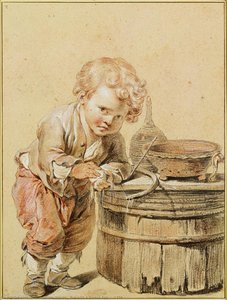
- *Niño con un huevo roto*, c. 1756 (Albertina, Viena), demostrando la temprana maestría de Greuze en la pintura de género.
Legado y vida posterior
El éxito de Greuze alcanzó su punto máximo en 1765, con trece obras expuestas en el Salón, incluyendo *La Jeune Fille qui Pleure son Oiseau Mort*, *La Bonne Mère* y *Le Mauvais Fils Puni* (Louvre). Sin embargo, su intento de transición a la pintura histórica fue recibido con críticas. Greuze falleció el 4 de marzo de 1805 en el Louvre, después de una vida marcada tanto por triunfos artísticos como por dificultades financieras.Influencias y desarrollo artístico
La obra de Greuze se desarrolló en un período de transición dentro del arte francés. Aunque inicialmente influenciado por el estilo rococó, con su énfasis en la elegancia y la sensualidad, Greuze evolucionó hacia una representación más realista y moralizante de la vida cotidiana. Se puede observar la influencia de los maestros holandeses en su atención al detalle y su enfoque en escenas domésticas. Su interés por retratar las emociones humanas, a menudo con un toque de melancolía o dramatismo, lo distingue de sus contemporáneos rococó. Su intento posterior de incursionar en la pintura histórica, aunque no fue bien recibido, refleja su deseo de ampliar su repertorio y alcanzar el prestigio asociado con este género.Significado histórico
Jean-Baptiste Greuze es recordado como un pintor clave del siglo XVIII francés, que ayudó a definir el género de la pintura de costumbres. Su capacidad para capturar momentos íntimos y transmitir mensajes morales a través de sus obras lo convirtió en un artista popular entre la burguesía de su época. Aunque su intento de pintar historia no tuvo éxito, su legado como maestro de la pintura de género sigue siendo significativo. Su obra representa una transición importante del rococó hacia el neoclasicismo, y su influencia se puede apreciar en generaciones posteriores de artistas franceses.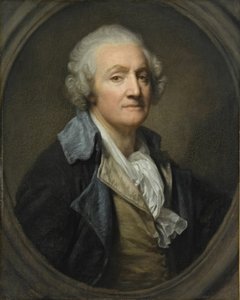
Jean-Baptiste Greuze
1725 - 1805 , Francia
Datos clave
- Artistas Influyentes:
- Charles-Joseph Natoire
- Charles Grandon
- Estilo Artístico: Rococó y género
- Fecha De Muerte: 4 de marzo de 1805
- Fecha De Nacimiento: 21 de agosto de 1725
- Lugar De Nacimiento: Tournus, Francia
- Nacionalidad: Francesa
- Nombre Completo: Jean-Baptiste Greuze
- Obras Notables:
- A Girl with a Dead Canary
- Savoyard with a Dancing Doll
- Boy with a Broken Egg
Artículos relacionados
The Visceral Language of Loss: Exploring Grief's Depiction in Art History
Explore the profound history of grief in art with ArtsDot. Discover Renaissance & Baroque masterpieces depicting loss, mourning, and faith. Expert insights & handmade reproductions available.
Echoes of Loss: Exploring Representations of Grief Across Art History
Explore the profound history of grief in art, from Renaissance masterpieces to Baroque drama. Discover how artists captured loss, mourning & faith through powerful imagery. Expert insights at ArtsDot.
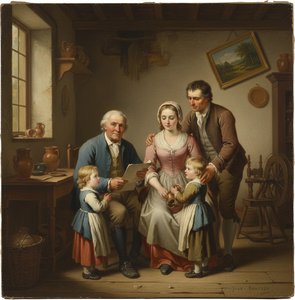
Jean-Baptiste Greuze: Morality, Sentiment & the Rise of Genre Painting
Explore the life & art of Jean-Baptiste Greuze, a pivotal French Rococo painter renowned for his emotionally resonant genre scenes and moral lessons. Discover his legacy & impact on 18th-century art history.
Echoes of Absence: Loss & Grief in Visual Art Through the Ages
Explore the profound history of grief in art, from Renaissance masterpieces to contemporary expressions. Discover how artists have captured loss, mourning, and mortality through powerful imagery & symbolism. ArtsDot offers expert insights.
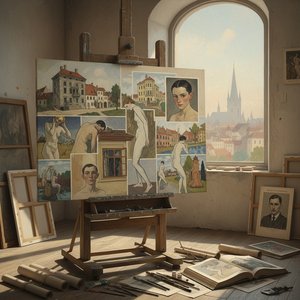
Egon Schiele: Las 25 Obras Maestras que Definen su Genio | ArtsDot
Descubre las 25 obras maestras de Egon Schiele, el expresionismo austriaco en su máxima expresión. Explora la historia, técnica y emociones detrás de cada pintura. Reproducciones de arte exclusivas en ArtsDot.com. ¡Explora la colección completa online!