

 Ver en contexto
 Enviar
 Compartir
 Detalles

 Descargar
 Similares
 Radiografía
 Presentación de diapositivas
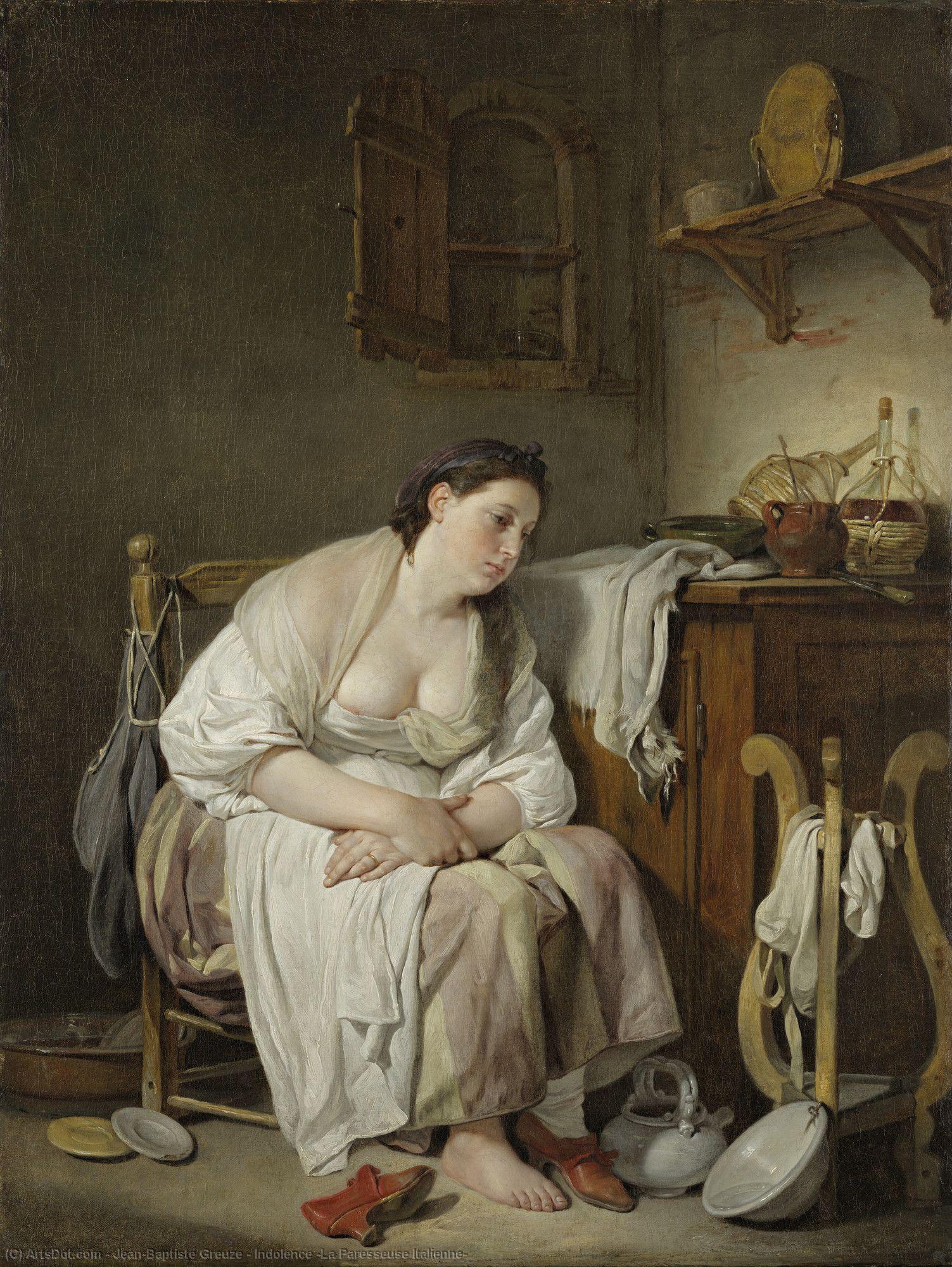
Indolence (La Paresseuse Italienne)
 Oil On Canvas
- WallArt
- Rococo Sentimentality
 1756
1756 70.0 x 49.0 cm
 Wadsworth Atheneum
 Ver más
Adquiera una imagen digital de alta resolución y optimizada, muy superior a la vista previa en línea.
Cada archivo es preparado meticulosamente por nuestros especialistas internos mediante el uso de herramientas avanzadas y un experto retoque manual. Nos aseguramos de que cada imagen posea una claridad excepcional, una precisión cromática impecable y un detalle minucioso.
El archivo final se entrega por correo electrónico en un plazo de 72 horas, optimizado para su uso inmediato en entornos profesionales, editoriales y de impresión. Esta es la misma calidad en la que confían los estudios de diseño, las editoriales y las galerías de primer nivel.
Imagen Digital
Descarga un archivo de alta resolución para exhibición personal, impresión y proyectos creativos. ( Comprar impresión Comprar pintura hecha a mano)
Incluido en cada pedido de imágenes digitales
Entrega digital experta, garantizada.
Al elegir ArtsDot.com, no solo está adquiriendo una imagen; está recibiendo una obra de arte digital mejorada profesionalmente, elaborada con precisión y respaldada por una garantía de satisfacción. Esto es todo lo que incluye su pedido, automáticamente:

Entrega rápida por email
Recibirá su archivo de imagen digital en alta resolución por correo electrónico en un plazo de 72 horas tras realizar su pedido, listo para su uso inmediato.

Archivo digital optimizado por IA
Su obra de arte se optimiza profesionalmente mediante herramientas avanzadas de IA y edición manual, garantizando el máximo detalle, claridad y precisión cromática.

Reenvío gratuito de por vida
¿Has borrado o perdido tu archivo por error? No te preocupes: te lo volveremos a enviar en cualquier momento, sin coste adicional.

Sin gastos de importación, siempre
Disfrute de su obra de arte al instante sin aduanas, aranceles ni gastos de envío; las descargas digitales siempre están libres de impuestos.

Garantía de fidelidad de color
Garantizamos que su imagen digital refleje los colores originales con la mayor fidelidad posible, mediante el uso de herramientas profesionales y gestión del color.

Garantía de satisfacción de 100 días
Si no está satisfecho con su imagen digital, la revisaremos o le reembolsaremos el 100% en un plazo de 100 días, sin preguntas.

100% Garantía de devolución de dinero
¿No está satisfecho? Obtenga un reembolso completo dentro de los 100 días posteriores a la recepción de su archivo digital, sin preguntas.

Descuentos por pedidos grandes
Compra 3 imágenes, ahorra 10% - Compra 5, ahorra 15% - Compra 10+, ahorra 20%. Ideal para proyectos creativos, galerías y agencias.
Indolence (La Paresseuse Italienne): A Study in Sentiment and Light
Jean-Baptiste Greuze’s “Indolence (La Paresseuse Italienne)” – painted in 1756 – is not merely a portrait; it's a meticulously crafted distillation of the burgeoning sentimentalism that defined much of eighteenth-century French art. This intimate scene, housed today within the Wadsworth Atheneum Museum of Art in Hartford, Connecticut, offers a glimpse into a world of languid repose and quiet contemplation, rendered with an almost unbearable tenderness by Greuze’s masterful hand. The painting depicts a young Italian woman, draped in a simple white gown, reclining on a chair – a deliberate choice that immediately evokes notions of idleness and leisure. Her posture is relaxed, her gaze distant, suggesting a state of blissful detachment from the demands of daily life. Yet, it's not simply laziness; there’s an underlying melancholy, a hint of vulnerability in her expression that speaks to a deeper emotional complexity. Greuze expertly utilizes light – a soft, diffused illumination – to sculpt the figure and create a sense of ethereal beauty, drawing the viewer into her private world. The subtle gradations of tone, from the pale cream of her skin to the delicate folds of her dress, demonstrate his remarkable skill in capturing the nuances of texture and form.The Rise of Genre Painting and Greuze’s Unique Style
Jean-Baptiste Greuze's rise to prominence is inextricably linked to the evolving tastes of his era. Following a protracted dispute with the Académie Royale de Paris, which initially rejected his work as lacking historical or mythological gravitas, Greuze successfully carved out a niche for himself as a genre painter – an artist who focused on depicting scenes from everyday life, often imbued with moral lessons and emotional intensity. Unlike many of his contemporaries, who favored grand narratives and idealized figures, Greuze chose to portray the lives of ordinary people, capturing their joys, sorrows, and vulnerabilities with unflinching honesty. His work resonated deeply with a public increasingly interested in exploring the complexities of human emotion, particularly themes of compassion, piety, and familial love. Greuze’s distinctive style – characterized by its dramatic lighting, expressive faces, and meticulous attention to detail – quickly established him as a leading figure in this emerging genre. He was known for his ability to evoke powerful emotions through seemingly simple scenes, often employing a theatrical approach that bordered on melodrama.Symbolism and the Language of Gesture
Beyond the immediate depiction of indolence, “Indolence” is rich in symbolic detail. The woman’s pose – her hands resting lightly on her chest, her eyes lowered – speaks volumes about her state of mind. The discarded shawl draped across the chair suggests a relinquishing of responsibility and a surrender to pleasure. The presence of a small table laden with simple objects – a bowl of fruit, a glass of wine – further reinforces the theme of leisurely indulgence. Notably, the woman’s scarlet shoes stand out against the muted tones of the background, drawing attention to her feet—a subtle reminder of earthly pleasures and the potential for vanity. The composition itself is carefully balanced, creating a sense of harmony and tranquility while simultaneously hinting at an underlying tension – the delicate balance between contentment and melancholy. The artist’s use of gesture is particularly noteworthy; each movement, each expression, conveys a wealth of emotion with remarkable precision.A Legacy of Sentimentality and Artistic Influence
Jean-Baptiste Greuze's work profoundly influenced subsequent generations of artists, shaping the development of sentimental painting in France and beyond. His focus on emotional realism and his ability to capture the nuances of human experience paved the way for later Romantic painters who sought to explore the depths of feeling. “Indolence (La Paresseuse Italienne)” remains a powerful testament to Greuze’s artistic vision, demonstrating his mastery of technique and his profound understanding of the human heart. It's a painting that invites contemplation, prompting viewers to consider not only the woman’s state of repose but also the broader themes of beauty, melancholy, and the fleeting nature of pleasure – all rendered with an exquisite blend of sensitivity and skill. Reproductions of this iconic work continue to captivate audiences today, offering a window into a bygone era and a poignant reminder of the enduring power of art to evoke emotion and inspire reflection.Obras relacionadas
Biografía del artista
Primeros años y formación
Jean-Baptiste Greuze, un pintor francés, nació el 21 de agosto de 1725 en Tournus, Borgoña. Su padre, maestro techador, inicialmente desalentó las inclinaciones artísticas de su hijo, pero eventualmente, Grandon, un artista lyones, animó a Greuze a perseguir su pasión. En 1750, Greuze se mudó a París para estudiar bajo Charles-Joseph Natoire en la Real Academia de Pintura y Escultura.Ascenso a la fama
El gran avance de Greuze llegó en 1755 con su pintura *Le Père de Famille Expliquant la Bible à ses Enfants*, que fue comprada por un entusiasta del arte adinerado, Ange-Laurent Lalive de Jully. Esto llevó al reconocimiento de Greuze entre los filósofos y la comunidad artística. Luego viajó a Italia con Abbé Gougenot, donde pasó aproximadamente un año, inspirando sus futuras obras.Estilo artístico y obras notables
El estilo de Greuze se caracteriza por su enfoque en escenas de género, capturando la esencia de la vida cotidiana. Algunas obras notables incluyen:- *Una niña con un canario muerto* (Scottish National Gallery, Edimburgo), que muestra la capacidad de Greuze para evocar emociones.
- *Saboyano con una muñeca bailarina* (Albertina, Viena), destacando su habilidad para capturar el espíritu de sus sujetos.
- *Niño con un huevo roto*, c. 1756 (Albertina, Viena), demostrando la temprana maestría de Greuze en la pintura de género.
Legado y vida posterior
El éxito de Greuze alcanzó su punto máximo en 1765, con trece obras expuestas en el Salón, incluyendo *La Jeune Fille qui Pleure son Oiseau Mort*, *La Bonne Mère* y *Le Mauvais Fils Puni* (Louvre). Sin embargo, su intento de transición a la pintura histórica fue recibido con críticas. Greuze falleció el 4 de marzo de 1805 en el Louvre, después de una vida marcada tanto por triunfos artísticos como por dificultades financieras.Influencias y desarrollo artístico
La obra de Greuze se desarrolló en un período de transición dentro del arte francés. Aunque inicialmente influenciado por el estilo rococó, con su énfasis en la elegancia y la sensualidad, Greuze evolucionó hacia una representación más realista y moralizante de la vida cotidiana. Se puede observar la influencia de los maestros holandeses en su atención al detalle y su enfoque en escenas domésticas. Su interés por retratar las emociones humanas, a menudo con un toque de melancolía o dramatismo, lo distingue de sus contemporáneos rococó. Su intento posterior de incursionar en la pintura histórica, aunque no fue bien recibido, refleja su deseo de ampliar su repertorio y alcanzar el prestigio asociado con este género.Significado histórico
Jean-Baptiste Greuze es recordado como un pintor clave del siglo XVIII francés, que ayudó a definir el género de la pintura de costumbres. Su capacidad para capturar momentos íntimos y transmitir mensajes morales a través de sus obras lo convirtió en un artista popular entre la burguesía de su época. Aunque su intento de pintar historia no tuvo éxito, su legado como maestro de la pintura de género sigue siendo significativo. Su obra representa una transición importante del rococó hacia el neoclasicismo, y su influencia se puede apreciar en generaciones posteriores de artistas franceses.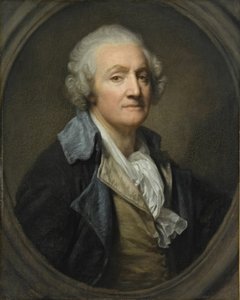
Jean-Baptiste Greuze
1725 - 1805 , Francia
Breves datos
- Artistas Influyentes:
- Charles-Joseph Natoire
- Charles Grandon
- Estilo Artístico: Rococó y género
- Fecha De Muerte: 4 de marzo de 1805
- Fecha De Nacimiento: 21 de agosto de 1725
- Lugar De Nacimiento: Tournus, Francia
- Nacionalidad: Francesa
- Nombre Completo: Jean-Baptiste Greuze
- Obras Notables:
- A Girl with a Dead Canary
- Savoyard with a Dancing Doll
- Boy with a Broken Egg