

 Ver en contexto
 Enviar
 Compartir
 Detalles

 Descargar
 Similares
 Radiografía
 Presentación de diapositivas
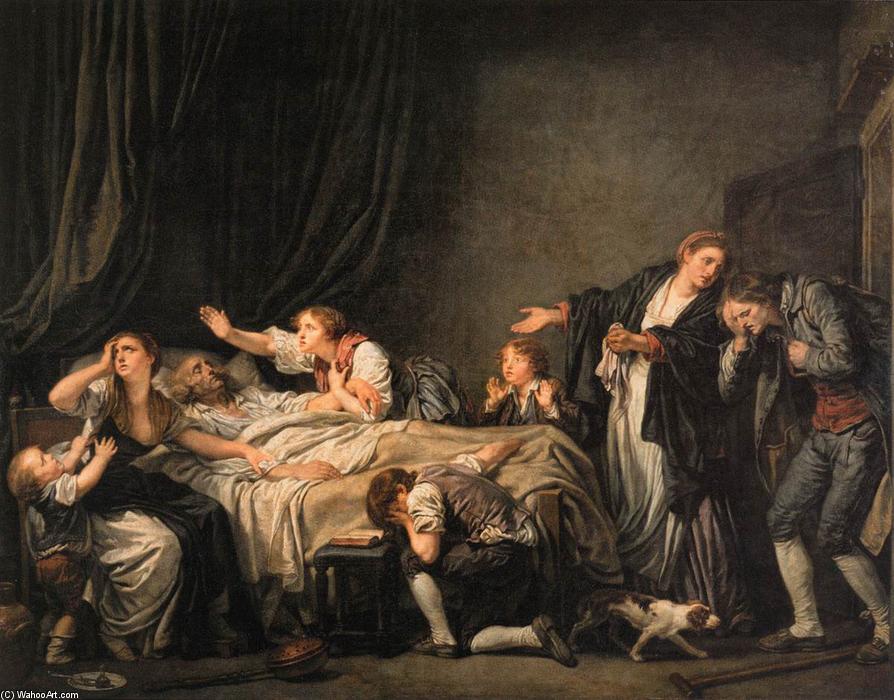
The Father's Curse: The Son Punished
 Acrylic On Canvas
- WallArt
- Rococo Sentimentality
 1777
1777 130.0 x 163.0 cm
 Museo del Louvre
 Ver más
Adquiera una imagen digital de alta resolución y optimizada, muy superior a la vista previa en línea.
Cada archivo es preparado meticulosamente por nuestros especialistas internos mediante el uso de herramientas avanzadas y un experto retoque manual. Nos aseguramos de que cada imagen posea una claridad excepcional, una precisión cromática impecable y un detalle minucioso.
El archivo final se entrega por correo electrónico en un plazo de 72 horas, optimizado para su uso inmediato en entornos profesionales, editoriales y de impresión. Esta es la misma calidad en la que confían los estudios de diseño, las editoriales y las galerías de primer nivel.
Imagen Digital
Descarga un archivo de alta resolución para exhibición personal, impresión y proyectos creativos. ( Comprar impresión Comprar pintura hecha a mano)
Incluido en cada pedido de imágenes digitales
Entrega digital experta, garantizada.
Al elegir ArtsDot.com, no solo está adquiriendo una imagen; está recibiendo una obra de arte digital mejorada profesionalmente, elaborada con precisión y respaldada por una garantía de satisfacción. Esto es todo lo que incluye su pedido, automáticamente:

Entrega rápida por email
Recibirá su archivo de imagen digital en alta resolución por correo electrónico en un plazo de 72 horas tras realizar su pedido, listo para su uso inmediato.

Archivo digital optimizado por IA
Su obra de arte se optimiza profesionalmente mediante herramientas avanzadas de IA y edición manual, garantizando el máximo detalle, claridad y precisión cromática.

Reenvío gratuito de por vida
¿Has borrado o perdido tu archivo por error? No te preocupes: te lo volveremos a enviar en cualquier momento, sin coste adicional.

Sin gastos de importación, siempre
Disfrute de su obra de arte al instante sin aduanas, aranceles ni gastos de envío; las descargas digitales siempre están libres de impuestos.

Garantía de fidelidad de color
Garantizamos que su imagen digital refleje los colores originales con la mayor fidelidad posible, mediante el uso de herramientas profesionales y gestión del color.

Garantía de satisfacción de 60 días
Si no está satisfecho con su imagen digital, la revisaremos o le reembolsaremos el 100% en un plazo de 60 días, sin preguntas.

100% Garantía de devolución de dinero
¿No está satisfecho? Obtenga un reembolso completo dentro de los 60 días posteriores a la recepción de su archivo digital, sin necesidad de explicaciones.

Descuentos por pedidos grandes
Compra 3 imágenes, ahorra 10% - Compra 5, ahorra 15% - Compra 10+, ahorra 20%. Ideal para proyectos creativos, galerías y agencias.
Descripción del coleccionable
A Descent into Sorrow and Moral Judgment
Jean-Baptiste Greuze's "The Father’s Curse: The Son Punished," painted in 1777, isn’t merely a depiction of a family scene; it’s a profound exploration of familial duty, transgression, and the weighty consequences of youthful rebellion. This oil on canvas, now residing within the hallowed halls of the Louvre, immediately draws the viewer into a tableau of palpable grief and simmering resentment. The composition is meticulously crafted – a frieze-like arrangement that unfolds with dramatic precision, mirroring the narrative’s emotional intensity. Greuze masterfully employs a muted palette dominated by somber browns, grays, and deep blues, creating an atmosphere thick with melancholy and foreboding. The figures are rendered with a remarkable degree of realism, yet imbued with an almost theatrical quality, as if caught in a moment frozen for eternity.
The Roots of Sentimentality and Moralizing Genre
Greuze, a pivotal figure in the transition from Rococo to Neoclassicism, carved out his unique niche within the burgeoning genre painting scene of 18th-century France. He wasn’t interested in grand historical narratives or mythological allegories; instead, he focused on capturing the raw emotions and moral dilemmas of everyday life – a trend known as “sentimentality.” “The Father’s Curse” exemplifies this approach perfectly. It's rooted in a biblical parable—the story of the prodigal son—but Greuze doesn’t simply retell it; he amplifies its emotional core, emphasizing the father’s anguish and the son’s profound regret. This focus on moral instruction was a hallmark of his work, reflecting the prevailing social values of the time, where art was often seen as a tool for shaping virtuous behavior.
A Study in Gesture and Dramatic Lighting
Greuze's technical skill is evident in every brushstroke. He utilizes dramatic chiaroscuro – the stark contrast between light and shadow – to heighten the emotional impact of the scene. The father, a towering figure consumed by grief, dominates the left side of the canvas, his outstretched hand conveying an overwhelming sense of condemnation. The son, hunched over and bearing the weight of his transgression, is rendered with a heartbreaking vulnerability. Notice how Greuze captures the subtle nuances of their gestures – the furrowed brows, the slumped shoulders, the averted gazes – each detail contributing to the overall narrative of despair and regret. The careful attention to anatomical accuracy, combined with an expressive use of color and light, elevates this painting beyond mere illustration; it’s a powerful work of art that speaks directly to the viewer's emotions.
Symbolism and the Weight of Inheritance
Beyond its immediate narrative, “The Father’s Curse” is rich in symbolic meaning. The setting – a dimly lit interior with a single window offering a glimpse of the outside world – suggests confinement and isolation. The dog lying at the bottom right corner could represent loyalty or perhaps even complicity in the family's discord. More profoundly, the painting explores the theme of inherited guilt and responsibility. The father’s curse isn’t simply a punishment for the son’s actions; it’s a legacy passed down through generations, a constant reminder of past transgressions. The image powerfully suggests that choices have consequences, and that familial bonds can be both a source of strength and a burden.
A Timeless Exploration of Human Emotion
“The Father’s Curse: The Son Punished” remains a compelling work of art centuries after its creation. Its exploration of universal themes – guilt, forgiveness, family loyalty, and the consequences of disobedience – continues to resonate with audiences today. Reproductions of this iconic painting offer a window into the emotional landscape of 18th-century France, while also serving as a poignant reminder of the enduring complexities of human relationships. It’s a testament to Greuze's ability to capture the raw essence of human experience and translate it onto canvas with remarkable skill and sensitivity.
Obras relacionadas
Biografía del artista
Primeros años y formación
Jean-Baptiste Greuze, un pintor francés, nació el 21 de agosto de 1725 en Tournus, Borgoña. Su padre, maestro techador, inicialmente desalentó las inclinaciones artísticas de su hijo, pero eventualmente, Grandon, un artista lyones, animó a Greuze a perseguir su pasión. En 1750, Greuze se mudó a París para estudiar bajo Charles-Joseph Natoire en la Real Academia de Pintura y Escultura.Ascenso a la fama
El gran avance de Greuze llegó en 1755 con su pintura *Le Père de Famille Expliquant la Bible à ses Enfants*, que fue comprada por un entusiasta del arte adinerado, Ange-Laurent Lalive de Jully. Esto llevó al reconocimiento de Greuze entre los filósofos y la comunidad artística. Luego viajó a Italia con Abbé Gougenot, donde pasó aproximadamente un año, inspirando sus futuras obras.Estilo artístico y obras notables
El estilo de Greuze se caracteriza por su enfoque en escenas de género, capturando la esencia de la vida cotidiana. Algunas obras notables incluyen:- *Una niña con un canario muerto* (Scottish National Gallery, Edimburgo), que muestra la capacidad de Greuze para evocar emociones.
- *Saboyano con una muñeca bailarina* (Albertina, Viena), destacando su habilidad para capturar el espíritu de sus sujetos.
- *Niño con un huevo roto*, c. 1756 (Albertina, Viena), demostrando la temprana maestría de Greuze en la pintura de género.
Legado y vida posterior
El éxito de Greuze alcanzó su punto máximo en 1765, con trece obras expuestas en el Salón, incluyendo *La Jeune Fille qui Pleure son Oiseau Mort*, *La Bonne Mère* y *Le Mauvais Fils Puni* (Louvre). Sin embargo, su intento de transición a la pintura histórica fue recibido con críticas. Greuze falleció el 4 de marzo de 1805 en el Louvre, después de una vida marcada tanto por triunfos artísticos como por dificultades financieras.Influencias y desarrollo artístico
La obra de Greuze se desarrolló en un período de transición dentro del arte francés. Aunque inicialmente influenciado por el estilo rococó, con su énfasis en la elegancia y la sensualidad, Greuze evolucionó hacia una representación más realista y moralizante de la vida cotidiana. Se puede observar la influencia de los maestros holandeses en su atención al detalle y su enfoque en escenas domésticas. Su interés por retratar las emociones humanas, a menudo con un toque de melancolía o dramatismo, lo distingue de sus contemporáneos rococó. Su intento posterior de incursionar en la pintura histórica, aunque no fue bien recibido, refleja su deseo de ampliar su repertorio y alcanzar el prestigio asociado con este género.Significado histórico
Jean-Baptiste Greuze es recordado como un pintor clave del siglo XVIII francés, que ayudó a definir el género de la pintura de costumbres. Su capacidad para capturar momentos íntimos y transmitir mensajes morales a través de sus obras lo convirtió en un artista popular entre la burguesía de su época. Aunque su intento de pintar historia no tuvo éxito, su legado como maestro de la pintura de género sigue siendo significativo. Su obra representa una transición importante del rococó hacia el neoclasicismo, y su influencia se puede apreciar en generaciones posteriores de artistas franceses.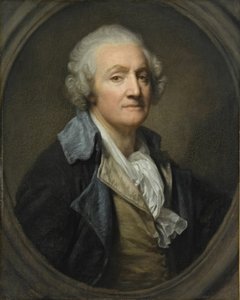
Jean-Baptiste Greuze
1725 - 1805 , Francia
Breves datos
- Artistas Influyentes:
- Charles-Joseph Natoire
- Charles Grandon
- Estilo Artístico: Rococó y género
- Fecha De Muerte: 4 de marzo de 1805
- Fecha De Nacimiento: 21 de agosto de 1725
- Lugar De Nacimiento: Tournus, Francia
- Nacionalidad: Francesa
- Nombre Completo: Jean-Baptiste Greuze
- Obras Notables:
- A Girl with a Dead Canary
- Savoyard with a Dancing Doll
- Boy with a Broken Egg

