 Ver en contexto
 Enviar
 Compartir
 Detalles

 Descargar
 Similares
 Radiografía
 Presentación de diapositivas
The Education of the Virgin


 Ver más
Giclée / Impresión de arte
Impresiones giclée o en lienzo de calidad de museo con producción rápida y opciones de acabado flexibles. ( Comprar pintura hecha a mano Comprar imagen)




P118B $10

P118H $10

P118W $10

P438Z $10

P508JH $12

P508YH $12

P805H $10

P805Z $10

P919BZ $10

P919G $10

P919XJ $10

P959ZH $10

P968JZ $12

W106C $8

W218G $10

W218JH $8

W218Y $10

W307PJ $10

W316G $10

W316PJ $8

W316Y $10

W398PJ $8

W4111J $10

W500HY $15

W500JH $15

W692G $12

W849H $8

W940BG $15

W953PJ $8




Elija entre nuestros tamaños predefinidos que respetan las proporciones originales de la obra.

Puede introducir sus propias dimensiones para adaptarse a un marco o espacio específico. Si el tamaño seleccionado no coincide con las proporciones de la imagen original, recortaremos la obra de arte o extenderemos la imagen con un borde con efecto espejo o de color sólido. Se enviará una maqueta digital para su aprobación antes de que comience la producción.
Tenga en cuenta que la vista previa en pantalla no refleja el recorte o la extensión real. Solo la maqueta mostrará con precisión la composición final.
Aunque existen tamaños personalizados, recomendamos seleccionar una dimensión de la lista predefinida para preservar las proporciones originales.
Envío a todo el mundo () en 2 semanas en lugar de las 4/5 semanas estándar. (29 agosto)

Envío exprés gratuito a todo el mundo

Lienzo de lino de alta calidad

Seguro de envío total

Garantía de reembolso de impuestos aduaneros

Garantía de fidelidad cromática exacta

Política de devolución de 60 días (solo por defectos)

Garantía de devolución del 100% del dinero

Descuento por cantidad
 La opción de vidrio solo está disponible en tamaños inferiores a 110 cm.

The Education of the Virgin
Giclée / Impresión de arte
Dimensiones de la reproducción
-


Precio total final
$ 62
A Vision of Faith and Learning: Jean Baptiste Jouvenet’s “The Education of the Virgin”
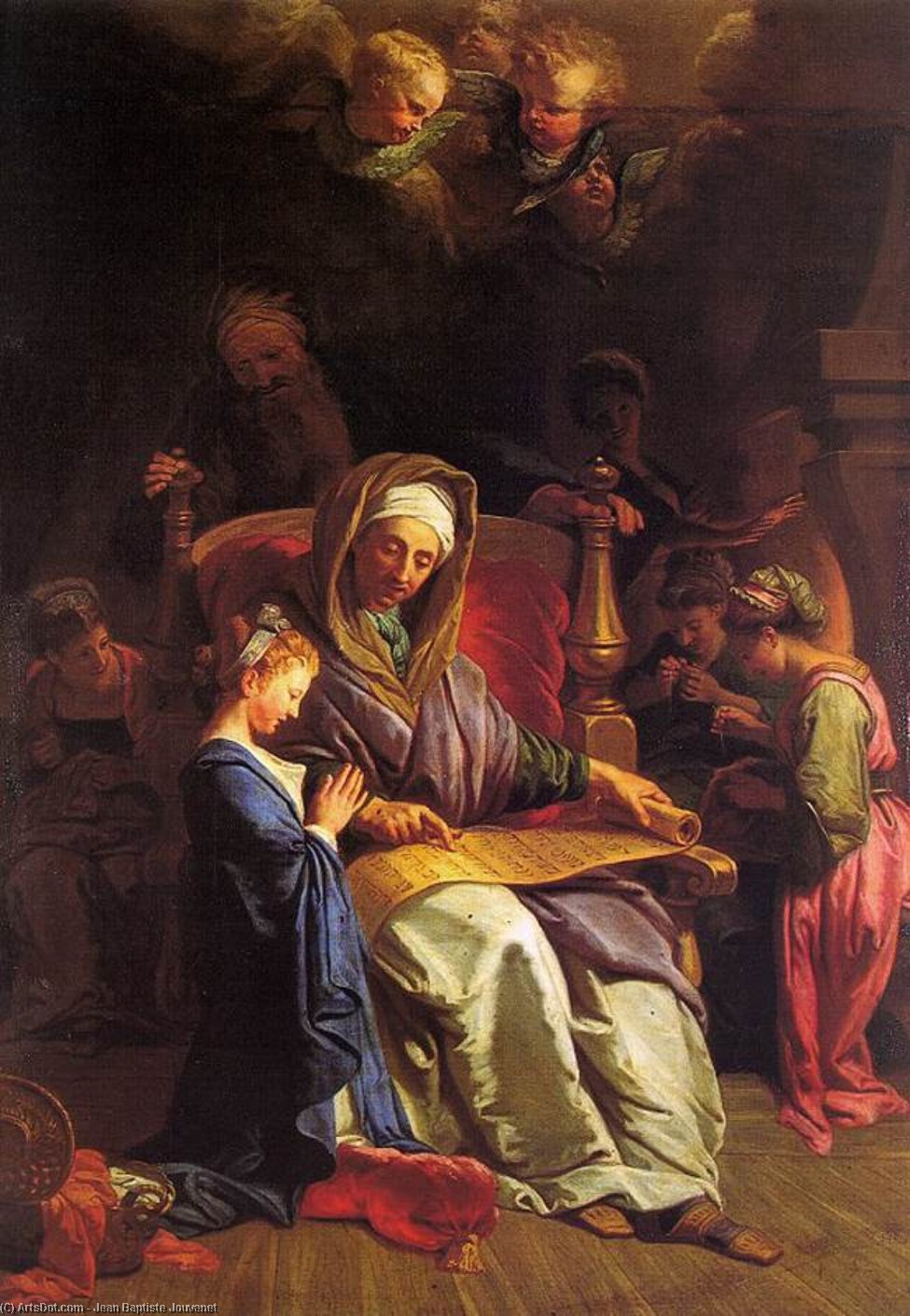
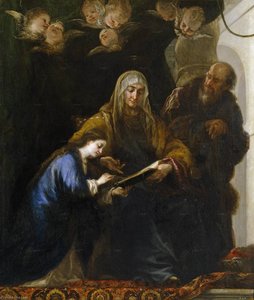
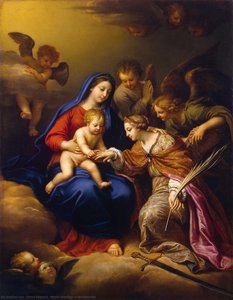
Jean Baptiste Jouvenet's "The Education of the Virgin," painted around 1700, is more than just a religious depiction; it’s a carefully constructed tableau of faith, learning, and divine inspiration. Housed within the hallowed halls of the Galleria degli Uffizi in Florence, this monumental canvas draws the viewer into a scene brimming with quiet contemplation and profound symbolism. The painting immediately establishes a sense of serene authority through its muted palette – predominantly earth tones punctuated by subtle blues and golds – creating an atmosphere that feels both timeless and deeply reverent. Jouvenet masterfully employs chiaroscuro, the dramatic interplay of light and shadow, to sculpt forms and direct our gaze towards the central figure, imbuing the scene with a palpable sense of drama despite its inherent solemnity.
At the heart of the composition sits a young woman, seated in a simple chair, her posture radiating an almost otherworldly grace. She is engrossed in a book or manuscript – a potent symbol of knowledge and divine instruction. Around her gather several other figures: some appear to be observing with rapt attention, others are engaged in acts of devotion, and still others seem to ascend towards the heavens, suggesting a spiritual journey. The details within each figure’s attire—rich fabrics, intricate patterns, and carefully rendered hands—speak volumes about the era's artistic conventions and social hierarchies. The artist’s skill lies not just in depicting these figures accurately but also in conveying their individual roles within this complex narrative.
Baroque Drama and Naturalistic Detail
Jouvenet was a key figure in the French Baroque movement, inheriting the dramatic flair of his predecessors while simultaneously pushing towards a more naturalistic style. Unlike some of his contemporaries who favored overtly theatrical compositions, Jouvenet sought to capture the essence of religious experience through carefully observed detail and nuanced emotion. His training under Pierre Les Brun at Versailles instilled within him a deep understanding of classical principles, which he skillfully integrated with the dynamism characteristic of Baroque art. The painting’s composition is meticulously balanced, drawing the eye towards the central figure while maintaining a sense of visual harmony throughout the scene. The use of perspective and spatial relationships further enhances this effect, creating an illusion of depth that invites the viewer to step into the world depicted on canvas.
Technically, Jouvenet demonstrates remarkable mastery of oil painting. His brushwork is both confident and delicate, allowing him to achieve a stunning range of textures – from the smooth sheen of fabrics to the rough surface of stone. The layering of glazes creates a luminous quality that imbues the scene with an ethereal glow. The artist’s attention to detail extends beyond mere representation; he uses color and light to evoke specific moods and emotions, subtly guiding the viewer's interpretation of the narrative.
Symbolism and Spiritual Resonance
“The Education of the Virgin” is rich in symbolic meaning. The book held by the central figure represents not only knowledge but also divine guidance – a pathway to understanding God’s will. The figures ascending towards the heavens symbolize spiritual aspiration, while those observing represent the faithful seeking enlightenment. The overall scene can be interpreted as an allegory for the process of faith formation, highlighting the importance of both intellectual and spiritual development. It's a visual meditation on the journey from earthly concerns to divine grace.
Furthermore, the painting’s setting – reminiscent of a classical Roman villa – subtly references the ideals of humanism prevalent during the Renaissance. This juxtaposition of religious devotion with humanist values underscores the painting’s enduring appeal, suggesting that faith and reason are not mutually exclusive but rather complementary paths to truth.
A Timeless Masterpiece for Reflection and Inspiration
“The Education of the Virgin” remains a powerful testament to the artistic genius of Jean Baptiste Jouvenet. Its combination of dramatic composition, meticulous detail, and profound symbolism continues to captivate viewers centuries after its creation. Whether admired as a historical artifact or appreciated for its aesthetic beauty, this painting offers a glimpse into the spiritual and intellectual landscape of 17th-century France – a world where faith, learning, and art converged in a breathtaking display of human creativity.
Obras relacionadas
Biografía del artista
Un legado de luz divina: La vida y el arte de Jean-Baptiste Jouvenet
En el grandioso y vasto tapiz del Barroco francés, pocos hilos brillan con tanta intensidad dramática y profundidad espiritual como aquellos tejidos por Jean-Baptiste Jouvenet. Nacido en 1644 en la histórica ciudad de Rouen, Jouvenet estaba destinado a una vida impregnada de los pigmentos y las filosofías de sus antepasados. Emergió de un ilustre linaje artístico; su padre, Laurent Jouvenet, le brindó su guía inicial, mientras que los rumores de una conexión con el legendario Nicolas Poussin a través de su abuelo, Noel Jouvenet, sugieren una ascendencia arraigada en los cimientos mismos de la tradición clásica europea. Esta temprana inmersión en el lenguaje del arte le permitió desarrollar una sensibilidad hacia la luz y la forma que, con el tiempo, cautivaría a las cortes más prestigiosas de Francia.
El ascenso de Jouvenet dentro del mundo del arte parisino fue nada menos que meteórico. Al llegar a la capital, su prodigioso talento atrajo la mirada de Charles Le Brun, el titán de la pintura real francesa. Bajo la tutela de Le Brun, Jouveniente se encontró en el corazón del esfuerzo artístico más significativo de la época: la decoración del Salon de Mars en Versalles. Este período de intensa colaboración y exposición a la grandeza real sirvió como crisol para su estilo en desarrollo. Para 1675, ya había sido admitido en la Académie Royale de Peinture et de Sculpture, un logro que señaló su transición de alumno prometedor a maestro por derecho propio. Su influencia dentro de la Academia creció de manera constante, llevándolo finalmente a desempeñar los prestigiosos roles de profesor y uno de los cuatro rectores perpetuos, donde moldeó la sensibilidad estética de la siguiente generación de pintores franceses.
La maestría del naturalismo barroco
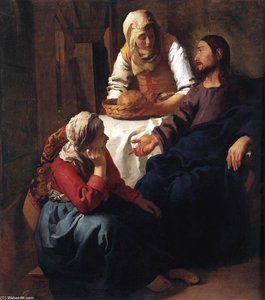
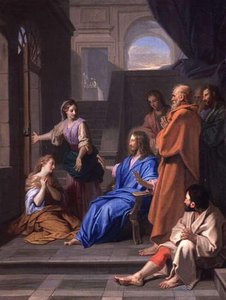
Lo que verdaderamente distingue a Jouvenet de sus contemporáneos fue su capacidad para casar la escala monumental del Barroco con un naturalismo profundo y conmovedor. Mientras muchos artistas de la época se inclinaban fuertemente hacia lo teatral y lo artificial, Jouvenet buscaba una verdad más profunda en sus sujetos. Sus composiciones religiosas, aunque grandiosas en alcance, poseen una resonancia emocional íntima que atrae al espectador hacia la narrativa sagrada. Ya fuera representando la tierna domesticidad que se encuentra en Jesus Christ chez Marthe et Marie o la energía dinámica y arremolinada de La Peche Miraculeuse, utilizaba una paleta rica y un claroscuro magistral para insuflar vida a lo divino.
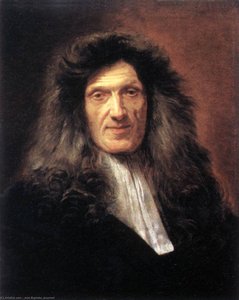
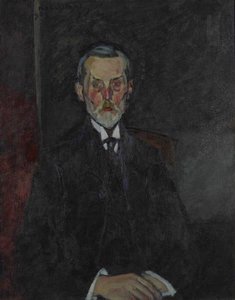
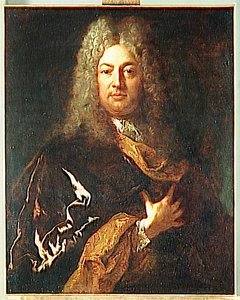
Su destreza técnica era particularmente evidente en su manejo del movimiento y la luz. En obras como Saint Philippe, se puede observar cómo emplea colores vibrantes y una sensación de movimiento rítmico para transmitir la majestad de Cristo. Esta capacidad para equilibrar lo épico con lo humano le permitió emprender proyectos masivos de frescos en lugares icónicos como el Louvre y el Palacio de las Tullerías, donde su pincelada podía dominar vastos espacios arquitectónicos sin perder su intimidad esencial. Sus retratos, como el evocador Dr Raymond Finot, demuestran aún más esta versatilidad, mostrando un ojo agudo para la profundidad psicológica y una representación realista del carácter que permanece sorprendentemente moderna.
Significancia histórica e influencia perdurable
La importancia histórica de Jean-Baptiste Jouvenet reside en su papel como puente entre el clasicismo rígido de principios del siglo XVII y los estilos más emotivos y fluidos que le seguirían. Fue una figura central en la escuela de Le Brun, pero infundió esa tradición con una vitalidad única que evitó que se estancara. Su carrera, que abarcó el apogeo del reinado de Luis XIV, reflejó el cambio de la era hacia un lenguaje visual más sofisticado y emocionalmente complejo.
Al reflexionar hoy sobre su obra, varios elementos clave de su legado permanecen inconfundibles:
- La síntesis de estilos: Su capacidad única para combinar la disciplina estructural de la tradición clásica francesa con el emocionalismo dramático del Barroco.
- Naturalismo espiritual: Un enfoque transformador de la iconografía religiosa que enfatizaba la emoción humana y la realidad tangible por encima de la mera alegoría.
- Liderazgo académico: Su profundo impacto en la Académie Royale, asegurando la continuidad de la formación técnica de alto nivel en Francia.
- Versatilidad de escala: La rara habilidad requerida para ejecutar tanto frescos monumentales en palacios como retratos íntimos y psicológicamente complejos.
Aunque falleció en París en 1717, los ecos del pincel de Jouvenet aún pueden sentirse en las salas de los grandes museos de Europa. Sigue siendo un maestro del "momento divino", un artista capaz de capturar la intersección entre lo terrenal y lo eterno con una gracia inigualable.
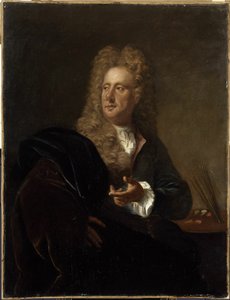
Jean Baptiste Jouvenet
1644 - 1717 , Francia
Datos clave
- Artistic Movement Or Style: Baroque art and architecture
- Artists Who Influenced This Artist:
- Nicolas poussin
- Le Brun
- Raphael
- Date Of Birth: May 1, 1644
- Date Of Death: April 5, 1717
- Full Name: Jean Baptiste Jouvenet
- Nationality: French
- Notable Artworks: ['The Miraculous Draught Fishes']
- Place Of Birth: Rouen, France
Artículos relacionados

The Dramatic Flourish: Exploring the Baroque Movement's Enduring Legacy in Art History
Explore the dramatic world of Baroque art! Discover iconic artists like Caravaggio & Rubens, defining techniques, and its lasting impact on art history. Expert insights for collectors & enthusiasts at ArtsDot.

Drama Barroca: Llevando la Grandeza y la Emoción a los Interiores Contemporáneos
Descubre cómo el drama y la grandeza del arte barroco pueden transformar tus interiores. Guía experta, inspiración y reproducciones de alta calidad en .

Barroco Sublime: 10 Obras Maestras que Definieron una Época |
Descubre las 10 obras maestras del Barroco que marcaron una época. Caravaggio, Bernini y Velázquez cobran vida en . Reproducciones de arte de calidad museo para decorar tu hogar con elegancia. ¡Explora la colección online!

The Visceral Stage: Exploring Dramatic Narratives & Emotional Intensity in Baroque Art
Explore the dramatic world of Baroque art! Discover iconic masters like Caravaggio & Rembrandt, their techniques, and the movement's lasting impact. Expert insights for collectors & enthusiasts at ArtsDot.
Theatricality & Triumph: Baroque Drama in Painting & Sculpture
Explore the dramatic world of Baroque art! Discover its history, defining characteristics, & lasting influence on painting & sculpture. Expert insights into Caravaggio, Zurbarán, and Bernini – plus high-quality reproductions at ArtsDot.