

 Ver en contexto
 Enviar
 Compartir
 Detalles

 Descargar
 Similares
 Radiografía
 Presentación de diapositivas
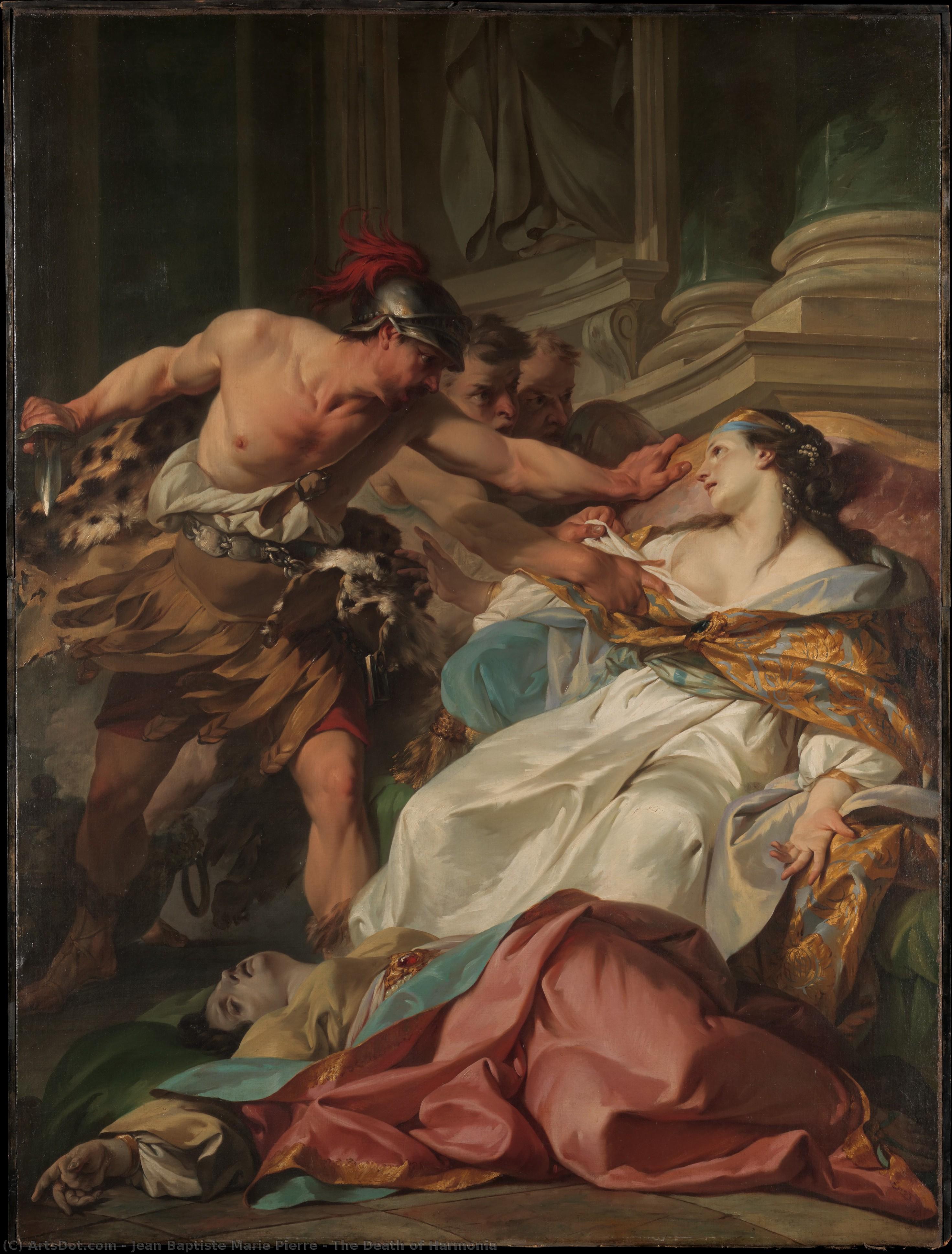
The Death of Harmonia
 Baroque
 1740
1740 197.0 x 148.0 cm
 Museo Metropolitano de Arte
 Ver más
Giclée / Impresión de arte
Impresiones giclée o en lienzo de calidad de museo con producción rápida y opciones de acabado flexibles. ( Comprar pintura hecha a mano Comprar imagen)




P118B $10

P118H $10

P118W $10

P438Z $10

P508JH $12

P508YH $12

P805H $10

P805Z $10

P919BZ $10

P919G $10

P919XJ $10

P959ZH $10

P968JZ $12

W106C $8

W218G $10

W218JH $8

W218Y $10

W307PJ $10

W316G $10

W316PJ $8

W316Y $10

W398PJ $8

W4111J $10

W500HY $15

W500JH $15

W692G $12

W849H $8

W940BG $15

W953PJ $8




Elija entre nuestros tamaños predefinidos que respetan las proporciones originales de la obra.

Puede introducir sus propias dimensiones para adaptarse a un marco o espacio específico. Si el tamaño seleccionado no coincide con las proporciones de la imagen original, recortaremos la obra de arte o extenderemos la imagen con un borde con efecto espejo o de color sólido. Se enviará una maqueta digital para su aprobación antes de que comience la producción.
Tenga en cuenta que la vista previa en pantalla no refleja el recorte o la extensión real. Solo la maqueta mostrará con precisión la composición final.
Aunque existen tamaños personalizados, recomendamos seleccionar una dimensión de la lista predefinida para preservar las proporciones originales.
Envío a todo el mundo () en 2 semanas en lugar de las 4/5 semanas estándar. (29 agosto)

Envío exprés gratuito a todo el mundo

Lienzo de lino de alta calidad

Seguro de envío total

Garantía de reembolso de impuestos aduaneros

Garantía de fidelidad cromática exacta

Política de devolución de 60 días (solo por defectos)

Garantía de devolución del 100% del dinero

Descuento por cantidad
 La opción de vidrio solo está disponible en tamaños inferiores a 110 cm.

The Death of Harmonia
Giclée / Impresión de arte
Dimensiones de la reproducción
-


Precio total final
$ 62
A Dramatic Echo of Ancient Tragedy: Jean-Baptiste Pierre’s “The Death of Harmonia”
Jean-Baptiste Marie Pierre's "The Death of Harmonia," painted around 1740-42, is more than just a depiction of a historical event; it’s a visceral exploration of betrayal, sacrifice, and the haunting consequences of ambition. Emerging from the vibrant Rococo period, yet firmly rooted in Baroque theatricality, this oil on canvas work transports the viewer to a scene of profound sorrow and unsettling beauty. The painting's subject—a retelling of the ancient Greek tale of Harmonia, daughter of Syracuse’s King Gelon II—was relatively obscure during Pierre’s time, mirroring its obscurity for us today, yet it provided him with a compelling narrative framework to showcase his mastery of dramatic composition and emotional intensity.
Pierre's artistic choices immediately establish the painting’s powerful atmosphere. The scene unfolds within a lavishly appointed chamber, hinting at the fallen royalty and the opulence that has ultimately led to destruction. A draped wall, partially visible through a window, suggests both confinement and a glimpse of the outside world—a stark contrast to the enclosed drama unfolding below. The figures are arranged in a tightly packed composition, dominated by strong diagonals that propel the eye relentlessly across the scene, mirroring the chaotic nature of the events depicted. This deliberate arrangement creates a sense of urgency and claustrophobia, drawing us into the heart of the tragedy.
A Baroque Masterpiece: Composition and Technique
Pierre’s technical skill is evident in every brushstroke. He expertly employs chiaroscuro—the dramatic contrast between light and dark—to sculpt the muscular forms of the male figures surrounding Harmonia, imbuing them with a sense of power and menace. The rich reds, browns, and golds that dominate the palette – particularly in the luxurious bedding and the men’s attire – speak to the decadence and moral decay at play. However, these opulent colors are tempered by cooler blues and whites used for Harmonia's clothing, highlighting her vulnerability and impending doom. Lines are strategically utilized to define both the figures’ bodies and the architectural details of the room, creating a remarkable sense of volume and depth.
The artist’s layering technique is particularly noteworthy. He builds up the paint in multiple thin layers, resulting in textures that range from smooth on the men's skin to rougher on the floor and surrounding walls – a subtle yet effective means of conveying the materiality of the scene and adding to its overall realism. Furthermore, Pierre demonstrates an acute understanding of perspective, creating a flattened effect characteristic of Baroque painting while still striving for depth through foreshortening and atmospheric effects, subtly guiding our gaze through the complex arrangement.
Symbolism and Historical Context
“The Death of Harmonia” is deeply rooted in classical mythology. The story itself—a tale of mistaken identity, tragic sacrifice, and the devastating consequences of political intrigue—resonates with themes of justice, betrayal, and the corrupting influence of power. Many scholars believe the painting alludes to Lucretia, a Roman noblewoman who committed suicide to expose her brother’s attempted rape, thereby sparking a revolution. The scene's arrangement mirrors elements of this mythic narrative, reinforcing its symbolic weight.
Painted during the Rococo period, Pierre’s work reflects both the era’s exuberance and its underlying anxieties. While Rococo is often associated with frivolity and ornamentation, it also embraced dramatic narratives and emotional intensity—qualities powerfully evident in “The Death of Harmonia.” The painting's presentation a decade after its execution was likely prompted by the publication of Charles Nicolas Cochin’s engraving of it in 1751, demonstrating the significant impact of visual art on public discourse at the time.
Emotional Resonance and Lasting Impact
Ultimately, “The Death of Harmonia” is a profoundly moving work that transcends its historical subject matter. The painting’s depiction of violence, betrayal, and despair evokes a powerful emotional response in the viewer—a sense of unease, sorrow, and perhaps even a chilling recognition of humanity's capacity for both cruelty and sacrifice. It stands as a testament to Pierre’s artistic skill and his ability to capture not just a historical event but also the complex emotions that lie beneath its surface. Reproductions of this dramatic masterpiece continue to captivate audiences today, offering a glimpse into a world of ancient tragedy and Baroque artistry.
Obras relacionadas
Biografía del artista
Jean-Baptiste Marie Pierre: Una Vida en el Arte Rococó
Primeros Años y Educación
Jean-Baptiste Marie Pierre nació en Aix-en-Provence, Francia, en 1714. Demostró talento artístico desde temprana edad, lo que le llevó a estudiar en la prestigiosa Académie Royale de Peinture et de Sculpture en París. Su maestro allí fue el influyente pintor Charles-Joseph Natoire, quien moldeó significativamente su estilo y enfoque temprano en el arte.
Desarrollo Artístico e Influencias
El desarrollo artístico de Pierre estuvo profundamente arraigado en el movimiento Rococó, caracterizado por su elegancia, detalle ornamentado y temas juguetones. Si bien fue influenciado por la formación clásica de Natoire, Pierre desarrolló un estilo distintivo que fusionaba narrativas mitológicas con un refinado sentido del color y la composición. También se inspiró en los maestros italianos del Renacimiento, evidente en sus magistrales representaciones de la anatomía humana y el relato dramático.
Obras Maestras y Estilo Artístico
A lo largo de su carrera, Pierre creó un diverso cuerpo de trabajo que abarcaba escenas mitológicas, pinturas religiosas y retratos. Algunas de sus obras más notables incluyen:
- El Viejo en una Cocina (c. 1745) – Una escena del género que muestra la vida cotidiana con un realismo notable.
- Las Estaciones (1749) – Una serie alegórica que celebra la belleza y la abundancia de la naturaleza.
- Júpiter y Antiope – Una representación dramática de un mito clásico, demostrando su habilidad para representar emociones complejas.
- El Rapto de Europa (1750) - Ilustra otro cautivador relato mitológico con una composición dinámica.
- La Muerte de Armonia – Una obra maestra barroca que exhibe una intensa emoción y un detalle opulento.
Su estilo se caracteriza por un delicado trazo, una vibrante paleta de colores y un enfoque en la creación de composiciones visualmente impresionantes.
Logros Profesionales y Patrocinio Real
El talento de Pierre rápidamente ganó reconocimiento, lo que llevó a importantes encargos y elogios. En 1770, fue nombrado Primer pintor del rey (Primer Pintor del Rey) bajo Luis XV, una posición de inmensa prestigio en el mundo artístico francés. Esta designación consolidó su estatus como uno de los artistas más importantes de Francia.
Legado e Importancia Histórica
Jean-Baptiste Marie Pierre desempeñó un papel crucial para dar forma al estilo Rococó durante su período álgido. No solo creó hermosas y técnicamente elaboradas obras, sino que también orientó a una generación de artistas aspirantes, incluidos Étienne-Louis Boullée, Louis-Jacques Durameau y otros. Su influencia se extendió más allá de su círculo inmediato, contribuyendo al panorama artístico más amplio de la Francia del siglo XVIII.
Aunque a veces fue eclipsado por movimientos más radicales que siguieron, el trabajo de Pierre es un testimonio de la elegancia, la refinación y la maestría técnica de la era Rococó. Murió en 1789, dejando atrás un legado como un pintor habilidoso e influyente figura en la historia del arte francés.
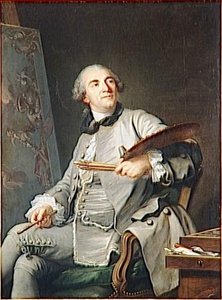
jean baptiste marie pierre
1714 - 1789 , Francia
Datos clave
- Artistic Movement Or Style: Rococó
- Artists Or Movements Influenced By This Artist: ['Étienne Louis Boullée']
- Artists Who Influenced This Artist: ['Charles Joseph Natoire']
- Date Of Birth: 1714
- Date Of Death: 1789
- Full Name: Jean Baptiste Marie Pierre
- Nationality: Francés
- Notable Artworks:
- El Viejo en una Cocina
- Las Estaciones
- Júpiter y Antiope
- El Rapto de Europa
- La Muerte de Armonia
- Place Of Birth: Aix-en-Provence, Francia
Artículos relacionados
Jean-Baptiste Pater: Rococo Charm & Ephemeral Beauty of 18th-Century France
Explore the captivating world of Jean-Baptiste Pater, a master of Rococo painting. Discover his elegant *fête galante* scenes and shimmering portraits – a glimpse into 18th-century French aristocracy. Learn about his legacy & find high-quality reproductions.

Drama Barroca: Llevando la Grandeza y la Emoción a los Interiores Contemporáneos
Descubre cómo el drama y la grandeza del arte barroco pueden transformar tus interiores. Guía experta, inspiración y reproducciones de alta calidad en .

The Dramatic Flourish: Exploring the Baroque Movement's Enduring Legacy in Art History
Explore the dramatic world of Baroque art! Discover iconic artists like Caravaggio & Rubens, defining techniques, and its lasting impact on art history. Expert insights for collectors & enthusiasts at ArtsDot.
From Grandeur to Grace: Exploring the Evolution of Baroque & Rococo Art
Explore the captivating evolution from Baroque's drama to Rococo's grace! Discover key artists, characteristics & lasting influence of these art movements with expert insights at ArtsDot.

Barroco Sublime: 10 Obras Maestras que Definieron una Época |
Descubre las 10 obras maestras del Barroco que marcaron una época. Caravaggio, Bernini y Velázquez cobran vida en . Reproducciones de arte de calidad museo para decorar tu hogar con elegancia. ¡Explora la colección online!

