 Ver en contexto
 Enviar
 Compartir
 Detalles

 Descargar
 Similares
 Radiografía
 Presentación de diapositivas
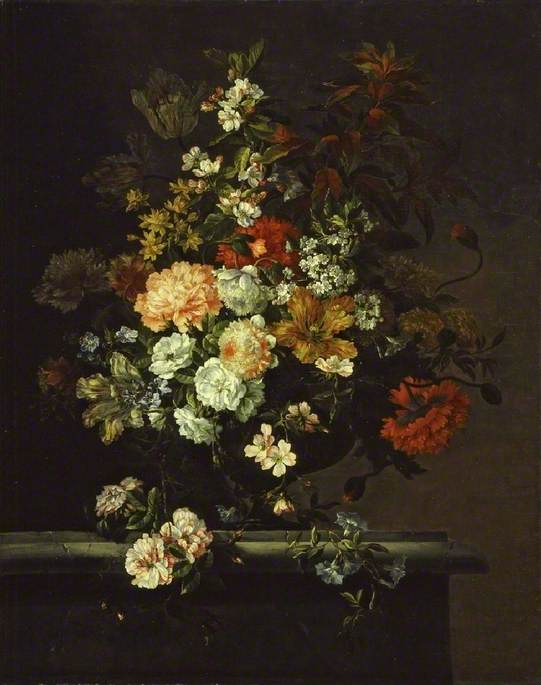
Still Life of Mixed Flowers in a Vase on a Ledge
 Oil On Canvas
- WallArt
- Baroque
 108.0 x 85.0 cm
 Fitzwilliam College
 Ver más
Giclée / Impresión de arte
Impresiones giclée o en lienzo de calidad de museo con producción rápida y opciones de acabado flexibles. ( Comprar pintura hecha a mano Comprar imagen)




P118B $10

P118H $10

P118W $10

P438Z $10

P508JH $12

P508YH $12

P805H $10

P805Z $10

P919BZ $10

P919G $10

P919XJ $10

P959ZH $10

P968JZ $12

W106C $8

W218G $10

W218JH $8

W218Y $10

W307PJ $10

W316G $10

W316PJ $8

W316Y $10

W398PJ $8

W4111J $10

W500HY $15

W500JH $15

W692G $12

W849H $8

W940BG $15

W953PJ $8




Elija entre nuestros tamaños predefinidos que respetan las proporciones originales de la obra.

Puede introducir sus propias dimensiones para adaptarse a un marco o espacio específico. Si el tamaño seleccionado no coincide con las proporciones de la imagen original, recortaremos la obra de arte o extenderemos la imagen con un borde con efecto espejo o de color sólido. Se enviará una maqueta digital para su aprobación antes de que comience la producción.
Tenga en cuenta que la vista previa en pantalla no refleja el recorte o la extensión real. Solo la maqueta mostrará con precisión la composición final.
Aunque existen tamaños personalizados, recomendamos seleccionar una dimensión de la lista predefinida para preservar las proporciones originales.
Envío a todo el mundo () en 2 semanas en lugar de las 4/5 semanas estándar. (31 agosto)

Envío exprés gratuito a todo el mundo

Lienzo de lino de alta calidad

Seguro de envío total

Garantía de reembolso de impuestos aduaneros

Garantía de fidelidad cromática exacta

Política de devolución de 60 días (solo por defectos)

Garantía de devolución del 100% del dinero

Descuento por cantidad
 La opción de vidrio solo está disponible en tamaños inferiores a 110 cm.

Still Life of Mixed Flowers in a Vase on a Ledge
Giclée / Impresión de arte
Dimensiones de la reproducción
-


Precio total final
$ 62
Jean Baptiste Monnoyer: A Master of Floral Still Life
Jean Baptiste Monnoyer (1636–1699) stands as a pivotal figure bridging the opulent Baroque period and the burgeoning fascination with botanical illustration. Born in Lille, France, his artistic journey began within the structured confines of apprenticeship, relocating to Paris by 1650 where he swiftly established himself amidst the lavish decorations commissioned for prominent residences like the Hôtel Lambert—a testament to the era’s penchant for grandeur and visual splendor. This formative exposure instilled a refined aesthetic sensibility and access to influential circles that would profoundly shape his artistic trajectory. He wasn't merely capturing flowers; he was crafting narratives of beauty, reflecting the humanist ideals prevalent during his time.- Early Influences: Monnoyer’s initial training under Godfrey Kneller instilled in him a meticulous attention to detail and a mastery of oil painting techniques—skills honed through collaborations with Charles Le Brun at Versailles and Meudon, where he contributed to monumental decorative schemes celebrating royal patronage.
- The Hôtel Lambert Legacy: His involvement in adorning the Hôtel Lambert cemented his reputation as a decorator of exceptional caliber, showcasing his ability to integrate floral motifs into architectural spaces—a hallmark of Baroque design characterized by dramatic contrasts and opulent embellishments.
- Royal Patronage & Artistic Innovation: Monnoyer’s association with Louis XIV solidified his position at the apex of artistic achievement, propelling him to create breathtaking murals for the Château de Marly and Meudon – demonstrating a commitment to innovation and pushing the boundaries of botanical representation.
Style and Technique: Botanical Precision Meets Baroque Ornamentation
Monnoyer’s distinctive style embodies the harmonious fusion of Baroque ornamentation with exacting botanical accuracy—a hallmark of Flemish still life painting during his era. He meticulously rendered flowers, fruits, and foliage using a glazing technique that achieved luminous color palettes and subtle tonal variations—resulting in images imbued with an ethereal quality. His compositions prioritized visual balance and harmony, reflecting the humanist preoccupation with idealized beauty and mirroring the principles championed by artists like Gaspar Peeter Verbruggen the Younger. The artist’s meticulous observation of nature combined with masterful brushwork created artworks that transcended mere depiction; they conveyed a profound appreciation for the natural world.- Glazing Technique: Monnoyer skillfully employed glazing—applying thin layers of translucent paint over underlying colors—to achieve depth and luminosity, capturing the subtle nuances of light and shadow within his floral subjects.
- Compositional Balance: His paintings prioritized visual equilibrium, arranging elements in a deliberate manner to create aesthetically pleasing compositions that captivated viewers’ eyes.
- Botanical Detail: Monnoyer's meticulous rendering of botanical specimens—evident in works like “An Urn with Flowers”—demonstrated an unparalleled understanding of plant anatomy and coloration.
Symbolism & Emotional Resonance: Reflections of Renaissance Ideals
Monnoyer’s floral still lifes resonated deeply with the humanist sensibilities of the Baroque period, embodying symbolic representations of virtue, beauty, and contemplation—echoing the artistic traditions established during the Renaissance. Flowers served as emblems of purity, grace, and divine love—reflecting the prevailing spiritual fervor of the time. The artist's ability to evoke emotion through visual imagery underscored the transformative power of art—capturing not only the outward appearance of nature but also its inner essence. His works continue to inspire admiration for their exquisite craftsmanship and profound artistic vision.- Floral Symbolism: Monnoyer’s paintings frequently incorporated flowers as symbols of spiritual contemplation, mirroring Renaissance ideals of harmony and balance.
- Emotional Impact: The luminous color palettes and delicate brushwork employed by Monnoyer conveyed a sense of serenity and beauty—capturing the viewer's gaze with an irresistible allure.
- Renaissance Legacy: His artistic endeavors upheld the humanist tradition of celebrating human intellect and creativity—demonstrating a commitment to capturing the sublime grandeur of the natural world.
Legacy & Influence: A Continuing Inspiration
Jean Baptiste Monnoyer’s enduring legacy extends beyond his individual masterpieces—he established himself as a cornerstone of Baroque floral painting, influencing generations of artists who followed him. His meticulous technique and profound understanding of botanical representation continue to inspire contemporary painters and designers—affirming the timeless beauty of his artistic vision. The artist's contribution to decorative arts solidified his place in art history—a testament to his unparalleled skill and unwavering devotion to capturing the splendor of nature.Obras relacionadas
Biografía del artista
Jean-Baptiste Monnoyer: Una Vida Dedicada a las Flores y los Tapices
- Nacido: Lille, Francia (1636)
- Fallecido: Londres, Inglaterra (1699)
Jean-Baptiste Monnoyer fue un pintor franco-flamenco reconocido por sus exquisitos bodegones florales y sus importantes contribuciones a las artes decorativas. Su carrera abarcó tanto Francia como Inglaterra, dejando una huella duradera en el diseño de tapices y la pintura de naturalezas muertas florales.
Primeros Años y Formación
Nacido en Lille en 1636, Monnoyer demostró talento artístico desde temprana edad. Se trasladó a París alrededor de 1650, donde comenzó su carrera trabajando en proyectos decorativos para el Hôtel Lambert. Esta exposición inicial a encargos cortesanos probablemente moldeó su estilo y temática futuros. Fue acogido bajo la tutela de Charles Le Brun, un artista destacado de la época, quien lo empleó en la decoración de varias residencias reales, incluyendo el Château de Marly y la residencia del Gran Delfín en el Château de Meudon. Estas experiencias le proporcionaron una formación invaluable y acceso a mecenas influyentes.
Desarrollo Artístico y Obras Principales
La especialidad artística de Monnoyer eran los bodegones florales, a menudo combinados con objets d'art. Se convirtió en miembro de la Académie Royale de Peinture et de Sculpture en 1665, consolidando su posición dentro del mundo artístico francés. Su trabajo en los talleres de tapices de Gobelins y Beauvais fue particularmente significativo. Creó cartones –diseños preliminares– para motivos de frutas y flores utilizados en tapices, demostrando una aguda comprensión tanto de la composición artística como de la producción industrial. Estas colaboraciones resultaron en lujosas suites como "El Emperador Chino", que mostraban su capacidad para traducir la belleza floral en obras decorativas a gran escala.
- Diseños para Tapices: Los diseños de Monnoyer para los talleres de Gobelins y Beauvais fueron muy solicitados, contribuyendo significativamente a la producción de tapices lujosos.
- Pinturas de Bodegón: Sus pinturas individuales de bodegones se caracterizan por colores vibrantes, detalles meticulosos y una sensación de abundancia opulenta.
- Grabados: *Le Livre de toutes sortes de fleurs d'après nature* (El Libro de Todas las Clases de Flores Según la Naturaleza) fue una publicación crucial que mostraba su precisión botánica e influía en los diseñadores decorativos durante décadas.
Carrera Posterior en Inglaterra
En 1690, Monnoyer se mudó a Londres por invitación de Ralph Montagu. Pasó casi una década creando más de cincuenta paneles de frutas y flores para chimeneas y puertas superiores, principalmente para Montagu House (más tarde conocida como el British Museum) y otras residencias prominentes como Boughton House en Northamptonshire. Este período marcó una fase significativa en su carrera, demostrando su adaptabilidad a los gustos ingleses al tiempo que mantenía su estilo distintivo.
Influencia y Legado
La influencia de Monnoyer se extendió más allá de su vida a través de sus grabados, que difundieron ampliamente sus diseños florales. Su trabajo influyó significativamente en las artes decorativas, inspirando a fabricantes de tapices y otros artesanos durante generaciones. Es recordado como un maestro del bodegón floral, un hábil diseñador para tapices y un artista que logró unir con éxito las tradiciones artísticas francesas e inglesas.
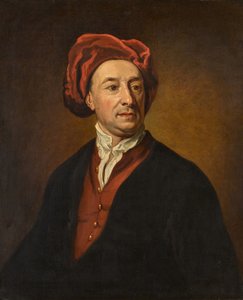
Jean-Baptiste Monnoyer
1636 - 1699 , Francia
Datos clave
- Artistas Que Influyeron:
- Davidsz de Heem
- Fyt
- Hieronymus Galle
- Fecha De Fallecimiento: 1699
- Fecha De Nacimiento: 1636
- Lugar De Nacimiento: Lille, Francia
- Movimiento Artístico: Barroco francés
- Nacionalidad: Franco-Flamenco
- Nombre Completo: Jean-Baptiste Monnoyer
- Obras Notables: ['Le Livre de toutes sortes de fleurs']
Artículos relacionados
Blossoms of Time: A Historical & Aesthetic Exploration of Floral Painting Across Cultures
Explore the rich history of floral painting! Discover symbolism, techniques & masterpieces from Van Huysum to O'Keeffe. Expert insights for art lovers & collectors at ArtsDot.
Blossoming Symbolism: A Historical Journey Through Flowers in Western Painting
Explore the rich history of flower symbolism in Western painting! Discover how artists from the Renaissance to Modernism used blossoms to convey meaning, emotion & beauty. Learn about iconic artworks and movements.
Silent Narratives: Exploring the Enduring Appeal of Still Life Painting Across Centuries
Explore the rich history of still life painting with ArtsDot. Discover Dutch Masters, decode vanitas symbolism & learn about collecting timeless art. Expert insights and museum-quality reproductions.
Blossoms of Time: A Historical Journey Through Flower Painting
Explore the captivating history of flower painting! Discover Dutch masters, symbolic meanings, & botanical art. Expert insights & high-quality reproductions at ArtsDot.
Jean-Baptiste-Siméon Chardin: Master of Still Life & Everyday Elegance
Explore the serene world of Jean-Baptiste-Siméon Chardin, master of still life & genre painting. Discover his revolutionary techniques, enduring legacy, and timeless depictions of everyday elegance. Learn more at ArtsDot.