 Vista previa
 Compartir
 Compartir
 Ver detalles

 Descargar
 Ver similares
 Radiografía
 Presentación de diapositivas
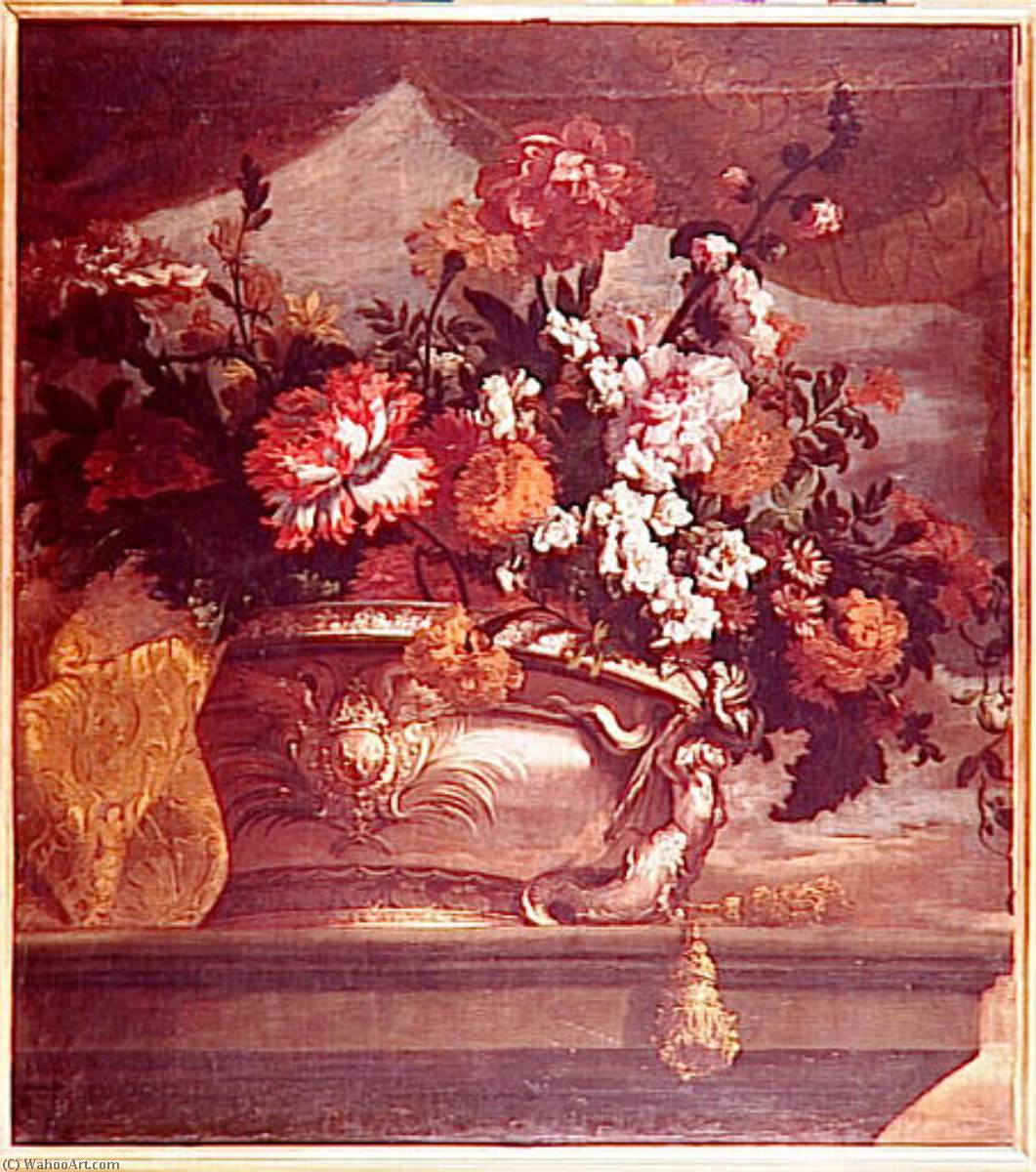
Vase d'argent avec des fleurs


 Leer más
Reproducción al óleo hecha a mano
Óleo sobre lienzo pintado a mano en el tamaño y marco de su elección, realizado por encargo por nuestros artistas. ( Pedir impresión Comprar descarga)




P118B $10

P118H $10

P118W $10

P438Z $10

P508JH $12

P508YH $12

P805H $10

P805Z $10

P919BZ $10

P919G $10

P919XJ $10

P959ZH $10

P968JZ $12

W106C $8

W218G $10

W218JH $8

W218Y $10

W307PJ $10

W316G $10

W316PJ $8

W316Y $10

W398PJ $8

W4111J $10

W500HY $15

W500JH $15

W692G $12

W849H $8

W940BG $15

W953PJ $8




Elija entre nuestros tamaños predefinidos que respetan las proporciones originales de la obra.

Puede ingresar sus propias dimensiones para adaptarse a un marco o espacio específico. Si el tamaño seleccionado no coincide con las proporciones de la imagen original, recortaremos la obra o extenderemos la pintura con elementos adicionales pintados a mano. Se le enviará una maqueta digital para su aprobación antes de comenzar la producción.
Tenga en cuenta que la vista previa en pantalla no refleja el recorte o la extensión reales. Solo la maqueta mostrará con precisión la composición final.
Si bien existen tamaños personalizados, recomendamos seleccionar una dimensión de la lista predefinida para preservar las proporciones originales.
Tras realizar el pedido, el equipo de ArtsDot.com enviará un correo electrónico al cliente para solicitar instrucciones y proporcionarle una vista previa del boceto.
Envío a todo el mundo () en 3-4 semanas en lugar de las 5 semanas estándar. (20 agosto). Sin comprometer la calidad.

Envío exprés gratuito a todo el mundo

Lienzo de lino de alta calidad

Seguro de envío completo

Garantía de reembolso de aranceles aduaneros

Garantía de fidelidad cromática exacta

Política de devolución de 60 días (solo por defectos)

Garantía de devolución del 100% del dinero

Oferta por volumen
 La opción de vidrio solo está disponible en tamaños inferiores a 110 cm.

Vase d'argent avec des fleurs
Técnica de reproducción
Tamaño de la reproducción
-


Precio total
$ 263
Descripción de la obra
A Gilded Still Life: Jean Baptiste Monnoyer’s “Vase d’argent avec des fleurs”
Jean Baptiste Monnoyer's "Vase d’argent avec des fleurs" is more than a simple depiction of floral arrangement; it’s a meticulously crafted tableau brimming with Baroque elegance, subtle symbolism, and the quiet beauty of a bygone era. Painted in 1673, this exquisite piece offers a glimpse into the refined world of French aristocratic interiors and showcases Monnoyer's mastery of light, texture, and the art of capturing fleeting moments of natural splendor. The painting’s enduring appeal lies not just in its aesthetic qualities but also in the story it whispers about wealth, artistry, and the transient nature of beauty itself.
The composition immediately draws the eye to a magnificent silver vase, its surface gleaming with an almost ethereal light. Overflowing from its curves are an abundance of flowers – roses, lilies, violets, and delicate blossoms in a riot of color that contrasts beautifully against the cool metallic tones of the vessel. A draped fabric serves as a luxurious backdrop, adding depth and a sense of theatrical drama to the scene. The vase rests upon a simple ledge, grounding the composition while simultaneously elevating the floral display. Monnoyer’s careful attention to detail is evident in every petal, leaf, and ripple of silver – a testament to his dedication to realism and his ability to render textures with astonishing accuracy.
Baroque Refinement: Style and Technique
Monnoyer's work firmly resides within the Baroque style, a period characterized by dramatic lighting, rich colors, and an emphasis on opulent detail. However, unlike some of the more overtly theatrical Baroque paintings, Monnoyer’s approach is remarkably restrained. The light is diffused and even, creating a soft, atmospheric glow that illuminates the flowers without overwhelming them. This subtle illumination contributes to the painting's overall sense of tranquility and elegance. The artist employs a smooth, blended brushstroke technique, particularly evident in the rendering of the silver – a skill honed during his time at the Gobelins tapestry workshops, where he was responsible for creating detailed cartoons for weavers.
The use of oil paint on canvas is crucial to achieving this effect. The layering and blending of colors create a sense of depth and luminosity, while the subtle variations in brushwork add texture and visual interest. Monnoyer’s meticulous attention to detail—from the delicate veins of the leaves to the intricate patterns on the silver—demonstrates his profound understanding of both botanical accuracy and artistic technique. The painting feels less like a straightforward representation of flowers and more like a carefully constructed illusion, inviting the viewer to lose themselves in its beauty.
Symbolism and Context: Wealth, Beauty, and Mortality
Still lifes during the 17th century were not merely decorative; they often carried symbolic weight. In “Vase d’argent avec des fleurs,” the silver vase itself is a potent symbol of wealth and status – a hallmark of aristocratic taste and refinement. The abundance of flowers, particularly roses and lilies (often associated with purity and love), speaks to themes of beauty, romance, and the fleeting nature of life. Flowers are inherently transient; their vibrant colors and delicate forms represent the ephemeral quality of earthly pleasures.
Considering Monnoyer’s career trajectory – his early work at the Hôtel Lambert, a wealthy merchant's residence, and later commissions for royal palaces – it’s clear that he was deeply attuned to the tastes and values of the French aristocracy. The painting reflects this sensibility, offering a carefully curated vision of beauty and luxury designed to delight the eye and evoke a sense of refined pleasure. The inclusion of the arms of France on the vase further reinforces its connection to royal patronage and underscores the importance of artistic skill in serving the interests of the crown.
A Timeless Masterpiece: Emotional Impact and Legacy
“Vase d’argent avec des fleurs” is a painting that continues to resonate with viewers centuries after it was created. Its delicate beauty, masterful technique, and subtle symbolism combine to create an experience that is both visually stunning and emotionally evocative. The painting invites us to contemplate the transient nature of beauty, the importance of art as a reflection of wealth and status, and the enduring power of floral imagery. Reproductions of this piece offer a chance to bring a touch of Baroque elegance into any space, capturing not only its visual splendor but also the quiet contemplation it inspires.
Obras relacionadas

Biografía del artista
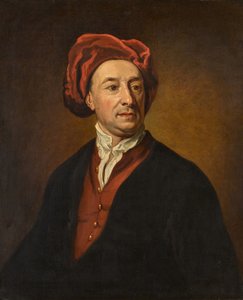
Jean-Baptiste Monnoyer: Una Vida Dedicada a las Flores y los Tapices
- Nacido: Lille, Francia (1636)
- Fallecido: Londres, Inglaterra (1699)
Jean-Baptiste Monnoyer fue un pintor franco-flamenco reconocido por sus exquisitos bodegones florales y sus importantes contribuciones a las artes decorativas. Su carrera abarcó tanto Francia como Inglaterra, dejando una huella duradera en el diseño de tapices y la pintura de naturalezas muertas florales.
Primeros Años y Formación
Nacido en Lille en 1636, Monnoyer demostró talento artístico desde temprana edad. Se trasladó a París alrededor de 1650, donde comenzó su carrera trabajando en proyectos decorativos para el Hôtel Lambert. Esta exposición inicial a encargos cortesanos probablemente moldeó su estilo y temática futuros. Fue acogido bajo la tutela de Charles Le Brun, un artista destacado de la época, quien lo empleó en la decoración de varias residencias reales, incluyendo el Château de Marly y la residencia del Gran Delfín en el Château de Meudon. Estas experiencias le proporcionaron una formación invaluable y acceso a mecenas influyentes.
Desarrollo Artístico y Obras Principales
La especialidad artística de Monnoyer eran los bodegones florales, a menudo combinados con objets d'art. Se convirtió en miembro de la Académie Royale de Peinture et de Sculpture en 1665, consolidando su posición dentro del mundo artístico francés. Su trabajo en los talleres de tapices de Gobelins y Beauvais fue particularmente significativo. Creó cartones –diseños preliminares– para motivos de frutas y flores utilizados en tapices, demostrando una aguda comprensión tanto de la composición artística como de la producción industrial. Estas colaboraciones resultaron en lujosas suites como "El Emperador Chino", que mostraban su capacidad para traducir la belleza floral en obras decorativas a gran escala.
- Diseños para Tapices: Los diseños de Monnoyer para los talleres de Gobelins y Beauvais fueron muy solicitados, contribuyendo significativamente a la producción de tapices lujosos.
- Pinturas de Bodegón: Sus pinturas individuales de bodegones se caracterizan por colores vibrantes, detalles meticulosos y una sensación de abundancia opulenta.
- Grabados: *Le Livre de toutes sortes de fleurs d'après nature* (El Libro de Todas las Clases de Flores Según la Naturaleza) fue una publicación crucial que mostraba su precisión botánica e influía en los diseñadores decorativos durante décadas.
Carrera Posterior en Inglaterra
En 1690, Monnoyer se mudó a Londres por invitación de Ralph Montagu. Pasó casi una década creando más de cincuenta paneles de frutas y flores para chimeneas y puertas superiores, principalmente para Montagu House (más tarde conocida como el British Museum) y otras residencias prominentes como Boughton House en Northamptonshire. Este período marcó una fase significativa en su carrera, demostrando su adaptabilidad a los gustos ingleses al tiempo que mantenía su estilo distintivo.
Influencia y Legado
La influencia de Monnoyer se extendió más allá de su vida a través de sus grabados, que difundieron ampliamente sus diseños florales. Su trabajo influyó significativamente en las artes decorativas, inspirando a fabricantes de tapices y otros artesanos durante generaciones. Es recordado como un maestro del bodegón floral, un hábil diseñador para tapices y un artista que logró unir con éxito las tradiciones artísticas francesas e inglesas.
Jean-Baptiste Monnoyer
1636 - 1699 , Francia
Datos clave
- Artistas Que Influyeron:
- Davidsz de Heem
- Fyt
- Hieronymus Galle
- Fecha De Fallecimiento: 1699
- Fecha De Nacimiento: 1636
- Lugar De Nacimiento: Lille, Francia
- Movimiento Artístico: Barroco francés
- Nacionalidad: Franco-Flamenco
- Nombre Completo: Jean-Baptiste Monnoyer
- Obras Notables: ['Le Livre de toutes sortes de fleurs']
Artículos relacionados
Simon Vouet: A Baroque Master's Journey from Italian Influence to French Classicism
Explore the life & art of Simon Vouet, a pivotal French Baroque painter who introduced Italian styles to France. Discover his masterpieces and lasting influence on 17th-century art.
Silent Narratives: Exploring the Enduring Appeal of Still Life Painting Across Centuries
Explore the rich history of still life painting with ArtsDot. Discover Dutch Masters, decode vanitas symbolism & learn about collecting timeless art. Expert insights and museum-quality reproductions.

Drama Barroca: Llevando la Grandeza y la Emoción a los Interiores Contemporáneos
Descubre cómo el drama y la grandeza del arte barroco pueden transformar tus interiores. Guía experta, inspiración y reproducciones de alta calidad en .
The Enduring Appeal of Still Life: A Historical & Contemporary Exploration
Explore the rich history & symbolism of still life painting with ArtsDot. Discover masterpieces from the Dutch Golden Age, learn about vanitas art, and find expert guidance for collecting timeless artworks.

Barroco Sublime: 10 Obras Maestras que Definieron una Época |
Descubre las 10 obras maestras del Barroco que marcaron una época. Caravaggio, Bernini y Velázquez cobran vida en . Reproducciones de arte de calidad museo para decorar tu hogar con elegancia. ¡Explora la colección online!