 Ver en contexto
 Enviar
 Compartir
 Detalles

 Descargar
 Similares
 Radiografía
 Presentación de diapositivas
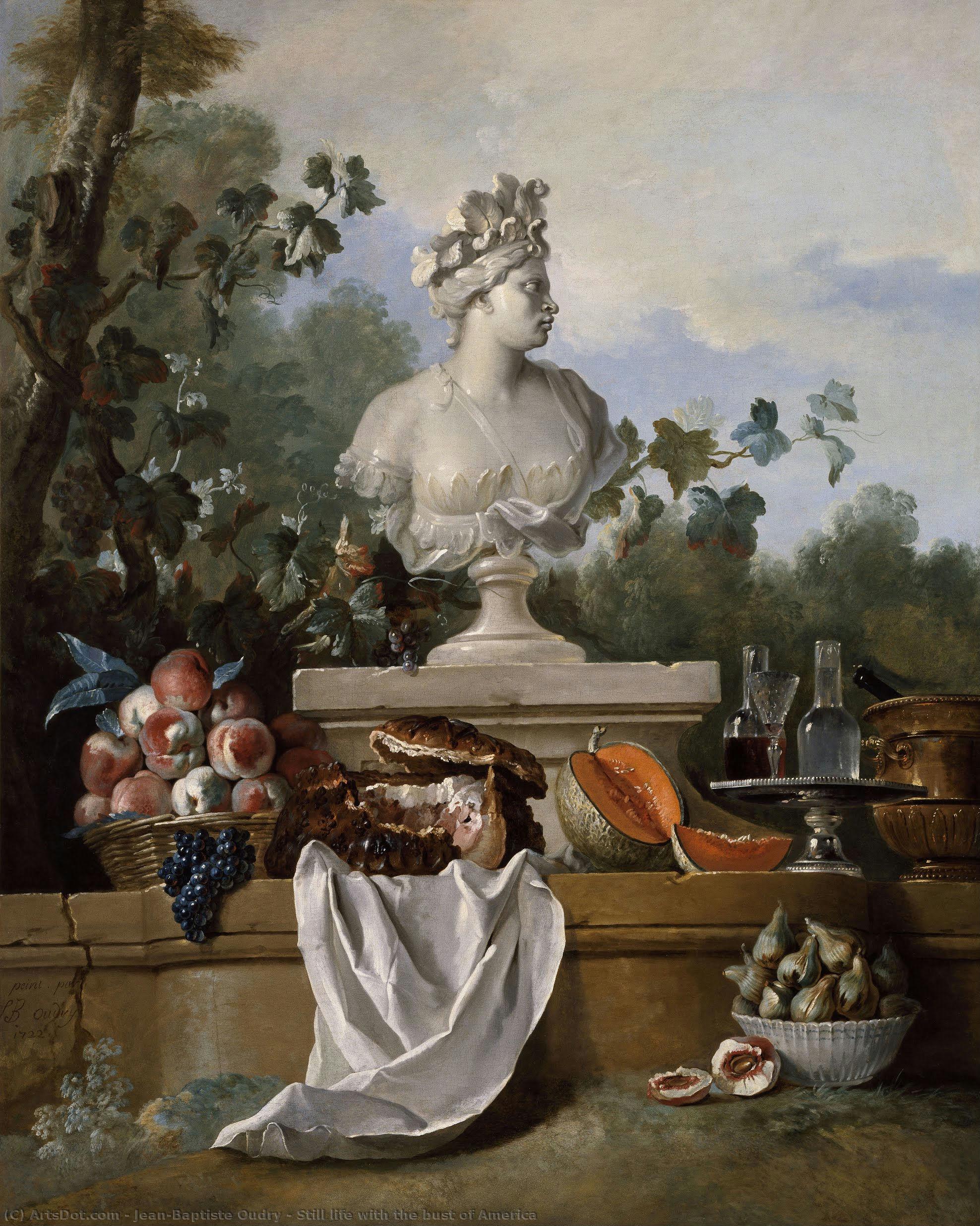
Still life with the bust of America


 Ver más
Reproducción al óleo hecha a mano
Óleo sobre lienzo pintado a mano en el tamaño y marco de su elección, realizado por encargo por nuestros artistas. ( Comprar impresión Comprar imagen)




P118B $10

P118H $10

P118W $10

P438Z $10

P508JH $12

P508YH $12

P805H $10

P805Z $10

P919BZ $10

P919G $10

P919XJ $10

P959ZH $10

P968JZ $12

W106C $8

W218G $10

W218JH $8

W218Y $10

W307PJ $10

W316G $10

W316PJ $8

W316Y $10

W398PJ $8

W4111J $10

W500HY $15

W500JH $15

W692G $12

W849H $8

W940BG $15

W953PJ $8




Elija entre nuestros tamaños predefinidos que respetan las proporciones originales de la obra.

Puede ingresar sus propias dimensiones para adaptarse a un marco o espacio específico. Si el tamaño seleccionado no coincide con las proporciones de la imagen original, recortaremos la obra o extenderemos la pintura con elementos adicionales pintados a mano. Se le enviará una maqueta digital para su aprobación antes de comenzar la producción.
Tenga en cuenta que la vista previa en pantalla no refleja el recorte o la extensión reales. Solo la maqueta mostrará con precisión la composición final.
Si bien existen tamaños personalizados, recomendamos seleccionar una dimensión de la lista predefinida para preservar las proporciones originales.
Tras realizar el pedido, el equipo de ArtsDot.com enviará un correo electrónico al cliente para solicitar instrucciones y proporcionarle una vista previa del boceto.
Envío a todo el mundo () en 3-4 semanas en lugar de las 5 semanas estándar. (25 agosto). Sin comprometer la calidad.

Envío exprés gratuito a todo el mundo

Lienzo de lino de alta calidad

Seguro de envío total

Garantía de reembolso de impuestos aduaneros

Garantía de fidelidad cromática exacta

Política de devolución de 60 días (solo por defectos)

Garantía de devolución del 100% del dinero

Descuento por cantidad
 La opción de vidrio solo está disponible en tamaños inferiores a 110 cm.

Still life with the bust of America
Técnica de reproducción
Dimensiones de la reproducción
-


Precio total final
$ 263
Descripción de la obra
Jean-Baptiste Oudry’s Still Life with the Bust of America: A Celebration of New World Bounty
Jean-Baptiste Oudry's "Still life with the bust of America," painted in 1722, is more than a simple arrangement of fruits and delicacies; it’s a vibrant tableau capturing the spirit of an era – the opulent court of Louis XV and his fascination with the treasures arriving from the New World. This exquisite piece offers a glimpse into a world where tradition and innovation danced together on the table, reflecting a burgeoning appetite for exotic goods and a celebration of French artistry.
Oudry, a master of naturalistic painting, particularly renowned for his depictions of animals and hunting scenes, skillfully employs light and shadow to bring this still life to life. The composition is meticulously balanced, drawing the eye from the gleaming silver dishes and carafes in the foreground towards the central figure – the allegorical bust of America herself. Notice how Oudry’s brushwork isn't about stark outlines but rather a delicate layering of tones that imbue each object with a palpable sense of texture and volume. The peaches, melons, grapes, and pâté en croûte aren’t merely presented; they are rendered with an almost obsessive attention to detail – the subtle variations in color, the glistening sheen of the fruit, the flaky crust of the pastry.
The Symbolism of Exotic Delights
The choice of objects within this still life is profoundly symbolic. Oudry deliberately incorporates items associated with the royal hunt—a testament to Louis XV’s passion for sport and his court's lavish lifestyle—but juxtaposes them with a dazzling array of New World delicacies. The figs, pineapples, and coffee beans, prominently featured in the bust’s form, represent the exotic bounty brought back from America, a source of immense fascination and prestige at Versailles. The inclusion of these items wasn’t simply about showcasing luxury; it was a deliberate statement about France's role as a center for trade and cultural exchange, embracing innovation while honoring established traditions.
The bust itself is key to understanding the painting’s message. It embodies America – not in a literal sense, of course, but as a symbol of potential wealth, abundance, and the promise of discovery. The figure's pose, radiating an aura of grace and confidence, mirrors the excitement surrounding these new imports. The gilded silver cooler, holding a bottle, further emphasizes this theme of luxury and refinement – a tangible representation of the era’s pursuit of pleasure and sophistication.
Rococo Elegance and Artistic Technique
“Still life with the bust of America” is a quintessential example of Rococo art. Characterized by its elegance, lightness, and playful subject matter, the painting reflects the aristocratic tastes of the time. Oudry’s use of pastel colors – soft pinks, yellows, and greens – creates an atmosphere of airy beauty, while his delicate brushwork and meticulous attention to detail contribute to the overall sense of refinement. The composition is carefully arranged to create a harmonious balance, with each element contributing to the painting's visual appeal.
Oudry’s skill as an engraver also informed his painting style; he was known for capturing subtle nuances and textures with remarkable precision. This translates beautifully into this still life, where every surface—from the smooth skin of a peach to the rough texture of the wicker basket—appears remarkably realistic. The lighting is particularly masterful, creating a sense of depth and volume that draws the viewer into the scene.
A Window into 18th-Century France
Beyond its aesthetic beauty, “Still life with the bust of America” offers a valuable insight into the cultural landscape of 18th-century France. It’s a snapshot of a court eager to embrace new experiences and celebrate the wealth brought in by colonial trade. Oudry's painting captures not just the objects themselves but also the spirit of an era—a time of lavish entertainment, artistic innovation, and a fascination with the exotic. Reproducing this artwork allows you to bring this captivating scene into your home, offering a tangible connection to a bygone world of elegance and refinement.
Obras relacionadas
Biografía del artista
Jean-Baptiste Oudry: Una Vida en el Arte
Primeros Años y Formación
- Nacimiento: 17 de marzo de 1686, en París, Francia.
- Oudry provino de una familia profundamente ligada al arte; su padre, Jacques Oudry, era pintor y marchante de arte. Su madre, Nicole Papillon, tenía vínculos con el reconocido grabador Jean-Baptiste-Michel Papillon.
- Inició su formación en la Académie de Saint-Luc, bajo la tutela de Nicolas de Largillière entre 1707 y 1712. Este periodo fundacional fue crucial para moldear sus primeras habilidades en el retrato y la observación minuciosa.
- Su ascenso fue meteórico, convirtiéndose en profesor asistente en la Académie de Saint-Luc en 1714 y alcanzando la categoría de profesor titular para el año 1717.
Desarrollo Artístico y Estilo
- Aunque inicialmente se centró en el retrato, Oudry expandió gradualmente su repertorio para incluir naturalezas muertas, con un énfasis especial en frutas y animales, así como temas religiosos.
- Su estilo evolucionó hacia el Rococó, un movimiento caracterizado por la elegancia, el naturalismo y una representación lúdica de la vida aristocrática y el ocio.
- La atención meticulosa al detalle y su asombrosa capacidad para capturar las texturas y las características singulares de los animales se convirtieron en los sellos distintivos de su obra.
- Demostró una maestría absoluta tanto en la pintura como en el diseño, transitando con fluidez entre la creación de lienzos y la elaboración de tapices.
Grandes Logros y Obras Notables
- Los Diversiones Pastorales (Les Amusements Champêtres): Una serie de tapices diseñados para la Real Manufactura de Tapices de Beauvais, que exhiben escenas idílicas de la vida rural y la caza.
- Luis XV cazando un ciervo en el bosque de Saint-Germain (1730): Esta pintura consolidó la reputación de Oudry como el pintor oficial de la caza real. La obra ejemplifica su destreza para retratar tanto la grandeza de la cacería como la belleza del entorno natural.
- Cacerías Reales de Luis XV (Chasses Royales Gobelins): Una serie de diseños para tapices destinados a la Manufactura de Gobelins, lo que reafirmó su prominencia como diseñador de tapices.
- Numerosos retratos de piezas de caza encargados por el propio Rey Luis XV, los cuales demuestran su pericia en la anatomía animal y la composición de naturalezas muertas.
Influencias y Legado
- Influenciado por: Nicolas de Largillière desempeñó un papel crucial en el desarrollo artístico temprano de Oudry, proporcionándole una formación fundamental en técnica y retrato.
- La obra de Oudry influyó en las generaciones posteriores de pintores de animales y diseñadores de tapices. Su estilo naturalista y su precisión establecieron un nuevo estándar para la representación de la vida silvestre.
- Contribuyó significativamente a las artes decorativas de la corte francesa, creando tapices lujosos que adornaron las residencias reales.
Significado Histórico
- La obra de Oudry ofrece una visión invaluable de la vida aristocrática del siglo XVIII y de la importancia de la caza como pasatiempo para la nobleza francesa.
- Sus tapices son considerados obras maestras del arte decorativo francés, mostrando la destreza técnica y la creatividad artística de la época.
- Fue nombrado para ocupar cargos prestigiosos dentro de la Académie Royale de Peinture et de Sculpture, lo que demuestra su reconocimiento como un artista líder de su tiempo.
- Fallecimiento: 30 de abril de 1755, dejando tras de sí un legado de pinturas y tapices exquisitos que continúan siendo admirados en la actualidad.
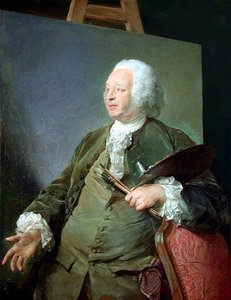
Jean-Baptiste Oudry
1686 - 1755 , Francia
Datos clave
- Artistic Movement Or Style: Rococo
- Artists Who Influenced This Artist: Nicolas de Largillière
- Date Of Birth: 17 March 1686
- Full Name: Jean-Baptiste Oudry
- Nationality: French
- Notable Artworks:
- The Pastoral Amusements
- Louis XV hunting a deer in the forest of Saint-Germain
- Place Of Birth: Paris, France
Artículos relacionados

Rococó: 10 Obras Maestras que Definieron una Época | Arte y Decoración en
Descubre las 10 obras maestras del Rococó que marcaron una época. Explora la elegancia de Fragonard, Boucher y Watteau en . Reproducciones de arte de calidad museo para decorar tu hogar con estilo.

La Estética Rococó: Opulencia, Rebelión y Placer en el Arte del Siglo XVIII
Descubre la fascinante estética rococó: su historia, características clave y los artistas más influyentes del siglo XVIII. Un análisis profundo para amantes del arte y coleccionistas.
Silent Narratives: Exploring the Enduring Appeal of Still Life Painting Across Centuries
Explore the rich history of still life painting with ArtsDot. Discover Dutch Masters, decode vanitas symbolism & learn about collecting timeless art. Expert insights and museum-quality reproductions.
The Enduring Appeal of Still Life: A Historical & Contemporary Exploration
Explore the rich history & symbolism of still life painting with ArtsDot. Discover masterpieces from the Dutch Golden Age, learn about vanitas art, and find expert guidance for collecting timeless artworks.
The Allure of Elegance in Art: A Historical & Aesthetic Exploration of Refinement & Grace
Explore the exquisite world of Rococo art! Discover its history, masters (Watteau, Boucher & more), and defining elegance. Expert insights for collectors seeking museum-quality reproductions & custom portraits.