 Ver en contexto
 Enviar
 Compartir
 Detalles

 Descargar
 Similares
 Radiografía
 Presentación de diapositivas
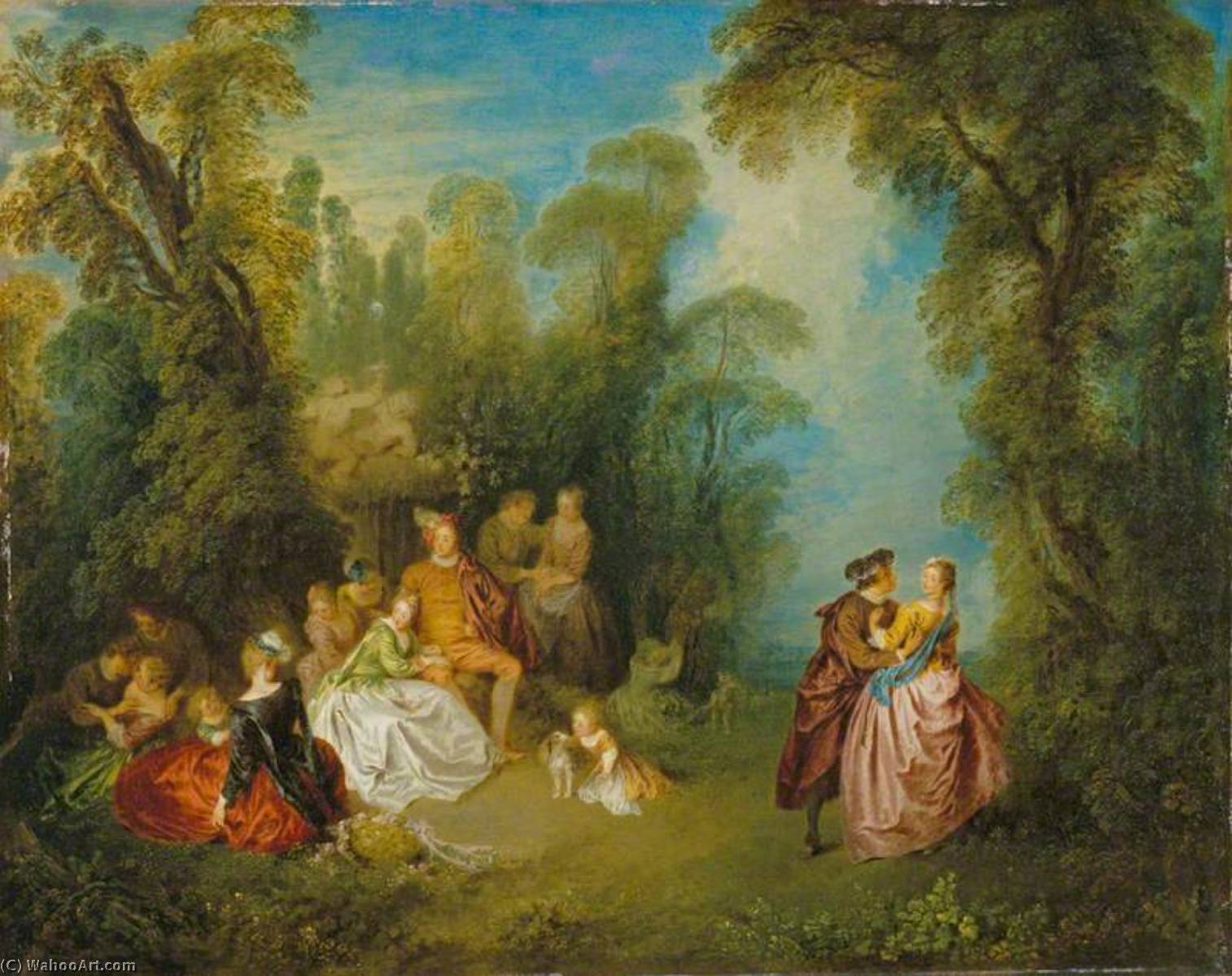
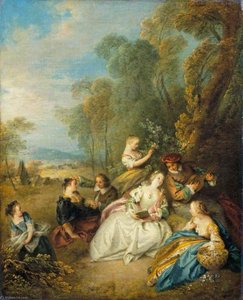
Gallant Conversation by a Fountain
 Acrylic On Canvas
- WallArt
- Rococo
 1720
1720 65.0 x 81.0 cm
 The Wallace Collection
 Ver más
Reproducción al óleo hecha a mano
Óleo sobre lienzo pintado a mano en el tamaño y marco de su elección, realizado por encargo por nuestros artistas. ( Comprar impresión Comprar imagen)




P118B $10

P118H $10

P118W $10

P438Z $10

P508JH $12

P508YH $12

P805H $10

P805Z $10

P919BZ $10

P919G $10

P919XJ $10

P959ZH $10

P968JZ $12

W106C $8

W218G $10

W218JH $8

W218Y $10

W307PJ $10

W316G $10

W316PJ $8

W316Y $10

W398PJ $8

W4111J $10

W500HY $15

W500JH $15

W692G $12

W849H $8

W940BG $15

W953PJ $8




Elija entre nuestros tamaños predefinidos que respetan las proporciones originales de la obra.

Puede ingresar sus propias dimensiones para adaptarse a un marco o espacio específico. Si el tamaño seleccionado no coincide con las proporciones de la imagen original, recortaremos la obra o extenderemos la pintura con elementos adicionales pintados a mano. Se le enviará una maqueta digital para su aprobación antes de comenzar la producción.
Tenga en cuenta que la vista previa en pantalla no refleja el recorte o la extensión reales. Solo la maqueta mostrará con precisión la composición final.
Si bien existen tamaños personalizados, recomendamos seleccionar una dimensión de la lista predefinida para preservar las proporciones originales.
Tras realizar el pedido, el equipo de ArtsDot.com enviará un correo electrónico al cliente para solicitar instrucciones y proporcionarle una vista previa del boceto.
Envío a todo el mundo () en 3-4 semanas en lugar de las 5 semanas estándar. (23 agosto). Sin comprometer la calidad.

Envío exprés gratuito a todo el mundo

Lienzo de lino de alta calidad

Seguro de envío total

Garantía de reembolso de impuestos aduaneros

Garantía de fidelidad cromática exacta

Política de devolución de 60 días (solo por defectos)

Garantía de devolución del 100% del dinero

Descuento por cantidad
 La opción de vidrio solo está disponible en tamaños inferiores a 110 cm.

Gallant Conversation by a Fountain
Técnica de reproducción
Dimensiones de la reproducción
-


Precio total final
$ 263
Descripción de la obra
A Moment of Refined Discourse: Jean-Baptiste Pater’s “Conversation Galante by a Fountain”
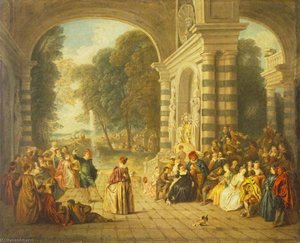
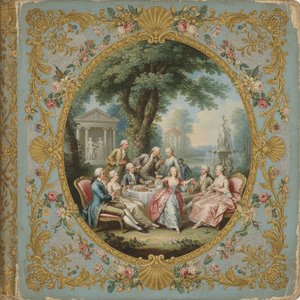
Jean-Baptiste Pater's "Conversation Galante by a Fountain," painted circa 1720-23, is more than just a charming depiction of an afternoon gathering; it’s a meticulously crafted tableau vivant—a snapshot of the burgeoning Rococo aesthetic and its fascination with leisure, wit, and the delicate dance between appearance and reality. Created during a pivotal moment in French art history, this painting stands as a testament to Pater's profound influence under the tutelage of Antoine Watteau, while simultaneously establishing his own distinct voice within the movement. The scene unfolds within a meticulously rendered park-like setting, bathed in the soft light characteristic of the Rococo period – a deliberate choice designed to evoke an atmosphere of idyllic tranquility and sophisticated amusement.
The composition is immediately arresting. A group of elegantly dressed figures—men and women alike—are clustered around a fountain, their gestures suggesting animated conversation. Pater masterfully employs a shallow depth of field, drawing the viewer’s eye into the heart of the scene while subtly hinting at an expansive, verdant backdrop. Notice the careful arrangement of the subjects; they are not merely positioned within the space but actively engaged with it, creating a sense of intimacy and shared experience. The inclusion of a playful dog adds a touch of domesticity to this refined gathering, further emphasizing the painting’s theme of leisurely enjoyment.
The Influence of Watteau and Pater's Distinct Style
Pater’s relationship with Antoine Watteau was complex and ultimately fraught with tension. Watteau, considered the father of the *fête galante* genre—a style characterized by its depictions of aristocratic gatherings in idyllic landscapes—was a significant influence on Pater’s early artistic development. Pater apprenticed under Watteau for a brief period, absorbing the master's techniques and his penchant for capturing fleeting moments of beauty and grace. However, their differing approaches ultimately led to a parting of ways. While Watteau favored a more ethereal and dreamlike quality, Pater developed a distinctly more grounded and meticulously detailed style.
This distinction is readily apparent in “Conversation Galante.” Pater’s brushwork is noticeably firmer and more controlled than Watteau's loose, atmospheric strokes. He pays particular attention to the rendering of fabrics—the rustling silks, the velvet jackets, the lace collars—creating a palpable sense of texture and luxury. The figures themselves are rendered with a remarkable degree of realism, their expressions subtly conveying a range of emotions – amusement, contemplation, and perhaps even a hint of playful rivalry. Pater’s use of light is equally masterful, creating a warm, inviting glow that illuminates the scene and draws the viewer into its embrace.
Symbolism and the Rococo Ideals
“Conversation Galante” is replete with symbolic details that reflect the core values of the Rococo era. The fountain itself represents abundance, fertility, and the flow of life—a potent symbol of prosperity and social harmony. The carefully chosen attire of the figures speaks to their status and refinement, while their animated conversation suggests a shared appreciation for wit, intelligence, and social grace. The inclusion of the dog further reinforces the theme of domesticity and companionship.
Beyond these immediate symbols, the painting also engages with broader philosophical ideas prevalent during the 18th century. The *fête galante* genre, in which Pater excelled, was a deliberate critique of the rigid formality of courtly life. It celebrated the pleasures of leisure, the importance of social interaction, and the pursuit of beauty—values that resonated deeply with the aristocracy of the time. Pater’s painting embodies these ideals perfectly, offering a glimpse into a world of refined amusement and sophisticated conversation.
A Legacy of Elegance: Reproduction Possibilities
Reproducing “Conversation Galante by a Fountain” in high quality offers an exceptional opportunity to bring this captivating scene into any interior space. The painting’s delicate color palette, intricate details, and evocative atmosphere create a sense of timeless elegance that will complement a wide range of décor styles. Whether displayed as a statement piece in a formal salon or incorporated into a more casual setting, this reproduction captures the essence of Rococo artistry and invites viewers to lose themselves in its world of refined discourse and idyllic beauty. Consider framing options ranging from classic wood profiles to contemporary metal designs to perfectly complement your personal style.
Obras relacionadas
Biografía del artista
Jean-Baptiste Pater: El único discípulo de Watteau
Jean-Baptiste Pater (29 de diciembre de 1695 – 25 de julio de 1736) se erige como una figura singular en los anales del arte rococó francés, siendo el único alumno documentado de Antoine Watteau, posiblemente el artista más célebre de este movimiento. Nacido en Valenciennes, Francia, la trayectoria artística de Pater comenzó bajo la tutela de su padre escultor, Antoine Pater, lo que fomentó un temprano aprecio por la forma y la maestría artesanal que informaría sus esfuerzos posteriores. Sin embargo, fue Watteau quien moldeó irrevocablemente la visión de Pater, estableciendo una relación marcada tanto por la admiración como por la fricción, una dinámica que finalmente dio lugar a uno de los pintores más influyentes de su época.- Formación temprana e influencias: Los años formativos de Pater transcurrieron perfeccionando sus habilidades bajo la guía de Antoine Pater, absorbiendo los principios fundamentales de la escultura antes de embarcarse en sus estudios artísticos con Jean-Baptiste Guide. Esta base inicial resultó inestimable cuando más tarde buscó la mentoría de Watteau en París (1713), donde el estilo distintivo del maestro —caracterizado por delicadas paletas pastel y etéreas líneas brillantes— cautivó de inmediato al joven Pater.
- La conexión con Watteau: La influencia de Watteau se extendió más allá de la mera imitación estilística; permeó el marco conceptual de Pater. A pesar del temperamento notoriamente difícil de Watteau, Pater reconoció la profunda comprensión del maestro sobre la atmósfera y la emoción, cualidades que persiguió diligentemente en su propia obra. La breve colaboración entre ambos artistas consolidó el legado de Watteau como la fuerza guía de Pater.
- Estilo y técnica rococó: El estilo artístico de Pater personificaba la estética rococó: una celebración de la elegancia, la frivolidad y el placer sensual. Empleó una técnica magistral utilizando colores pastel tradicionales y aplicando líneas brillantes con una precisión notable. Este enfoque distintivo anticipa las exploraciones posteriores de Francesco Guardi sobre la perspectiva atmosférica, demostrando las agudas habilidades observacionales y el espíritu innovador de Pater.
Obras notables y mecenazgo
La producción artística de Pater se centró principalmente en las fêtes galantes, escenas idílicas que representan reuniones aristocráticas entre jardines o paisajes, un género defendido por Watteau y perfeccionado por el propio Pater. Entre sus lienzos más celebrados se encuentra “Conversation Galante”, una representación impresionante de la refinada interacción social bañada por una luz suave, capturando la esencia de la preocupación del Rococó por la belleza y la gracia. Otro logro significativo es “Paisaje con un carro”, que muestra la capacidad de Pater para transmitir matices sutiles de textura y color, una pieza considerada precursora del uso revolucionario de la perspectiva atmosférica por parte de Guardi.- Federico el Grande: Pater alcanzó un renombre considerable gracias a sus encargos de retratos para Federico II, Rey de Prusia, específicamente “Le Sultan au Harem” y “Le Sultan au Jardin”. Estos retratos ejemplifican la habilidad de Pater para retratar la dignidad real y capturar las complejidades psicológicas de sus sujetos, consolidando su reputación como artista de la corte.
- Colecciones de museos: Las pinturas de Pater residen en prestigiosas instituciones de todo el mundo, incluyendo el Museo del Louvre en París y el Musée des Beaux-Arts de Valenciennes, testimonios de su perdurable mérito artístico y su importancia histórica.
Legado y trascendencia artística
La contribución de Jean-Baptiste Pater al arte rococó francés es innegable. Se mantiene como una figura fundamental en la captura del espíritu de su era, encarnando las innovaciones estilísticas de Watteau mientras forjaba su propia voz artística distintiva. Su técnica meticulosa y sus composiciones evocadoras continúan inspirando admiración tanto en historiadores del arte como en entusiastas, un testimonio del legado perdurable de Pater como uno de los pintores más destacados de la Francia del siglo XVIII. Para una comprensión más profunda de la vida y la obra de Pater, visite ArtsDot o explore el sitio web del Musée des Beaux-Arts de Valenciennes.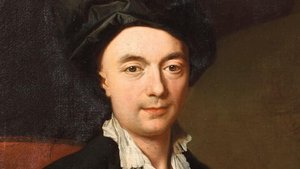
Jean-Baptiste Pater
1695 - 1736 , Francia
Datos clave
- Artistic Movement Or Style: Rococó Pastel Palette
- Artists Or Movements Influenced By This Artist: ['Francesco Guardi']
- Artists Who Influenced This Artist: ['Antoine Watteau']
- Date Of Birth: December 29, 1695
- Date Of Death: July 25, 1736
- Full Name: Jean-Baptiste Joseph Pater
- Nationality: Francés
- Notable Artworks:
- Conversation Galante
- Landscape with a Cart
- Place Of Birth: Valenciennes, France
Artículos relacionados
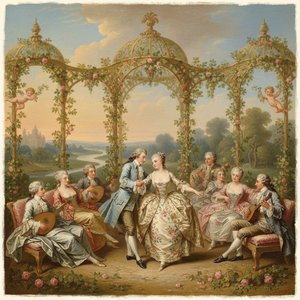
Jean-Baptiste Pater: Rococo Charm & Ephemeral Beauty of 18th-Century France
Explore the captivating world of Jean-Baptiste Pater, a master of Rococo painting. Discover his elegant *fête galante* scenes and shimmering portraits – a glimpse into 18th-century French aristocracy. Learn about his legacy & find high-quality reproductions.

Rococó: 10 Obras Maestras que Definieron una Época | Arte y Decoración en
Descubre las 10 obras maestras del Rococó que marcaron una época. Explora la elegancia de Fragonard, Boucher y Watteau en . Reproducciones de arte de calidad museo para decorar tu hogar con estilo.

La Estética Rococó: Opulencia, Rebelión y Placer en el Arte del Siglo XVIII
Descubre la fascinante estética rococó: su historia, características clave y los artistas más influyentes del siglo XVIII. Un análisis profundo para amantes del arte y coleccionistas.
The Allure of Elegance in Art: A Historical & Aesthetic Exploration of Refinement & Grace
Explore the exquisite world of Rococo art! Discover its history, masters (Watteau, Boucher & more), and defining elegance. Expert insights for collectors seeking museum-quality reproductions & custom portraits.
The Rococo Style: Aristocratic Leisure & the Pursuit of Delight in 18th-Century Art
Explore the opulent world of Rococo art! Discover Watteau, Boucher & Nattier's masterpieces. Expert insights for collectors seeking museum-quality reproductions and custom portraits at ArtsDot.