 Ver en contexto
 Enviar
 Compartir
 Detalles

 Descargar
 Similares
 Radiografía
 Presentación de diapositivas
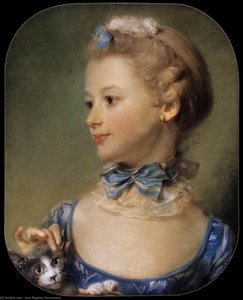
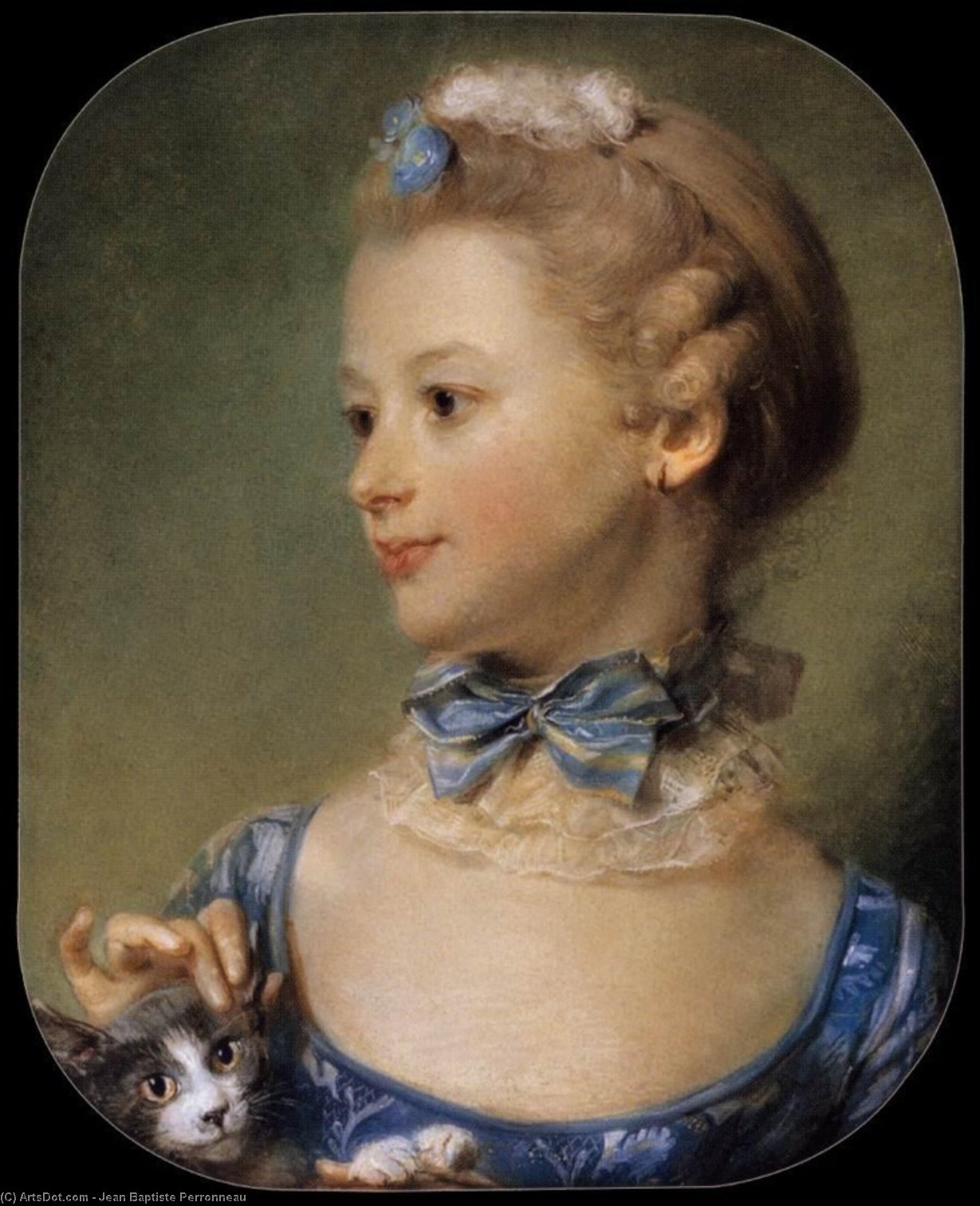
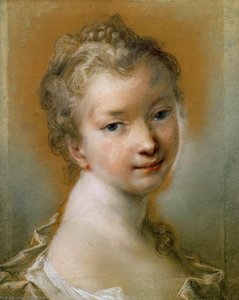
Mademoiselle Huquier


 Ver más
Giclée / Impresión de arte
Impresiones giclée o en lienzo de calidad de museo con producción rápida y opciones de acabado flexibles. ( Comprar pintura hecha a mano Comprar imagen)




P118B $10

P118H $10

P118W $10

P438Z $10

P508JH $12

P508YH $12

P805H $10

P805Z $10

P919BZ $10

P919G $10

P919XJ $10

P959ZH $10

P968JZ $12

W106C $8

W218G $10

W218JH $8

W218Y $10

W307PJ $10

W316G $10

W316PJ $8

W316Y $10

W398PJ $8

W4111J $10

W500HY $15

W500JH $15

W692G $12

W849H $8

W940BG $15

W953PJ $8




Elija entre nuestros tamaños predefinidos que respetan las proporciones originales de la obra.

Puede introducir sus propias dimensiones para adaptarse a un marco o espacio específico. Si el tamaño seleccionado no coincide con las proporciones de la imagen original, recortaremos la obra de arte o extenderemos la imagen con un borde con efecto espejo o de color sólido. Se enviará una maqueta digital para su aprobación antes de que comience la producción.
Tenga en cuenta que la vista previa en pantalla no refleja el recorte o la extensión real. Solo la maqueta mostrará con precisión la composición final.
Aunque existen tamaños personalizados, recomendamos seleccionar una dimensión de la lista predefinida para preservar las proporciones originales.
Envío a todo el mundo () en 2 semanas en lugar de las 4/5 semanas estándar. (26 agosto)

Envío exprés gratuito a todo el mundo

Lienzo de lino de alta calidad

Seguro de envío total

Garantía de reembolso de impuestos aduaneros

Garantía de fidelidad cromática exacta

Política de devolución de 60 días (solo por defectos)

Garantía de devolución del 100% del dinero

Descuento por cantidad
 La opción de vidrio solo está disponible en tamaños inferiores a 110 cm.

Mademoiselle Huquier
Giclée / Impresión de arte
Dimensiones de la reproducción
-


Precio total final
$ 62
Descripción de la pieza
El delicado retrato de la inocencia de Jean Baptiste Perronneau: Mademoiselle Huquier
Jean Baptiste Perronneau, una figura que a menudo queda eclipsada por los titanes flamantes de la era Rococo como Boucher y Watteau, posee, sin embargo, un fascinación perdurable para los historiadores del arte. Su enfoque singular en capturar la emoción humana a través de la pastel —un medio notoriamente difícil de dominar— dio como resultado obras que resuenya con una intimidad y sutileza admirables. “Mademoiselle Huquier”, completada en 1747, ejemplifica este enfoque a la perfección.
- Temática: La pintura representa a Mademoiselle Huquier, hija de Gabriel Huquier, un destacado grabador parisino. Ella es retratada con una gracia serena, acunando en sus brazos a un gato atigrado, símbolo de la tranquilidad doméstica y la ternura maternal.
- Estilo y Técnica: El uso magistral de la pastel por parte de Perronneau distingue a “Mademoiselle Huquier” de sus contemporáneos. Los pigmentos de pastel, derivados de minerales pulverizados como la tiza y el carbón, ofrecen una luminosidad y un matiz tonal sin parangón, permitiendo gradaciones de color increíblemente delicadas que transmiten una profunda sensación de suavidad y belleza etérea. El artista emplea con destreza técnicas de rayado y difuminado para esculpir la forma y la textura, creando una superficie ilusionista que invita a la contemplación.
- Contexto Histórico: Creada durante el reinado de Luis XV, “Mademoiselle Huquier” refleja las sensibilidades estéticas predominantes del periodo, caracterizadas por el mecenazgo aristocrático y una preocupación por la feminidad idealizada. El estilo Rococo priorizaba la elegancia, la ornamentación y la asimetría juguetona, rechazando la grandeza del arte Barroco en favor de un lenguaje visual más sensual y emocionalmente expresivo.
- Simbolismo: Más allá de su representación de la belleza juvenil, “Mademoiselle Huquier” posee un peso simbólico. El gato representa el cuidado y la protección —un motivo común en el arte Rococo— mientras que la suave sonrisa de Mademoiselle Huquier transmite satisfacción y paz interior. Estos elementos contribuyen a la impresión general de armonía y refinamiento de la pintura.
- Impacto Emocional: La técnica de pastel de Perronneau logra una hazaña notable: captura no solo el parecido físico, sino también una cualidad intangible —la emoción— con una precisión asombrosa. El espectador es atraído al mundo de Mademoiselle Huquier, experimentando su serena quietud y ternura. Es un retrato que apela al deseo universal de belleza, inocencia y afecto maternal.
Esta exquisita reproducción en pastel captura la esencia de la visión artística de Perronneau: un testimonio de su dedicación a retratar el carácter humano con sensibilidad y gracia.
Obras relacionadas
Biografía del artista
A Delicate Hand: The Life and Art of Jean-Baptiste Perronneau
Jean-Baptiste Perronneau, a name perhaps less immediately recognized than some of his Rococo contemporaries, nevertheless occupies a significant place in the history of French portraiture. Born around 1716 – though precise dates remain elusive – and passing away there in 1783, Perronneau’s artistic journey unfolded primarily within the vibrant cultural landscape of 18th-century France. He wasn't a painter of grand historical narratives or mythological scenes; his focus lay intimately on the human face, capturing not merely likeness but also the subtle nuances of character and social standing through the delicate medium of pastel.Perronneau’s initial training began in engraving, a discipline that instilled within him a keen eye for detail and precision. He studied with Laurent Cars and found early employment with the Parisian printseller Gabriel Huquier, establishing crucial connections within the burgeoning art world. This foundation proved invaluable as he transitioned towards portraiture, initially working in oils before wholeheartedly embracing pastels – a medium experiencing a surge in popularity during this period. The allure of pastel lay in its ability to achieve soft textures and luminous effects, qualities that perfectly suited Perronneau’s sensitive approach.
The Shadow and the Substance: Influences and Artistic Development
To understand Perronneau's artistic trajectory is to acknowledge the towering figure of Maurice Quentin de la Tour. De La Tour was widely considered the master of French pastel portraiture, and his influence on Perronneau was profound. A pivotal moment illustrating this relationship occurred at the Salon of 1750. Perronneau daringly exhibited a pastel portrait *of* de la Tour himself, only to find that the master had simultaneously submitted a self-portrait – an act interpreted by many as a deliberate demonstration of his own superior skill. While undeniably influenced by de la Tour’s technical brilliance, Perronneau didn't simply imitate; he forged his own distinct style.
Perronneau possessed a remarkable ability to infuse his portraits with psychological depth and sensitivity. He moved beyond mere physical representation, seeking to capture the inner life of his sitters. This is evident in the subtle expressions, the carefully rendered details of clothing and accessories – all contributing to a nuanced portrayal of personality and social status. His work aligns beautifully with the Rococo aesthetic, emphasizing elegance, refinement, and an appreciation for aristocratic society, yet it also hints at the emerging Enlightenment ideals of individualism and introspection.
A Prolific Career: From Parisian Salons to Provincial Travels
Perronneau first exhibited a pastel portrait at the Salon in 1746, marking his formal entry into the artistic arena. His talent was quickly recognized, culminating in full membership of the prestigious Académie royale de peinture et de sculpture in 1753. For his admission pieces, he presented portraits of Jean-Baptiste Oudry and Lambert-Sigisbert Adam – works that now reside within the hallowed halls of the Louvre Museum, testaments to his established skill.
However, Perronneau’s career took an interesting turn after 1779. He ceased exhibiting at the Paris Salons but continued to work diligently, expanding his clientele beyond the capital. This led him on extensive travels throughout France, particularly to Orléans, Toulouse, Bordeaux, and Lyon. Evidence suggests that his wanderlust extended even further afield, with potential visits to Turin, Rome, Spain, Hamburg, Poland, Russia, and even England. This itinerant lifestyle allowed him to capture a diverse range of subjects, reflecting the varied social fabric of 18th-century Europe.
A Lasting Legacy: Historical Significance and Enduring Appeal
Despite dying in Amsterdam largely unknown, Jean-Baptiste Perronneau’s contributions to French portraiture are now rightfully celebrated. His portraits offer invaluable glimpses into the lives and appearances of individuals from various social strata during a pivotal period in history. He wasn't merely recording faces; he was documenting a world – its fashions, its values, and its evolving sensibilities.
Perronneau’s mastery of pastel serves as a testament to the medium’s enduring appeal, bridging the gap between drawing and painting. His delicate touch, his sensitivity to light and shadow, and his ability to capture the essence of his sitters continue to captivate viewers today. He stands as a compelling example of an artist who, while operating within the conventions of his time, managed to imbue his work with a unique sense of intimacy and psychological insight – qualities that ensure his place among the great portraitists of the 18th century.
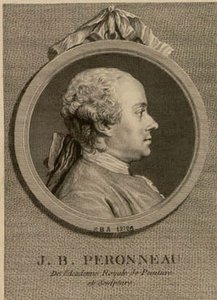
jean baptiste perronneau
1715 - 1783 , Países Bajos
Datos clave
- Artistic Movement Or Style: Rococo
- Artists Who Influenced This Artist: ['Maurice Quentin de la Tour']
- Date Of Birth: c. 1716
- Date Of Death: 1783
- Full Name: Jean-Baptiste Perronneau
- Nationality: Francés
- Notable Artworks:
- Retrato de Oudry
- Daniel Jousse
- Tassin de La Renardière
- Place Of Birth: Amsterdam, Netherlands
Artículos relacionados
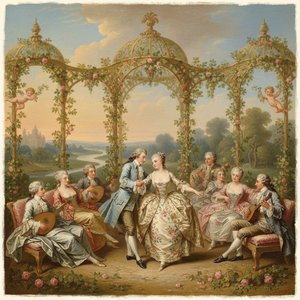
Jean-Baptiste Pater: Rococo Charm & Ephemeral Beauty of 18th-Century France
Explore the captivating world of Jean-Baptiste Pater, a master of Rococo painting. Discover his elegant *fête galante* scenes and shimmering portraits – a glimpse into 18th-century French aristocracy. Learn about his legacy & find high-quality reproductions.

Rococó: 10 Obras Maestras que Definieron una Época | Arte y Decoración en
Descubre las 10 obras maestras del Rococó que marcaron una época. Explora la elegancia de Fragonard, Boucher y Watteau en . Reproducciones de arte de calidad museo para decorar tu hogar con estilo.
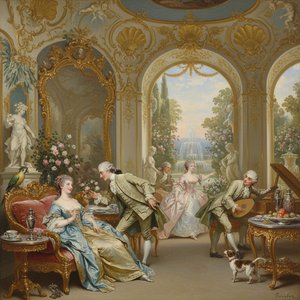
La Estética Rococó: Opulencia, Rebelión y Placer en el Arte del Siglo XVIII
Descubre la fascinante estética rococó: su historia, características clave y los artistas más influyentes del siglo XVIII. Un análisis profundo para amantes del arte y coleccionistas.
Maurice Quentin de La Tour: Light, Shadow & the Rococo Portrait
Explore the captivating world of Maurice Quentin de La Tour, a master of Rococo portraiture. Discover his innovative pastel techniques, intimate depictions of French aristocracy, and lasting artistic legacy. Learn more at ArtsDot.
The Allure of Elegance in Art: A Historical & Aesthetic Exploration of Refinement & Grace
Explore the exquisite world of Rococo art! Discover its history, masters (Watteau, Boucher & more), and defining elegance. Expert insights for collectors seeking museum-quality reproductions & custom portraits.