

 Ver en contexto
 Enviar
 Compartir
 Detalles

 Descargar
 Similares
 Radiografía
 Presentación de diapositivas
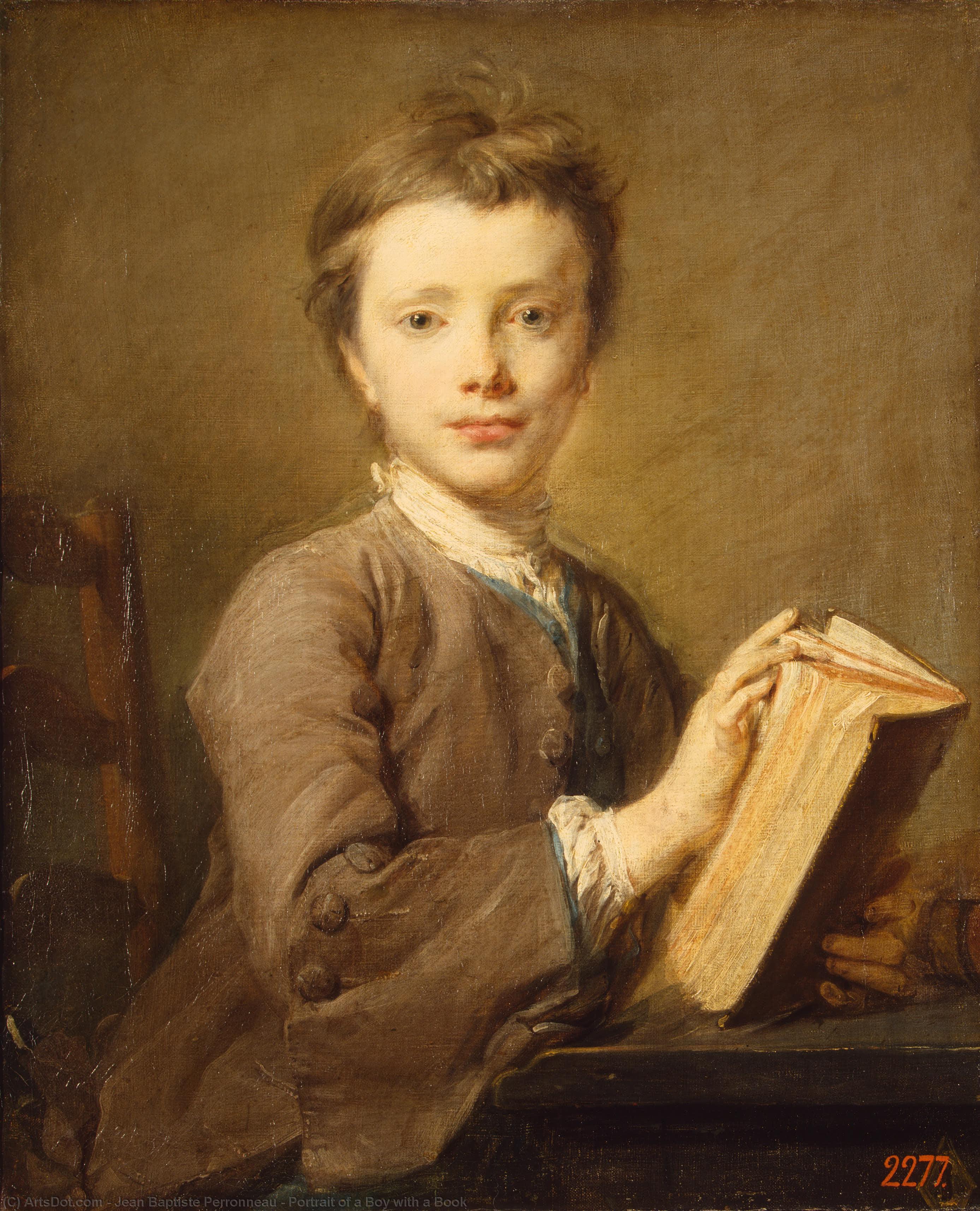
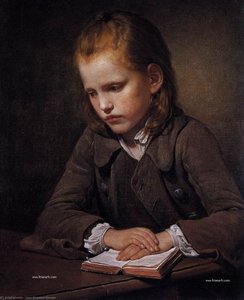
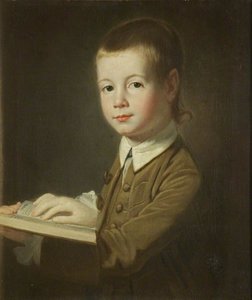
Portrait of a Boy with a Book
 Pastel
- Rococo Charm & Elegance
 1740
1740- Early Modern
 63.0 x 52.0 cm
 Museo del Hermitage
 Ver más
Adquiera una imagen digital de alta resolución y optimizada, muy superior a la vista previa en línea.
Cada archivo es preparado meticulosamente por nuestros especialistas internos mediante el uso de herramientas avanzadas y un experto retoque manual. Nos aseguramos de que cada imagen posea una claridad excepcional, una precisión cromática impecable y un detalle minucioso.
El archivo final se entrega por correo electrónico en un plazo de 72 horas, optimizado para su uso inmediato en entornos profesionales, editoriales y de impresión. Esta es la misma calidad en la que confían los estudios de diseño, las editoriales y las galerías de primer nivel.
Imagen Digital
Descarga un archivo de alta resolución para exhibición personal, impresión y proyectos creativos. ( Comprar impresión Comprar pintura hecha a mano)
Incluido en cada pedido de imágenes digitales
Entrega digital experta, garantizada.
Al elegir ArtsDot.com, no solo está adquiriendo una imagen; está recibiendo una obra de arte digital mejorada profesionalmente, elaborada con precisión y respaldada por una garantía de satisfacción. Esto es todo lo que incluye su pedido, automáticamente:

Entrega rápida por email
Recibirá su archivo de imagen digital en alta resolución por correo electrónico en un plazo de 72 horas tras realizar su pedido, listo para su uso inmediato.

Archivo digital optimizado por IA
Su obra de arte se optimiza profesionalmente mediante herramientas avanzadas de IA y edición manual, garantizando el máximo detalle, claridad y precisión cromática.

Reenvío gratuito de por vida
¿Has borrado o perdido tu archivo por error? No te preocupes: te lo volveremos a enviar en cualquier momento, sin coste adicional.

Sin gastos de importación, siempre
Disfrute de su obra de arte al instante sin aduanas, aranceles ni gastos de envío; las descargas digitales siempre están libres de impuestos.

Garantía de fidelidad de color
Garantizamos que su imagen digital refleje los colores originales con la mayor fidelidad posible, mediante el uso de herramientas profesionales y gestión del color.

Garantía de satisfacción de 60 días
Si no está satisfecho con su imagen digital, la revisaremos o le reembolsaremos el 100% en un plazo de 60 días, sin preguntas.

100% Garantía de devolución de dinero
¿No está satisfecho? Obtenga un reembolso completo dentro de los 60 días posteriores a la recepción de su archivo digital, sin necesidad de explicaciones.

Descuentos por pedidos grandes
Compra 3 imágenes, ahorra 10% - Compra 5, ahorra 15% - Compra 10+, ahorra 20%. Ideal para proyectos creativos, galerías y agencias.
Descripción del coleccionable
A Moment Suspended in Time: The Intimacy of Youthful Study
To gaze upon this portrait is to be invited into a hushed, contemplative moment—a scene where the world outside seems to have faded away, leaving only the quiet communion between a young boy and the knowledge held within his book. Jean-Baptiste Perronneau masterfully captures not just a likeness, but an entire state of being: deep concentration. The composition centers on this youthful figure seated at a modest table, absorbed in the pages before him. There is a palpable stillness to the air surrounding him, broken only by the implied turning of a page or the gentle sweep of thought across his brow. This painting speaks volumes about the value placed upon learning and intellectual pursuit during the Rococo era.
The Delicate Touch of Rococo Portraiture
Perronneau’s signature style is one of exquisite delicacy, perfectly embodying the refined sensibilities of 18th-century French art. While his contemporaries might have favored grander historical tableaux, Perronneau found his genius in the intimate portrait. His technique, often utilizing pastel mediums—a whisper of color against the skin and fabric—allows for an unparalleled softness that seems almost ephemeral. Observe the rendering of the boy’s features; they are rendered with such tender precision that one can almost feel the texture of his clothing or the slight curve of his jawline. The inclusion of the empty chair beside him adds a subtle narrative layer, suggesting either companionship just departed or perhaps an anticipated presence, inviting the viewer to project their own stories onto the scene.
Symbolism and Setting: Objects Telling Stories
Every element within this carefully constructed tableau contributes to its overall meaning. The book itself is the primary symbol—a tangible representation of wisdom, narrative, and the boundless potential of the mind. Above the table, the visible clock serves as a poignant memento mori, reminding us that even in moments of deep study, time marches relentlessly forward. These objects are not mere props; they anchor the portrait within a specific cultural moment where education was highly valued among the burgeoning bourgeoisie. The careful arrangement—the boy, the book, the timepiece—creates a visual dialogue between fleeting youth and enduring knowledge.
Bringing History Home: Decorating with Masterful Echoes
For the collector or designer seeking to infuse a space with the grace of historical artistry, this piece offers unparalleled depth. Reproducing such an intimate work allows one to curate an atmosphere of quiet sophistication. Imagine this painting gracing a library, a study, or a drawing-room corner; it immediately lends an air of cultured contemplation. The soft palette and delicate subject matter harmonize beautifully with both classical and transitional interior design schemes, providing a focal point that is both beautiful and intellectually resonant. Owning a reproduction of Perronneau’s work is not simply acquiring art; it is curating a mood—a sanctuary for thought.
Obras relacionadas
Biografía del artista
A Delicate Hand: The Life and Art of Jean-Baptiste Perronneau
Jean-Baptiste Perronneau, a name perhaps less immediately recognized than some of his Rococo contemporaries, nevertheless occupies a significant place in the history of French portraiture. Born around 1716 – though precise dates remain elusive – and passing away there in 1783, Perronneau’s artistic journey unfolded primarily within the vibrant cultural landscape of 18th-century France. He wasn't a painter of grand historical narratives or mythological scenes; his focus lay intimately on the human face, capturing not merely likeness but also the subtle nuances of character and social standing through the delicate medium of pastel.Perronneau’s initial training began in engraving, a discipline that instilled within him a keen eye for detail and precision. He studied with Laurent Cars and found early employment with the Parisian printseller Gabriel Huquier, establishing crucial connections within the burgeoning art world. This foundation proved invaluable as he transitioned towards portraiture, initially working in oils before wholeheartedly embracing pastels – a medium experiencing a surge in popularity during this period. The allure of pastel lay in its ability to achieve soft textures and luminous effects, qualities that perfectly suited Perronneau’s sensitive approach.
The Shadow and the Substance: Influences and Artistic Development
To understand Perronneau's artistic trajectory is to acknowledge the towering figure of Maurice Quentin de la Tour. De La Tour was widely considered the master of French pastel portraiture, and his influence on Perronneau was profound. A pivotal moment illustrating this relationship occurred at the Salon of 1750. Perronneau daringly exhibited a pastel portrait *of* de la Tour himself, only to find that the master had simultaneously submitted a self-portrait – an act interpreted by many as a deliberate demonstration of his own superior skill. While undeniably influenced by de la Tour’s technical brilliance, Perronneau didn't simply imitate; he forged his own distinct style.
Perronneau possessed a remarkable ability to infuse his portraits with psychological depth and sensitivity. He moved beyond mere physical representation, seeking to capture the inner life of his sitters. This is evident in the subtle expressions, the carefully rendered details of clothing and accessories – all contributing to a nuanced portrayal of personality and social status. His work aligns beautifully with the Rococo aesthetic, emphasizing elegance, refinement, and an appreciation for aristocratic society, yet it also hints at the emerging Enlightenment ideals of individualism and introspection.
A Prolific Career: From Parisian Salons to Provincial Travels
Perronneau first exhibited a pastel portrait at the Salon in 1746, marking his formal entry into the artistic arena. His talent was quickly recognized, culminating in full membership of the prestigious Académie royale de peinture et de sculpture in 1753. For his admission pieces, he presented portraits of Jean-Baptiste Oudry and Lambert-Sigisbert Adam – works that now reside within the hallowed halls of the Louvre Museum, testaments to his established skill.
However, Perronneau’s career took an interesting turn after 1779. He ceased exhibiting at the Paris Salons but continued to work diligently, expanding his clientele beyond the capital. This led him on extensive travels throughout France, particularly to Orléans, Toulouse, Bordeaux, and Lyon. Evidence suggests that his wanderlust extended even further afield, with potential visits to Turin, Rome, Spain, Hamburg, Poland, Russia, and even England. This itinerant lifestyle allowed him to capture a diverse range of subjects, reflecting the varied social fabric of 18th-century Europe.
A Lasting Legacy: Historical Significance and Enduring Appeal
Despite dying in Amsterdam largely unknown, Jean-Baptiste Perronneau’s contributions to French portraiture are now rightfully celebrated. His portraits offer invaluable glimpses into the lives and appearances of individuals from various social strata during a pivotal period in history. He wasn't merely recording faces; he was documenting a world – its fashions, its values, and its evolving sensibilities.
Perronneau’s mastery of pastel serves as a testament to the medium’s enduring appeal, bridging the gap between drawing and painting. His delicate touch, his sensitivity to light and shadow, and his ability to capture the essence of his sitters continue to captivate viewers today. He stands as a compelling example of an artist who, while operating within the conventions of his time, managed to imbue his work with a unique sense of intimacy and psychological insight – qualities that ensure his place among the great portraitists of the 18th century.
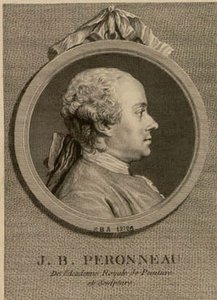
jean baptiste perronneau
1715 - 1783 , Países Bajos
Breves datos
- Artistic Movement Or Style: Rococo
- Artists Who Influenced This Artist: ['Maurice Quentin de la Tour']
- Date Of Birth: c. 1716
- Date Of Death: 1783
- Full Name: Jean-Baptiste Perronneau
- Nationality: Francés
- Notable Artworks:
- Retrato de Oudry
- Daniel Jousse
- Tassin de La Renardière
- Place Of Birth: Amsterdam, Netherlands

