 Ver en contexto
 Enviar
 Compartir
 Detalles

 Descargar
 Similares
 Radiografía
 Presentación de diapositivas
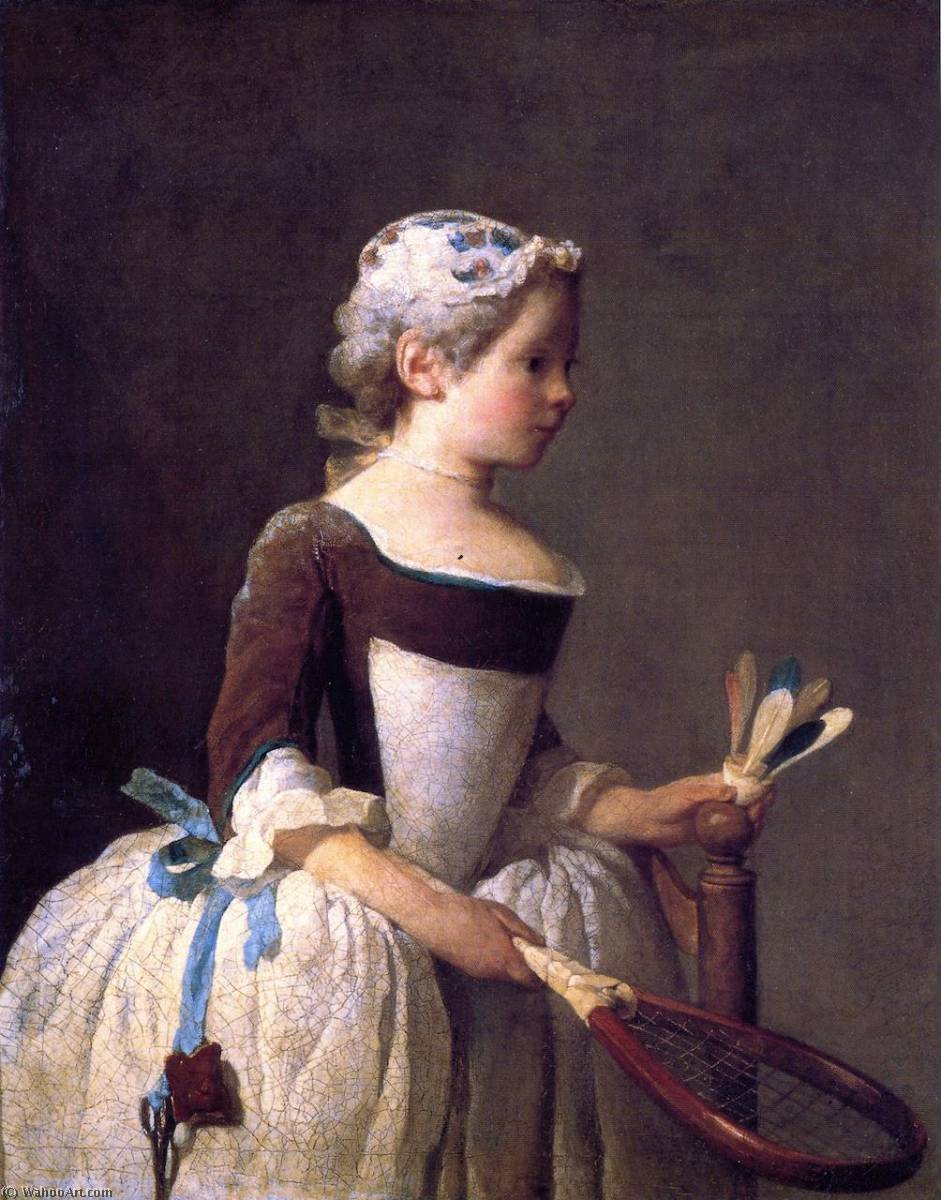
Girl with Shuttlecock
 Oil On Canvas
- WallArt
- Rococo
 1737
1737- Early Modern
 81.0 x 65.0 cm
 Ver más
Reproducción al óleo hecha a mano
Óleo sobre lienzo pintado a mano en el tamaño y marco de su elección, realizado por encargo por nuestros artistas. ( Comprar impresión Comprar imagen)




P118B $10

P118H $10

P118W $10

P438Z $10

P508JH $12

P508YH $12

P805H $10

P805Z $10

P919BZ $10

P919G $10

P919XJ $10

P959ZH $10

P968JZ $12

W106C $8

W218G $10

W218JH $8

W218Y $10

W307PJ $10

W316G $10

W316PJ $8

W316Y $10

W398PJ $8

W4111J $10

W500HY $15

W500JH $15

W692G $12

W849H $8

W940BG $15

W953PJ $8




Elija entre nuestros tamaños predefinidos que respetan las proporciones originales de la obra.

Puede ingresar sus propias dimensiones para adaptarse a un marco o espacio específico. Si el tamaño seleccionado no coincide con las proporciones de la imagen original, recortaremos la obra o extenderemos la pintura con elementos adicionales pintados a mano. Se le enviará una maqueta digital para su aprobación antes de comenzar la producción.
Tenga en cuenta que la vista previa en pantalla no refleja el recorte o la extensión reales. Solo la maqueta mostrará con precisión la composición final.
Si bien existen tamaños personalizados, recomendamos seleccionar una dimensión de la lista predefinida para preservar las proporciones originales.
Tras realizar el pedido, el equipo de ArtsDot.com enviará un correo electrónico al cliente para solicitar instrucciones y proporcionarle una vista previa del boceto.
Envío a todo el mundo () en 3-4 semanas en lugar de las 5 semanas estándar. (29 agosto). Sin comprometer la calidad.

Envío exprés gratuito a todo el mundo

Lienzo de lino de alta calidad

Seguro de envío total

Garantía de reembolso de impuestos aduaneros

Garantía de fidelidad cromática exacta

Política de devolución de 60 días (solo por defectos)

Garantía de devolución del 100% del dinero

Descuento por cantidad
 La opción de vidrio solo está disponible en tamaños inferiores a 110 cm.

Girl with Shuttlecock
Técnica de reproducción
Dimensiones de la reproducción
-


Precio total final
$ 263
The Quiet Grace of Childhood: A Moment Frozen in Time
In the soft, diffused light of an eighteenth-century interior, Jean-Baptiste-Siméon Chardin captures a moment of profound stillness that transcends the simple act of play. Girl with Shuttlecock is not merely a portrait of a child; it is an intimate window into the gentle rhythms of domestic life during the Rococo era. The young subject stands poised, her presence marked by a delicate balance of innocence and focused intent. Dressed in a pristine white gown adorned with subtle blue ribbons, she holds a shuttlecock—a small, feathered object that serves as the focal point of her quiet concentration. There is an undeniable tenderness in her gaze, a quality that invites the viewer to step into this private sanctuary of childhood, away from the grand, theatrical dramas often found in the works of his contemporaries.
Chardin’s mastery lies in his ability to elevate the mundane to the level of the sublime. While other painters of 1737 might have sought to depict the opulence of the French aristocracy, Chardin turned his gaze toward the humble and the heartfelt. Through his expert use of oil on canvas, he achieves a tactile richness that makes the textures of the girl's dress and the soft feathers of the shuttlecock feel almost tangible. His technique is characterized by a soft, painterly touch that avoids harsh outlines, allowing forms to emerge from a subtle play of light and shadow. This approach creates a sense of atmosphere that is both warm and contemplative, making the painting an ideal centerpiece for any space seeking to evoke feelings of peace and nostalgia.
A Legacy of Texture and Light
For the discerning collector or interior designer, this masterpiece offers more than just visual beauty; it provides a profound emotional resonance. The composition is anchored by a sense of structural stability, likely influenced by Chardin’s early exposure to his father's cabinetmaking trade. Every brushstroke serves to build volume and weight, giving the girl and her surroundings a sculptural presence. The interplay between the bright whites of her attire and the muted, earthy tones of the background creates a sophisticated palette that complements both classical and modern decor. It is a work that does not shout for attention but rather commands it through its quiet, enduring dignity.
To possess a reproduction of Girl with Shuttlecock is to bring a piece of art history into the contemporary home. It serves as a reminder of the beauty found in simplicity and the importance of finding wonder in the everyday. Whether placed in a sunlit library or a serene bedroom, this painting acts as an anchor of tranquility, offering a timeless aesthetic that bridges the gap between the eighteenth century and the present day. Chardin’s ability to capture the fleeting essence of a single moment ensures that his work remains eternally relevant, providing a soulful touch to any curated collection.
Obras relacionadas
Biografía del artista
Primeros años y formación
Jean Siméon Chardin, pintor francés, nació en París el 2 de noviembre de 1699. Es considerado uno de los maestros más grandes del bodegón y la pintura de género. La vida temprana de Chardin estuvo marcada por su nacimiento en una familia de fabricantes de armarios, lo que probablemente influyó en su interés por el arte. Rara vez abandonó París, viviendo en la orilla izquierda cerca de Saint-Sulpice hasta 1757.Carrera artística
En 1723, Chardin contrajo un acuerdo matrimonial con Marguerite Saintard, a quien no se casaría hasta 1731. Realizó aprendizajes con los pintores históricos Pierre-Jacques Cazes y Noël-Nicolas Coypel, convirtiéndose en maestro de la Académie de Saint-Luc en 1724.- Su primer reconocimiento llegó al exhibir una pintura en el 'Small Corpus Christi' en la Place Dauphine, que fue comprada por Van Loo, quien más tarde asistió al joven pintor.
- En 1728, presentó "La Raya" y "El Buffet", lo que condujo a su admisión en la Académie Royale de Peinture et de Sculpture.
Obras notables y exposiciones
El trabajo de Chardin ganó popularidad a través de grabados reproductivos, lo que le proporcionó ingresos en forma de regalías. Entre sus obras más destacadas se encuentran:- Los Rompedores de Piedras, una obra maestra que muestra su habilidad en el bodegón.
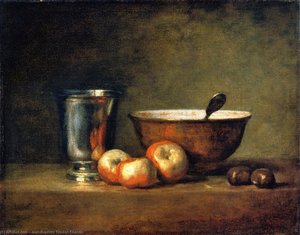
- Bodegón con manzanas y una jarra, que demuestra su uso de la suave difusión de la luz y el impasto granular.
Estilo e Influencias
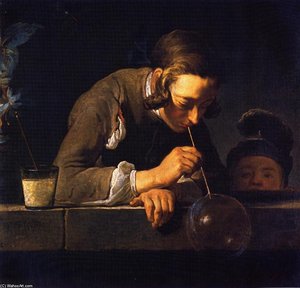
El estilo de Chardin se caracteriza por su sobriedad, realismo y una atmósfera tranquila. A diferencia de muchos de sus contemporáneos, evitó los temas grandiosos y heroicos, prefiriendo representar escenas cotidianas y objetos humildes con gran detalle y sensibilidad. Su uso de la luz es sutil pero efectivo, creando una sensación de intimidad y calidez en sus obras. Se cree que Chardin estuvo influenciado por el naturalismo holandés del siglo XVII, así como por los pintores franceses de género como Jean-Baptiste Paternostre. Su enfoque en la observación directa y su rechazo a la idealización lo distinguen de otros artistas de su época.Legado
El legado de Chardin como maestro del bodegón y la pintura de género continúa inspirando a artistas y entusiastas del arte por igual. Su trabajo, caracterizado por una composición cuidadosamente equilibrada, una suave difusión de la luz y un impasto granular, sigue siendo un testimonio de su habilidad y dedicación al oficio. Explore más en Wikipedia: historia de la pintura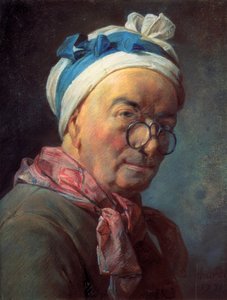
Jean-Baptiste-Siméon Chardin
1699 - 1779 , Francia
Datos clave
- Artistas Influyentes:
- Pierre-Jacques Cazes
- Noël-Nicolas Coypel
- Estilo Artístico: Realismo, Bodegón
- Fecha De Fallecimiento: 1779
- Fecha De Nacimiento: 2 de noviembre de 1699
- Lugar De Nacimiento: París, Francia
- Nacionalidad: Francés
- Nombre Completo: Jean-Baptiste-Siméon Chardin
- Obras Notables:
- Los picapedreros
- Bodegón con manzanas y jarra
- ¡Oh! Si tan solo fuera fiel a mí
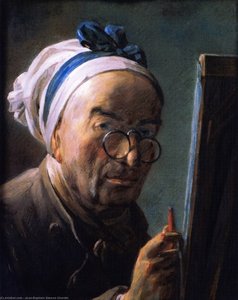
- Autorretrato con gafas
Artículos relacionados

Blanco Sublime: Los 10 Cuadros Más Famosos Dominados por la Luz y el Color
Descubre los 10 cuadros blancos más emblemáticos de la historia del arte. Explora Monet, Van Gogh y Klimt, y su magistral uso de la luz y el color. Encuentra reproducciones de alta calidad e inspírate para tu decoración en .
Las 10 Obras Maestras del Azul Pizarra: Arte, Historia y Decoración
Descubre las 10 pinturas más famosas dominadas por el azul pizarra. Explora la historia, técnica y belleza de Monet, Van Gogh y otros maestros. Encuentra reproducciones de arte exclusivas para decorar tu hogar en .
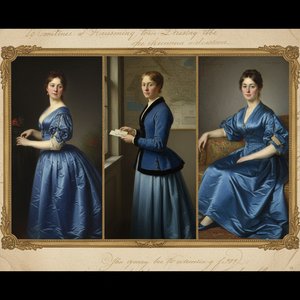
Azure Visions: Exploring Representations of the Blue Dress in Western Art History
Explore the rich history of the blue dress in Western art! Discover its symbolism, from Renaissance masterpieces to modern interpretations by artists like Martin & Schiele. Uncover cultural meanings and artistic techniques.
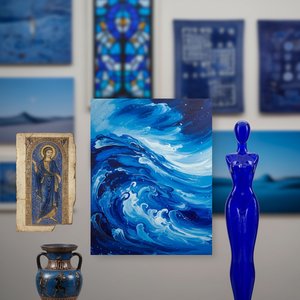
The Allure of Azure: Exploring the Symbolic & Aesthetic Depths of Blue in Art History
Explore the rich history of blue in art! Discover its symbolism, from ancient pigments to modern masterpieces by Kandinsky & Seurat. Uncover the psychological impact and cultural meanings behind this captivating hue.
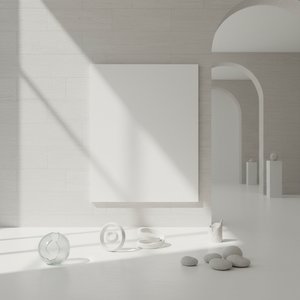
The Subtleties of White: Exploring Absence, Light & Symbolism in Art History
Explore the profound symbolism & history of white in art! From ancient purity to modern abstraction, discover how artists have used absence & light. Expert insights from ArtsDot.