 Ver en contexto
 Enviar
 Compartir
 Detalles

 Descargar
 Similares
 Radiografía
 Presentación de diapositivas
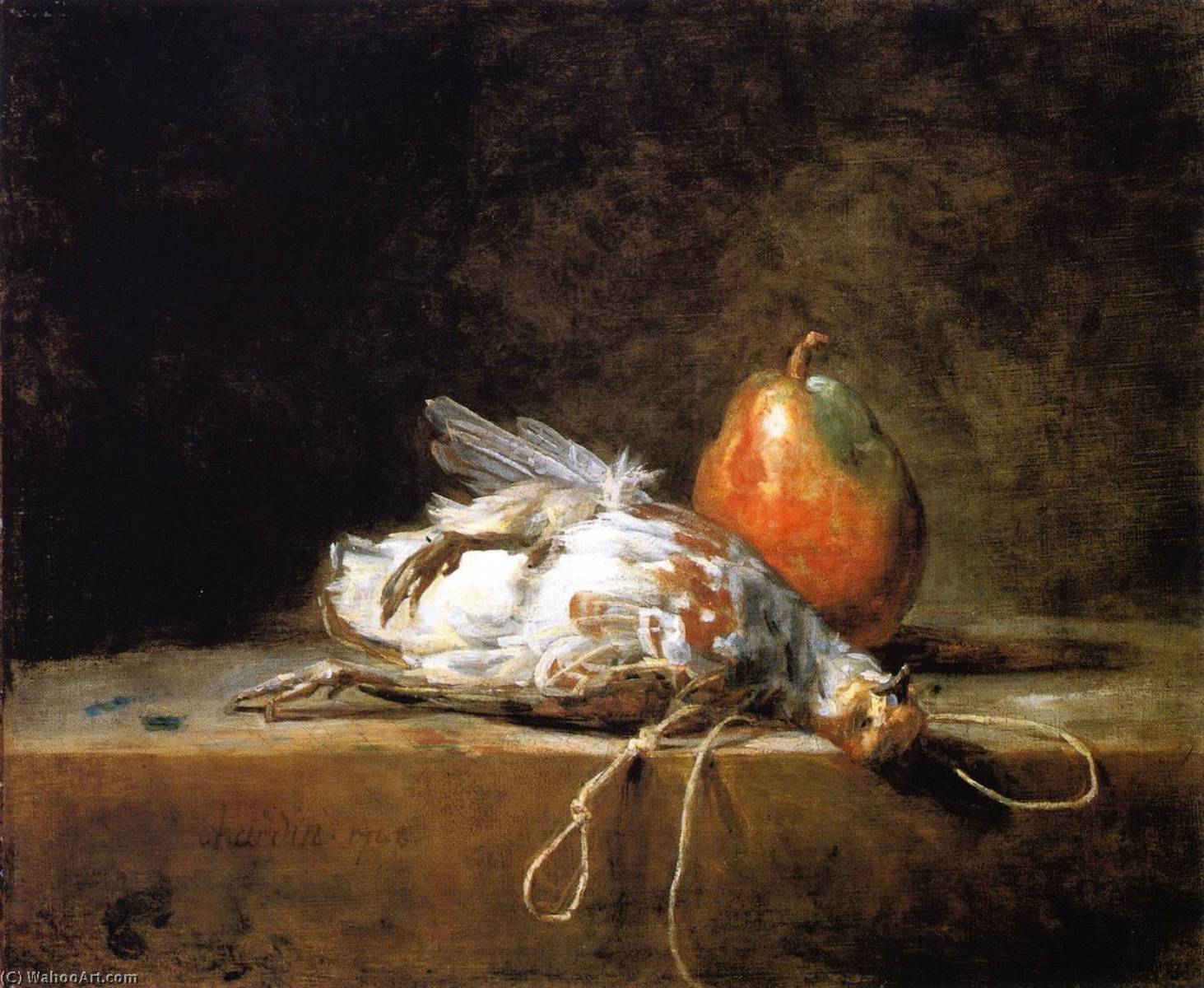
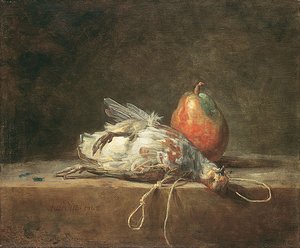
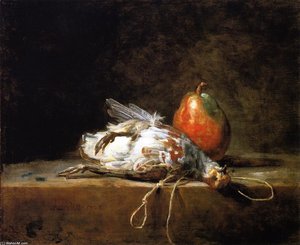
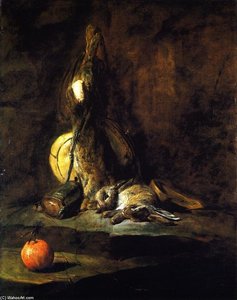
Grey Partridge, Pear and Snare on a Stone Table


 Ver más
Giclée / Impresión de arte
Impresiones giclée o en lienzo de calidad de museo con producción rápida y opciones de acabado flexibles. ( Comprar pintura hecha a mano Comprar imagen)




P118B $10

P118H $10

P118W $10

P438Z $10

P508JH $12

P508YH $12

P805H $10

P805Z $10

P919BZ $10

P919G $10

P919XJ $10

P959ZH $10

P968JZ $12

W106C $8

W218G $10

W218JH $8

W218Y $10

W307PJ $10

W316G $10

W316PJ $8

W316Y $10

W398PJ $8

W4111J $10

W500HY $15

W500JH $15

W692G $12

W849H $8

W940BG $15

W953PJ $8




Elija entre nuestros tamaños predefinidos que respetan las proporciones originales de la obra.

Puede introducir sus propias dimensiones para adaptarse a un marco o espacio específico. Si el tamaño seleccionado no coincide con las proporciones de la imagen original, recortaremos la obra de arte o extenderemos la imagen con un borde con efecto espejo o de color sólido. Se enviará una maqueta digital para su aprobación antes de que comience la producción.
Tenga en cuenta que la vista previa en pantalla no refleja el recorte o la extensión real. Solo la maqueta mostrará con precisión la composición final.
Aunque existen tamaños personalizados, recomendamos seleccionar una dimensión de la lista predefinida para preservar las proporciones originales.
Envío a todo el mundo () en 2 semanas en lugar de las 4/5 semanas estándar. (23 agosto)

Envío exprés gratuito a todo el mundo

Lienzo de lino de alta calidad

Seguro de envío total

Garantía de reembolso de impuestos aduaneros

Garantía de fidelidad cromática exacta

Política de devolución de 60 días (solo por defectos)

Garantía de devolución del 100% del dinero

Descuento por cantidad
 La opción de vidrio solo está disponible en tamaños inferiores a 110 cm.

Grey Partridge, Pear and Snare on a Stone Table
Giclée / Impresión de arte
Dimensiones de la reproducción
-


Precio total final
$ 62
Descripción de la pieza
A Moment Frozen in Time: Jean-Baptiste-Siméon Chardin’s ‘Grey Partridge’
Jean-Baptiste-Siméon Chardin's “Grey Partridge, Pear and Snare on a Stone Table” is not merely a still life; it’s a profound meditation on the quiet beauty of everyday existence. Painted in 1748, this work transcends its seemingly simple subject matter to offer a glimpse into the artist’s deeply observant soul. Chardin, a master of capturing the essence of ordinary objects and scenes, eschewed the grand narratives favored by his contemporaries, instead focusing on the subtle poetry found within domesticity and nature. The painting invites us to pause, to consider the delicate balance between life and death, abundance and restraint – themes that resonate powerfully even today.
The composition is remarkably restrained, yet utterly compelling. A grey partridge, rendered with exquisite detail, dominates the center of the scene, its wings spread in a posture both vulnerable and majestic. To its right rests a ripe pear, its skin glistening with reflected light, while beneath it lies a snare – a stark reminder of the precariousness of existence, a symbol of the hunter’s intent. A simple stone table anchors the arrangement, providing a grounding element to this tableau of natural elements. The background is deliberately muted, allowing the viewer's eye to remain focused on the foreground subjects and their intricate relationships.
The Language of Light and Texture
Chardin’s technique is characterized by an almost tactile quality. He employs a masterful use of light and shadow to create a sense of depth and volume, imbuing each object with a tangible presence. The pear's surface is rendered with delicate highlights, suggesting its smooth skin and yielding flesh. Conversely, the snare is depicted in cooler tones, hinting at its cold, metallic nature. The artist’s use of impasto – applying paint thickly to create texture – is particularly evident in the partridge’s feathers, giving them a remarkable sense of weight and movement. This technique wasn't about dramatic display; it was about capturing the *feeling* of the object—its materiality.
Furthermore, Chardin’s palette is remarkably muted, dominated by browns, greys, and ochres. He avoids bright, saturated colors, opting instead for a harmonious blend of earthy tones that evoke a sense of stillness and tranquility. This restrained approach allows the subtle nuances of texture and form to take center stage, creating an atmosphere of quiet contemplation.
A Window into 18th-Century France
“Grey Partridge” offers a fascinating glimpse into the social and cultural context of 18th-century France. Chardin’s art reflected the values of the Enlightenment – a focus on reason, observation, and an appreciation for the beauty of the natural world. Unlike many artists of his time who sought to glorify royalty or depict heroic deeds, Chardin chose to celebrate the simple pleasures of everyday life. His work was often commissioned by wealthy patrons, but he remained fiercely independent in his artistic vision, refusing to compromise his commitment to capturing the essence of ordinary subjects.
The inclusion of the snare introduces a subtle element of melancholy and mortality – a poignant reminder that beauty is fleeting and that even the most vibrant life can be subject to destruction. This duality is characteristic of Chardin’s work, which often explores themes of vulnerability, loss, and the acceptance of fate.
Symbolism and Emotional Resonance
Beyond its literal depiction of a still life, “Grey Partridge” is rich in symbolic meaning. The partridge itself represents abundance, fertility, and the cycle of life and death. The pear symbolizes temptation and indulgence, while the snare embodies danger and mortality. The arrangement as a whole can be interpreted as an allegory for the human condition – a delicate balance between pleasure and pain, hope and despair.
Ultimately, “Grey Partridge” is a deeply moving work of art that speaks to our shared humanity. It invites us to slow down, to appreciate the beauty in the ordinary, and to contemplate the mysteries of life and death. Reproductions of this masterpiece offer a chance to bring this quiet contemplation into any space, fostering a sense of serenity and connection with the natural world.
Obras relacionadas
Biografía del artista
Primeros años y formación
Jean Siméon Chardin, pintor francés, nació en París el 2 de noviembre de 1699. Es considerado uno de los maestros más grandes del bodegón y la pintura de género. La vida temprana de Chardin estuvo marcada por su nacimiento en una familia de fabricantes de armarios, lo que probablemente influyó en su interés por el arte. Rara vez abandonó París, viviendo en la orilla izquierda cerca de Saint-Sulpice hasta 1757.Carrera artística
En 1723, Chardin contrajo un acuerdo matrimonial con Marguerite Saintard, a quien no se casaría hasta 1731. Realizó aprendizajes con los pintores históricos Pierre-Jacques Cazes y Noël-Nicolas Coypel, convirtiéndose en maestro de la Académie de Saint-Luc en 1724.- Su primer reconocimiento llegó al exhibir una pintura en el 'Small Corpus Christi' en la Place Dauphine, que fue comprada por Van Loo, quien más tarde asistió al joven pintor.
- En 1728, presentó "La Raya" y "El Buffet", lo que condujo a su admisión en la Académie Royale de Peinture et de Sculpture.
Obras notables y exposiciones
El trabajo de Chardin ganó popularidad a través de grabados reproductivos, lo que le proporcionó ingresos en forma de regalías. Entre sus obras más destacadas se encuentran:- Los Rompedores de Piedras, una obra maestra que muestra su habilidad en el bodegón.
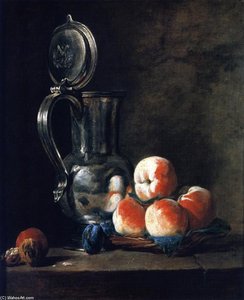
- Bodegón con manzanas y una jarra, que demuestra su uso de la suave difusión de la luz y el impasto granular.
Estilo e Influencias
El estilo de Chardin se caracteriza por su sobriedad, realismo y una atmósfera tranquila. A diferencia de muchos de sus contemporáneos, evitó los temas grandiosos y heroicos, prefiriendo representar escenas cotidianas y objetos humildes con gran detalle y sensibilidad. Su uso de la luz es sutil pero efectivo, creando una sensación de intimidad y calidez en sus obras. Se cree que Chardin estuvo influenciado por el naturalismo holandés del siglo XVII, así como por los pintores franceses de género como Jean-Baptiste Paternostre. Su enfoque en la observación directa y su rechazo a la idealización lo distinguen de otros artistas de su época.Legado
El legado de Chardin como maestro del bodegón y la pintura de género continúa inspirando a artistas y entusiastas del arte por igual. Su trabajo, caracterizado por una composición cuidadosamente equilibrada, una suave difusión de la luz y un impasto granular, sigue siendo un testimonio de su habilidad y dedicación al oficio. Explore más en Wikipedia: historia de la pintura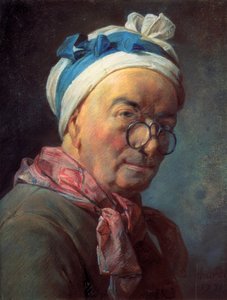
Jean-Baptiste-Siméon Chardin
1699 - 1779 , Francia
Datos clave
- Artistas Influyentes:
- Pierre-Jacques Cazes
- Noël-Nicolas Coypel
- Estilo Artístico: Realismo, Bodegón
- Fecha De Fallecimiento: 1779
- Fecha De Nacimiento: 2 de noviembre de 1699
- Lugar De Nacimiento: París, Francia
- Nacionalidad: Francés
- Nombre Completo: Jean-Baptiste-Siméon Chardin
- Obras Notables:
- Los picapedreros
- Bodegón con manzanas y jarra
- ¡Oh! Si tan solo fuera fiel a mí
- Autorretrato con gafas
Artículos relacionados
Jean-Baptiste-Siméon Chardin: Master of Still Life & Everyday Elegance
Explore the serene world of Jean-Baptiste-Siméon Chardin, master of still life & genre painting. Discover his revolutionary techniques, enduring legacy, and timeless depictions of everyday elegance. Learn more at ArtsDot.
Silent Narratives: Exploring the Enduring Appeal of Still Life Painting Across Centuries
Explore the rich history of still life painting with ArtsDot. Discover Dutch Masters, decode vanitas symbolism & learn about collecting timeless art. Expert insights and museum-quality reproductions.
The Enduring Appeal of Still Life: A Historical & Contemporary Exploration
Explore the rich history & symbolism of still life painting with ArtsDot. Discover masterpieces from the Dutch Golden Age, learn about vanitas art, and find expert guidance for collecting timeless artworks.
Clyfford Still's Abstract Expressionism: A Study of Color, Form & the Existential Landscape
Explore the profound world of Clyfford Still's Abstract Expressionism with ArtsDot. Discover his unique style, existential themes & investment potential. Expert analysis for discerning collectors.
De la Naturaleza Muerta Clásica a la Abstracción Contemporánea: Elevando los Espacios de Entretenimiento en Villas a Través de Reproducciones Artísticas
Descubre la evolución del bodegón y cómo integrar reproducciones artísticas de alta calidad en tu villa. Expertos en arte, selección exclusiva y asesoramiento personalizado.