 Ver en contexto
 Enviar
 Compartir
 Detalles

 Descargar
 Similares
 Radiografía
 Presentación de diapositivas
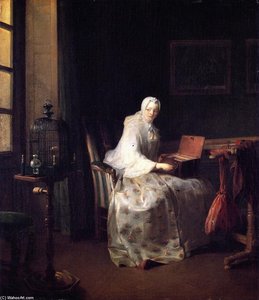
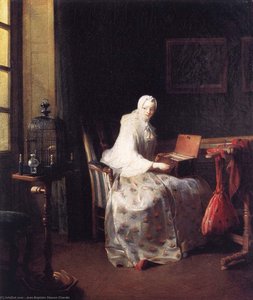
Lady with a Bird-Organ
 Oil On Canvas
- WallArt
- Seventeenth-century Dutch
 1753
1753- Early Modern
 50.0 x 43.0 cm
 The Frick Collection
 Ver más
Reproducción al óleo hecha a mano
Óleo sobre lienzo pintado a mano en el tamaño y marco de su elección, realizado por encargo por nuestros artistas. ( Comprar impresión Comprar imagen)




P118B $10

P118H $10

P118W $10

P438Z $10

P508JH $12

P508YH $12

P805H $10

P805Z $10

P919BZ $10

P919G $10

P919XJ $10

P959ZH $10

P968JZ $12

W106C $8

W218G $10

W218JH $8

W218Y $10

W307PJ $10

W316G $10

W316PJ $8

W316Y $10

W398PJ $8

W4111J $10

W500HY $15

W500JH $15

W692G $12

W849H $8

W940BG $15

W953PJ $8




Elija entre nuestros tamaños predefinidos que respetan las proporciones originales de la obra.

Puede ingresar sus propias dimensiones para adaptarse a un marco o espacio específico. Si el tamaño seleccionado no coincide con las proporciones de la imagen original, recortaremos la obra o extenderemos la pintura con elementos adicionales pintados a mano. Se le enviará una maqueta digital para su aprobación antes de comenzar la producción.
Tenga en cuenta que la vista previa en pantalla no refleja el recorte o la extensión reales. Solo la maqueta mostrará con precisión la composición final.
Si bien existen tamaños personalizados, recomendamos seleccionar una dimensión de la lista predefinida para preservar las proporciones originales.
Tras realizar el pedido, el equipo de ArtsDot.com enviará un correo electrónico al cliente para solicitar instrucciones y proporcionarle una vista previa del boceto.
Envío a todo el mundo () en 3-4 semanas en lugar de las 5 semanas estándar. (23 agosto). Sin comprometer la calidad.

Envío exprés gratuito a todo el mundo

Lienzo de lino de alta calidad

Seguro de envío total

Garantía de reembolso de impuestos aduaneros

Garantía de fidelidad cromática exacta

Política de devolución de 60 días (solo por defectos)

Garantía de devolución del 100% del dinero

Descuento por cantidad
 La opción de vidrio solo está disponible en tamaños inferiores a 110 cm.

Lady with a Bird-Organ
Técnica de reproducción
Dimensiones de la reproducción
-


Precio total final
$ 263
Descripción de la obra
A Moment of Quiet Contemplation: Jean-Baptiste-Siméon Chardin’s “Lady with a Bird-Organ”
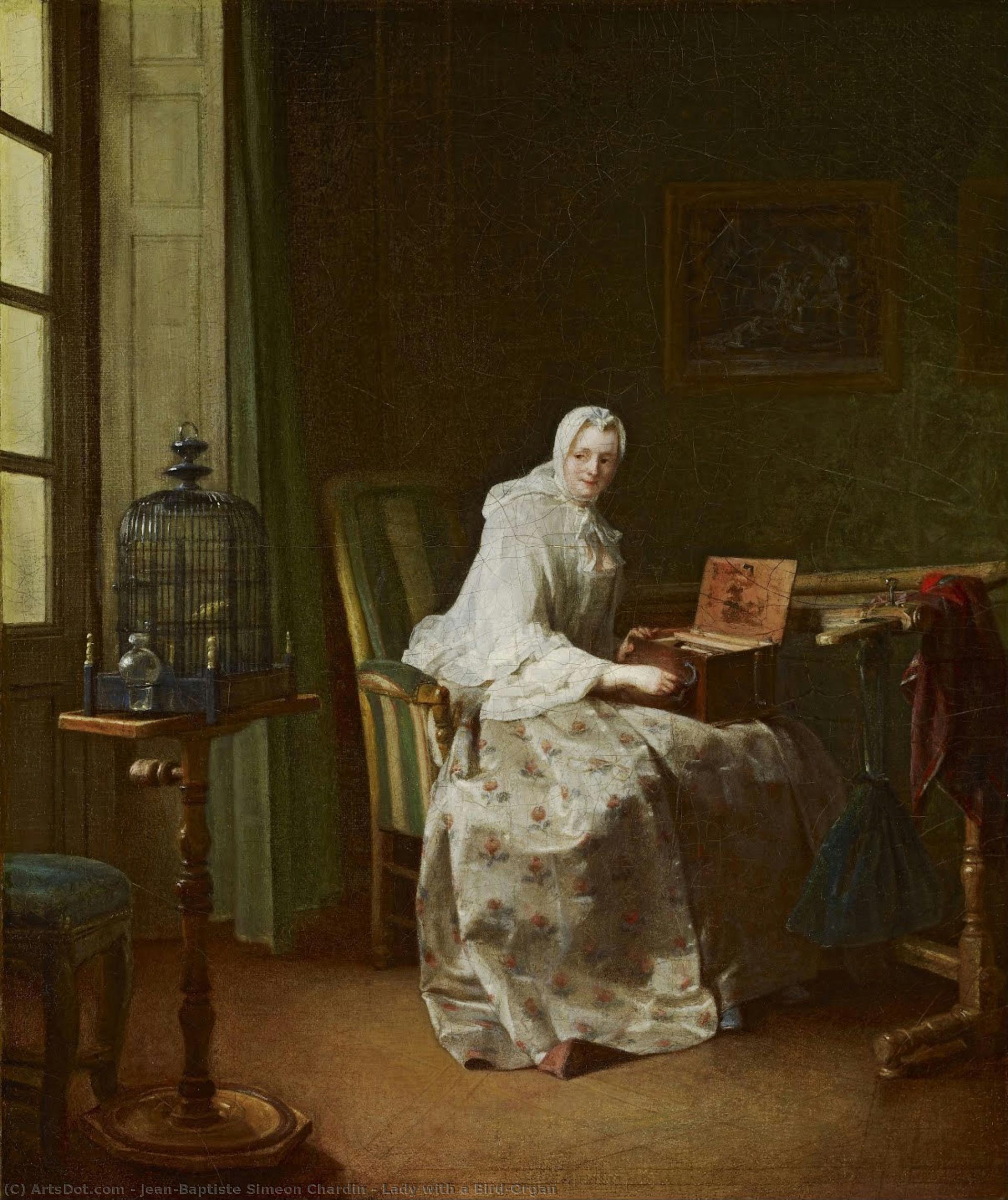
Jean-Baptiste-Siméon Chardin's "Lady with a Bird-Organ," painted in 1753, is more than just a portrait; it’s a carefully constructed tableau of domestic tranquility and subtle observation—a hallmark of the artist’s unique approach to depicting everyday life. This exquisite canvas, currently residing within The Frick Collection in New York City, offers a rare glimpse into the private world of a mid-18th century French bourgeois woman, a figure rendered with an intimacy and psychological depth rarely seen in portraiture of that era. It’s a piece that invites us to pause, to consider not just what she is doing, but *why*, and to appreciate the quiet elegance of her moment.
The painting immediately draws the eye to its subject: a woman seated comfortably in an upholstered chair, her legs crossed with graceful ease. She’s absorbed in the task of entertaining a small canary within a delicate cage positioned on the left side of the composition. Her attention isn't directed outward, but inward, as she gently operates a “bird-organ”—a fascinating precursor to modern recording technology—its intricate mechanism designed to coax forth the bird’s song. The artist masterfully uses muted silvery tones and a porcelain-like finish, a deliberate choice that echoes the refined aesthetics of 17th-century Dutch masters – artists Chardin deeply admired and sought to emulate. This subtle nod to the past elevates the work beyond a simple depiction of domesticity, suggesting a conscious effort to connect with artistic traditions while forging his own distinct style.
The Language of Gesture and Symbolism
Chardin’s genius lies in his ability to convey emotion through gesture and detail. The lady's posture is relaxed yet attentive; her hand delicately poised over the bird-organ, suggesting a gentle patience and a genuine appreciation for the music produced. The placement of the chair, with its back slightly turned towards the viewer, creates an immediate sense of intimacy, as if we’ve been granted privileged access to this private moment. The inclusion of a clock on the wall above – a detail often overlooked – subtly reinforces the passage of time and the fleeting nature of pleasure, adding another layer of contemplative depth.
The bird itself is laden with symbolic weight. In 18th-century France, songbirds were associated with joy, beauty, and even divine inspiration. The act of training the bird to sing through the mechanical device represents a desire for control over nature, a yearning for artistic creation, and perhaps even a subtle commentary on the burgeoning fascination with new technologies. It’s a delicate balance between natural instinct and human ingenuity.
A Window into an Era
“Lady with a Bird-Organ” provides invaluable insight into the social customs and leisure activities of the French upper class in the mid-18th century. The painting reflects a shift away from the formal, often ostentatious portraiture favored by earlier generations. Chardin’s focus is not on displaying wealth or status, but rather on capturing a genuine moment of human connection—a quiet pastime enjoyed within the confines of a comfortable home. The inclusion of the vase and other decorative elements further establishes this setting as a space of refined taste and understated elegance.
Interestingly, this work represents one of Chardin’s final depictions of figures in interiors. Following its commission for Louis XV, he largely abandoned portraiture and still life, choosing instead to explore the beauty of inanimate objects. This shift suggests a growing desire to distill his artistic vision into simpler forms, focusing on the inherent qualities of materials themselves. The Lady with a Bird-Organ stands as a poignant reminder of Chardin’s remarkable ability to capture the essence of human experience through subtle observation and masterful technique.
Bringing “Lady with a Bird-Organ” Home
ArtsDot offers exquisite, hand-painted reproductions of Jean-Baptiste-Siméon Chardin's "Lady with a Bird-Organ," allowing you to bring this captivating masterpiece into your own home or office. Our meticulous artisans replicate the artist’s signature soft style and delicate color palette with unparalleled accuracy, ensuring that every detail – from the porcelain-like finish to the subtle nuances of expression – is faithfully reproduced. Whether you're an art enthusiast, a collector, or simply seeking a touch of timeless elegance for your interior space, our high-quality reproductions provide a beautiful and authentic representation of this iconic work.
Explore more about Chardin’s life and artistry on our website: Jean-Baptiste-Siméon Chardin. And discover the full artwork details here: Lady with a Bird-Organ.
Obras relacionadas

Biografía del artista
Primeros años y formación
Jean Siméon Chardin, pintor francés, nació en París el 2 de noviembre de 1699. Es considerado uno de los maestros más grandes del bodegón y la pintura de género. La vida temprana de Chardin estuvo marcada por su nacimiento en una familia de fabricantes de armarios, lo que probablemente influyó en su interés por el arte. Rara vez abandonó París, viviendo en la orilla izquierda cerca de Saint-Sulpice hasta 1757.Carrera artística
En 1723, Chardin contrajo un acuerdo matrimonial con Marguerite Saintard, a quien no se casaría hasta 1731. Realizó aprendizajes con los pintores históricos Pierre-Jacques Cazes y Noël-Nicolas Coypel, convirtiéndose en maestro de la Académie de Saint-Luc en 1724.- Su primer reconocimiento llegó al exhibir una pintura en el 'Small Corpus Christi' en la Place Dauphine, que fue comprada por Van Loo, quien más tarde asistió al joven pintor.
- En 1728, presentó "La Raya" y "El Buffet", lo que condujo a su admisión en la Académie Royale de Peinture et de Sculpture.
Obras notables y exposiciones
El trabajo de Chardin ganó popularidad a través de grabados reproductivos, lo que le proporcionó ingresos en forma de regalías. Entre sus obras más destacadas se encuentran:- Los Rompedores de Piedras, una obra maestra que muestra su habilidad en el bodegón.
- Bodegón con manzanas y una jarra, que demuestra su uso de la suave difusión de la luz y el impasto granular.
Estilo e Influencias
El estilo de Chardin se caracteriza por su sobriedad, realismo y una atmósfera tranquila. A diferencia de muchos de sus contemporáneos, evitó los temas grandiosos y heroicos, prefiriendo representar escenas cotidianas y objetos humildes con gran detalle y sensibilidad. Su uso de la luz es sutil pero efectivo, creando una sensación de intimidad y calidez en sus obras. Se cree que Chardin estuvo influenciado por el naturalismo holandés del siglo XVII, así como por los pintores franceses de género como Jean-Baptiste Paternostre. Su enfoque en la observación directa y su rechazo a la idealización lo distinguen de otros artistas de su época.Legado
El legado de Chardin como maestro del bodegón y la pintura de género continúa inspirando a artistas y entusiastas del arte por igual. Su trabajo, caracterizado por una composición cuidadosamente equilibrada, una suave difusión de la luz y un impasto granular, sigue siendo un testimonio de su habilidad y dedicación al oficio. Explore más en Wikipedia: historia de la pintura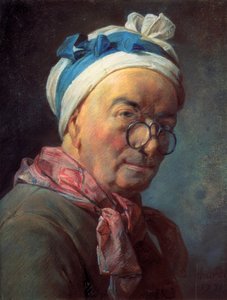
Jean-Baptiste-Siméon Chardin
1699 - 1779 , Francia
Datos clave
- Artistas Influyentes:
- Pierre-Jacques Cazes
- Noël-Nicolas Coypel
- Estilo Artístico: Realismo, Bodegón
- Fecha De Fallecimiento: 1779
- Fecha De Nacimiento: 2 de noviembre de 1699
- Lugar De Nacimiento: París, Francia
- Nacionalidad: Francés
- Nombre Completo: Jean-Baptiste-Siméon Chardin
- Obras Notables:
- Los picapedreros
- Bodegón con manzanas y jarra
- ¡Oh! Si tan solo fuera fiel a mí
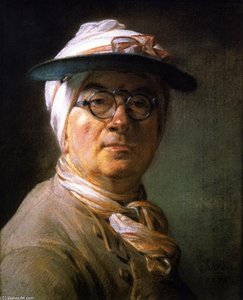
- Autorretrato con gafas
Artículos relacionados
Jean-Baptiste-Siméon Chardin: Master of Still Life & Everyday Elegance
Explore the serene world of Jean-Baptiste-Siméon Chardin, master of still life & genre painting. Discover his revolutionary techniques, enduring legacy, and timeless depictions of everyday elegance. Learn more at ArtsDot.
Silent Narratives: Exploring the Enduring Appeal of Still Life Painting Across Centuries
Explore the rich history of still life painting with ArtsDot. Discover Dutch Masters, decode vanitas symbolism & learn about collecting timeless art. Expert insights and museum-quality reproductions.
Feathered Visions: A Historical & Artistic Exploration of Birds in Painting
Explore the rich history of birds in painting! Discover symbolism, artistic movements & master artists like Audubon. High-quality reproductions available at ArtsDot.
Bernard Cathelin: A Poetic Realist's Exploration of Still Life and the French Landscape
Explore the captivating world of Bernard Cathelin, a master of French Poetic Realism. Discover his stunning still lifes & landscapes, and learn about his legacy with ArtsDot.
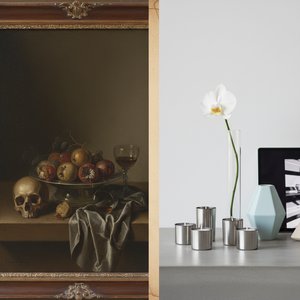
The Enduring Appeal of Still Life: A Historical & Contemporary Exploration
Explore the rich history & symbolism of still life painting with ArtsDot. Discover masterpieces from the Dutch Golden Age, learn about vanitas art, and find expert guidance for collecting timeless artworks.