 Ver en contexto
 Enviar
 Compartir
 Detalles

 Descargar
 Similares
 Radiografía
 Presentación de diapositivas
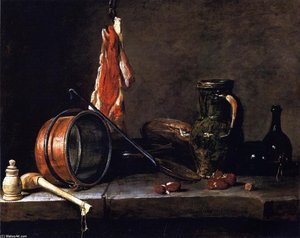
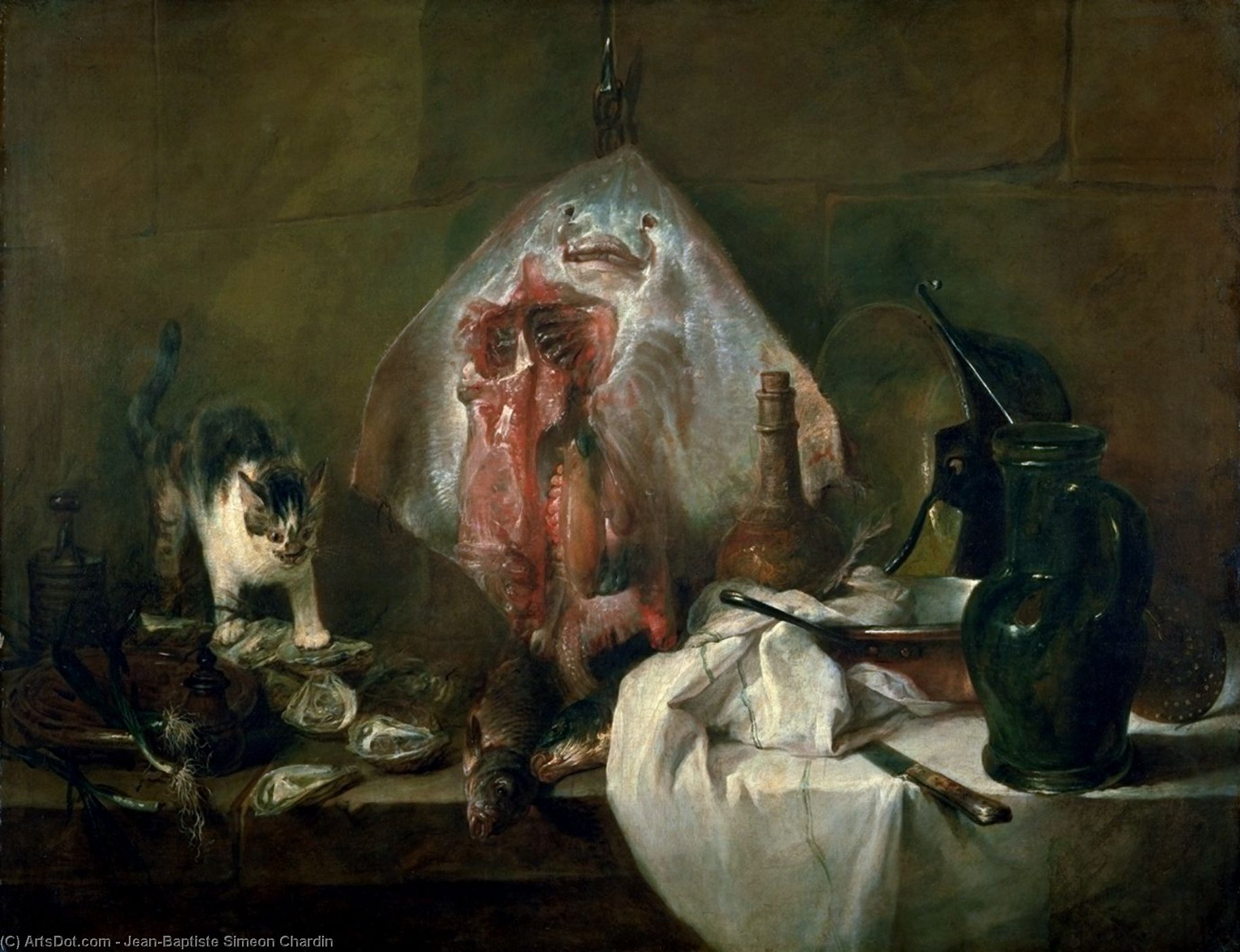
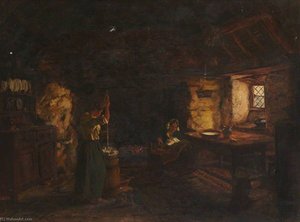
The Ray or, The Kitchen Interior
 Oil
Oil- WallArt
- Rococo
 1728
1728- Early Modern
 146.0 x 114.0 cm
 Ver más
Giclée / Impresión de arte
Impresiones giclée o en lienzo de calidad de museo con producción rápida y opciones de acabado flexibles. ( Comprar pintura hecha a mano Comprar imagen)




P118B $10

P118H $10

P118W $10

P438Z $10

P508JH $12

P508YH $12

P805H $10

P805Z $10

P919BZ $10

P919G $10

P919XJ $10

P959ZH $10

P968JZ $12

W106C $8

W218G $10

W218JH $8

W218Y $10

W307PJ $10

W316G $10

W316PJ $8

W316Y $10

W398PJ $8

W4111J $10

W500HY $15

W500JH $15

W692G $12

W849H $8

W940BG $15

W953PJ $8




Elija entre nuestros tamaños predefinidos que respetan las proporciones originales de la obra.

Puede introducir sus propias dimensiones para adaptarse a un marco o espacio específico. Si el tamaño seleccionado no coincide con las proporciones de la imagen original, recortaremos la obra de arte o extenderemos la imagen con un borde con efecto espejo o de color sólido. Se enviará una maqueta digital para su aprobación antes de que comience la producción.
Tenga en cuenta que la vista previa en pantalla no refleja el recorte o la extensión real. Solo la maqueta mostrará con precisión la composición final.
Aunque existen tamaños personalizados, recomendamos seleccionar una dimensión de la lista predefinida para preservar las proporciones originales.
Envío a todo el mundo () en 2 semanas en lugar de las 4/5 semanas estándar. (25 agosto)

Envío exprés gratuito a todo el mundo

Lienzo de lino de alta calidad

Seguro de envío total

Garantía de reembolso de impuestos aduaneros

Garantía de fidelidad cromática exacta

Política de devolución de 60 días (solo por defectos)

Garantía de devolución del 100% del dinero

Descuento por cantidad
 La opción de vidrio solo está disponible en tamaños inferiores a 110 cm.

The Ray or, The Kitchen Interior
Giclée / Impresión de arte
Dimensiones de la reproducción
-


Precio total final
$ 62
Descripción de la pieza
The Quiet Majesty of the Everyday
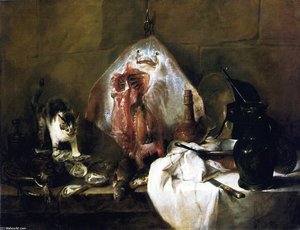
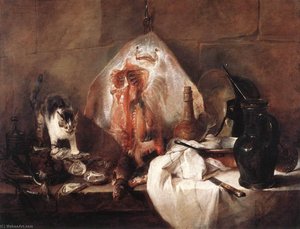
In the heart of an eighteenth-century French kitchen, there exists a profound stillness that transcends the mere depiction of domesticity. Jean-Baptiste-Siméon Chardin, a master of the subtle and the overlooked, invites us into The Ray or, The Kitchen Interior (1728) not as a voyeur of chaos, but as a witness to the dignity of the mundane. At first glance, the canvas presents a scene of culinary preparation: a heavy carcass hangs suspended, bottles are scattered across surfaces, and a solitary cat rests with watchful grace upon a table. Yet, beneath this surface level of utility lies a masterful exploration of light and texture that elevates a simple kitchen to a stage of quiet importance.
Chardin’s genius resides in his ability to find the extraordinary within the ordinary. While his contemporaries often sought the grandiosity of mythological legends or the opulence of aristocratic portraits, Chardin turned his gaze toward the humble tools of the kitchen and the raw materials of life. In this work, every object—from the glint of light on a glass bottle to the rugged weight of the hanging meat—is treated with an equal measure of reverence. The composition is a delicate dance of balance and weight, where the heavy presence of the carcass is offset by the airy, scattered placement of vessels, creating a rhythmic flow that guides the eye through the depths of the room.
A Masterclass in Texture and Light
For the discerning collector or interior designer, the true allure of this piece lies in Chardin’s unparalleled technical execution. His background as the son of a cabinetmaker is evident in his tactile approach to oil painting; he possesses an almost sculptural understanding of how light interacts with different surfaces. One can almost feel the cool smoothness of the ceramic bowls, the rough grain of the wooden tables, and the damp, heavy atmosphere of the kitchen air. He utilizes a soft, diffused light that seems to emanate from within the scene itself, casting gentle shadows that provide depth without obscuring the intricate details of the objects.
The color palette is intentionally restrained, relying on earthy tones, muted ochres, and deep shadows to create a sense of timelessness. This restraint prevents the busy subject matter from becoming overwhelming, instead fostering an atmosphere of contemplative calm. The presence of the cat adds a vital pulse of life, a small, breathing element that anchors the stillness of the inanimate objects. It is this interplay between the living and the still, the heavy and the light, that gives the painting its enduring emotional resonance.
Timeless Elegance for the Modern Interior
Integrating a high-quality reproduction of The Ray into a contemporary space offers more than just decoration; it provides an anchor of historical depth and soulful tranquility. For interior designers seeking to create a room with character, Chardin’s work serves as a sophisticated focal point that complements both classical and modern aesthetics. The painting’s ability to evoke warmth and nostalgia makes it an ideal choice for dining areas, studies, or living spaces where one wishes to foster an environment of quiet reflection and understated luxury.
Owning a piece inspired by Chardin is an invitation to slow down and appreciate the beauty in the fleeting moments of life. It is a celebration of the textures and rhythms that define our daily existence. Whether displayed as a centerpiece in a minimalist gallery-style room or nestled within a richly layered traditional setting, this work continues to whisper the profound truth that there is immense artistry to be found in the simplest of scenes.
Obras relacionadas
Biografía del artista
Primeros años y formación
Jean Siméon Chardin, pintor francés, nació en París el 2 de noviembre de 1699. Es considerado uno de los maestros más grandes del bodegón y la pintura de género. La vida temprana de Chardin estuvo marcada por su nacimiento en una familia de fabricantes de armarios, lo que probablemente influyó en su interés por el arte. Rara vez abandonó París, viviendo en la orilla izquierda cerca de Saint-Sulpice hasta 1757.Carrera artística
En 1723, Chardin contrajo un acuerdo matrimonial con Marguerite Saintard, a quien no se casaría hasta 1731. Realizó aprendizajes con los pintores históricos Pierre-Jacques Cazes y Noël-Nicolas Coypel, convirtiéndose en maestro de la Académie de Saint-Luc en 1724.- Su primer reconocimiento llegó al exhibir una pintura en el 'Small Corpus Christi' en la Place Dauphine, que fue comprada por Van Loo, quien más tarde asistió al joven pintor.
- En 1728, presentó "La Raya" y "El Buffet", lo que condujo a su admisión en la Académie Royale de Peinture et de Sculpture.
Obras notables y exposiciones
El trabajo de Chardin ganó popularidad a través de grabados reproductivos, lo que le proporcionó ingresos en forma de regalías. Entre sus obras más destacadas se encuentran:- Los Rompedores de Piedras, una obra maestra que muestra su habilidad en el bodegón.
- Bodegón con manzanas y una jarra, que demuestra su uso de la suave difusión de la luz y el impasto granular.
Estilo e Influencias
El estilo de Chardin se caracteriza por su sobriedad, realismo y una atmósfera tranquila. A diferencia de muchos de sus contemporáneos, evitó los temas grandiosos y heroicos, prefiriendo representar escenas cotidianas y objetos humildes con gran detalle y sensibilidad. Su uso de la luz es sutil pero efectivo, creando una sensación de intimidad y calidez en sus obras. Se cree que Chardin estuvo influenciado por el naturalismo holandés del siglo XVII, así como por los pintores franceses de género como Jean-Baptiste Paternostre. Su enfoque en la observación directa y su rechazo a la idealización lo distinguen de otros artistas de su época.Legado
El legado de Chardin como maestro del bodegón y la pintura de género continúa inspirando a artistas y entusiastas del arte por igual. Su trabajo, caracterizado por una composición cuidadosamente equilibrada, una suave difusión de la luz y un impasto granular, sigue siendo un testimonio de su habilidad y dedicación al oficio. Explore más en Wikipedia: historia de la pintura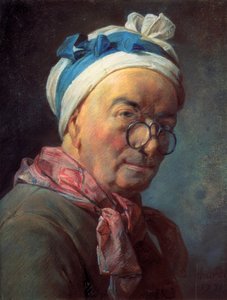
Jean-Baptiste-Siméon Chardin
1699 - 1779 , Francia
Datos clave
- Artistas Influyentes:
- Pierre-Jacques Cazes
- Noël-Nicolas Coypel
- Estilo Artístico: Realismo, Bodegón
- Fecha De Fallecimiento: 1779
- Fecha De Nacimiento: 2 de noviembre de 1699
- Lugar De Nacimiento: París, Francia
- Nacionalidad: Francés
- Nombre Completo: Jean-Baptiste-Siméon Chardin
- Obras Notables:
- Los picapedreros
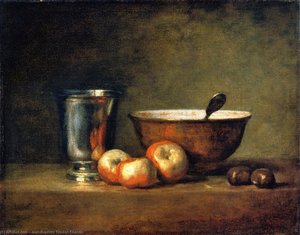
- Bodegón con manzanas y jarra
- ¡Oh! Si tan solo fuera fiel a mí
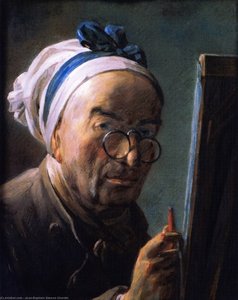
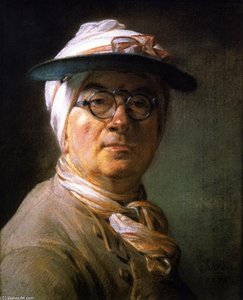
- Autorretrato con gafas
Artículos relacionados

¿Murales en Cocinas y Baños? La Nueva Tendencia del Diseño de Interiores de Lujo
Descubre la tendencia de los murales en baños y cocinas. Expertos en diseño te guían para transformar tus espacios con arte impermeable y personalizado. ¡Encuentra inspiración y soluciones únicas!
Silent Narratives: Exploring the Enduring Appeal of Still Life Painting Across Centuries
Explore the rich history of still life painting with ArtsDot. Discover Dutch Masters, decode vanitas symbolism & learn about collecting timeless art. Expert insights and museum-quality reproductions.
De la Naturaleza Muerta Clásica a la Abstracción Contemporánea: Elevando los Espacios de Entretenimiento en Villas a Través de Reproducciones Artísticas
Descubre la evolución del bodegón y cómo integrar reproducciones artísticas de alta calidad en tu villa. Expertos en arte, selección exclusiva y asesoramiento personalizado.
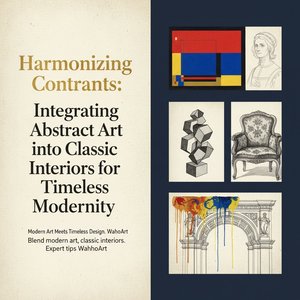
Equilibrio y Audacia: La Integración del Arte Contemporáneo en Interiores Clásicos para una Modernidad Atemporal
Descubre cómo integrar el arte contemporáneo en interiores clásicos con elegancia y sofisticación. Expertos en diseño te guían para crear espacios atemporales llenos de personalidad. ¡Inspírate!
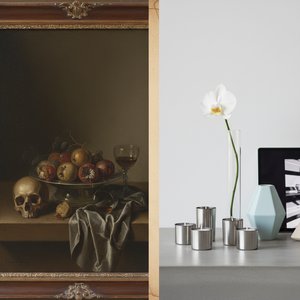
The Enduring Appeal of Still Life: A Historical & Contemporary Exploration
Explore the rich history & symbolism of still life painting with ArtsDot. Discover masterpieces from the Dutch Golden Age, learn about vanitas art, and find expert guidance for collecting timeless artworks.