 Ver en contexto
 Enviar
 Compartir
 Detalles

 Descargar
 Similares
 Radiografía
 Presentación de diapositivas
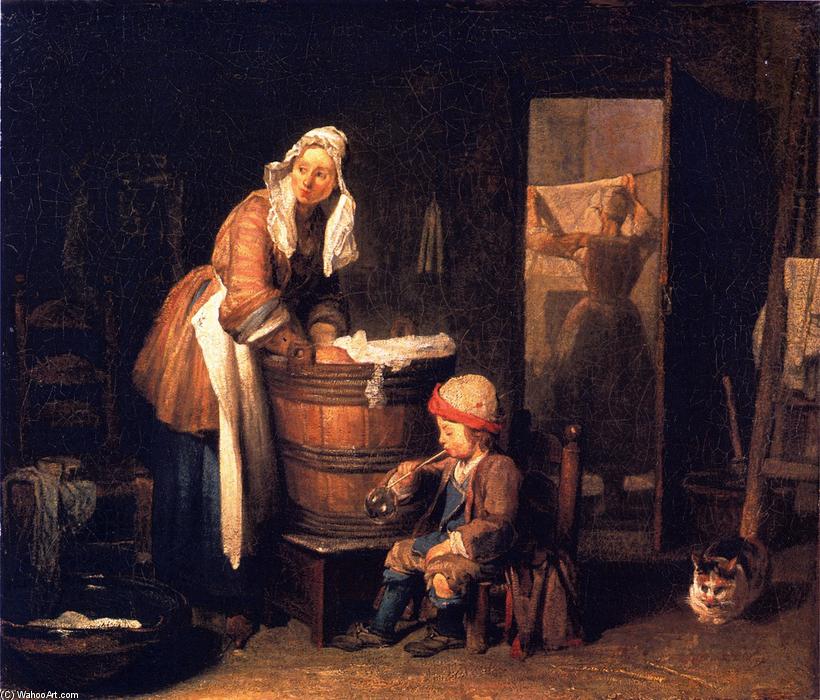
The Washerwoman


 Ver más
Giclée / Impresión de arte
Impresiones giclée o en lienzo de calidad de museo con producción rápida y opciones de acabado flexibles. ( Comprar pintura hecha a mano Comprar imagen)




P118B $10

P118H $10

P118W $10

P438Z $10

P508JH $12

P508YH $12

P805H $10

P805Z $10

P919BZ $10

P919G $10

P919XJ $10

P959ZH $10

P968JZ $12

W106C $8

W218G $10

W218JH $8

W218Y $10

W307PJ $10

W316G $10

W316PJ $8

W316Y $10

W398PJ $8

W4111J $10

W500HY $15

W500JH $15

W692G $12

W849H $8

W940BG $15

W953PJ $8




Elija entre nuestros tamaños predefinidos que respetan las proporciones originales de la obra.

Puede introducir sus propias dimensiones para adaptarse a un marco o espacio específico. Si el tamaño seleccionado no coincide con las proporciones de la imagen original, recortaremos la obra de arte o extenderemos la imagen con un borde con efecto espejo o de color sólido. Se enviará una maqueta digital para su aprobación antes de que comience la producción.
Tenga en cuenta que la vista previa en pantalla no refleja el recorte o la extensión real. Solo la maqueta mostrará con precisión la composición final.
Aunque existen tamaños personalizados, recomendamos seleccionar una dimensión de la lista predefinida para preservar las proporciones originales.
Envío a todo el mundo () en 2 semanas en lugar de las 4/5 semanas estándar. (25 agosto)

Envío exprés gratuito a todo el mundo

Lienzo de lino de alta calidad

Seguro de envío total

Garantía de reembolso de impuestos aduaneros

Garantía de fidelidad cromática exacta

Política de devolución de 60 días (solo por defectos)

Garantía de devolución del 100% del dinero

Descuento por cantidad
 La opción de vidrio solo está disponible en tamaños inferiores a 110 cm.

The Washerwoman
Giclée / Impresión de arte
Dimensiones de la reproducción
-


Precio total final
$ 62
Descripción de la pieza
A Moment Frozen in Time: Jean-Baptiste Simeon Chardin’s ‘The Washerwoman’
Jean-Baptiste Simeon Chardin's “The Washerwoman,” completed in 1733, transcends mere portraiture; it embodies the very essence of Rococo sensibility—a quiet contemplation of domestic life imbued with an unparalleled sensitivity to light and texture. Currently residing at Stockholm’s Nationalmuseum, this unassuming oil on canvas offers a profound glimpse into the artistic spirit of its era and continues to resonate powerfully with viewers today.Composition and Setting: Elegance Rooted in Simplicity
The painting depicts a woman diligently washing clothes alongside her child—a scene remarkably devoid of grand gesture or dramatic narrative. Instead, Chardin meticulously orchestrates a harmonious composition within a modestly furnished room. A mirror strategically positioned above the figures reflects their image, subtly amplifying the intimacy of the moment and emphasizing the interplay between light and shadow. The inclusion of a cat curled up on the floor adds an element of warmth and domestic comfort, grounding the scene in tangible reality. Chardin’s masterful use of perspective guides the eye across the canvas, creating a sense of depth that draws us into this quiet tableau.Technique: A Celebration of Texture and Light
Chardin's technique is characterized by its remarkable precision and restraint. He employs thin glazes of oil paint layered upon each other—a hallmark of Rococo painting—to achieve an astonishing level of tonal gradation. This painstaking process allows him to capture the subtle nuances of surface texture, from the rough weave of the wooden chair to the soft folds of the woman’s dress. The artist's meticulous attention to detail is particularly evident in the rendering of the woman’s hands as she delicately manipulates the clothes—a gesture that speaks volumes about her quiet dignity and unwavering dedication. Light plays a crucial role in shaping the painting’s mood, illuminating the figures with diffused warmth and casting delicate shadows that enhance the sense of atmosphere.Historical Context: Reflecting Enlightenment Values
“The Washerwoman” emerged during the reign of Louis XV, marking a period defined by aristocratic indulgence yet simultaneously witnessing a burgeoning interest in humanist ideals—values championed by the Enlightenment. Chardin’s work stands apart from the opulent grandeur favored by many artists of his time, prioritizing observation and empathy over theatrical spectacle. Rather than glorifying heroic deeds or mythological narratives, he focused on capturing the everyday realities of ordinary people—a deliberate choice that reflects the broader intellectual currents shaping European culture. The painting serves as a poignant reminder of the importance of finding beauty in simplicity and appreciating the quiet dignity inherent in human experience.Symbolism: Beyond Representation – An Expression of Inner Harmony
While seemingly straightforward, “The Washerwoman” is rich in symbolic significance. The woman’s posture conveys resilience and perseverance—a virtue admired during the Enlightenment—while her interaction with her child embodies unconditional love and nurturing care. The cat symbolizes domestic tranquility and contentment, reinforcing the painting's overarching theme of harmony and balance. Furthermore, Chardin’s masterful depiction of light and shadow evokes biblical imagery, suggesting a spiritual dimension to this seemingly mundane scene. Ultimately, “The Washerwoman” invites contemplation on themes of motherhood, labor, and the enduring beauty of human connection—themes that continue to resonate with audiences across centuries.- Explore more paintings by Jean-Baptiste Simeon Chardin: Jean-Baptiste Simeon Chardin
- Discover the Nationalmuseum’s collection: Nationalmuseum Stockholm
- Learn more about Jean-Baptiste Simeon Chardin on Wikipedia:Wikipedia
For a stunning handmade oil painting reproduction of “The Washerwoman,” visit ArtsDot.
Obras relacionadas

Biografía del artista
Primeros años y formación
Jean Siméon Chardin, pintor francés, nació en París el 2 de noviembre de 1699. Es considerado uno de los maestros más grandes del bodegón y la pintura de género. La vida temprana de Chardin estuvo marcada por su nacimiento en una familia de fabricantes de armarios, lo que probablemente influyó en su interés por el arte. Rara vez abandonó París, viviendo en la orilla izquierda cerca de Saint-Sulpice hasta 1757.Carrera artística
En 1723, Chardin contrajo un acuerdo matrimonial con Marguerite Saintard, a quien no se casaría hasta 1731. Realizó aprendizajes con los pintores históricos Pierre-Jacques Cazes y Noël-Nicolas Coypel, convirtiéndose en maestro de la Académie de Saint-Luc en 1724.- Su primer reconocimiento llegó al exhibir una pintura en el 'Small Corpus Christi' en la Place Dauphine, que fue comprada por Van Loo, quien más tarde asistió al joven pintor.
- En 1728, presentó "La Raya" y "El Buffet", lo que condujo a su admisión en la Académie Royale de Peinture et de Sculpture.
Obras notables y exposiciones
El trabajo de Chardin ganó popularidad a través de grabados reproductivos, lo que le proporcionó ingresos en forma de regalías. Entre sus obras más destacadas se encuentran:- Los Rompedores de Piedras, una obra maestra que muestra su habilidad en el bodegón.
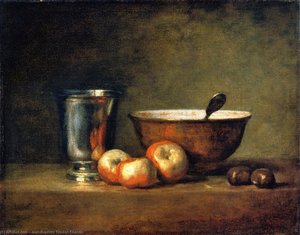
- Bodegón con manzanas y una jarra, que demuestra su uso de la suave difusión de la luz y el impasto granular.
Estilo e Influencias
El estilo de Chardin se caracteriza por su sobriedad, realismo y una atmósfera tranquila. A diferencia de muchos de sus contemporáneos, evitó los temas grandiosos y heroicos, prefiriendo representar escenas cotidianas y objetos humildes con gran detalle y sensibilidad. Su uso de la luz es sutil pero efectivo, creando una sensación de intimidad y calidez en sus obras. Se cree que Chardin estuvo influenciado por el naturalismo holandés del siglo XVII, así como por los pintores franceses de género como Jean-Baptiste Paternostre. Su enfoque en la observación directa y su rechazo a la idealización lo distinguen de otros artistas de su época.Legado
El legado de Chardin como maestro del bodegón y la pintura de género continúa inspirando a artistas y entusiastas del arte por igual. Su trabajo, caracterizado por una composición cuidadosamente equilibrada, una suave difusión de la luz y un impasto granular, sigue siendo un testimonio de su habilidad y dedicación al oficio. Explore más en Wikipedia: historia de la pintura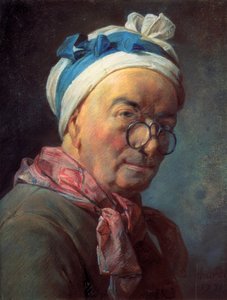
Jean-Baptiste-Siméon Chardin
1699 - 1779 , Francia
Datos clave
- Artistas Influyentes:
- Pierre-Jacques Cazes
- Noël-Nicolas Coypel
- Estilo Artístico: Realismo, Bodegón
- Fecha De Fallecimiento: 1779
- Fecha De Nacimiento: 2 de noviembre de 1699
- Lugar De Nacimiento: París, Francia
- Nacionalidad: Francés
- Nombre Completo: Jean-Baptiste-Siméon Chardin
- Obras Notables:
- Los picapedreros
- Bodegón con manzanas y jarra
- ¡Oh! Si tan solo fuera fiel a mí
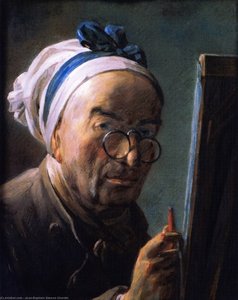
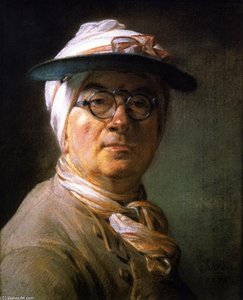
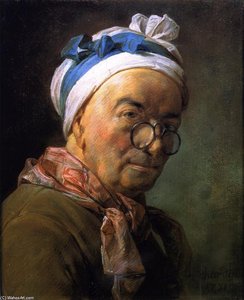
- Autorretrato con gafas
Artículos relacionados

El Óleo sobre Lienzo: Historia, Técnica y la Persistencia de un Medio Artístico Atemporal
Descubre la historia y técnica del óleo sobre lienzo. Explora reproducciones fieles hechas a mano, personalización artística y consejos de expertos con ArtsDot. ¡Colecciona arte con confianza!

The Enduring Legacy of Oil on Canvas: Technique, History & Aesthetic Impact
Explore the rich history & techniques of oil painting – from Renaissance masters to Impressionism. Discover pigments, layering methods, and why this timeless medium endures. Expert insights for artists & art enthusiasts.

Giclée Prints: Archival Quality & Aesthetic Nuances for the Discerning Collector
Explore the world of giclée prints with ArtsDot. Learn about archival quality, aesthetic nuances & investment potential. Expert guidance for discerning art collectors seeking museum-quality reproductions and lasting value.

El Legado Duradero del Óleo sobre Lienzo: Técnica, Historia y Práctica Contemporánea
Descubre la historia y técnica del óleo sobre lienzo. Explora reproducciones fieles hechas a mano, personalización artística y consejos de expertos con .
Las 10 Obras Maestras al Óleo que Revolucionaron la Historia del Arte |
Descubre las 10 obras maestras al óleo que transformaron la historia del arte. Explora Van Gogh, Monet, Da Vinci y más. Reproducciones de alta calidad para decorar tu hogar con elegancia. ¡Encuentra tu obra favorita en !