

 Ver en contexto
 Enviar
 Compartir
 Detalles

 Descargar
 Similares
 Radiografía
 Presentación de diapositivas
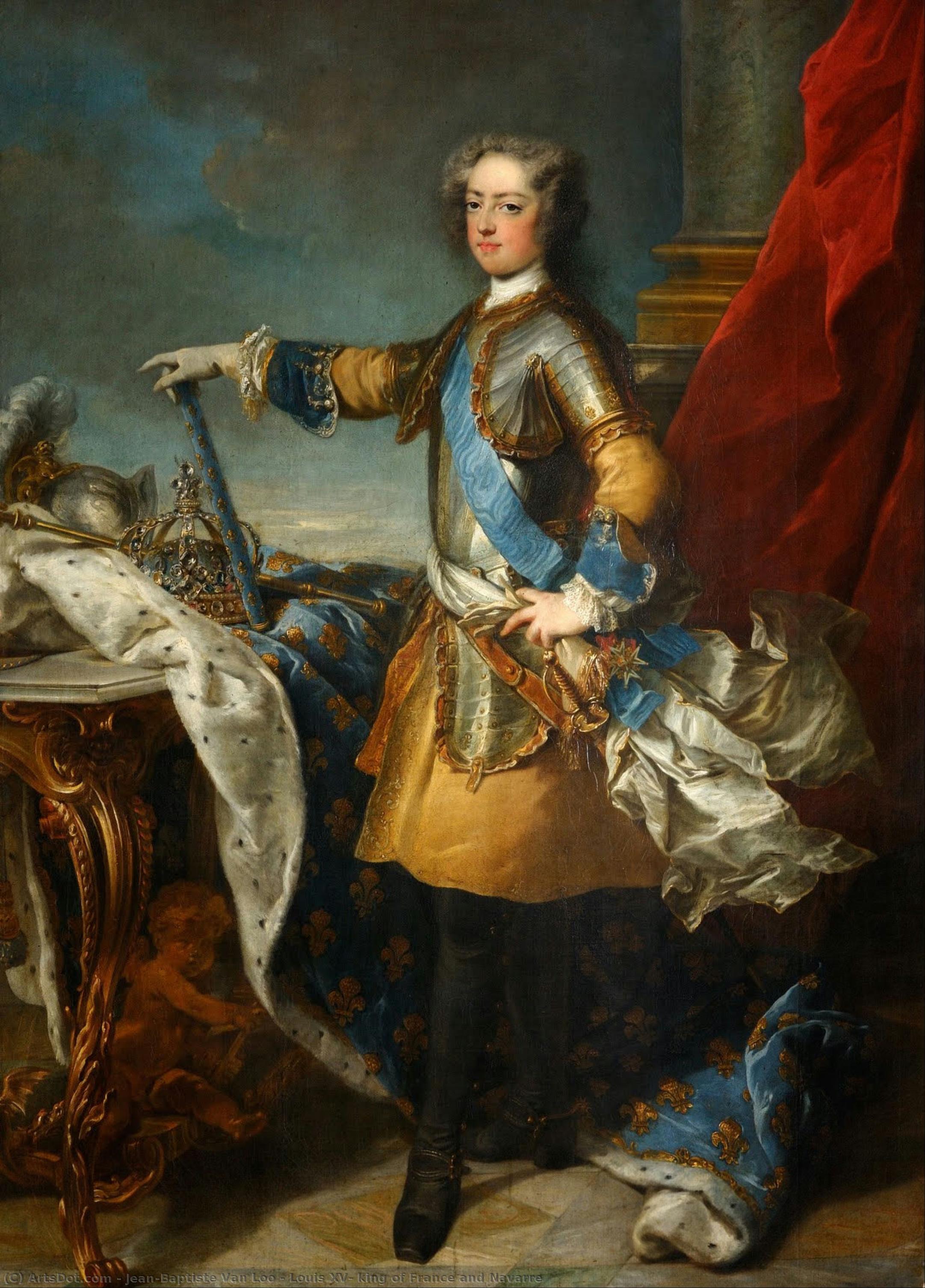
Louis XV, king of France and Navarre
 Oil On Canvas
- WallArt
- Rococo
 1723
1723 171.0 x 205.0 cm
 Château de Versailles
 Ver más
Giclée / Impresión de arte
Impresiones giclée o en lienzo de calidad de museo con producción rápida y opciones de acabado flexibles. ( Comprar pintura hecha a mano Comprar imagen)




P118B $10

P118H $10

P118W $10

P438Z $10

P508JH $12

P508YH $12

P805H $10

P805Z $10

P919BZ $10

P919G $10

P919XJ $10

P959ZH $10

P968JZ $12

W106C $8

W218G $10

W218JH $8

W218Y $10

W307PJ $10

W316G $10

W316PJ $8

W316Y $10

W398PJ $8

W4111J $10

W500HY $15

W500JH $15

W692G $12

W849H $8

W940BG $15

W953PJ $8




Elija entre nuestros tamaños predefinidos que respetan las proporciones originales de la obra.

Puede introducir sus propias dimensiones para adaptarse a un marco o espacio específico. Si el tamaño seleccionado no coincide con las proporciones de la imagen original, recortaremos la obra de arte o extenderemos la imagen con un borde con efecto espejo o de color sólido. Se enviará una maqueta digital para su aprobación antes de que comience la producción.
Tenga en cuenta que la vista previa en pantalla no refleja el recorte o la extensión real. Solo la maqueta mostrará con precisión la composición final.
Aunque existen tamaños personalizados, recomendamos seleccionar una dimensión de la lista predefinida para preservar las proporciones originales.
Envío a todo el mundo () en 2 semanas en lugar de las 4/5 semanas estándar. (2 septiembre)

Envío exprés gratuito a todo el mundo

Lienzo de lino de alta calidad

Seguro de envío total

Garantía de reembolso de impuestos aduaneros

Garantía de fidelidad cromática exacta

Política de devolución de 60 días (solo por defectos)

Garantía de devolución del 100% del dinero

Descuento por cantidad
 La opción de vidrio solo está disponible en tamaños inferiores a 110 cm.

Louis XV, king of France and Navarre
Giclée / Impresión de arte
Dimensiones de la reproducción
-


Precio total final
$ 62
The Regal Presence: Jean-Baptiste van Loo’s Masterpiece
Jean-Baptiste van Loo's 1723 portrait of Louis XV, King of France and Navarre, is more than just a likeness; it’s a carefully constructed tableau of power, diplomacy, and the burgeoning grandeur of the French court. The painting immediately commands attention with its scale – a commanding 171 x 205 cm – inviting viewers to lose themselves in the details of this pivotal moment in royal history. Van Loo, a master of his craft who spent much of his career in Paris and England, expertly blends classical formality with a subtle dynamism that captures the essence of Louis XV’s reign.
The subject himself is presented in three-quarter pose, seated against a richly textured backdrop suggesting the opulence of Versailles. He wears the elaborate attire characteristic of the era: a breastplate over a deep blue coat adorned with intricate embroidery, a fur-lined mantle echoing the royal colors, and a sash bearing the emblem of the Order of the Holy Spirit – a potent symbol of his authority and status. The careful placement of the baton resting on his right hand further emphasizes this command, while the subtle turn of his head and gaze imbue the portrait with an air of quiet confidence.
A Window into the Age of Louis XV
To truly appreciate this painting, one must understand the context in which it was created. Louis XV ascended to the throne at the tender age of five, inheriting a kingdom grappling with debt and political instability following the reign of his flamboyant predecessor, Louis XIV. His early years were marked by regency, but he quickly asserted himself as a shrewd and ambitious ruler, skillfully navigating the complex web of European alliances and initiating significant reforms within France. This portrait, painted in 1723 during this formative period, reflects both the weight of his position and the promise of his reign – a time of lavish court life, artistic flourishing, and ultimately, growing tensions that would contribute to the French Revolution.
The painting’s creation coincided with a shift in European art towards a more restrained and idealized style. Van Loo, influenced by Italian masters like Guido Reni and Andrea Sacchi, employed a meticulous technique characterized by smooth brushstrokes, precise detailing, and a masterful use of light and shadow. The composition is carefully balanced, drawing the eye to Louis XV while subtly incorporating elements that speak to his role as king – the fleur-de-lis embroidered on his mantle, the symbols of royal authority, and the grandeur of the setting.
Symbolism and Emotional Resonance
Beyond its technical brilliance, the portrait is rich in symbolism. The elaborate clothing and regalia are not merely decorative; they represent Louis XV’s power, wealth, and connection to tradition. The careful attention to detail – from the embroidery on his garments to the placement of his hands – speaks volumes about the importance placed on appearances and protocol within the French court. Yet, despite this formality, there's a subtle warmth in the king’s expression, suggesting intelligence and perhaps even a hint of vulnerability.
Van Loo’s portraits were often commissioned by European royalty and nobility, serving as both diplomatic tools and personal statements. This particular portrait likely served to reinforce Louis XV’s image as a capable and benevolent ruler – a man dedicated to the prosperity and well-being of his kingdom. The painting's enduring appeal lies in its ability to capture not just a physical likeness but also the spirit and ambition of a king at the height of his power, offering a captivating glimpse into a bygone era.
A Legacy of Likeness: Jean-Baptiste van Loo
Jean-Baptiste van Loo (1684–1745) was a prominent figure in 18th-century French art. Born in Aix-en-Provence, he honed his skills under his father, Louis-Abraham van Loo, and later studied in Rome with Benedetto Luti. He became a member of the Académie royale de peinture et de sculpture in Paris, where he produced numerous portraits for European royalty and nobility. His style is characterized by its elegance, precision, and ability to capture the likenesses of his subjects with remarkable accuracy. His legacy extends through his family – his brothers, Louis-Michel and Charles-Amédée-Philippe, also became accomplished painters, continuing the tradition of portraiture that began with their father.
Obras relacionadas
Biografía del artista
Primeros años y formación
Jean-Baptiste van Loo, un renombrado pintor francés, nació en Aix-en-Provence en 1684. Recibió su formación artística de su padre, Louis-Abraham van Loo, quien también era artista e hijo de Jacob van Loo. Esta línea de artistas sentó las bases para el futuro éxito de Van Loo.Patronazgo y obras notables
El talento de Van Loo llamó la atención del príncipe de Carignan, quien patrocinó su viaje a Roma. Allí, estudió bajo Benedetto Luti, perfeccionando aún más sus habilidades. En Roma, Van Loo fue empleado con frecuencia para pintar para iglesias, creando notablemente un "Azote de Cristo" muy aclamado para la iglesia de Santa Maria in Monticelli.- Obras notables:
- El Azote de Cristo (iglesia de Santa Maria in Monticelli, Roma)
- Retrato de Charles Emmanuel II, duque de Saboya (Turín)
- Retratos de aristócratas, incluyendo a un joven William Murray (más tarde el 1er Lord Mansfield), en París
- Retrato de Colley Cibber y Owen McSwiny (Inglaterra)
- Retrato del señor Robert Walpole, con sus ropas como canciller del tesoro (National Portrait Gallery, Londres)
Desarrollo artístico y logros
La carrera de Van Loo se vio marcada por su elección como miembro de la Académie Royale de Peinture et de Sculpture en París. Ejecutó varios altares y restauró obras de Francesco Primaticcio en Fontainebleau. Su tiempo en Inglaterra, aunque breve debido a problemas de salud, resultó en notables retratos. Se desarrolló un estilo distintivo que combinaba elementos del Barroco con influencias emergentes del Rococó, caracterizado por una ejecución técnica hábil y una atención al detalle en la representación de los trajes y accesorios. Su habilidad para capturar la personalidad y el carácter de sus sujetos lo convirtió en un retratista muy solicitado entre la aristocracia europea.Influencia e importancia histórica
Van Loo contribuyó significativamente a la tradición del retrato europeo, especialmente en Francia e Inglaterra. Aunque sus retratos a menudo no eran halagadores, su capacidad para capturar una imagen fiel y realista de sus sujetos fue ampliamente reconocida. Su trabajo sirvió como un importante registro visual de la sociedad aristocrática de su época. Además, su participación en la restauración de obras de arte en Fontainebleau demuestra su compromiso con la preservación del patrimonio artístico francés. La influencia de Van Loo se puede observar en las obras de artistas posteriores que continuaron explorando el género del retrato y refinando las técnicas de representación.Legado y disponibilidad de su arte
El legado de Van Loo está marcado por sus realistas y fieles representaciones, aunque a menudo no halagadoras. Sus cabezas son coloridas con fuerza. Para explorar más obras de Van Loo o para ordenar una reproducción, visite ArtsDot.com, donde puede encontrar información detallada sobre sus piezas artísticas e incluso comprar reproducciones de calidad de museo.- Ver el arte de Van Loo:
- Visite ArtsDot.com para una colección completa.
- Explore el sitio web del Musée des Beaux-Arts Valence para posibles exhibiciones o menciones del trabajo de Van Loo.
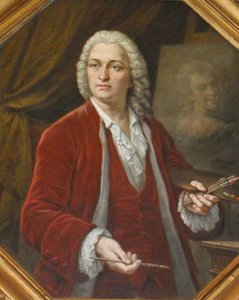
Jean-Baptiste van Loo
1684 - 1745 , Francia
Datos clave
- Artistas Que Influyeron: ['Benedetto Luti']
- Fecha De Fallecimiento: 19 de diciembre de 1745
- Fecha De Nacimiento: 14 de enero de 1684
- Lugar De Nacimiento: Aix-en-Provence, Francia
- Movimiento Artístico: Barroco, Rococó
- Nacionalidad: Francés
- Nombre Completo: Jean-Baptiste van Loo
- Obras Notables:
- La flagelación de Cristo
- Retrato de Carlos II
- Retrato de Walpole
Artículos relacionados
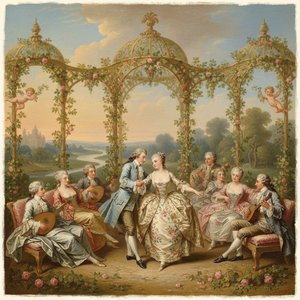
Jean-Baptiste Pater: Rococo Charm & Ephemeral Beauty of 18th-Century France
Explore the captivating world of Jean-Baptiste Pater, a master of Rococo painting. Discover his elegant *fête galante* scenes and shimmering portraits – a glimpse into 18th-century French aristocracy. Learn about his legacy & find high-quality reproductions.
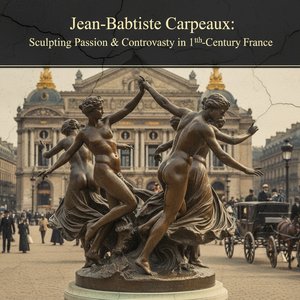
Jean-Baptiste Carpeaux: Sculpting Passion & Controversy in 19th-Century France
Explore the passionate life & controversial works of Jean-Baptiste Carpeaux, a leading French sculptor of the Second Empire. Discover his realism, iconic sculptures like 'Ugolino,' and lasting legacy as a precursor to Rodin.
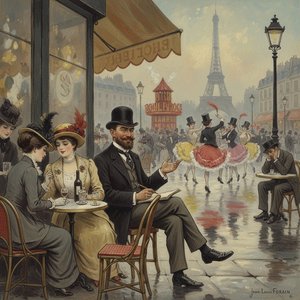
Jean-Louis Forain: Capturing Parisian Life with Wit & Realism
Explore the captivating world of Jean-Louis Forain, a master Impressionist chronicler of Belle Époque Paris. Discover his satirical paintings, realistic scenes & lasting legacy. Learn about collecting Forain's art today!
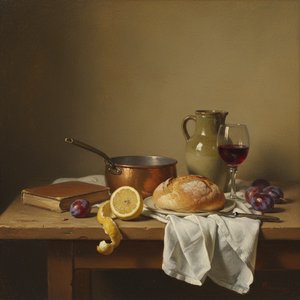
Jean-Baptiste-Siméon Chardin: Master of Still Life & Everyday Elegance
Explore the serene world of Jean-Baptiste-Siméon Chardin, master of still life & genre painting. Discover his revolutionary techniques, enduring legacy, and timeless depictions of everyday elegance. Learn more at ArtsDot.
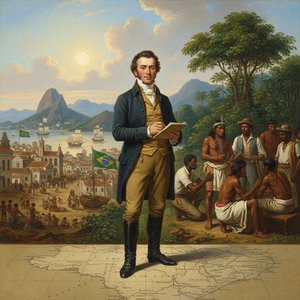
Jean-Baptiste Debret: Witnessing Brazil’s Emergence Through Art & Identity
Explore the captivating art of Jean-Baptiste Debret, a key witness to Brazil’s imperial era. Discover his iconic portraits, historical scenes & insightful depictions of Brazilian life. Learn about his legacy and find museum-quality reproductions at ArtsDot.

