

 Ver en contexto
 Enviar
 Compartir
 Detalles

 Descargar
 Similares
 Radiografía
 Presentación de diapositivas
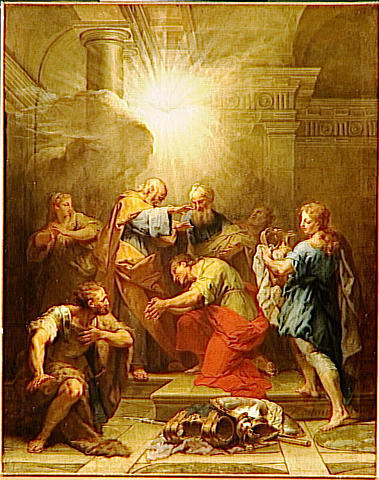
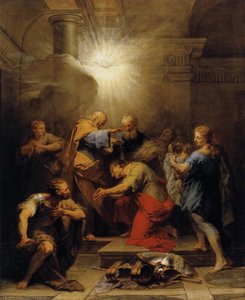
ANANIE IMPOSANT LES MAINS A SAINT PAUL


 Ver más
Reproducción al óleo hecha a mano
Óleo sobre lienzo pintado a mano en el tamaño y marco de su elección, realizado por encargo por nuestros artistas. ( Comprar impresión Comprar imagen)




P118B $10

P118H $10

P118W $10

P438Z $10

P508JH $12

P508YH $12

P805H $10

P805Z $10

P919BZ $10

P919G $10

P919XJ $10

P959ZH $10

P968JZ $12

W106C $8

W218G $10

W218JH $8

W218Y $10

W307PJ $10

W316G $10

W316PJ $8

W316Y $10

W398PJ $8

W4111J $10

W500HY $15

W500JH $15

W692G $12

W849H $8

W940BG $15

W953PJ $8




Elija entre nuestros tamaños predefinidos que respetan las proporciones originales de la obra.

Puede ingresar sus propias dimensiones para adaptarse a un marco o espacio específico. Si el tamaño seleccionado no coincide con las proporciones de la imagen original, recortaremos la obra o extenderemos la pintura con elementos adicionales pintados a mano. Se le enviará una maqueta digital para su aprobación antes de comenzar la producción.
Tenga en cuenta que la vista previa en pantalla no refleja el recorte o la extensión reales. Solo la maqueta mostrará con precisión la composición final.
Si bien existen tamaños personalizados, recomendamos seleccionar una dimensión de la lista predefinida para preservar las proporciones originales.
Tras realizar el pedido, el equipo de ArtsDot.com enviará un correo electrónico al cliente para solicitar instrucciones y proporcionarle una vista previa del boceto.
Envío a todo el mundo () en 3-4 semanas en lugar de las 5 semanas estándar. (25 agosto). Sin comprometer la calidad.

Envío exprés gratuito a todo el mundo

Lienzo de lino de alta calidad

Seguro de envío total

Garantía de reembolso de impuestos aduaneros

Garantía de fidelidad cromática exacta

Política de devolución de 60 días (solo por defectos)

Garantía de devolución del 100% del dinero

Descuento por cantidad
 La opción de vidrio solo está disponible en tamaños inferiores a 110 cm.

ANANIE IMPOSANT LES MAINS A SAINT PAUL
Técnica de reproducción
Dimensiones de la reproducción
-


Precio total final
$ 413
Descripción de la obra
Ananie Impostant Les Mains à Saint Paul: A Dramatic Revelation
Jean-Bernard Restout’s “Ananie Impostant Les Mains à Saint Paul” is not merely a painting; it's a visceral plunge into the heart of a pivotal biblical narrative. Completed in 1719, this monumental work, now housed within the esteemed collection of the Louvre Museum in Paris, captures a moment of profound transformation – the restoration of sight to St. Paul by Ananias, a scene brimming with spiritual intensity and theatrical drama. Restout, a prominent figure of the Rococo period, masterfully blends Baroque dynamism with the era’s characteristic opulence, creating an artwork that continues to resonate with viewers centuries later.
The composition immediately commands attention. A central beam of light, radiating from above like divine grace itself, illuminates the scene, bathing the figures in a golden glow. This dramatic lighting is a hallmark of Restout’s style, expertly employed to heighten the emotional impact and draw the eye towards the core of the narrative: Ananias extending his hands toward the blinded Paul. The setting, likely inspired by Roman or classical architecture – evidenced by the imposing columns and arches in the background – provides a suitably grand backdrop for this transformative event. The figures are arranged with deliberate precision, creating a sense of movement and urgency as Paul’s eyes slowly open to reveal the world anew.
A Symphony of Color and Texture
Restout's palette is rich and warm, dominated by ochres, browns, reds, and yellows – colors that evoke both earthly solidity and divine illumination. These hues are skillfully layered with cooler blues and greens in the architectural details and shadows, adding depth and complexity to the scene. The artist’s brushwork is visible, contributing a textured surface that invites close examination. Notice how he uses impasto—thickly applied paint—to emphasize the folds of the drapery and the intensity of Paul's expression. The use of glazing techniques further enhances the luminosity of the light source, creating an almost ethereal quality.
Beyond the technical mastery, Restout’s choice of colors is deeply symbolic. The vibrant red robe worn by one figure – likely Ananias himself – draws immediate attention and signifies his role as a conduit for divine intervention. The muted tones of Paul's clothing contrast sharply with the brilliance of the light, underscoring his transition from darkness to enlightenment. The discarded armor and weaponry scattered at the base of the scene represent the relinquishment of worldly power—a key element in Paul’s conversion story.
Symbolism and Spiritual Depth
“Ananie Impostant Les Mains à Saint Paul” is far more than a depiction of a biblical event; it's an exploration of faith, repentance, and the transformative power of divine grace. The central beam of light serves as a potent symbol of revelation—a direct connection between God and humanity. The act of Ananias extending his hands represents not just physical restoration but also spiritual awakening. Paul’s expression – a mixture of surprise, gratitude, and nascent faith – is remarkably lifelike, conveying the profound emotional impact of this pivotal moment.
Furthermore, the scene resonates with broader themes of redemption and the possibility of new beginnings. The discarded armor speaks to the shedding of old attachments and the embrace of a higher purpose. The composition as a whole invites contemplation on the nature of faith and the journey from darkness to light—a timeless message that continues to inspire viewers today.
A Legacy of Rococo Grandeur
Jean-Bernard Restout’s “Ananie Impostant Les Mains à Saint Paul” stands as a testament to the dynamism and emotional intensity of the Rococo period. Influenced by the grandeur of the Baroque, Restout infused his work with a sense of theatrical drama and heightened emotion. This painting exemplifies his skill in capturing complex narratives through carefully constructed compositions, rich color palettes, and masterful use of light and shadow. Reproductions of this powerful artwork offer a captivating glimpse into a pivotal moment in Christian history—a reminder of the enduring power of faith and the transformative potential within us all.
Obras relacionadas

Biografía del artista
primeros años y formación
jean-bernard restout, pintor francés, nació en París en 1732 y falleció en la misma ciudad en 1797. Hijo de jean ii restout, siguió los pasos de su progenitor al convertirse también en miembro de la académie de rouen. Entre sus más brillantes logros artísticos, destaca la obtención del prestigioso prix de rome en 1758. Tras su regreso de Italia en 1765, fue integrado a la académie royale, siendo recibido formalmente en ella en 1769.exposiciones notables y colecciones
La presencia de jean-bernard restout en el panorama artístico fue constante, exhibiendo frecuentemente en el salon de paris desde 1767 hasta 1791. Actualmente, su legado pictórico forma parte de la invaluable colección del musée des beaux-arts de rouen, una muestra que puede explorarse a través de la plataforma de [ArtsDot.com](https://AllPaintings Store.com/@@/a@d3aq25).participación revolucionaria y últimos años
La vida de Restout estuvo marcada por los turbulentos vientos de la Revolución Francesa, periodo en el que ejerció como presidente de la commune des arts. En un gesto audaz, participó junto a su fundador David en la campaña para la supresión de la academia. Su labor como guardián del garde-meuble royal bajo la gestión de Roland lo llevó a enfrentar el cautiverio durante el Reinado del Terror, logrando su liberación tras el golpe de estado del 9 de thermidor en 1794.legado y trascendencia artística
El legado artístico de jean-bernard restout se define por una fascinante dualidad: la adhesión rigurosa a las técnicas tradicionales de la pintura francesa y el reflejo de los primeros brotes del fervor revolucionario. Aunque su obra no goza de la misma fama que la de algunos contemporáneos, nos ofrece una ventana única para comprender el complejo paisaje artístico y político de la Francia del siglo XVIII.obras clave y colecciones
- Las pinturas de jean-bernard restout se distinguen por su elegancia y sobriedad, reflejando la maestría de su formación en la tradición de la académie de rouen.
- Explore más de la obra de jean-bernard restout y otros maestros franceses en [ArtsDot.com](https://ArtsDot.com/@/jean-bernard-restout).
- Descubra las obras maestras del musée des beaux-arts de rouen, que incluye piezas de jean-bernard restout y otros artistas franceses, en la [colección musée des beaux-arts de rouen de ArtsDot.com](https://ArtsDot.com/@@/a@d3aq25).
conclusión
jean-bernard restout, figura imprescindible de la historia del arte francés, dejó una huella imborrable en el mundo de la pintura gracias a su singular amalgama de técnicas tradicionales y fervor revolucionario. Su legado, aunque menos difundido, nos brinda una visión cautivadora de las corrientes artísticas y políticas que definieron la Francia del siglo XVIII.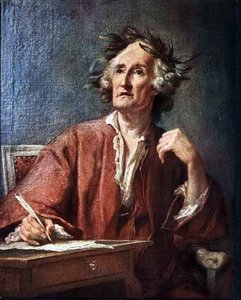
Jean-Bernard Restout
1732 - 1797 , Francia
Artículos relacionados

Paul Cézanne: Las 25 Obras Maestras que Definieron el Arte Moderno | ArtsDot
Descubre las 25 obras maestras de Paul Cézanne que revolucionaron el arte moderno. Explora su técnica, inspiración y significado en paisajes, bodegones y retratos. Reproducciones de alta calidad para decorar tu hogar con arte inolvidable. ¡Explora la colección completa en ArtsDot.com!
Paul Klee: Las 25 Obras Maestras que Definen un Genio del Arte Moderno | ArtsDot
Descubre las 25 obras maestras de Paul Klee, el genio del arte moderno. Explora su expresionismo único, composiciones abstractas y vibrantes paletas de colores. Reproducciones de alta calidad y decoración con arte en ArtsDot.com.
Paul Huet: Capturing the Essence of French Romanticism Through Light and Landscape
Explore the captivating world of Paul Huet (1803-1869), a master of French Romantic landscape painting. Discover his influence on Barbizon & Impressionism, and browse high-quality reproductions at ArtsDot.

The Enduring Legacy of Oil on Canvas: Technique, History & Aesthetic Impact
Explore the rich history & techniques of oil painting – from Renaissance masters to Impressionism. Discover pigments, layering methods, and why this timeless medium endures. Expert insights for artists & art enthusiasts.
10 Obras Maestras al Óleo sobre Tabla que Revolucionaron la Historia del Arte | ArtsDot
Descubre 10 obras maestras al óleo sobre tabla que revolucionaron el arte. Explora la historia de Van Gogh, Monet y otros artistas clave. Encuentra reproducciones de alta calidad e inspírate para decorar tu hogar con ArtsDot.com.

