 Enviar
 Compartir
 Detalles

 Descargar
 Similares
 Presentación de diapositivas
 Estadísticas
At
 Black and White Photography
- Photo
- Post-Impressionism
 1913
1913- Modern
 8.0 x 8.0 cm
 Museo de los Impresionismos Giverny
 Ver más
Giclée / Impresión de arte
Impresiones giclée o en lienzo de calidad de museo con producción rápida y opciones de acabado flexibles. ( Comprar pintura hecha a mano Cambiar a imagen digital)
































Elija entre nuestros tamaños predefinidos que respetan las proporciones originales de la obra.

Puede introducir sus propias dimensiones para adaptarse a un marco o espacio específico. Si el tamaño seleccionado no coincide con las proporciones de la imagen original, recortaremos la obra de arte o extenderemos la imagen con un borde con efecto espejo o de color sólido. Se enviará una maqueta digital para su aprobación antes de que comience la producción.
Tenga en cuenta que la vista previa en pantalla no refleja el recorte o la extensión real. Solo la maqueta mostrará con precisión la composición final.
Aunque existen tamaños personalizados, recomendamos seleccionar una dimensión de la lista predefinida para preservar las proporciones originales.
Envío a todo el mundo () en 2 semanas en lugar de las 4/5 semanas estándar. (13 septiembre)

Envío exprés gratuito a todo el mundo

Lienzo de lino de alta calidad

Seguro de envío total

Garantía de reembolso de impuestos aduaneros

Garantía de fidelidad cromática exacta

Política de devolución de 100 días (solo por defectos)

Garantía de devolución del 100% del dinero

Descuento por cantidad
 La opción de vidrio solo está disponible en tamaños inferiores a 110 cm.

At
Giclée / Impresión de arte
Dimensiones de la reproducción
-


Precio total final
$ 62
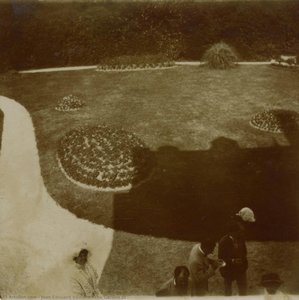
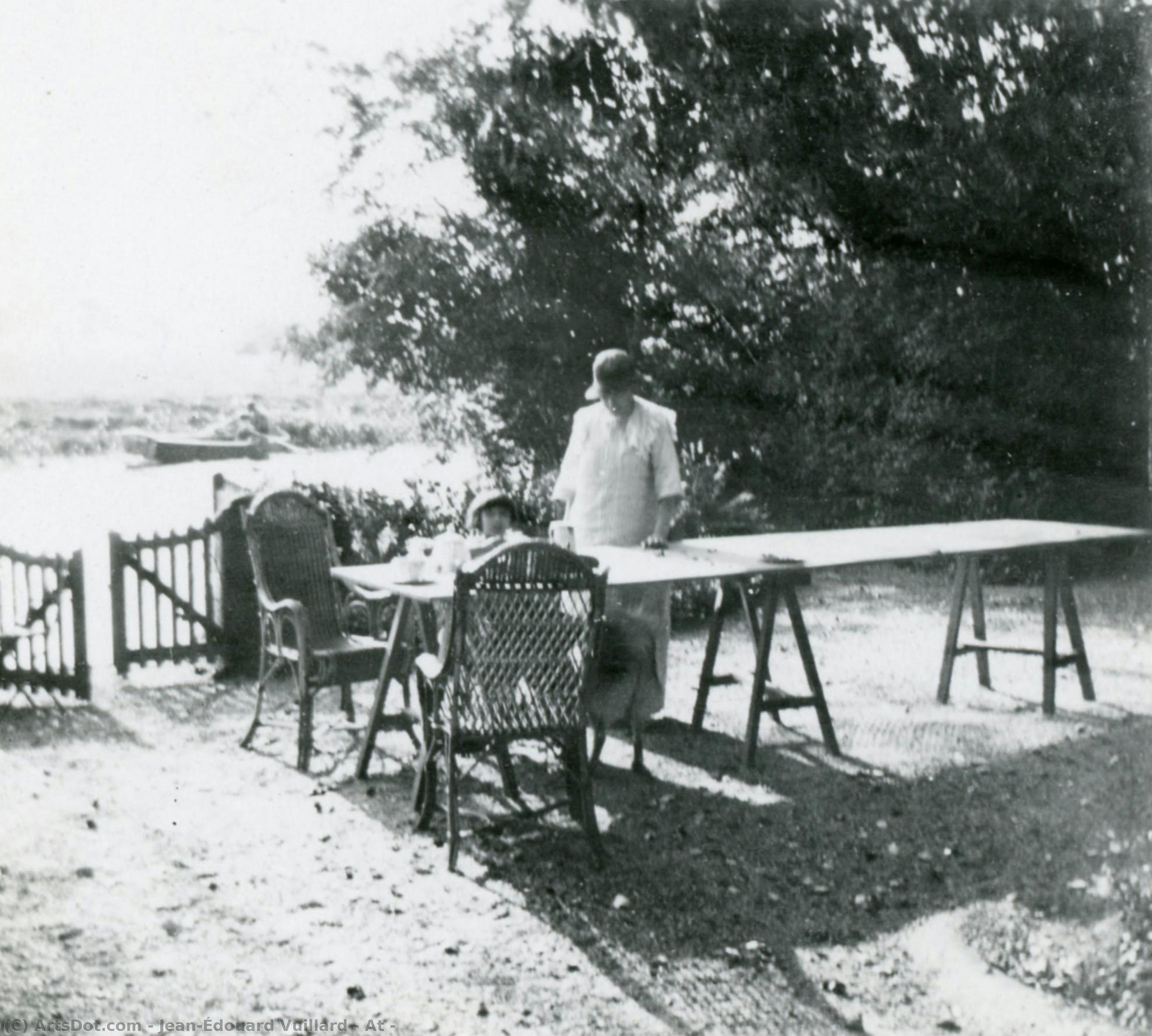
A Moment Frozen in Time: The Quiet Allure of Vuillard’s “At”
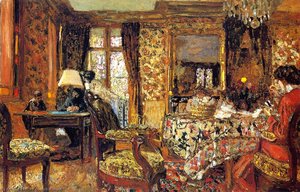
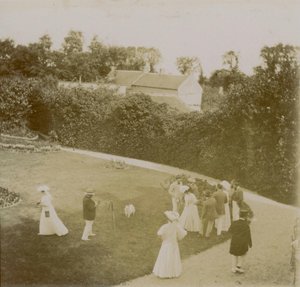
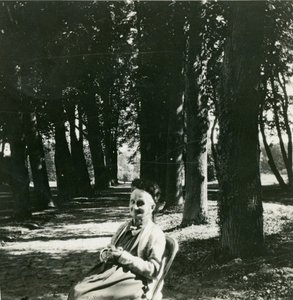
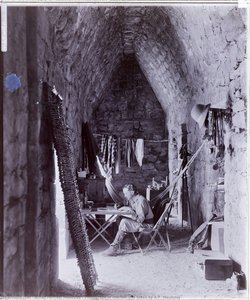
In the delicate tapestry of early 20th-century art, few works capture the ephemeral essence of a passing second as poignantly as Jean Vuillard’s 1913 masterpiece, “At.” This evocative scene serves as much more than a mere depiction of an outdoor gathering; it is a profound distillation of Impressionistic ideals filtered through the intimate, decorative lens of the Nabis movement. To gaze upon this work is to step into a world where time slows down, inviting the viewer to inhabit a space of quiet contemplation and subtle emotional resonance. The composition centers around a solitary figure seated at a table beneath an overcast sky, surrounded by the silent presence of empty chairs that suggest both companionship and the lingering traces of a shared moment.
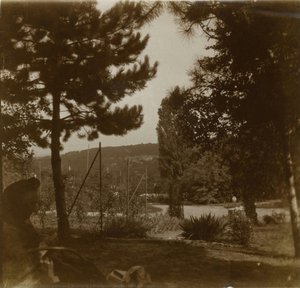
The atmosphere is one of profound serenity, established through a masterful use of landscape and setting. Lush foliage frames the scene, hinting at a lakeside or coastal retreat where the air is still and the world feels momentarily paused. This deliberate choice of environment echoes the tranquil, pastoral landscapes favored by Vuillard’s contemporaries, yet he imbues it with a unique, psychological depth. There is a sense of domesticity brought into the wild, an intimate pocket of human existence carved out from the vastness of nature, making the piece particularly captivating for those who seek art that offers a sanctuary of peace within the home.
Technique and the Language of Color
Vuillard’s technical prowess is on full display through his signature approach to form and surface. Influenced heavily by the flattened perspectives of Japanese woodblock prints, the artist eschews traditional academic realism in favor of a more modern, sensory experience. He utilizes flattened planes of color and loose, rhythmic brushstrokes to build a sense of texture and movement. While the historical photograph of this work presents a monochrome view, the original artistic vision is rooted in the Nabis' revolutionary use of color to convey feeling rather than mere fact.
The composition is a sophisticated dance of lines and shapes. Strong horizontal planes, established by the table’s surface and the distant horizon, provide a grounding stability to the piece, while vertical elements like the chairs and trees create a rhythmic structure. These geometric foundations are softened by the organic, flowing shapes of the foliage and the human figures, creating a balanced tension between order and nature. For the discerning collector or interior designer, this interplay of structure and softness makes the artwork an incredibly versatile element, capable of anchoring a room with its classical weight while adding a layer of organic grace.
Historical Significance and Emotional Resonance
Created during a period of immense artistic upheaval in Europe, “At” stands as a pivotal contribution to the development of modern art. It reflects the burgeoning interest in abstraction and the rejection of rigid representational styles that defined the early 1900s. As a prominent member of Les Nabis, Vuillard helped bridge the gap between the fleeting light of Impressionism and the structured symbolism of the coming decades. His ability to transform an ordinary, everyday moment into something deeply symbolic—where a seated man might represent focused introspection or the quietude of the soul—is what gives this work its enduring power.
For those looking to bring a piece of art history into their personal spaces, a high-quality reproduction of “At” offers more than just aesthetic beauty; it offers an emotional connection to a bygone era. The painting evokes a sense of nostalgia and a longing for the stillness that is so often lost in our modern, frenetic lives. It is a piece designed for deep looking, rewarding the viewer with new layers of meaning and texture upon every encounter, making it an exquisite choice for any curated collection or thoughtfully designed interior.
Obras relacionadas
Biografía del artista
early life and artistic beginnings
Jean-Édouard Vuillard (1868–1940) was a french painter, decorative artist, and printmaker. His life's work would later become a cornerstone of the avant-garde artistic group les nabis, alongside fellow visionaries like Maurice Denis and Édouard Vuillard. This collective would revolutionize the art world with their innovative approach to color and form.
Vuillard was born on november 11, 1868, in cuiseaux, france. His father was a civil servant, and his mother, a seamstress. He showed an early aptitude for drawing and painting, studying art from 1886 to 1888 at the Académie Julian and the École des Beaux-Arts in paris.
In 1889 he joined a group of art students that included Maurice Denis, Pierre Bonnard, Paul Sérusier, Ker-Xavier Roussel, and Félix Vallotton. They called themselves les Nabis (Hebrew for “Prophets”), and they drew their inspiration from the Synthetist paintings of Paul Gauguin’s Pont-Aven period.
the nabis movement and its influence
Like Gauguin, the Nabis advocated a symbolic, rather than a naturalistic, approach to color, and they usually applied their paint in ways that emphasized the flat surface of the canvas. Their admiration of japanese woodcuts, which were then in vogue in europe, inspired them to use simplified shapes and strong contours.
Les nabis, a group of young french artists active in paris from 1888 until 1900, played a large part in the transition from impressionism and academic art to abstract art, symbolism, and the other early movements of modernism. Their philosophy was based upon the philosophy of positivism, and the writings of auguste comte and hippolyte taine.
vuillard's later work and legacy
After 1900, when les nabis disbanded, Vuillard adopted a more realistic style, approaching landscapes and interiors with greater detail and vivid colors. He continued to produce paintings that explored domestic scenes and portraits of individuals from the intellectual and artistic circles of paris.
Vuillard’s distinctive style—characterized by muted palettes, flattened perspectives, and meticulous attention to texture—established him as one of the most important figures in french art at the turn of the century. His work anticipates many developments in cubism and fauvism, demonstrating a profound understanding of visual perception.
key works and exhibitions
Vuillard’s paintings can be found in various museums, including the musée de la révolution française (france), which boasts a rich collection of artworks, documents, and objects related to the revolutionary period. Some of his notable works include “Woman Sweeping” by Maurice Denis and “Jean de la Barre” by Jean Clouet, which depict a young man condemned to death for blasphemy during the ancien régime.
Vuillard’s later work, such as his portraits of french industry and arts figures, can be seen in various galleries, including those at intimism art movement and jean-édouard vuillard's page on ArtsDot.
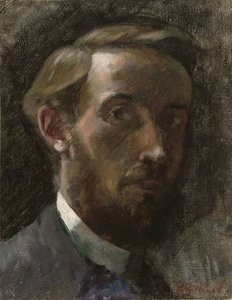
Jean-Édouard Vuillard
1868 - 1940 , Francia
Datos clave
- Artistic Movement Or Style: Nabis
- Artists Or Movements Influenced By This Artist:
- Cubism
- Fauvism
- Artists Who Influenced This Artist: ['Paul Gauguin']
- Date Of Birth: November 11, 1868
- Full Name: Jean-Édouard Vuillard
- Nationality: French
- Notable Artworks:
- Woman Sweeping
- Sunlit Interior
- Place Of Birth: Cuiseaux, France
Artículos relacionados
Intimate Interiors & Poetic Ambiguity: Exploring the Vision of Jean-Édouard Vuillard
Discover the captivating world of Jean-Édouard Vuillard, a key figure of the Nabis movement. Explore his intimate interiors, unique style & lasting influence on modern art. Learn more at ArtsDot.
Jean-Georges Béraud: Capturing Parisian Life in the Belle Époque
Explore the captivating world of Jean-Georges Béraud, master painter of Belle Époque Paris. Discover his iconic scenes, artistic evolution, and social commentary. A deep dive into 19th-century French art.
The Interior Gaze: Exploring Representations of Domestic Space in Art History
Explore the fascinating history of domestic interiors in art! From Dutch Masters to Impressionism, discover how artists captured home life & social meaning. Expert analysis and insights at ArtsDot.
Intimate Interiors: Domestic Life & Artistic Representation from Renaissance to Impressionism
Explore the evolution of domestic life in Western art from the Renaissance to Impressionism. Discover symbolism, realism & artistic techniques shaping intimate interior scenes. Learn more with ArtsDot.

Impresionismo: 10 Obras Maestras que Capturan la Luz y el Momento
Descubre 10 obras maestras del impresionismo de Monet, Renoir y Degas. Explora la luz, el color y las historias detrás de estos icónicos cuadros. Reproducciones de arte en ArtsDot.com para decorar tu hogar con estilo.