 Ver en contexto
 Enviar
 Compartir
 Detalles

 Descargar
 Similares
 Radiografía
 Presentación de diapositivas
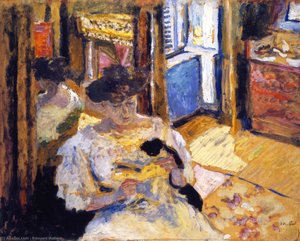
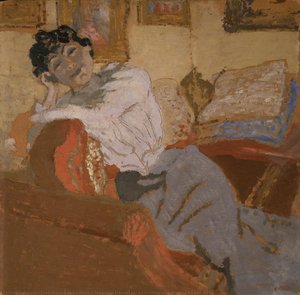
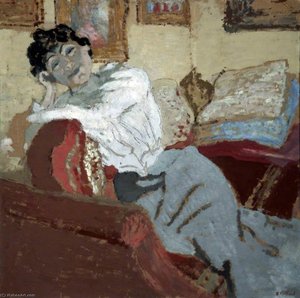
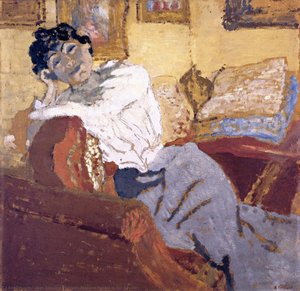
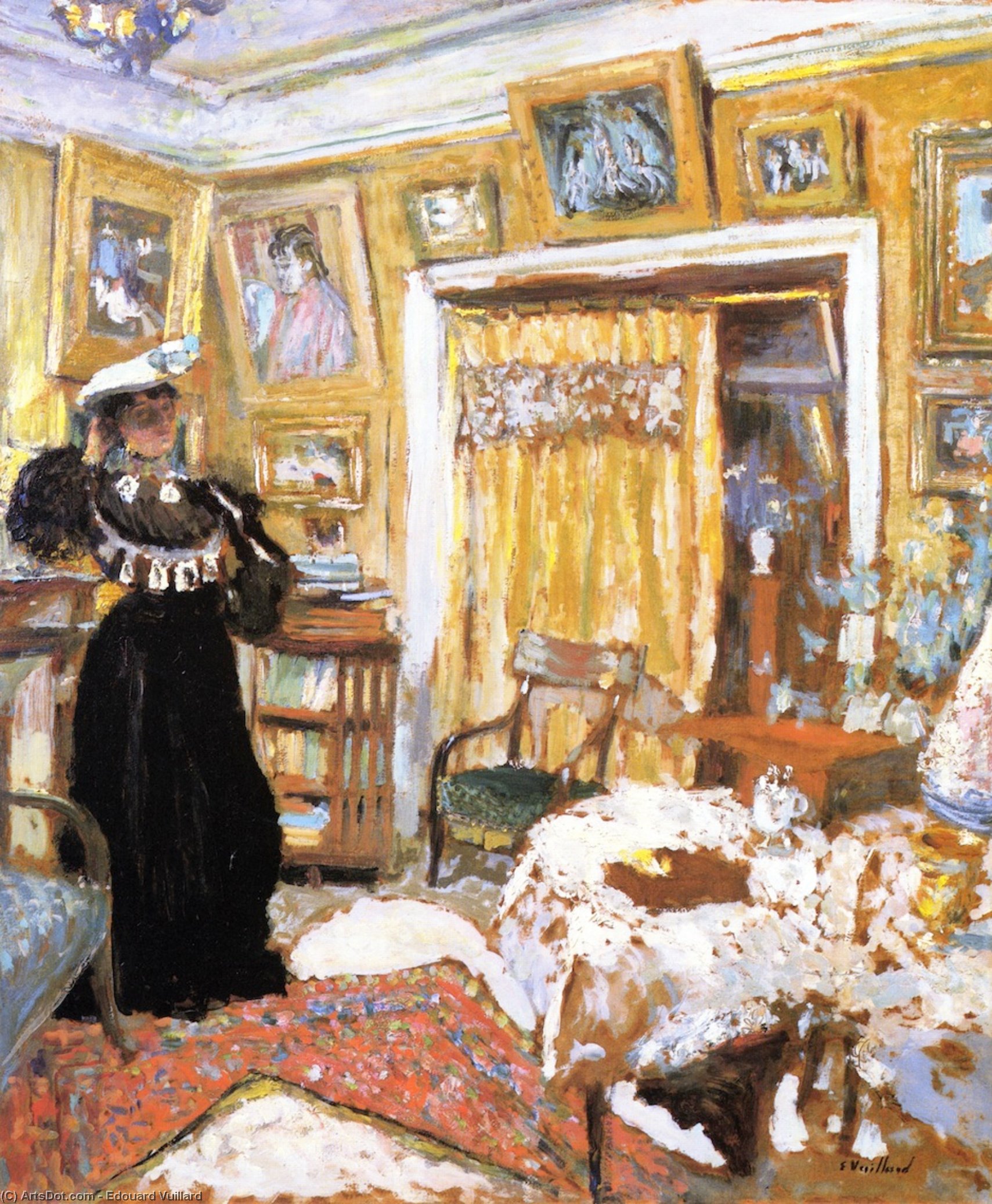
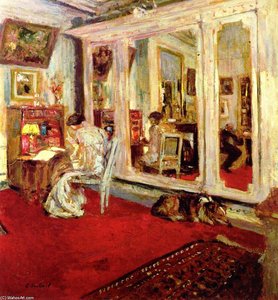
Lucy Hessel in the Small Salon, rue de Rivoli
 Oil On Panel
- Post-Impressionism
 1903
1903- 19th Century
 29.0 x 25.0 cm
 Ver más
Reproducción al óleo hecha a mano
Óleo sobre lienzo pintado a mano en el tamaño y marco de su elección, realizado por encargo por nuestros artistas. ( Comprar impresión Comprar imagen)




P118B $10

P118H $10

P118W $10

P438Z $10

P508JH $12

P508YH $12

P805H $10

P805Z $10

P919BZ $10

P919G $10

P919XJ $10

P959ZH $10

P968JZ $12

W106C $8

W218G $10

W218JH $8

W218Y $10

W307PJ $10

W316G $10

W316PJ $8

W316Y $10

W398PJ $8

W4111J $10

W500HY $15

W500JH $15

W692G $12

W849H $8

W940BG $15

W953PJ $8




Elija entre nuestros tamaños predefinidos que respetan las proporciones originales de la obra.

Puede ingresar sus propias dimensiones para adaptarse a un marco o espacio específico. Si el tamaño seleccionado no coincide con las proporciones de la imagen original, recortaremos la obra o extenderemos la pintura con elementos adicionales pintados a mano. Se le enviará una maqueta digital para su aprobación antes de comenzar la producción.
Tenga en cuenta que la vista previa en pantalla no refleja el recorte o la extensión reales. Solo la maqueta mostrará con precisión la composición final.
Si bien existen tamaños personalizados, recomendamos seleccionar una dimensión de la lista predefinida para preservar las proporciones originales.
Tras realizar el pedido, el equipo de ArtsDot.com enviará un correo electrónico al cliente para solicitar instrucciones y proporcionarle una vista previa del boceto.
Envío a todo el mundo () en 3-4 semanas en lugar de las 5 semanas estándar. (6 septiembre). Sin comprometer la calidad.

Envío exprés gratuito a todo el mundo

Lienzo de lino de alta calidad

Seguro de envío total

Garantía de reembolso de impuestos aduaneros

Garantía de fidelidad cromática exacta

Política de devolución de 100 días (solo por defectos)

Garantía de devolución del 100% del dinero

Descuento por cantidad
 La opción de vidrio solo está disponible en tamaños inferiores a 110 cm.

Lucy Hessel in the Small Salon, rue de Rivoli
Técnica de reproducción
Dimensiones de la reproducción
-


Precio total final
$ 263
Jean Edouard Vuillard’s *Lucy Hessel in the Small Salon, rue de Rivoli*: A Window into Parisian Intimacy
Jean Edouard Vuillard's 1903 painting, *Lucy Hessel in the Small Salon, rue de Rivoli*, is more than just a portrait; it’s a meticulously crafted evocation of a specific moment in time – a quiet afternoon within the refined confines of Parisian high society. Executed with an almost obsessive attention to detail, this oil on panel work exemplifies Vuillard's signature style: a delicate exploration of color and form that seeks not to replicate reality but to capture its essence, its mood, and its inherent beauty. The painting’s enduring appeal lies in its ability to transport the viewer into a world of understated elegance and subtle emotion, offering a poignant glimpse into the lives of those who inhabited the heart of Belle Époque Paris.
Post-Impressionist Innovation: Color as Architecture
Created during a pivotal moment in art history – the burgeoning Post-Impressionist movement – *Lucy Hessel* showcases Vuillard’s radical departure from Impressionism's focus on fleeting light. While Impressionists sought to capture the ephemeral effects of sunlight, Vuillard was fascinated by the way color itself could define space and shape perception. He employed a technique he termed “color architecture,” building up layers of saturated hues – deep blues, rich browns, and delicate pinks – to create a sense of depth and volume that defies traditional perspective. The geometric arrangement of furniture and the carefully considered placement of objects contribute to this effect, transforming the salon into a meticulously composed still life.
- Bold Color Palette: Vuillard’s masterful use of color is central to the painting's impact.
- Geometric Forms: The arrangement of furniture and objects creates a sense of spatial depth.
- Flattened Perspective: A key characteristic of Post-Impressionism, influencing later movements like Cubism.
The Subject and Symbolism: Lucy Hessel’s Presence
Lucy Hessel herself was a prominent figure in Parisian society, known for her patronage of the arts and her connections to the avant-garde scene. Vuillard's portrait isn't merely a likeness; it’s an intimate portrayal of a woman at ease within her surroundings. Her gaze, directed slightly off-camera, invites the viewer into the scene, creating a sense of shared observation. The carefully chosen details – the white collar, the muted tones of her dress – contribute to a feeling of quiet dignity and restrained elegance. The presence of paintings on the walls further emphasizes the salon as a space dedicated to artistic appreciation, reflecting Hessel’s own position within this cultural landscape.
A Window into a Lost World: Historical Context and Legacy
*Lucy Hessel in the Small Salon, rue de Rivoli* was painted at the dawn of the 20th century, a period of immense social and artistic change. Vuillard’s work reflects this transition, bridging the gap between traditional academic art and the radical experimentation that would define the modern era. As a key member of *Les Nabis*, Vuillard's influence extended far beyond his own paintings, shaping the aesthetic sensibilities of artists who followed, including those involved in the development of Cubism and Fauvism. His meticulous attention to detail and his innovative use of color continue to inspire artists and designers today, solidifying his place as one of the most significant figures in late 19th- and early 20th-century French art.
Handmade oil paintings reproductions of *Lucy Hessel in the Small Salon, rue de Rivoli* are available at https://ArtsDot.com. These reproductions are created by skilled artists who use high-quality materials to ensure that the finest details and colors are faithfully reproduced.
Obras relacionadas
Biografía del artista
early life and artistic beginnings
Jean-Édouard Vuillard (1868–1940) was a french painter, decorative artist, and printmaker. His life's work would later become a cornerstone of the avant-garde artistic group les nabis, alongside fellow visionaries like Maurice Denis and Édouard Vuillard. This collective would revolutionize the art world with their innovative approach to color and form.
Vuillard was born on november 11, 1868, in cuiseaux, france. His father was a civil servant, and his mother, a seamstress. He showed an early aptitude for drawing and painting, studying art from 1886 to 1888 at the Académie Julian and the École des Beaux-Arts in paris.
In 1889 he joined a group of art students that included Maurice Denis, Pierre Bonnard, Paul Sérusier, Ker-Xavier Roussel, and Félix Vallotton. They called themselves les Nabis (Hebrew for “Prophets”), and they drew their inspiration from the Synthetist paintings of Paul Gauguin’s Pont-Aven period.
the nabis movement and its influence
Like Gauguin, the Nabis advocated a symbolic, rather than a naturalistic, approach to color, and they usually applied their paint in ways that emphasized the flat surface of the canvas. Their admiration of japanese woodcuts, which were then in vogue in europe, inspired them to use simplified shapes and strong contours.
Les nabis, a group of young french artists active in paris from 1888 until 1900, played a large part in the transition from impressionism and academic art to abstract art, symbolism, and the other early movements of modernism. Their philosophy was based upon the philosophy of positivism, and the writings of auguste comte and hippolyte taine.
vuillard's later work and legacy
After 1900, when les nabis disbanded, Vuillard adopted a more realistic style, approaching landscapes and interiors with greater detail and vivid colors. He continued to produce paintings that explored domestic scenes and portraits of individuals from the intellectual and artistic circles of paris.
Vuillard’s distinctive style—characterized by muted palettes, flattened perspectives, and meticulous attention to texture—established him as one of the most important figures in french art at the turn of the century. His work anticipates many developments in cubism and fauvism, demonstrating a profound understanding of visual perception.
key works and exhibitions
Vuillard’s paintings can be found in various museums, including the musée de la révolution française (france), which boasts a rich collection of artworks, documents, and objects related to the revolutionary period. Some of his notable works include “Woman Sweeping” by Maurice Denis and “Jean de la Barre” by Jean Clouet, which depict a young man condemned to death for blasphemy during the ancien régime.
Vuillard’s later work, such as his portraits of french industry and arts figures, can be seen in various galleries, including those at intimism art movement and jean-édouard vuillard's page on ArtsDot.
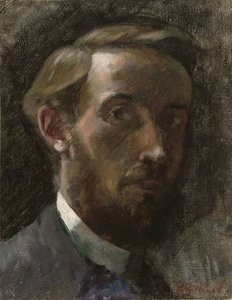
Jean-Édouard Vuillard
1868 - 1940 , Francia
Datos clave
- Artistic Movement Or Style: Nabis
- Artists Or Movements Influenced By This Artist:
- Cubism
- Fauvism
- Artists Who Influenced This Artist: ['Paul Gauguin']
- Date Of Birth: November 11, 1868
- Full Name: Jean-Édouard Vuillard
- Nationality: French
- Notable Artworks:
- Woman Sweeping
- Sunlit Interior
- Place Of Birth: Cuiseaux, France
Artículos relacionados
Impresionismo y Postimpresionismo: Una Exploración de la Evolución Artística y sus Distinciones Clave
Explora la evolución del Impresionismo al Postimpresionismo. Descubre sus características, artistas clave y las diferencias esenciales en este análisis experto.

The Enduring Legacy of Oil on Canvas: Technique, History & Aesthetic Impact
Explore the rich history & techniques of oil painting – from Renaissance masters to Impressionism. Discover pigments, layering methods, and why this timeless medium endures. Expert insights for artists & art enthusiasts.
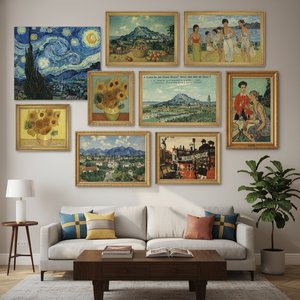
Los 10 Maestros del Postimpresionismo: Obras que Revolucionaron el Arte |
Descubre los 10 cuadros más influyentes del Postimpresionismo: Van Gogh, Monet, Cézanne y más. Explora la historia, técnica y significado de estas obras maestras. Reproducciones de arte en para decorar tu hogar con estilo.
Más Allá del Impresionismo: Profundizando en la Emoción y el Simbolismo Postimpresionista
Descubre la profundidad emocional y el simbolismo del Postimpresionismo con ArtsDot. Análisis experto de Cézanne, Van Gogh, Gauguin y más. Explora la historia y el legado de este fascinante movimiento artístico.

Paul Cézanne: Las 25 Obras Maestras que Definieron el Arte Moderno | ArtsDot
Descubre las 25 obras maestras de Paul Cézanne que revolucionaron el arte moderno. Explora su técnica, inspiración y significado en paisajes, bodegones y retratos. Reproducciones de alta calidad para decorar tu hogar con arte inolvidable. ¡Explora la colección completa en ArtsDot.com!