

 Ver en contexto
 Enviar
 Compartir
 Detalles

 Descargar
 Similares
 Radiografía
 Presentación de diapositivas
 Estadísticas
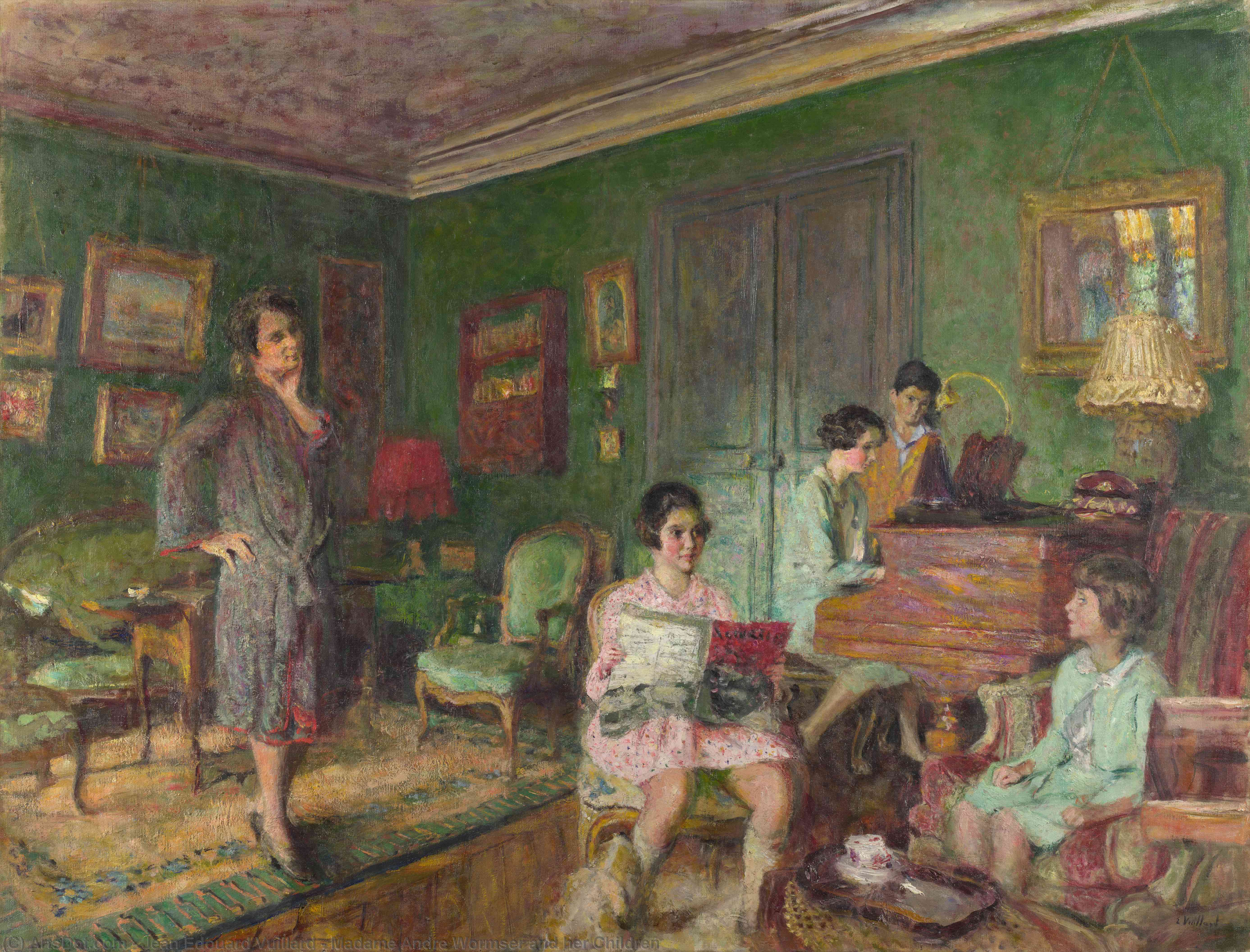
Madame Andre Wormser and her Children


 Ver más
Adquiera una imagen digital de alta resolución y optimizada, muy superior a la vista previa en línea.
Cada archivo es preparado meticulosamente por nuestros especialistas internos mediante el uso de herramientas avanzadas y un experto retoque manual. Nos aseguramos de que cada imagen posea una claridad excepcional, una precisión cromática impecable y un detalle minucioso.
El archivo final se entrega por correo electrónico en un plazo de 72 horas, optimizado para su uso inmediato en entornos profesionales, editoriales y de impresión. Esta es la misma calidad en la que confían los estudios de diseño, las editoriales y las galerías de primer nivel.
Imagen Digital
Descarga un archivo de alta resolución para exhibición personal, impresión y proyectos creativos. ( Cambiar a Impresión Comprar pintura hecha a mano)
Incluido en cada pedido de imágenes digitales
Entrega digital experta, garantizada.
Al elegir ArtsDot.com, no solo está adquiriendo una imagen; está recibiendo una obra de arte digital mejorada profesionalmente, elaborada con precisión y respaldada por una garantía de satisfacción. Esto es todo lo que incluye su pedido, automáticamente:

Entrega rápida por email
Recibirá su archivo de imagen digital en alta resolución por correo electrónico en un plazo de 72 horas tras realizar su pedido, listo para su uso inmediato.

Archivo digital optimizado por IA
Su obra de arte se optimiza profesionalmente mediante herramientas avanzadas de IA y edición manual, garantizando el máximo detalle, claridad y precisión cromática.

Reenvío gratuito de por vida
¿Has borrado o perdido tu archivo por error? No te preocupes: te lo volveremos a enviar en cualquier momento, sin coste adicional.

Sin gastos de importación, siempre
Disfrute de su obra de arte al instante sin aduanas, aranceles ni gastos de envío; las descargas digitales siempre están libres de impuestos.

Garantía de fidelidad de color
Garantizamos que su imagen digital refleje los colores originales con la mayor fidelidad posible, mediante el uso de herramientas profesionales y gestión del color.

Garantía de satisfacción de 100 días
Si no está satisfecho con su imagen digital, la revisaremos o le reembolsaremos el 100% en un plazo de 100 días, sin preguntas.

100% Garantía de devolución de dinero
¿No está satisfecho? Obtenga un reembolso completo dentro de los 100 días posteriores a la recepción de su archivo digital, sin preguntas.

Descuentos por pedidos grandes
Compra 3 imágenes, ahorra 10% - Compra 5, ahorra 15% - Compra 10+, ahorra 20%. Ideal para proyectos creativos, galerías y agencias.
A Moment Frozen in Pastel Hues: Jean Edouard Vuillard's *Madame Andre Wormser and her Children*
Jean Edouard Vuillard’s 1926 painting, *Madame Andre Wormser and her Children*, is more than a simple portrait; it’s a delicately rendered snapshot of domestic tranquility, imbued with the quiet beauty and subtle emotional resonance that defined the artist's unique vision. This work, executed in the heart of the Post-Impressionist movement, offers a profound glimpse into a private world – a family absorbed in the comfortable rhythms of daily life within their Parisian home. The scene unfolds with an almost dreamlike quality, achieved through Vuillard’s masterful manipulation of color and form, inviting the viewer to step into this intimate tableau and experience it as if they were a silent observer.
The Language of Post-Impressionism
Vuillard was a pivotal figure within the *Nabis* group – a collective of young French artists who sought to push beyond the limitations of Impressionism. Inspired by Japanese prints, particularly their use of flattened planes and bold color blocks, Vuillard employed a technique that prioritized atmosphere and suggestion over precise representation. The painting’s palette is dominated by soft, muted tones—pale pinks, blues, greens, and ochres—creating a hazy, almost ethereal effect. This deliberate blurring of detail contributes to the work's overall sense of serenity and nostalgia. Notice how Vuillard doesn't attempt to capture every wrinkle or expression; instead, he focuses on conveying the *feeling* of the scene – the warmth, comfort, and quiet connection between family members.
- Color as Emotion: The use of color isn’t merely decorative; it’s a fundamental element of the painting's emotional impact. Vuillard expertly employs color to evoke feelings of peace, intimacy, and nostalgia.
- Flattened Perspective: Like many Post-Impressionists, Vuillard utilizes a flattened perspective, reducing depth and emphasizing the two-dimensionality of the canvas. This technique contributes to the painting’s dreamlike quality.
- Pattern and Texture: The artist's meticulous attention to pattern – in the fabrics, furniture, and books – adds another layer of visual interest and reinforces the sense of a lived-in space.
A Study in Domesticity and Symbolism
The composition itself is carefully constructed to draw the viewer’s eye through the scene. The family—Madame Wormser, two children, and potentially another male figure – are arranged within a richly furnished living room, surrounded by books, a bowl, and various objects that speak of intellectual pursuits and quiet leisure. These details aren't merely decorative; they subtly symbolize the values of education, family, and domesticity that were central to the bourgeois ideals of the early 20th century. The arrangement of the figures—seated, relaxed, engaged in their own activities—suggests a harmonious balance within the family unit.
The Legacy of Vuillard’s Vision
*Madame Andre Wormser and her Children* represents a pivotal moment in the development of modern art. Vuillard's innovative approach to color, form, and perspective profoundly influenced subsequent movements such as Cubism and Fauvism, demonstrating his role as a crucial bridge between Impressionism and abstraction. This painting stands not just as a beautiful portrait but as a testament to Vuillard’s artistic genius and his ability to capture the essence of everyday life with remarkable sensitivity and grace. Its enduring appeal lies in its quiet beauty, its evocative atmosphere, and its timeless portrayal of family connection.
Obras relacionadas
Biografía del artista
early life and artistic beginnings
Jean-Édouard Vuillard (1868–1940) was a french painter, decorative artist, and printmaker. His life's work would later become a cornerstone of the avant-garde artistic group les nabis, alongside fellow visionaries like Maurice Denis and Édouard Vuillard. This collective would revolutionize the art world with their innovative approach to color and form.
Vuillard was born on november 11, 1868, in cuiseaux, france. His father was a civil servant, and his mother, a seamstress. He showed an early aptitude for drawing and painting, studying art from 1886 to 1888 at the Académie Julian and the École des Beaux-Arts in paris.
In 1889 he joined a group of art students that included Maurice Denis, Pierre Bonnard, Paul Sérusier, Ker-Xavier Roussel, and Félix Vallotton. They called themselves les Nabis (Hebrew for “Prophets”), and they drew their inspiration from the Synthetist paintings of Paul Gauguin’s Pont-Aven period.
the nabis movement and its influence
Like Gauguin, the Nabis advocated a symbolic, rather than a naturalistic, approach to color, and they usually applied their paint in ways that emphasized the flat surface of the canvas. Their admiration of japanese woodcuts, which were then in vogue in europe, inspired them to use simplified shapes and strong contours.
Les nabis, a group of young french artists active in paris from 1888 until 1900, played a large part in the transition from impressionism and academic art to abstract art, symbolism, and the other early movements of modernism. Their philosophy was based upon the philosophy of positivism, and the writings of auguste comte and hippolyte taine.
vuillard's later work and legacy
After 1900, when les nabis disbanded, Vuillard adopted a more realistic style, approaching landscapes and interiors with greater detail and vivid colors. He continued to produce paintings that explored domestic scenes and portraits of individuals from the intellectual and artistic circles of paris.
Vuillard’s distinctive style—characterized by muted palettes, flattened perspectives, and meticulous attention to texture—established him as one of the most important figures in french art at the turn of the century. His work anticipates many developments in cubism and fauvism, demonstrating a profound understanding of visual perception.
key works and exhibitions
Vuillard’s paintings can be found in various museums, including the musée de la révolution française (france), which boasts a rich collection of artworks, documents, and objects related to the revolutionary period. Some of his notable works include “Woman Sweeping” by Maurice Denis and “Jean de la Barre” by Jean Clouet, which depict a young man condemned to death for blasphemy during the ancien régime.
Vuillard’s later work, such as his portraits of french industry and arts figures, can be seen in various galleries, including those at intimism art movement and jean-édouard vuillard's page on ArtsDot.
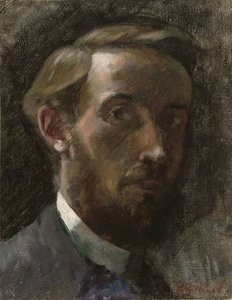
Jean-Édouard Vuillard
1868 - 1940 , Francia
Breves datos
- Artistic Movement Or Style: Nabis
- Artists Or Movements Influenced By This Artist:
- Cubism
- Fauvism
- Artists Who Influenced This Artist: ['Paul Gauguin']
- Date Of Birth: November 11, 1868
- Full Name: Jean-Édouard Vuillard
- Nationality: French
- Notable Artworks:
- Woman Sweeping
- Sunlit Interior
- Place Of Birth: Cuiseaux, France