 Ver en contexto
 Enviar
 Compartir
 Detalles

 Descargar
 Similares
 Radiografía
 Presentación de diapositivas
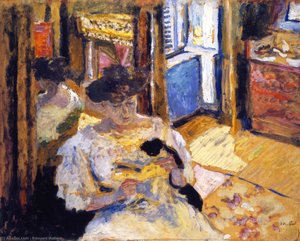
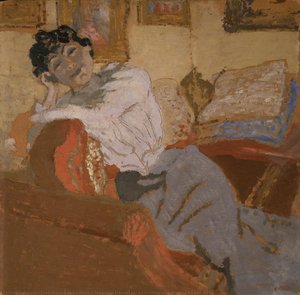
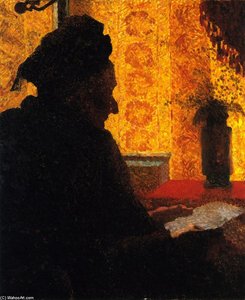
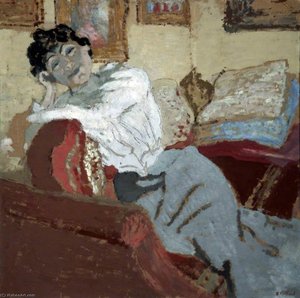
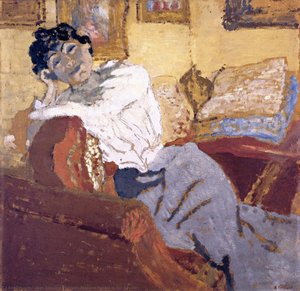
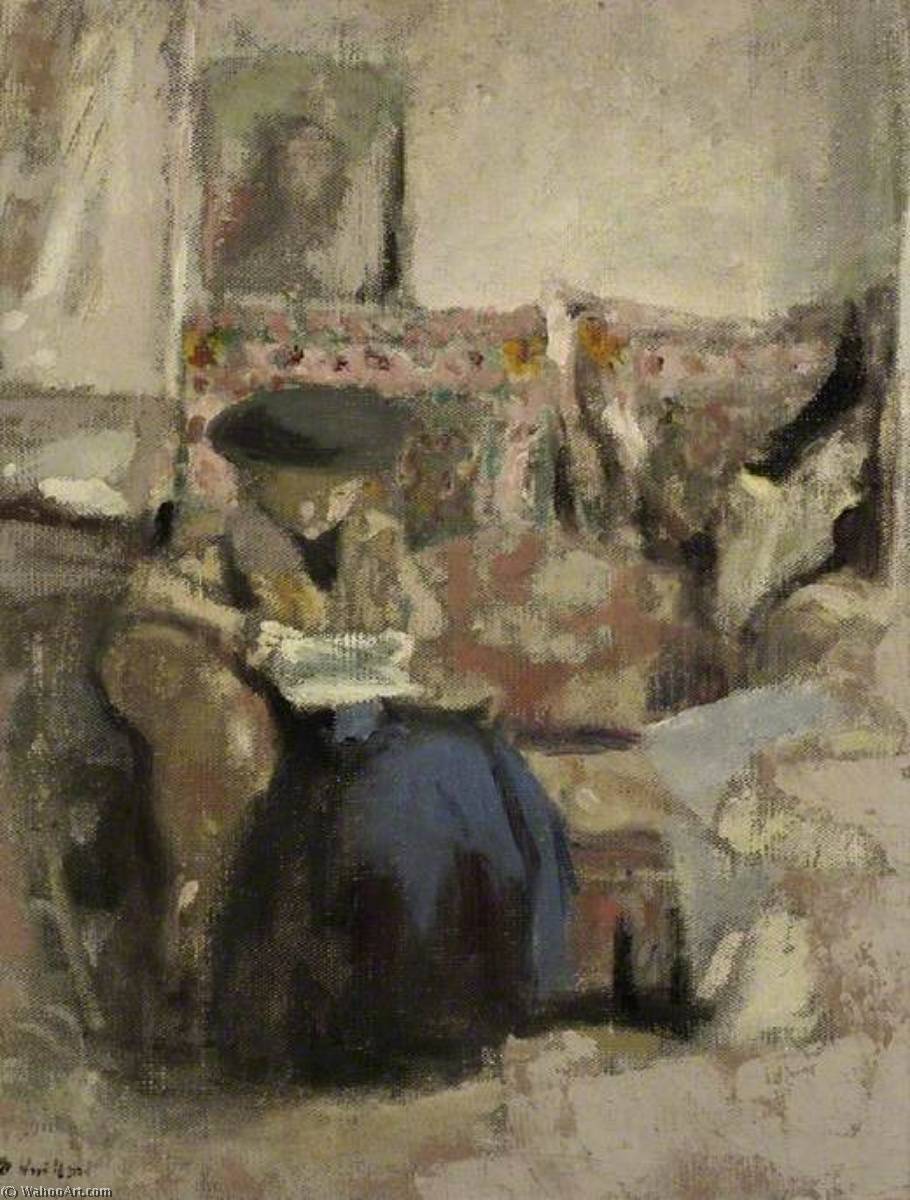
Seated Woman, Reading
 Acrylic On Canvas
- WallArt
- Les Nabis
 1905
1905 33.0 x 27.0 cm
 Fitzwilliam College
 Ver más
Reproducción al óleo hecha a mano
Óleo sobre lienzo pintado a mano en el tamaño y marco de su elección, realizado por encargo por nuestros artistas. ( Comprar impresión Comprar imagen)




P118B $10

P118H $10

P118W $10

P438Z $10

P508JH $12

P508YH $12

P805H $10

P805Z $10

P919BZ $10

P919G $10

P919XJ $10

P959ZH $10

P968JZ $12

W106C $8

W218G $10

W218JH $8

W218Y $10

W307PJ $10

W316G $10

W316PJ $8

W316Y $10

W398PJ $8

W4111J $10

W500HY $15

W500JH $15

W692G $12

W849H $8

W940BG $15

W953PJ $8




Elija entre nuestros tamaños predefinidos que respetan las proporciones originales de la obra.

Puede ingresar sus propias dimensiones para adaptarse a un marco o espacio específico. Si el tamaño seleccionado no coincide con las proporciones de la imagen original, recortaremos la obra o extenderemos la pintura con elementos adicionales pintados a mano. Se le enviará una maqueta digital para su aprobación antes de comenzar la producción.
Tenga en cuenta que la vista previa en pantalla no refleja el recorte o la extensión reales. Solo la maqueta mostrará con precisión la composición final.
Si bien existen tamaños personalizados, recomendamos seleccionar una dimensión de la lista predefinida para preservar las proporciones originales.
Tras realizar el pedido, el equipo de ArtsDot.com enviará un correo electrónico al cliente para solicitar instrucciones y proporcionarle una vista previa del boceto.
Envío a todo el mundo () en 3-4 semanas en lugar de las 5 semanas estándar. (26 agosto). Sin comprometer la calidad.

Envío exprés gratuito a todo el mundo

Lienzo de lino de alta calidad

Seguro de envío total

Garantía de reembolso de impuestos aduaneros

Garantía de fidelidad cromática exacta

Política de devolución de 60 días (solo por defectos)

Garantía de devolución del 100% del dinero

Descuento por cantidad
 La opción de vidrio solo está disponible en tamaños inferiores a 110 cm.

Seated Woman, Reading
Técnica de reproducción
Dimensiones de la reproducción
-


Precio total final
$ 263
Descripción de la obra
Jean-Édouard Vuillard: Capturing Intimacy in Color
The painting “Seated Woman, Reading,” created by Jean-Édouard Vuillard around 1905, stands as a quintessential example of the Nabis movement’s aesthetic principles. More than just a portrait, it's an exploration of atmosphere and emotion—a masterful distillation of Impressionistic ideals filtered through a distinctly Japanese influence. Vuillard, alongside Maurice Denis and Édouard Vuillard himself, sought to liberate painting from academic constraints, prioritizing color and form over meticulous realism. This collective aimed to evoke feeling rather than simply depicting the visible world.Style and Technique: Flattened Planes and Harmonious Color
Vuillard’s technique is characterized by flattened planes of color—a deliberate departure from Impressionism's shimmering surfaces. He achieves this effect through layering translucent washes of pigment, creating a sense of depth without traditional perspective. The artist skillfully employs complementary colors – blues and oranges – to heighten visual impact and imbue the scene with warmth despite its subdued palette. Notice how Vuillard avoids sharp outlines; instead, forms blend seamlessly into one another, fostering an illusion of softness and tranquility. This approach anticipates the geometric explorations of Cubism but retains a lyrical quality rooted in Vuillard’s unwavering devotion to tonal harmony.Historical Context: The Dawn of Modern Art
The painting emerged during a pivotal moment in artistic history—the early years of the 20th century, when Paris was experiencing an unprecedented surge of creativity and experimentation. The Nabis group reacted against the prevailing academic tradition, rejecting idealized representations and embracing spontaneity. Influenced by Japanese prints – particularly woodblock prints featuring bold colors and simplified shapes – Vuillard sought to capture the essence of a particular mood or moment in time. This fascination with Japonisme reflected a broader cultural preoccupation with Eastern aesthetics and contributed significantly to the development of avant-garde art movements.Symbolism: Domestic Comfort and Quiet Reflection
Beyond its formal innovations, “Seated Woman, Reading” resonates with symbolic significance. The woman herself embodies domestic tranquility—a figure absorbed in contemplation amidst the familiar surroundings of her home. The sofa represents comfort and repose, while the book symbolizes knowledge and intellectual engagement. Vuillard’s deliberate use of color – predominantly muted blues and oranges – reinforces these themes, conveying a sense of serenity and introspection. The inclusion of a bottle on the couch subtly hints at conviviality and relaxation, completing the tableau as an idealized depiction of everyday life.Emotional Impact: A Moment Frozen in Time
Ultimately, Vuillard’s masterpiece succeeds in transporting the viewer to a specific place and time—a quiet Parisian afternoon bathed in diffused light. The painting evokes feelings of peace, intimacy, and contemplative beauty. It captures not just what is seen but also what is felt—a testament to Vuillard's ability to transform visual observation into emotionally resonant art. Like many Nabis paintings, “Seated Woman, Reading” invites us to savor the simple pleasures of existence and appreciate the transformative power of color and form.Obras relacionadas
Biografía del artista
early life and artistic beginnings
Jean-Édouard Vuillard (1868–1940) was a french painter, decorative artist, and printmaker. His life's work would later become a cornerstone of the avant-garde artistic group les nabis, alongside fellow visionaries like Maurice Denis and Édouard Vuillard. This collective would revolutionize the art world with their innovative approach to color and form.
Vuillard was born on november 11, 1868, in cuiseaux, france. His father was a civil servant, and his mother, a seamstress. He showed an early aptitude for drawing and painting, studying art from 1886 to 1888 at the Académie Julian and the École des Beaux-Arts in paris.
In 1889 he joined a group of art students that included Maurice Denis, Pierre Bonnard, Paul Sérusier, Ker-Xavier Roussel, and Félix Vallotton. They called themselves les Nabis (Hebrew for “Prophets”), and they drew their inspiration from the Synthetist paintings of Paul Gauguin’s Pont-Aven period.
the nabis movement and its influence
Like Gauguin, the Nabis advocated a symbolic, rather than a naturalistic, approach to color, and they usually applied their paint in ways that emphasized the flat surface of the canvas. Their admiration of japanese woodcuts, which were then in vogue in europe, inspired them to use simplified shapes and strong contours.
Les nabis, a group of young french artists active in paris from 1888 until 1900, played a large part in the transition from impressionism and academic art to abstract art, symbolism, and the other early movements of modernism. Their philosophy was based upon the philosophy of positivism, and the writings of auguste comte and hippolyte taine.
vuillard's later work and legacy
After 1900, when les nabis disbanded, Vuillard adopted a more realistic style, approaching landscapes and interiors with greater detail and vivid colors. He continued to produce paintings that explored domestic scenes and portraits of individuals from the intellectual and artistic circles of paris.
Vuillard’s distinctive style—characterized by muted palettes, flattened perspectives, and meticulous attention to texture—established him as one of the most important figures in french art at the turn of the century. His work anticipates many developments in cubism and fauvism, demonstrating a profound understanding of visual perception.
key works and exhibitions
Vuillard’s paintings can be found in various museums, including the musée de la révolution française (france), which boasts a rich collection of artworks, documents, and objects related to the revolutionary period. Some of his notable works include “Woman Sweeping” by Maurice Denis and “Jean de la Barre” by Jean Clouet, which depict a young man condemned to death for blasphemy during the ancien régime.
Vuillard’s later work, such as his portraits of french industry and arts figures, can be seen in various galleries, including those at intimism art movement and jean-édouard vuillard's page on ArtsDot.
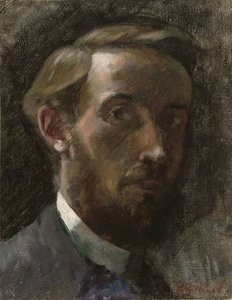
Jean-Édouard Vuillard
1868 - 1940 , Francia
Datos clave
- Artistic Movement Or Style: Nabis
- Artists Or Movements Influenced By This Artist:
- Cubism
- Fauvism
- Artists Who Influenced This Artist: ['Paul Gauguin']
- Date Of Birth: November 11, 1868
- Full Name: Jean-Édouard Vuillard
- Nationality: French
- Notable Artworks:
- Woman Sweeping
- Sunlit Interior
- Place Of Birth: Cuiseaux, France
Artículos relacionados
Édouard Manet: Las 25 Obras Maestras del Impresionismo para Decorar tu Hogar con Arte
Descubre las 25 obras maestras de Édouard Manet, el rebelde del impresionismo. Explora su historia, técnica y significado en cada cuadro famoso. Reproducciones de arte de museo para decorar tu hogar con estilo. ¡Explora la colección completa en ArtsDot.com!
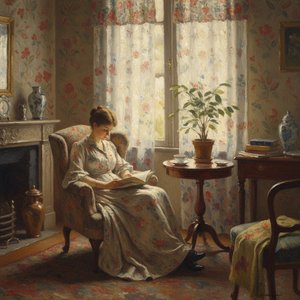
Intimate Interiors & Poetic Ambiguity: Exploring the Vision of Jean-Édouard Vuillard
Discover the captivating world of Jean-Édouard Vuillard, a key figure of the Nabis movement. Explore his intimate interiors, unique style & lasting influence on modern art. Learn more at ArtsDot.

Impresionismo: 10 Obras Maestras que Capturan la Luz y el Momento
Descubre 10 obras maestras del impresionismo de Monet, Renoir y Degas. Explora la luz, el color y las historias detrás de estos icónicos cuadros. Reproducciones de arte en ArtsDot.com para decorar tu hogar con estilo.
Los 10 Maestros del Impresionismo: Obras que Revolucionaron el Arte y la Decoración
Descubre los 10 cuadros más emblemáticos del Impresionismo con Monet, Renoir y Degas. Explora la historia, técnica y belleza de estas obras maestras. Reproducciones de arte en para decorar tu hogar con estilo.

Paul Cézanne: Las 25 Obras Maestras que Definieron el Arte Moderno | ArtsDot
Descubre las 25 obras maestras de Paul Cézanne que revolucionaron el arte moderno. Explora su técnica, inspiración y significado en paisajes, bodegones y retratos. Reproducciones de alta calidad para decorar tu hogar con arte inolvidable. ¡Explora la colección completa en ArtsDot.com!