 Ver en contexto
 Enviar
 Compartir
 Detalles

 Descargar
 Similares
 Radiografía
 Presentación de diapositivas
Tennis Game by the Sea
 Oil
Oil- WallArt
- Post-Impressionism
 1907
1907- Modern
 19.0 x 13.0 cm
 Ver más
Reproducción al óleo hecha a mano
Óleo sobre lienzo pintado a mano en el tamaño y marco de su elección, realizado por encargo por nuestros artistas. ( Comprar impresión Comprar imagen)




P118B $10

P118H $10

P118W $10

P438Z $10

P508JH $12

P508YH $12

P805H $10

P805Z $10

P919BZ $10

P919G $10

P919XJ $10

P959ZH $10

P968JZ $12

W106C $8

W218G $10

W218JH $8

W218Y $10

W307PJ $10

W316G $10

W316PJ $8

W316Y $10

W398PJ $8

W4111J $10

W500HY $15

W500JH $15

W692G $12

W849H $8

W940BG $15

W953PJ $8




Elija entre nuestros tamaños predefinidos que respetan las proporciones originales de la obra.

Puede ingresar sus propias dimensiones para adaptarse a un marco o espacio específico. Si el tamaño seleccionado no coincide con las proporciones de la imagen original, recortaremos la obra o extenderemos la pintura con elementos adicionales pintados a mano. Se le enviará una maqueta digital para su aprobación antes de comenzar la producción.
Tenga en cuenta que la vista previa en pantalla no refleja el recorte o la extensión reales. Solo la maqueta mostrará con precisión la composición final.
Si bien existen tamaños personalizados, recomendamos seleccionar una dimensión de la lista predefinida para preservar las proporciones originales.
Tras realizar el pedido, el equipo de ArtsDot.com enviará un correo electrónico al cliente para solicitar instrucciones y proporcionarle una vista previa del boceto.
Envío a todo el mundo () en 3-4 semanas en lugar de las 5 semanas estándar. (27 agosto). Sin comprometer la calidad.

Envío exprés gratuito a todo el mundo

Lienzo de lino de alta calidad

Seguro de envío total

Garantía de reembolso de impuestos aduaneros

Garantía de fidelidad cromática exacta

Política de devolución de 60 días (solo por defectos)

Garantía de devolución del 100% del dinero

Descuento por cantidad
 La opción de vidrio solo está disponible en tamaños inferiores a 110 cm.

Tennis Game by the Sea
Técnica de reproducción
Dimensiones de la reproducción
-


Precio total final
$ 263
Descripción de la obra
A Moment Frozen in Post-Impressionist Light
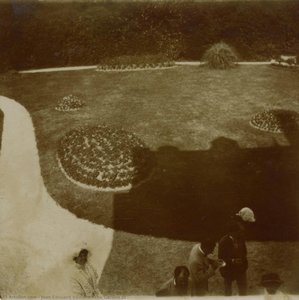
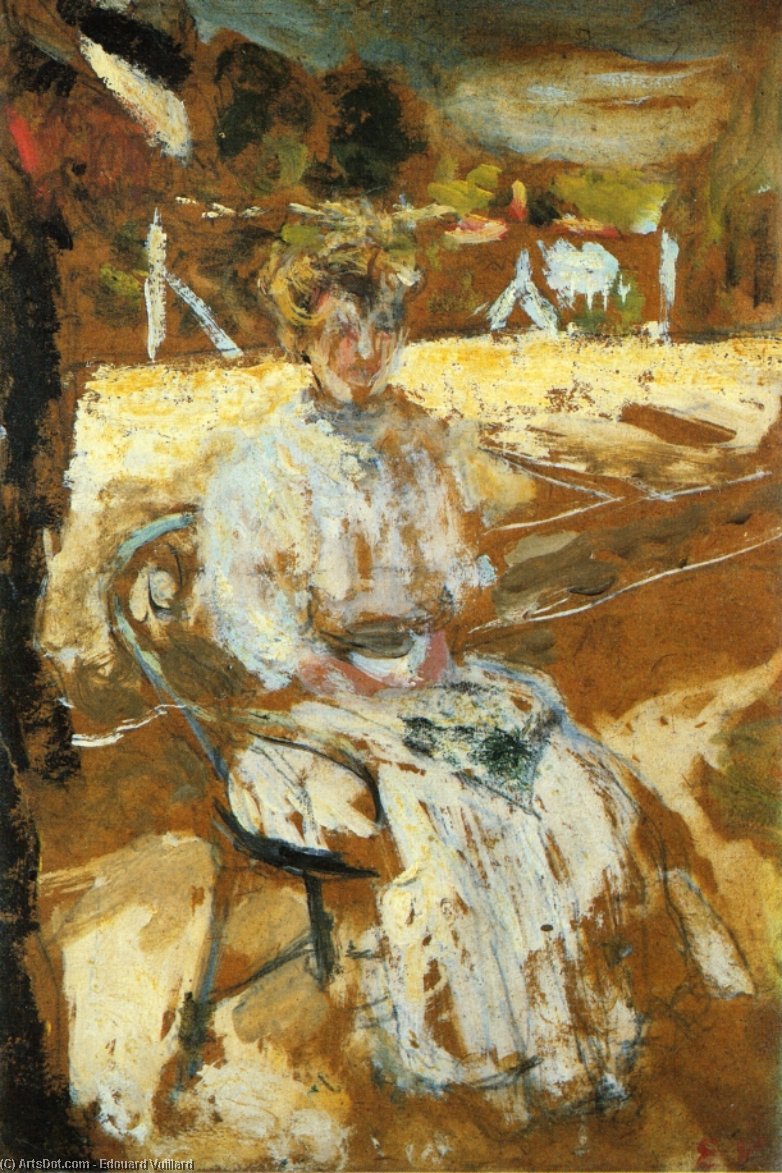
In the delicate tapestry of early twentieth-century French art, few works capture the ephemeral beauty of leisure quite like Jean-Édouard Vuillard’s Tennis Game by the Sea. Painted in 1907, this masterpiece serves as a window into a bygone era of elegance and outdoor vitality. The scene unfolds with a rhythmic grace, presenting an intimate glimpse of life unfolding near the coast. At its heart, we find a woman poised on a chair, her presence anchored by the rustic charm of a nearby fence, while the unexpected silhouette of a horse in the background adds a touch of pastoral whimsy to the seaside setting. It is not merely a depiction of a sporting event; it is a poetic meditation on the intersection of human activity and the natural world.
The composition breathes with the energy of a summer afternoon, where the boundaries between people, animals, and landscape seem to soften under the sun. As one observes the figures scattered across the canvas—some standing in quiet contemplation, others caught in the motion of the game—there is a palpable sense of movement. The presence of tennis rackets and balls serves as a rhythmic punctuation to the scene, guiding the eye through a lush, verdant environment that feels both expansive and deeply personal.
The Intimate Language of the Nabis
To understand the soul of this painting, one must look toward Vuillard’s roots within Les Nabis, the influential group of avant-garde artists who sought to bridge the gap between fine art and decorative design. This piece exemplifies the movement's signature approach: the use of flattened planes, bold color patches, and a profound interest in the decorative qualities of a scene. Unlike the fleeting light studies of the Impressionists, Vuillard employs a more structured, almost patterned technique that emphasizes texture and form.
The artist utilizes vibrant, saturated hues to breathe life into the greenery and the figures, creating a visual vibration that mimics the heat and excitement of an outdoor match. His brushstrokes are not merely tools for depiction but are expressive elements in themselves, contributing to a sense of tactile depth. This technique allows the viewer to feel the weight of the sunlight and the rustle of the leaves, making the painting an immersive sensory experience. For the collector or interior designer, this ability to blend high-art complexity with decorative harmony makes the work a versatile centerpiece capable of adding both character and warmth to any sophisticated space.
A Timeless Addition to the Modern Interior
Beyond its historical significance, Tennis Game by the Sea offers an emotional resonance that transcends time. It evokes a sense of nostalgia for a simpler, more rhythmic way of life—a longing for the sun-drenched afternoons where the only clock was the movement of the shadows. The painting strikes a perfect balance between the dynamic energy of sport and the tranquil stillness of a seaside retreat, making it an ideal choice for those looking to introduce a sense of "joie de vivre" into their surroundings.
Whether displayed in a sunlit gallery or as a focal point in a contemporary living room, a high-quality reproduction of this work brings with it the prestige of the Post-Impressionist era. It invites conversation, prompting viewers to linger on the subtle details—the curve of a racket, the distant horse, the interplay of light and shadow. For the discerning art lover, owning a piece that embodies Vuillard’s unique ability to transform everyday moments into extraordinary visual poetry is an incomparable luxury.
Obras relacionadas


Biografía del artista
early life and artistic beginnings
Jean-Édouard Vuillard (1868–1940) was a french painter, decorative artist, and printmaker. His life's work would later become a cornerstone of the avant-garde artistic group les nabis, alongside fellow visionaries like Maurice Denis and Édouard Vuillard. This collective would revolutionize the art world with their innovative approach to color and form.
Vuillard was born on november 11, 1868, in cuiseaux, france. His father was a civil servant, and his mother, a seamstress. He showed an early aptitude for drawing and painting, studying art from 1886 to 1888 at the Académie Julian and the École des Beaux-Arts in paris.
In 1889 he joined a group of art students that included Maurice Denis, Pierre Bonnard, Paul Sérusier, Ker-Xavier Roussel, and Félix Vallotton. They called themselves les Nabis (Hebrew for “Prophets”), and they drew their inspiration from the Synthetist paintings of Paul Gauguin’s Pont-Aven period.
the nabis movement and its influence
Like Gauguin, the Nabis advocated a symbolic, rather than a naturalistic, approach to color, and they usually applied their paint in ways that emphasized the flat surface of the canvas. Their admiration of japanese woodcuts, which were then in vogue in europe, inspired them to use simplified shapes and strong contours.
Les nabis, a group of young french artists active in paris from 1888 until 1900, played a large part in the transition from impressionism and academic art to abstract art, symbolism, and the other early movements of modernism. Their philosophy was based upon the philosophy of positivism, and the writings of auguste comte and hippolyte taine.
vuillard's later work and legacy
After 1900, when les nabis disbanded, Vuillard adopted a more realistic style, approaching landscapes and interiors with greater detail and vivid colors. He continued to produce paintings that explored domestic scenes and portraits of individuals from the intellectual and artistic circles of paris.
Vuillard’s distinctive style—characterized by muted palettes, flattened perspectives, and meticulous attention to texture—established him as one of the most important figures in french art at the turn of the century. His work anticipates many developments in cubism and fauvism, demonstrating a profound understanding of visual perception.
key works and exhibitions
Vuillard’s paintings can be found in various museums, including the musée de la révolution française (france), which boasts a rich collection of artworks, documents, and objects related to the revolutionary period. Some of his notable works include “Woman Sweeping” by Maurice Denis and “Jean de la Barre” by Jean Clouet, which depict a young man condemned to death for blasphemy during the ancien régime.
Vuillard’s later work, such as his portraits of french industry and arts figures, can be seen in various galleries, including those at intimism art movement and jean-édouard vuillard's page on ArtsDot.
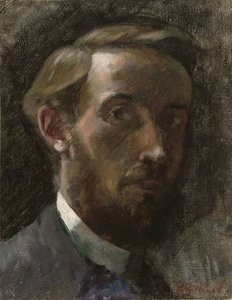
Jean-Édouard Vuillard
1868 - 1940 , Francia
Datos clave
- Artistic Movement Or Style: Nabis
- Artists Or Movements Influenced By This Artist:
- Cubism
- Fauvism
- Artists Who Influenced This Artist: ['Paul Gauguin']
- Date Of Birth: November 11, 1868
- Full Name: Jean-Édouard Vuillard
- Nationality: French
- Notable Artworks:
- Woman Sweeping
- Sunlit Interior
- Place Of Birth: Cuiseaux, France
Artículos relacionados
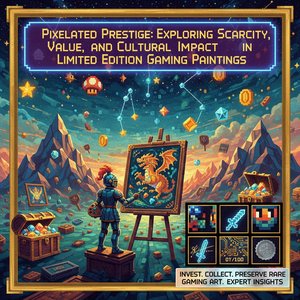
Pixelated Prestige: Explorando la Escasez, el Valor y el Impacto Cultural en las Pinturas de Edición Limitada de Videojuegos
Descubre el fascinante mundo del arte de videojuegos en edición limitada. Reproducciones de alta calidad y análisis experto para coleccionistas apasionados. ¡Invierte en piezas únicas!
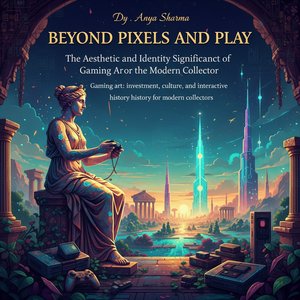
Más Allá de los Píxeles y el Juego: Significado Estético e Identitario del Arte en los Videojuegos para el Coleccionista Moderno
Descubre el valor estético e identitario de los videojuegos como forma de arte moderna. Guía experta para coleccionistas, tendencias y análisis del mercado. ¡Invierte con conocimiento!
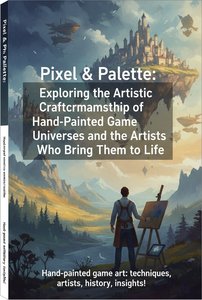
Pinceladas y Peleas Épicas: El Arte Detrás de los Universos Videolúdicos Pintados a Mano
Descubre el fascinante mundo del arte conceptual en videojuegos. Técnicas avanzadas, inspiración de Klimt y consejos expertos para crear mundos virtuales impresionantes. ¡Eleva tus diseños!

Del Pixel a la Calle: Cómo la Estética de los Videojuegos Está Moldeando la Cultura Pop
Descubre cómo la estética de los videojuegos está transformando la cultura pop. Analizamos tendencias, desde el pixel art hasta su influencia en moda y música. ¡Inspírate con el futuro retro!
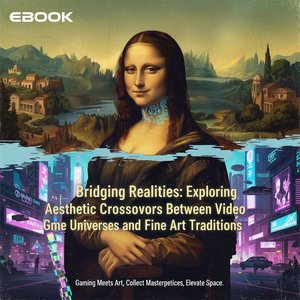
Puentes entre Realidades: Explorando las Confluencias Estéticas entre los Universos de los Videojuegos y las Tradiciones del Arte Clásico
Explora la fascinante conexión entre el arte clásico y los videojuegos. Análisis experto de estética, narrativa e innovación cultural. Descubre cómo estos mundos se inspiran mutuamente.