

 Ver en contexto
 Enviar
 Compartir
 Detalles

 Descargar
 Similares
 Radiografía
 Presentación de diapositivas
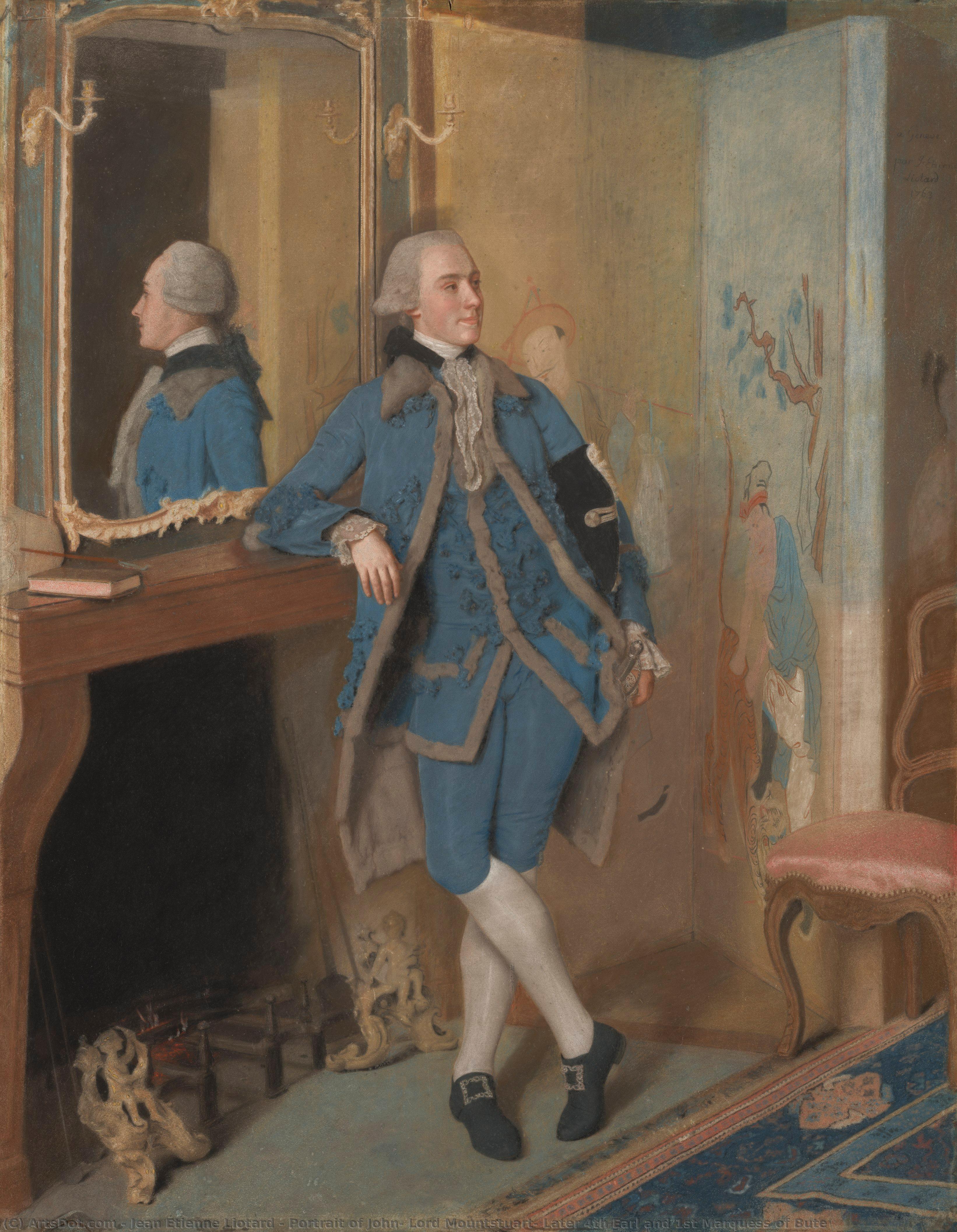
Portrait of John, Lord Mountstuart, Later 4th Earl and 1st Marquess of Bute


 Ver más
Adquiera una imagen digital de alta resolución y optimizada, muy superior a la vista previa en línea.
Cada archivo es preparado meticulosamente por nuestros especialistas internos mediante el uso de herramientas avanzadas y un experto retoque manual. Nos aseguramos de que cada imagen posea una claridad excepcional, una precisión cromática impecable y un detalle minucioso.
El archivo final se entrega por correo electrónico en un plazo de 72 horas, optimizado para su uso inmediato en entornos profesionales, editoriales y de impresión. Esta es la misma calidad en la que confían los estudios de diseño, las editoriales y las galerías de primer nivel.
Imagen Digital
Descarga un archivo de alta resolución para exhibición personal, impresión y proyectos creativos. ( Comprar impresión Comprar pintura hecha a mano)
Incluido en cada pedido de imágenes digitales
Entrega digital experta, garantizada.
Al elegir ArtsDot.com, no solo está adquiriendo una imagen; está recibiendo una obra de arte digital mejorada profesionalmente, elaborada con precisión y respaldada por una garantía de satisfacción. Esto es todo lo que incluye su pedido, automáticamente:

Entrega rápida por email
Recibirá su archivo de imagen digital en alta resolución por correo electrónico en un plazo de 72 horas tras realizar su pedido, listo para su uso inmediato.

Archivo digital optimizado por IA
Su obra de arte se optimiza profesionalmente mediante herramientas avanzadas de IA y edición manual, garantizando el máximo detalle, claridad y precisión cromática.

Reenvío gratuito de por vida
¿Has borrado o perdido tu archivo por error? No te preocupes: te lo volveremos a enviar en cualquier momento, sin coste adicional.

Sin gastos de importación, siempre
Disfrute de su obra de arte al instante sin aduanas, aranceles ni gastos de envío; las descargas digitales siempre están libres de impuestos.

Garantía de fidelidad de color
Garantizamos que su imagen digital refleje los colores originales con la mayor fidelidad posible, mediante el uso de herramientas profesionales y gestión del color.

Garantía de satisfacción de 60 días
Si no está satisfecho con su imagen digital, la revisaremos o le reembolsaremos el 100% en un plazo de 60 días, sin preguntas.

100% Garantía de devolución de dinero
¿No está satisfecho? Obtenga un reembolso completo dentro de los 60 días posteriores a la recepción de su archivo digital, sin necesidad de explicaciones.

Descuentos por pedidos grandes
Compra 3 imágenes, ahorra 10% - Compra 5, ahorra 15% - Compra 10+, ahorra 20%. Ideal para proyectos creativos, galerías y agencias.
Descripción del coleccionable
Portrait of John, Lord Mountstuart, Later 4th Earl and 1st Marquess of Bute – A Pastel Masterpiece Reflecting Enlightenment Dignity
Jean-Étienne Liotard’s “Portrait of John, Lord Mountstuart, Later 4th Earl and 1st Marquess of Bute” stands as a testament to the elegance and intellectual fervor of the Rococo period. Executed in 1763, this pastel on parchment exemplifies Liotard's unparalleled mastery of delicate color and nuanced detail—a skill honed through meticulous observation and unwavering dedication to capturing the essence of his subject. The painting’s provenance traces back to John Mountstuart, a prominent Scottish statesman and diplomat who commissioned the portrait as a cherished memento of his son’s ambitious Grand Tour across Europe.- Subject Matter: The portrait depicts John Mountstuart in a formal pose, seated against a richly textured background that subtly hints at the grandeur of Bute House, Mount Stuart’s ancestral estate. His gaze is direct and contemplative, conveying an air of quiet confidence and intellectual seriousness – qualities highly valued during the Enlightenment era.
- Style & Technique: Liotard's distinctive pastel technique—characterized by layering thin washes of pigment onto prepared parchment—allowed him to achieve astonishing luminosity and tonal subtlety. Unlike oil painting, which relies on blending colors extensively, pastel employs dry pigments that adhere loosely to the surface, resulting in a luminous quality unmatched by other mediums. The artist skillfully utilizes hatching and cross-hatching to sculpt form and create depth, capturing the contours of Mount Stuart’s face with remarkable precision.
- Historical Context: Created during the reign of George III, “Portrait of John, Lord Mountstuart” reflects the prevailing artistic sensibilities of its time—a fascination with idealized beauty and a preoccupation with portraying individuals as embodiments of virtue and intellect. The pastel medium itself was favored by artists seeking to capture fleeting moments of emotion and atmosphere, aligning perfectly with the Rococo’s emphasis on sensual pleasure and refined taste.
- Symbolism & Composition: Beyond its realistic depiction of Mount Stuart, the portrait incorporates symbolic elements that underscore his status as a respected nobleman and statesman. The mirror positioned behind Mount Stuart's reflection serves not merely as an optical device but also as a visual metaphor for self-awareness and contemplation—a central theme in Enlightenment philosophy.
- Emotional Impact: Liotard’s masterful rendering of Mount Stuart’s expression evokes a sense of dignified composure mingled with intellectual curiosity. The pastel hues – predominantly muted blues and creams – contribute to the painting's serene atmosphere, conveying an impression of inner peace and contemplative reflection. It is a portrait that transcends mere likeness, capturing something deeper: the spirit of a man engaged in the pursuit of knowledge and virtue.
Obras relacionadas
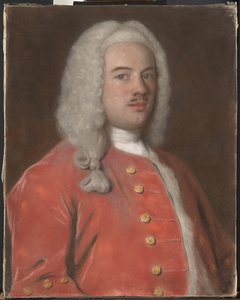
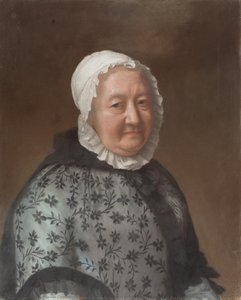
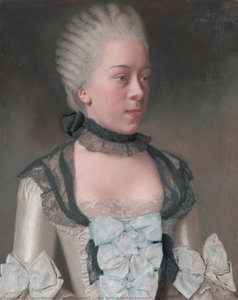
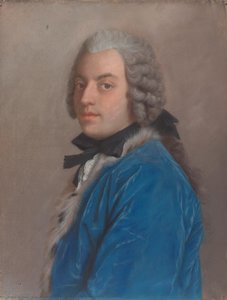
Biografía del artista
Jean-Étienne Liotard (1702–1789)
Jean-Étienne Liotard, a Genevan painter, art connoisseur, and dealer, was born on December 22, 1702, in Geneva, Switzerland. His parents, French Protestants, had fled to Geneva after 1685. Liotard’s artistic journey began under the guidance of professors Daniel Gardelle and Petitot, whose enamels and miniatures he skillfully replicated. These formative influences instilled a meticulous attention to detail that would characterize his entire oeuvre.Early Life and Training
Liotard received an exceptional education for his time, focusing on both painting techniques – particularly enamel work and miniature painting – and the study of classical art history. He honed his skills under the tutelage of Gardelle and Petitot, mastering the intricacies of these mediums and absorbing the stylistic principles of the Baroque era. This rigorous training laid the foundation for his later success as a portraitist and pastel artist.Artistic Career: Travels and Patronage
Liotard embarked on extensive travels throughout Europe – Paris, Rome, Constantinople (Istanbul), Vienna – establishing himself as one of the most sought-after painters of his generation. His portraits commanded considerable prestige among aristocratic circles, securing him lucrative commissions and cementing his reputation as a master craftsman. Notably, he served as painter to Emperor Joseph II in Vienna, gaining access to royal courts and influencing artistic tastes across Central Europe. He cultivated relationships with influential collectors and patrons who recognized the exceptional quality of his work.Notable Works and Style
Liotard’s distinctive style is primarily defined by his mastery of pastel – a medium he embraced wholeheartedly and elevated to new heights of expressive subtlety. His canvases shimmer with delicate hues and luminous textures, capturing fleeting moments of beauty with remarkable precision. Among his most celebrated paintings are *Dutch Girl at Breakfast*, a masterful depiction of domestic tranquility; *La Liseuse, The Chocolate Girl*, an exquisitely rendered portrait conveying grace and contemplation; and *Maria Frederike van Reede-Athlone at Seven*, showcasing Liotard’s ability to convey psychological depth through naturalistic observation. His meticulous attention to detail—particularly in capturing the nuances of facial expression—established him as a pioneer of psychological realism within his era. Furthermore, he was an avid collector of antiquities and artworks from antiquity and Renaissance, which profoundly impacted his artistic vision and informed his stylistic choices.Legacy and Influence
Jean-Étienne Liotard’s legacy extends beyond his impressive body of work. He championed the importance of drawing as a fundamental element of painting, advocating for clarity, firmness, fluidity, delicacy, and truthfulness—principles that resonated deeply with fellow artists of his time. His treatise *Traité des principes et des règles de la peinture* (1781) remains a seminal text on artistic technique and aesthetic philosophy. Liotard died in Geneva in June 12, 1789, leaving behind an enduring contribution to European art history—a testament to the power of observation, meticulous craftsmanship, and unwavering devotion to artistic excellence. He is remembered as one of the foremost pastel artists of his era and a champion of classical ideals within the burgeoning Romantic movement.
Jean-Étienne Liotard
1702 - 1789 , Suiza
Breves datos
- Artistic Movement Or Style: Pastoralism
- Artists Or Movements Influenced By This Artist:
- Jean Baptiste Massé
- François Lemoyne
- Artists Who Influenced This Artist:
- Daniel Gardelle
- Petitot
- Date Of Birth: December 22, 1702
- Date Of Death: June 12, 1789
- Full Name: Jean-Étienne Liotard
- Nationality: Swiss
- Notable Artworks:
- Dutch Girl at Breakfast
- La Liseuse, The Chocolate Girl
- Maria Frederike van Reede-Athlone at Seven
- Place Of Birth: Geneva, Switzerland

