

 Ver en contexto
 Enviar
 Compartir
 Detalles

 Descargar
 Similares
 Radiografía
 Presentación de diapositivas
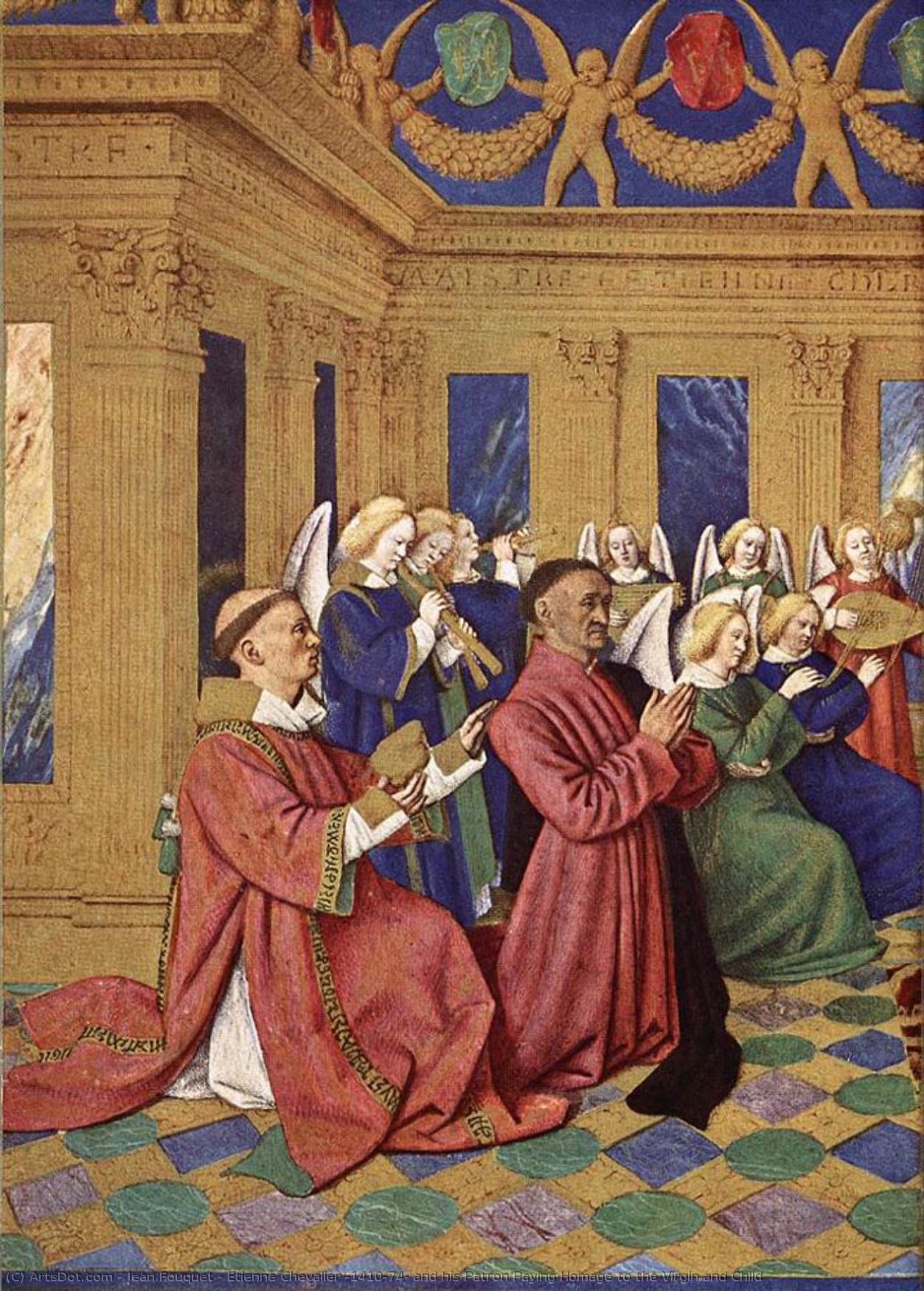
Etienne Chevalier (1410-74) and his Patron Paying Homage to the Virgin and Child
 Acrylic On Canvas
- WallArt
- Northern Renaissance
 1460
1460 17.0 x 12.0 cm
 Museo Conde
 Ver más
Reproducción al óleo hecha a mano
Óleo sobre lienzo pintado a mano en el tamaño y marco de su elección, realizado por encargo por nuestros artistas. ( Comprar impresión Comprar imagen)




P118B $10

P118H $10

P118W $10

P438Z $10

P508JH $12

P508YH $12

P805H $10

P805Z $10

P919BZ $10

P919G $10

P919XJ $10

P959ZH $10

P968JZ $12

W106C $8

W218G $10

W218JH $8

W218Y $10

W307PJ $10

W316G $10

W316PJ $8

W316Y $10

W398PJ $8

W4111J $10

W500HY $15

W500JH $15

W692G $12

W849H $8

W940BG $15

W953PJ $8




Elija entre nuestros tamaños predefinidos que respetan las proporciones originales de la obra.

Puede ingresar sus propias dimensiones para adaptarse a un marco o espacio específico. Si el tamaño seleccionado no coincide con las proporciones de la imagen original, recortaremos la obra o extenderemos la pintura con elementos adicionales pintados a mano. Se le enviará una maqueta digital para su aprobación antes de comenzar la producción.
Tenga en cuenta que la vista previa en pantalla no refleja el recorte o la extensión reales. Solo la maqueta mostrará con precisión la composición final.
Si bien existen tamaños personalizados, recomendamos seleccionar una dimensión de la lista predefinida para preservar las proporciones originales.
Tras realizar el pedido, el equipo de ArtsDot.com enviará un correo electrónico al cliente para solicitar instrucciones y proporcionarle una vista previa del boceto.
Envío a todo el mundo () en 3-4 semanas en lugar de las 5 semanas estándar. (28 agosto). Sin comprometer la calidad.

Envío exprés gratuito a todo el mundo

Lienzo de lino de alta calidad

Seguro de envío total

Garantía de reembolso de impuestos aduaneros

Garantía de fidelidad cromática exacta

Política de devolución de 60 días (solo por defectos)

Garantía de devolución del 100% del dinero

Descuento por cantidad
 La opción de vidrio solo está disponible en tamaños inferiores a 110 cm.

Etienne Chevalier (1410-74) and his Patron Paying Homage to the Virgin and Child
Técnica de reproducción
Dimensiones de la reproducción
-


Precio total final
$ 263
A Window into Fourteenth-Century Faith: Etienne Chevalier and His Patron
Jean Fouquet’s “Etienne Chevalier (1410-74) and his Patron Paying Homage to the Virgin and Child,” painted around 1460, isn't merely a devotional scene; it’s a meticulously crafted tableau of piety, power, and the burgeoning artistic dialogue between France and Italy. This small panel, measuring just 17 x 12 centimeters, offers an intimate glimpse into the world of a wealthy nobleman and his spiritual advisors during a period of profound social and cultural transformation. The painting depicts Etienne Chevalier, a prominent figure in Burgundian politics, kneeling alongside his patron before the Virgin Mary holding the Christ Child. The scene unfolds within a richly decorated chamber, hinting at both earthly comfort and divine grace.
Fouquet’s genius lies not just in his technical skill—evident in the delicate rendering of fabrics, the subtle modeling of faces, and the vibrant use of color—but also in his ability to synthesize diverse artistic influences. He was a master of detail, a trait inherited from his Flemish training, yet he infused his work with a distinctly French sensibility. Notice how the figures are rendered with a remarkable degree of realism, capturing not just their physical appearance but also their emotional states – a quiet reverence, a humble supplication. The use of light and shadow creates a sense of depth and atmosphere, drawing the viewer into the intimate space of the scene.
The Language of Devotion: Symbolism and Iconography
The composition is laden with symbolic meaning. The red robes worn by Etienne Chevalier and his patron signify their status and wealth, while also subtly referencing the blood of Christ – a potent reminder of sacrifice and redemption. The Virgin Mary’s pose, echoing traditional depictions of the Pietà, emphasizes her role as intercessor between humanity and God. The angels flanking the scene are not simply decorative elements; they represent divine guidance and protection. The checkered floor beneath them is a recurring motif in Fouquet's work, often interpreted as symbolizing the earthly realm and its inherent imperfections.
The inclusion of the three angels, positioned strategically around the central figures, elevates the scene to a higher plane of spiritual significance. Their presence suggests a direct connection between the earthly world and the divine realm, reinforcing the painting’s message of faith and devotion. The overall arrangement is carefully balanced, creating a harmonious composition that reflects the ideals of medieval art – a blend of beauty, piety, and symbolic representation.
A Bridge Between Worlds: Fouquet's Artistic Journey
Jean Fouquet’s life story is as fascinating as his artwork. Born around 1420 in Tours, France, he was a man of many talents – a painter, miniaturist, and even a skilled portraitist. His early career likely involved apprenticeship under the enigmatic Bedford Master, but it was his sojourn to Italy between 1444 and 1448 that profoundly shaped his artistic development. During this period, he encountered the innovations of Italian Renaissance painting – particularly the realism and naturalism championed by Masaccio and other masters – which he skillfully integrated into his own distinctive style.
Returning to France, Fouquet became a sought-after artist for wealthy patrons, including Etienne Chevalier, whose commission for this devotional panel exemplifies the growing demand for sophisticated artwork in the 15th century. His work reflects the complex cultural currents of the time – a synthesis of Flemish realism, Italian Renaissance ideals, and traditional French artistic conventions. He stands as a pivotal figure in the transition from Gothic to Renaissance art in France, bridging the gap between two distinct artistic traditions.
Collecting the Essence: Reproduction and Artistic Legacy
Reproducing this exquisite panel captures not only its visual beauty but also the spirit of its time. The meticulous detail, vibrant colors, and profound symbolism are faithfully recreated in our high-quality reproductions. Whether displayed in a private study or incorporated into a larger collection, this artwork offers a tangible connection to the artistic legacy of Jean Fouquet – a master who dared to blend diverse influences and create a uniquely French visual language.
Consider how this piece would complement your existing décor—its rich colors and intricate details adding depth and sophistication to any space. More than just an image, it’s a window into the heart of 15th-century France, inviting contemplation and inspiring a deeper appreciation for the power of art to transcend time.
Obras relacionadas

Biografía del artista
Jean Fouquet: Pionero del Arte Renacentista Francés
- Nacido: Tours, Francia (c. 1420)
- Fallecido: 1481
Vida Temprana e Influencias Italianas
Se sabe poco de manera definitiva sobre la vida temprana de Jean Fouquet. Aunque durante mucho tiempo se creyó que fue aprendiz del Maestro de Bedford en París, las investigaciones actuales sugieren que pudo haber estudiado bajo el Maestro Jouvenal en Nantes. Un momento crucial en su desarrollo artístico fue un viaje a Italia entre 1445 y 1447. Esta exposición al floreciente Renacimiento italiano impactó significativamente su estilo. Se encontró con artistas como Fra Angelico y Filarete, absorbiendo elementos de su obra—particularmente la claridad y la perspectiva características del arte Quattrocento—que luego integraría en su propio enfoque único.
Estilo Artístico e Innovaciones
El estilo artístico de Fouquet representa un fascinante puente entre las tradiciones góticas tardías y la estética renacentista emergente. Combinó magistralmente el detalle intrincado y los colores ricos típicos de la pintura gótica con la representación más naturalista y la perspectiva lineal que observó en Italia. Una innovación clave atribuida a Fouquet es el desarrollo del retrato en miniatura—un retrato notablemente detallado pintado sobre pequeños paneles, un formato que permitía una mayor portabilidad y conexión personal. Sus pinturas sobre tabla se caracterizan por su meticulosa atención al detalle, composiciones elegantes y sutiles perspectivas psicológicas de sus sujetos.
Obras Principales y Patronato
- Diptico de Melun (c. 1450): Este díptico, originalmente ubicado en la Catedral de Melun, se considera una de las obras maestras de Fouquet. El panel izquierdo representa a Étienne Chevalier con su santo patrón, San Esteban, mientras que el panel derecho retrata una Virgen y Niño pálidos rodeados de ángeles, creído ser un retrato de Agnès Sorel.
- Carlos VII como Uno de los Tres Reyes Magos: Esta pintura icónica ofrece uno de los pocos retratos sobrevivientes del rey Carlos VII y demuestra la capacidad de Fouquet para combinar la representación real con la narrativa simbólica.
- Ilustraciones de las Grandes Crónicas de Francia (1455-1460): Las ilustraciones de Fouquet para esta crónica proporcionan valiosas perspectivas sobre la vida en la corte francesa del siglo XV y los eventos militares, mostrando su habilidad para representar escenas de grandeza y acción.
- Horas de Étienne Chevalier: Este manuscrito iluminado contiene cuarenta miniaturas pintadas en 1461 para Chevalier, demostrando la experiencia de Fouquet en la pintura en miniatura y el detalle intrincado.
La carrera de Fouquet floreció bajo el patrocinio de la corte francesa, sirviendo a Carlos VII, Étienne Chevalier, Guillaume Jouvenel des Ursins y, más tarde, Luis XI. Su producción artística estuvo estrechamente ligada a las ambiciones políticas de estos mecenas, reflejando su deseo de proyectar una imagen de poder e identidad nacional.
Significado Histórico y Legado
Jean Fouquet ocupa un lugar significativo en la historia del arte como una figura clave en la transición de la pintura gótica al Renacimiento en Francia. Fue fundamental para introducir influencias artísticas italianas en el arte francés, sentando las bases para generaciones posteriores de artistas. Su trabajo pionero en los retratos en miniatura estableció un nuevo género que se volvería inmensamente popular. La capacidad de Fouquet para combinar meticuloso detalle con una composición innovadora y perspicacia psicológica consolidó su reputación como uno de los pintores más importantes del siglo XV, dejando atrás un legado de innovación artística y elegancia refinada.
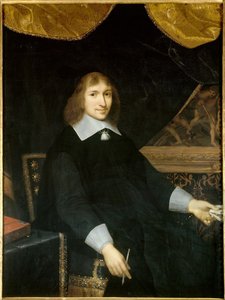
Jean Fouquet
1420 - 1481 , Francia
Datos clave
- Artistas Influyentes:
- Fra Angelico
- Filarete
- Fecha De Fallecimiento: 1481
- Fecha De Nacimiento: c. 1420
- Influenciado Por: ['Van Eycks']
- Lugar De Nacimiento: Tours, Francia
- Movimiento Artístico: Renacimiento temprano, Gótico
- Nacionalidad: Francés
- Nombre Completo: Jean Fouquet
- Obras Notables:
- Diptico de Melún
- Carlos VII como mago
- Horas de Étienne Chevalier
Artículos relacionados
Celestial Messengers: Angels in Painting – A Historical & Artistic Exploration
Explore the captivating history of angels in painting! Discover symbolism, iconic Renaissance & Byzantine masterpieces, and renowned artists. Expert insights for art lovers & collectors at ArtsDot.
Celestial Messengers: A Comprehensive Exploration of Angelic Representation in Art History
Explore the captivating history of angels in art! Discover symbolism, iconic Renaissance masterpieces & renowned artists. Expert insights for art lovers & collectors at ArtsDot.
El Crepúsculo Radiante de la Visión Medieval: Fe, Forma y Emotividad en el Arte Gótico Tardío (c. 1300-1500)
Explore el esplendor del arte gótico tardío (c. 1300-1500). Descubra la síntesis de fe, forma y emoción en la pintura internacional, los retablos medievales y la influencia de Giotto. Análisis experto.

Fra Angelico: Las 25 Obras Maestras del Renacimiento para Decorar con Arte y Fe
Descubre las 25 obras maestras de Fra Angelico, el pintor renacentista que llenó el arte sacro de luz y fe. Explora su técnica, simbolismo y belleza en frescos e iconos. Encuentra reproducciones de alta calidad para decorar tu hogar con ArtsDot.com.
La Sombra de la Fe: Explorando la Intensidad Espiritual y la Innovación Arquitectónica del Arte Gótico
Descubre la profunda espiritualidad y la innovadora arquitectura del arte gótico. Explora la Basílica de Saint-Denis, su simbolismo cristiano y el legado duradero de este fascinante estilo. Análisis experto en ArtsDot.

