

 Ver en contexto
 Enviar
 Compartir
 Detalles

 Descargar
 Similares
 Radiografía
 Presentación de diapositivas
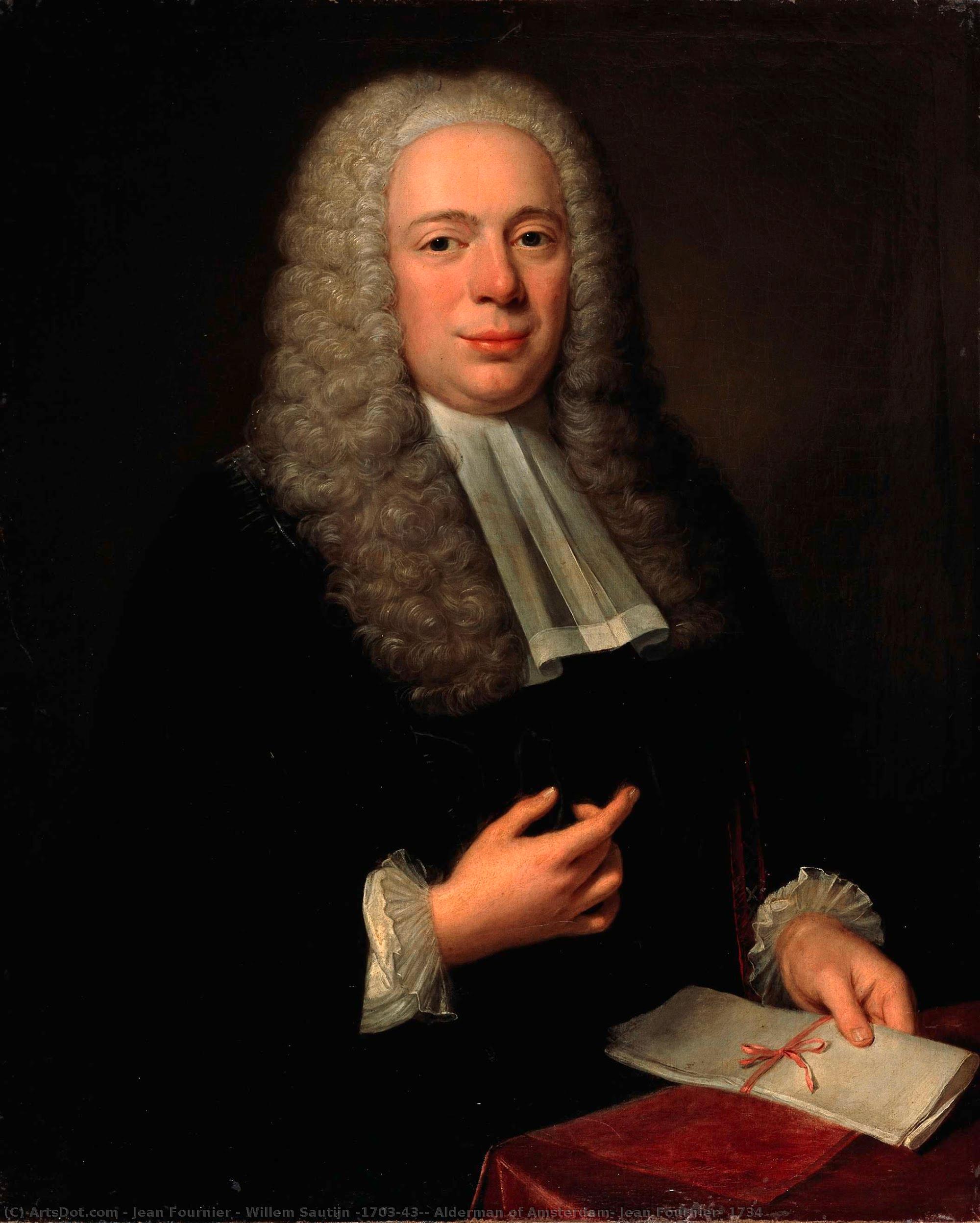
Willem Sautijn (1703-43), Alderman of Amsterdam, Jean Fournier, 1734
 1734
1734 84.0 x 68.0 cm
 Ver más
Giclée / Impresión de arte
Impresiones giclée o en lienzo de calidad de museo con producción rápida y opciones de acabado flexibles. ( Comprar pintura hecha a mano Comprar imagen)




































Elija entre nuestros tamaños predefinidos que respetan las proporciones originales de la obra.

Puede introducir sus propias dimensiones para adaptarse a un marco o espacio específico. Si el tamaño seleccionado no coincide con las proporciones de la imagen original, recortaremos la obra de arte o extenderemos la imagen con un borde con efecto espejo o de color sólido. Se enviará una maqueta digital para su aprobación antes de que comience la producción.
Tenga en cuenta que la vista previa en pantalla no refleja el recorte o la extensión real. Solo la maqueta mostrará con precisión la composición final.
Aunque existen tamaños personalizados, recomendamos seleccionar una dimensión de la lista predefinida para preservar las proporciones originales.
Envío a todo el mundo () en 2 semanas en lugar de las 4/5 semanas estándar. (6 septiembre)

Envío exprés gratuito a todo el mundo

Lienzo de lino de alta calidad

Seguro de envío total

Garantía de reembolso de impuestos aduaneros

Garantía de fidelidad cromática exacta

Política de devolución de 100 días (solo por defectos)

Garantía de devolución del 100% del dinero

Descuento por cantidad
 La opción de vidrio solo está disponible en tamaños inferiores a 110 cm.

Willem Sautijn (1703-43), Alderman of Amsterdam, Jean Fournier, 1734
Giclée / Impresión de arte
Dimensiones de la reproducción
-


Precio total final
$ 62
Obras relacionadas







Biografía del artista
A Pioneer of Abstraction: The Life and Legacy of Jean Fournier
Jean Fournier (1922 – 2006) was a pivotal figure in the Parisian art world, renowned as a gallerist who championed American artists during the post-war era. While many dealers focused on established European traditions, Fournier possessed a remarkable foresight, recognizing the burgeoning talent emerging from across the Atlantic and providing a crucial platform for their work to be seen and appreciated within France. His gallery, located on Rue du Bac, became a vital bridge between the French and American art scenes, fostering dialogue and exchange during a period of significant artistic innovation. Fournier wasn’t merely a businessman; he was a passionate advocate for artists whose vision resonated with his own—a commitment that shaped not only their careers but also the trajectory of modern abstract painting.Early Life and the Founding of a Vision
Born in 1922, Fournier developed an early appreciation for art, though details regarding his formative years remain somewhat scarce. What is clear is that he possessed an innate understanding of artistic merit and a willingness to take risks on emerging voices. In 1954, he established Galerie Jean Fournier in Paris, a space initially dedicated to showcasing the work of French artists. However, it was his embrace of American abstraction that truly defined his gallery’s identity. He began exhibiting artists like Sam Francis, Shirley Jaffe, and Joan Mitchell at a time when their styles were still considered radical by many within the Parisian art establishment. This decision wasn't simply about commercial gain; Fournier genuinely believed in the power and originality of these artists’ work, recognizing a shared aesthetic sensibility that transcended national boundaries. He saw in them a spirit of experimentation and emotional depth that aligned with his own artistic values.Championing American Abstraction
The post-war Parisian art scene was dominated by established movements like Cubism and Surrealism. Fournier's decision to introduce American artists represented a deliberate challenge to this status quo. Artists such as Francis, Mitchell, and Jaffe were exploring new forms of abstraction—characterized by bold color palettes, dynamic compositions, and an emphasis on subjective expression. Fournier provided them with not only gallery space but also crucial support in navigating the complexities of the European art market. He cultivated relationships with collectors, critics, and fellow artists, effectively building a network that helped to legitimize their work within France. His commitment extended beyond simply exhibiting their paintings; he actively promoted their ideas and philosophies, fostering a deeper understanding of American abstract expressionism among Parisian audiences.A Lasting Influence: Simon Hantaï and Beyond
While Fournier is celebrated for his role in introducing American artists to Europe, his relationship with French painter Simon Hantaï was equally significant. He exhibited Hantaï’s work from 1956 onwards, and their close collaboration continued until the artist's death in 2008. Fournier dedicated himself to disseminating and researching Hantaï’s oeuvre, ensuring that his contributions to abstract painting were fully recognized. Beyond these key figures, Fournier also supported a diverse range of artists, including James Bishop, Jean Paul Riopelle, and Kimber Smith. His gallery became known for its intergenerational dialogues—a space where established masters could engage with emerging talents, fostering a dynamic exchange of ideas and techniques. He consistently sought out painters and sculptors whose artistic practices pushed boundaries and challenged conventional norms.Historical Significance and Enduring Legacy
Jean Fournier’s impact on the art world extends far beyond the walls of his gallery. By championing American abstraction in post-war Paris, he played a crucial role in shaping the development of modern painting. He created a vital bridge between two distinct artistic cultures, fostering dialogue and exchange that enriched both scenes. His collection, which includes works by Francis, Mitchell, Hantaï, and Riopelle, stands as a testament to his discerning eye and unwavering commitment to artistic innovation. Fournier’s legacy continues to inspire art dealers and collectors alike—a reminder of the power of vision, passion, and the importance of supporting artists who dare to challenge the status quo. He wasn't simply selling paintings; he was building bridges, fostering understanding, and shaping the future of abstract art. His dedication ensured that these artists found a receptive audience in Europe, forever altering the landscape of modern painting.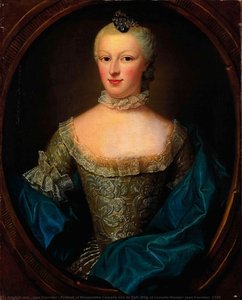
Datos clave
- Artistic Movement Or Style: Arts and Crafts, Abstraction
- Artists Who Influenced This Artist:
- Douglas Volk
- Barbizon school
- Date Of Death: Living
- Full Name: Jean Fournier