 Ver en contexto
 Enviar
 Compartir
 Detalles

 Descargar
 Similares
 Radiografía
 Presentación de diapositivas
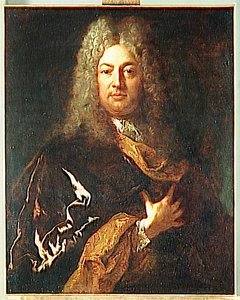
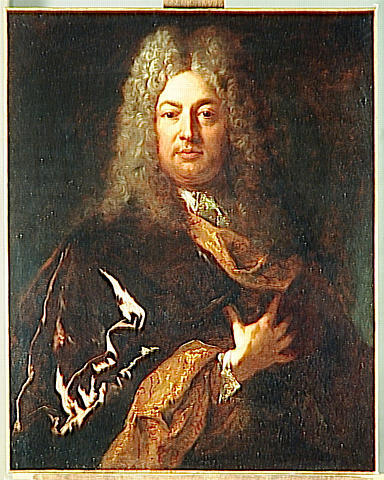
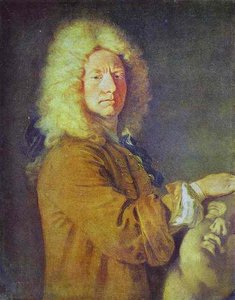
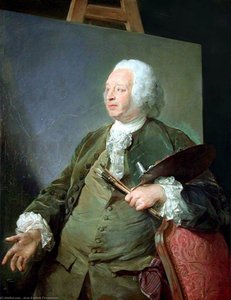
RETRATO DE HOMBRE


 Ver más
Reproducción al óleo hecha a mano
Óleo sobre lienzo pintado a mano en el tamaño y marco de su elección, realizado por encargo por nuestros artistas. ( Comprar impresión Comprar imagen)




P118B $10

P118H $10

P118W $10

P438Z $10

P508JH $12

P508YH $12

P805H $10

P805Z $10

P919BZ $10

P919G $10

P919XJ $10

P959ZH $10

P968JZ $12

W106C $8

W218G $10

W218JH $8

W218Y $10

W307PJ $10

W316G $10

W316PJ $8

W316Y $10

W398PJ $8

W4111J $10

W500HY $15

W500JH $15

W692G $12

W849H $8

W940BG $15

W953PJ $8




Elija entre nuestros tamaños predefinidos que respetan las proporciones originales de la obra.

Puede ingresar sus propias dimensiones para adaptarse a un marco o espacio específico. Si el tamaño seleccionado no coincide con las proporciones de la imagen original, recortaremos la obra o extenderemos la pintura con elementos adicionales pintados a mano. Se le enviará una maqueta digital para su aprobación antes de comenzar la producción.
Tenga en cuenta que la vista previa en pantalla no refleja el recorte o la extensión reales. Solo la maqueta mostrará con precisión la composición final.
Si bien existen tamaños personalizados, recomendamos seleccionar una dimensión de la lista predefinida para preservar las proporciones originales.
Tras realizar el pedido, el equipo de ArtsDot.com enviará un correo electrónico al cliente para solicitar instrucciones y proporcionarle una vista previa del boceto.
Envío a todo el mundo () en 3-4 semanas en lugar de las 5 semanas estándar. (27 agosto). Sin comprometer la calidad.

Envío exprés gratuito a todo el mundo

Lienzo de lino de alta calidad

Seguro de envío total

Garantía de reembolso de impuestos aduaneros

Garantía de fidelidad cromática exacta

Política de devolución de 60 días (solo por defectos)

Garantía de devolución del 100% del dinero

Descuento por cantidad
 La opción de vidrio solo está disponible en tamaños inferiores a 110 cm.

RETRATO DE HOMBRE
Técnica de reproducción
Dimensiones de la reproducción
-


Precio total final
$ 263
Descripción de la obra
Jean-François de Troy: A Master of Baroque Elegance
Jean-François de Troy (1645–1730) stands as a pivotal figure in the artistic landscape of late 17th and early 18th century France, bridging the opulent grandeur of the Baroque era with the burgeoning sensibilities of the Rococo style. His legacy resides primarily in his remarkable portraits—particularly those commissioned by European royalty—where he achieved an unparalleled level of realism combined with a profound understanding of psychological nuance.
The Artist's Origins and Influences
Born into a family steeped in artistic tradition in Toulouse, France, Troy’s formative years were shaped by the presence of his father, Antoine de Troy, a painter who instilled within him a meticulous technique and an appreciation for capturing both physical likeness and the inner character of his subjects. This early exposure extended beyond familial guidance; Troy diligently studied under Claude Lefèbvre and Nicolas-Pierre Loir in Paris, absorbing the stylistic innovations that would define his artistic trajectory.
A Portraitist's Signature Style: Baroque Precision Meets Rococo Grace
Troy’s distinctive style embodies a harmonious blend of Baroque precision and Rococo grace. Like many artists of his time, he adhered to classical principles of composition—centering the figure against a subdued background—yet infused his canvases with subtle decorative elements characteristic of the Rococo movement. The artist skillfully employed chiaroscuro, manipulating light and shadow to sculpt form and heighten dramatic effect, mirroring techniques prevalent in Baroque painting.
Detailed Analysis: Composition & Technique
- Composition: Troy’s portraits are meticulously balanced, with the subject positioned slightly off-center—a deliberate choice that creates dynamism within the frame. The gaze of the sitter directs towards the viewer, establishing a powerful connection and conveying confidence. Drapery is strategically draped to add visual interest and texture, enhancing the overall aesthetic appeal.
- Technique: Primarily utilizing oil paint on canvas, Troy achieved remarkable realism through layering colors and blending brushstrokes with painstaking precision. Glazes were skillfully applied to imbue depth and luminosity into the skin tones and fabrics—a hallmark of Baroque artistry. The artist’s meticulous attention to detail ensured that every nuance was captured accurately.
Historical Context & Artistic Influences
“Portrait d'homme” stands as a testament to the artistic fervor of the late 17th century, firmly rooted in the Baroque period—a movement characterized by grandeur, emotion, and dramatic ornamentation. Troy’s work reflects the prevailing stylistic trends of his time, drawing inspiration from masters like Rembrandt and Rubens. The portrait exemplifies the humanist ideals championed during this era, celebrating human dignity and intellect.
Detailed Analysis: Composition & Color Palette
The painting's composition is deliberately centered around the subject’s face—a technique common in Baroque portraits designed to convey authority and introspection. The subtle off-center placement of the figure introduces a dynamic balance, guiding the viewer’s gaze directly towards his eyes. Troy skillfully employs a warm earth tone palette dominated by browns, golds, and creams—colors that evoke warmth, richness, and sophistication. These hues are subtly modulated to create depth and dimension within the portrait.
Technique & Material Considerations
Troy’s masterful use of oil paint on canvas exemplifies Baroque artistic excellence. Layers of pigment were meticulously blended to achieve smooth transitions and realistic textures—a hallmark of the period. Glazes, translucent washes of color applied over underlying layers, further enhanced luminosity and depth, capturing the subtle nuances of light and shadow. The artist's meticulous attention to detail is evident in every brushstroke.
Historical Context & Artistic Significance
Created during the Baroque era (approximately 1670-1730), “Portrait d’homme” reflects the artistic sensibilities of its time—characterized by grandeur, drama, and an obsession with realism. Jean-François de Troy's work stands as a testament to the enduring legacy of European portraiture, capturing not only physical likeness but also conveying profound psychological insight. It exemplifies the stylistic conventions prevalent in aristocratic circles during Louis XIV’s reign, showcasing refined taste and artistic ambition.
- Subject Matter: The artwork depicts a male figure presented in a three-quarter pose against a dark, indistinct background—a typical compositional choice for portraits of nobility during the Baroque period.
- Style: “Portrait d’homme” adheres to the Baroque style, prioritizing dramatic lighting and meticulous detail to convey both physical appearance and inner character. Its influence can be traced back to artists like Rembrandt and Rubens.
- Technique: Executed in oil paint on canvas, the piece demonstrates a masterful blending of brushstrokes—a hallmark of Baroque painting—resulting in smooth transitions and realistic textures. Glazes were likely employed to enhance luminosity and depth.
- Historical Context: Created around 1700-1800 (XVIIIe siècle), “Portrait d’homme” reflects the opulent artistic patronage of European royalty, particularly Louis XIV in France. It embodies the grandeur and sophistication associated with the Baroque era.
- Symbolism & Emotional Impact: The man's direct gaze communicates confidence and authority—a deliberate stylistic element intended to convey prestige and social status. The elaborate wig and clothing symbolize wealth and aristocratic lineage, evoking feelings of admiration and contemplation.
- Provenance & Context The painting’s origins lie in Toulouse, France, where Jean-François de Troy honed his artistic skills under the tutelage of masters like Claude Lefebvre and Nicolas Pierre Loir. This formative period instilled within him a meticulous approach to observation and representation—a hallmark of Baroque artistry that would continue to inform his oeuvre.
- Subject Matter & Composition The central figure is presented in a three-quarter pose against a subtly textured dark background, emphasizing the face and upper torso. De Troy skillfully employs compositional balance, positioning the subject slightly off-center to create dynamism while directing the viewer’s gaze—a technique common in portraits designed to convey confidence and authority.
A Window into the Baroque Era
“Portrait d’homme,” attributed to Jean-François de Troy (1645–1730), stands as a quintessential example of Rococo portraiture—a transitional style bridging the dramatic grandeur of the Baroque and the playful elegance of its successor. Painted sometime between 1700 and 1800, this artwork captures not merely likeness but also embodies the spirit of its time: an era defined by aristocratic patronage, refined sensibilities, and a fascination with illusionistic beauty.Obras relacionadas


Biografía del artista
Jean-François de Troy: Un Cronista Elegante del Siglo XVIII
Nacido en Toulouse, Francia, en 1645, Jean-François de Troy emergió como una figura central en el panorama artístico francés, un puente entre la opulencia barroca y la gracia naciente del rococó. Hijo del retratista Antoine de Troy, Jean-François se benefició desde temprana edad de una sólida formación artística, que luego perfeccionó bajo la tutela de maestros como Claude Lefèbvre y Nicolas-Pierre Loir en París. Esta educación inicial le proporcionó las herramientas técnicas necesarias para desarrollar un estilo distintivo, caracterizado por una meticulosa atención al detalle y una capacidad excepcional para capturar no solo el parecido físico, sino también la esencia del carácter humano. Su matrimonio con Jeanne Cotelle, hermana de Loir, lo integró aún más en los círculos artísticos parisinos, abriendo puertas a encargos prestigiosos y oportunidades de crecimiento profesional.De Retratos Reales a ‘Tableaux de Mode’: Un Reflejo de la Sociedad Aristocrática
La carrera de De Troy despegó gracias a su habilidad para retratar a la nobleza francesa con una elegancia inigualable. Rápidamente se convirtió en el pintor predilecto de figuras prominentes como Madame de Montespan, amante del rey Luis XIV, quien le encargó numerosas obras que demostraron su dominio tanto en temas religiosos como mitológicos. Sin embargo, fue su maestría en el retrato lo que realmente consolidó su reputación. Sus retratos no eran meras representaciones físicas; eran documentos sociales que revelaban la riqueza, el estatus y las aspiraciones de sus modelos. Un punto crucial en su trayectoria llegó con el exilio del rey Jacobo II a Saint-Germain-en-Laye, donde De Troy fue nombrado pintor principal de la corte, una posición que le brindó estabilidad económica y acceso a un círculo político y artístico internacional. Pero quizás lo más distintivo de la obra de Jean-François de Troy fueron sus innovadores *tableaux de mode*, o “cuadros de moda”. Estos no eran simples retratos individuales; eran escenas vibrantes de la vida aristocrática, capturando momentos de ocio, costumbres sociales y el lujo deslumbrante que caracterizaba a la alta sociedad francesa. Obras como ‘Desayuno de Caza’ y ‘Almuerzo de Ostras’ ofrecen una ventana fascinante al mundo de la nobleza del siglo XVIII, revelando no solo cómo vestían y se alimentaban, sino también sus valores, pasiones y formas de entretenimiento. La habilidad de De Troy para representar texturas – las sedas, los satenes, la porcelana y la plata brillan con un realismo asombroso – y su capacidad para crear composiciones dinámicas llenas de detalles narrativos sutiles, elevaron estos cuadros a una forma de arte única y muy apreciada.Influencias, Evolución Artística y Legado Duradero
La formación inicial de De Troy bajo la tutela de Lefèbvre y Loir sentó las bases para su estilo clásico y equilibrado. Sin embargo, también se vio influenciado por el gusto por la pintura holandesa y flamenca promovido por Roger de Piles, lo que le permitió incorporar una mayor naturalidad y espontaneidad en sus obras. A medida que evolucionaba como artista, De Troy experimentó con diferentes técnicas y temas, ampliando su repertorio más allá del retrato tradicional. Su paso por la Academia Francesa en Roma, donde sirvió como Director desde 1738, le permitió interactuar con otros artistas de renombre y contribuir a la formación de nuevas generaciones de pintores. Aunque su gestión en Roma estuvo marcada por algunas controversias personales, su legado artístico perdura hasta nuestros días. Jean-François de Troy falleció en París en 1730, dejando tras de sí una extensa obra que continúa siendo admirada por su elegancia, su precisión técnica y su capacidad para capturar la esencia del espíritu francés del siglo XVIII. Sus retratos y *tableaux de mode* ofrecen un testimonio invaluable de una época dorada, revelando no solo cómo se veía el mundo aristocrático, sino también cómo vivía, soñaba y aspiraba a la grandeza. Su influencia se extendió por toda Europa, inspirando a numerosos artistas y consolidándolo como uno de los pintores más importantes de su tiempo. Su obra es un espejo fiel de una sociedad en constante transformación, un documento visual que nos permite comprender mejor el legado cultural del siglo XVIII.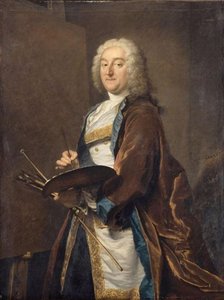
jean françois de troy
1645 - 1730 , Francia
Datos clave
- Artistas Influenciados:
- André Bouys
- John Closterman
- Artistas Que Influyeron:
- Claude Lefèbvre
- Nicolas-Pierre Loir
- Fecha De Muerte: 1730
- Fecha De Nacimiento: 9 de enero de 1645
- Lugar De Nacimiento: Toulouse, Francia
- Movimiento Artístico: Rococó, Barroco
- Nacionalidad: Francés
- Nombre Completo: Jean-François de Troy
- Obras Notables:
- Richard Talbot, 1er Conde...
- Lady Mary Herbert como Diana
- Jules Hardouin-Mansart
- Elisabeth Jacquet de la...
- Retrato de un matrimonio...
Artículos relacionados

La Estética Rococó: Opulencia, Rebelión y Placer en el Arte del Siglo XVIII
Descubre la fascinante estética rococó: su historia, características clave y los artistas más influyentes del siglo XVIII. Un análisis profundo para amantes del arte y coleccionistas.

Goya: Las 25 Obras Maestras del Genio Español | Reproducciones de Arte en ArtsDot
Descubre las 25 obras maestras de Goya, el genio español. Explora retratos icónicos, 'Los Caprichos' y 'Las Pinturas Negras'. Reproducciones de arte en lienzo de alta calidad para decorar tu hogar con estilo. ¡Encuentra tu obra favorita en ArtsDot.com!
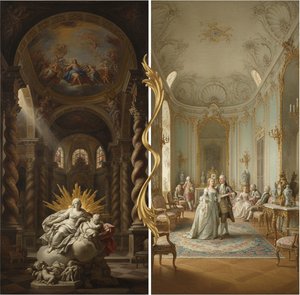
From Grandeur to Grace: Exploring the Evolution of Baroque & Rococo Art
Explore the captivating evolution from Baroque's drama to Rococo's grace! Discover key artists, characteristics & lasting influence of these art movements with expert insights at ArtsDot.

Rococó: 10 Obras Maestras que Definieron una Época | Arte y Decoración en
Descubre las 10 obras maestras del Rococó que marcaron una época. Explora la elegancia de Fragonard, Boucher y Watteau en . Reproducciones de arte de calidad museo para decorar tu hogar con estilo.
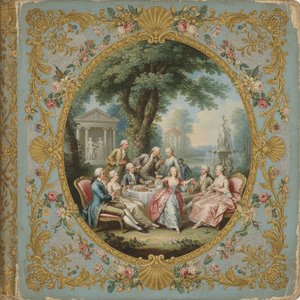
The Rococo Style: Aristocratic Leisure & the Pursuit of Delight in 18th-Century Art
Explore the opulent world of Rococo art! Discover Watteau, Boucher & Nattier's masterpieces. Expert insights for collectors seeking museum-quality reproductions and custom portraits at ArtsDot.