

 Ver en contexto
 Enviar
 Compartir
 Detalles

 Descargar
 Similares
 Radiografía
 Presentación de diapositivas
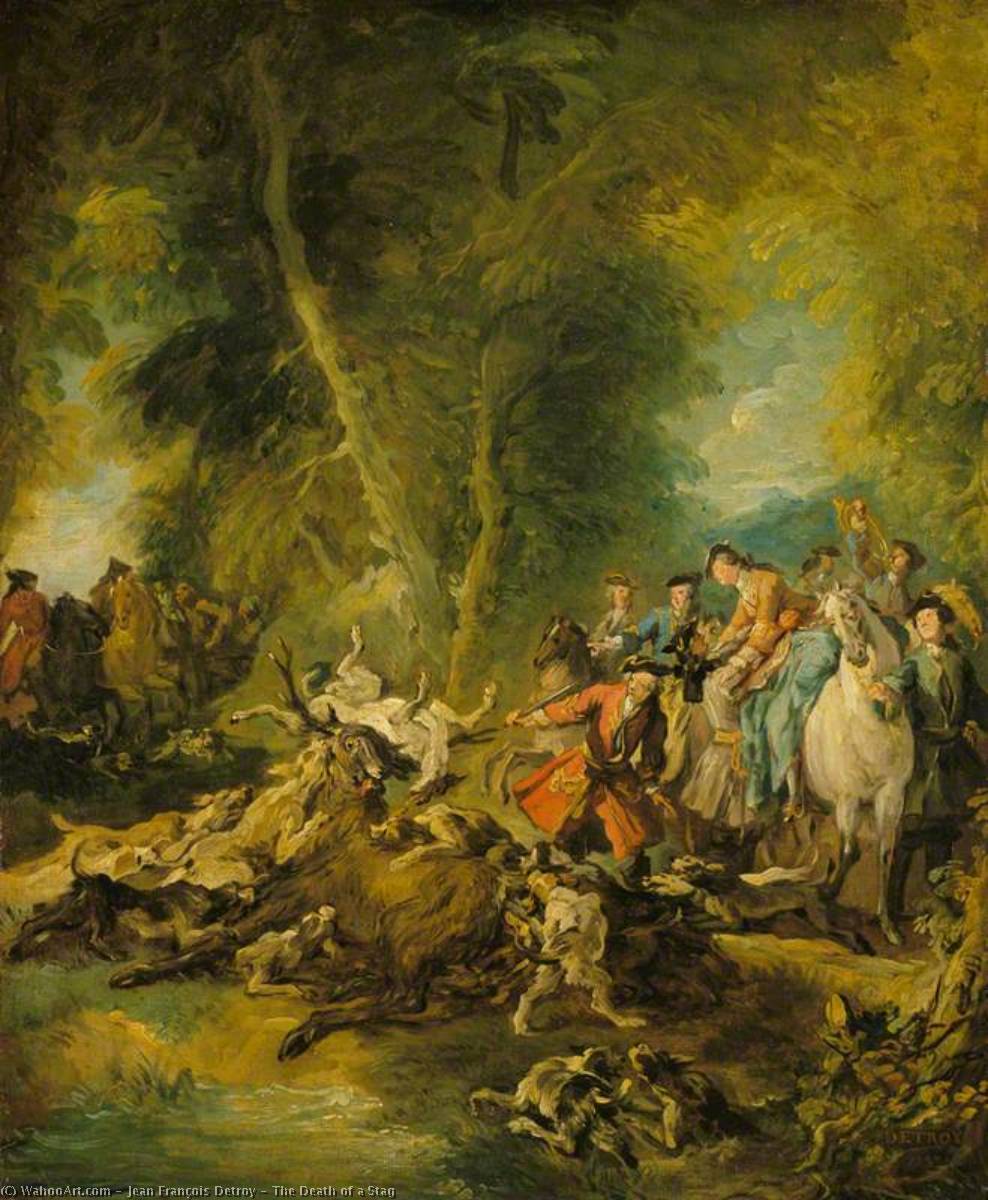
The Death of a Stag
 Acrylic On Canvas
- WallArt
- Rococo
 1737
1737 55.0 x 45.0 cm
 The Wallace Collection
 Ver más
Adquiera una imagen digital de alta resolución y optimizada, muy superior a la vista previa en línea.
Cada archivo es preparado meticulosamente por nuestros especialistas internos mediante el uso de herramientas avanzadas y un experto retoque manual. Nos aseguramos de que cada imagen posea una claridad excepcional, una precisión cromática impecable y un detalle minucioso.
El archivo final se entrega por correo electrónico en un plazo de 72 horas, optimizado para su uso inmediato en entornos profesionales, editoriales y de impresión. Esta es la misma calidad en la que confían los estudios de diseño, las editoriales y las galerías de primer nivel.
Imagen Digital
Descarga un archivo de alta resolución para exhibición personal, impresión y proyectos creativos. ( Comprar impresión Comprar pintura hecha a mano)
Incluido en cada pedido de imágenes digitales
Entrega digital experta, garantizada.
Al elegir ArtsDot.com, no solo está adquiriendo una imagen; está recibiendo una obra de arte digital mejorada profesionalmente, elaborada con precisión y respaldada por una garantía de satisfacción. Esto es todo lo que incluye su pedido, automáticamente:

Entrega rápida por email
Recibirá su archivo de imagen digital en alta resolución por correo electrónico en un plazo de 72 horas tras realizar su pedido, listo para su uso inmediato.

Archivo digital optimizado por IA
Su obra de arte se optimiza profesionalmente mediante herramientas avanzadas de IA y edición manual, garantizando el máximo detalle, claridad y precisión cromática.

Reenvío gratuito de por vida
¿Has borrado o perdido tu archivo por error? No te preocupes: te lo volveremos a enviar en cualquier momento, sin coste adicional.

Sin gastos de importación, siempre
Disfrute de su obra de arte al instante sin aduanas, aranceles ni gastos de envío; las descargas digitales siempre están libres de impuestos.

Garantía de fidelidad de color
Garantizamos que su imagen digital refleje los colores originales con la mayor fidelidad posible, mediante el uso de herramientas profesionales y gestión del color.

Garantía de satisfacción de 60 días
Si no está satisfecho con su imagen digital, la revisaremos o le reembolsaremos el 100% en un plazo de 60 días, sin preguntas.

100% Garantía de devolución de dinero
¿No está satisfecho? Obtenga un reembolso completo dentro de los 60 días posteriores a la recepción de su archivo digital, sin necesidad de explicaciones.

Descuentos por pedidos grandes
Compra 3 imágenes, ahorra 10% - Compra 5, ahorra 15% - Compra 10+, ahorra 20%. Ideal para proyectos creativos, galerías y agencias.
The Death of a Stag: A Study in Baroque Drama
Jean-François de Troy’s “The Death of a Stag” is not merely a hunting scene; it's a meticulously rendered tableau brimming with dramatic tension and profound symbolism, capturing a fleeting moment of brutal beauty within the opulent world of 1730s France. Painted in 1737, this imposing canvas—measuring 55 x 45 cm—offers a captivating glimpse into the aristocratic pursuit of sport and the complex relationship between humanity and nature. The painting’s immediate impact lies in its dynamic composition: a flurry of movement dominates the scene as mounted hunters, clad in richly embroidered silks and velvets, pursue a magnificent stag through a dense, autumnal forest. Yet, it is not simply a depiction of action; De Troy masterfully orchestrates a narrative of loss and inevitable fate.
The style firmly anchors this work within the Baroque tradition, inherited from masters like Rubens and Caravaggio. Notice the dramatic chiaroscuro – the stark contrast between light and shadow – that sculpts the figures and foliage, lending an almost theatrical quality to the scene. The artist employs a loose, expressive brushstroke, particularly evident in the rendering of the stag’s muscular form and the swirling motion of its limbs. This technique, combined with the vibrant palette—deep browns, ochres, and hints of crimson—creates a sense of immediacy and visceral intensity. De Troy's skill lies not just in replicating reality but in imbuing it with emotional weight.
A Portrait of Aristocratic Life
“The Death of a Stag” is more than just a hunting scene; it’s a carefully constructed portrait of aristocratic life during the reign of Louis XV. The figures are not anonymous hunters, but rather members of the French court, identifiable by their elaborate attire and proud bearing. Their horses, similarly adorned, speak to the wealth and status associated with this pastime. The inclusion of such detailed depictions of fashion—the intricate embroidery on the hunters’ jackets, the luxurious harnesses of the horses—was a hallmark of De Troy's work, particularly his “tableaux de mode,” paintings that aimed to capture the latest trends in clothing and manners. These scenes were not simply decorative; they served as visual records of social customs and a demonstration of wealth and influence.
The forest itself is rendered with meticulous detail, suggesting a primeval landscape teeming with life—and danger. The dense undergrowth, the fallen leaves, and the scattered branches contribute to the sense of wildness that contrasts sharply with the controlled elegance of the hunters. This juxtaposition highlights the inherent tension between humanity’s desire to dominate nature and the inescapable reality of mortality.
Symbolism and Mortality
The central theme of “The Death of a Stag” is undoubtedly death, albeit presented in a visually arresting manner. The stag, a symbol of nobility, strength, and virility, is depicted in its final moments—a poignant reminder of the fleeting nature of life. The hunters, representing human ambition and control, are ultimately unable to conquer this majestic creature. This scene can be interpreted as an allegory for humanity’s struggle against fate, or perhaps a meditation on the inevitability of death. The stag's posture – accepting its demise with dignity—suggests a stoic acceptance of mortality.
Furthermore, the autumnal setting reinforces the theme of decline and decay. The vibrant colors of summer have given way to the muted tones of fall, mirroring the fading beauty of life itself. The scattered leaves beneath the stag’s body further emphasize this sense of loss and transience. De Troy's masterful use of color and composition elevates a simple hunting scene into a profound meditation on mortality and the human condition.
A Legacy in Reproduction
Today, “The Death of a Stag” stands as a testament to Jean-François de Troy’s artistic skill and his ability to capture both the grandeur and the melancholy of aristocratic life. Reproductions, such as those offered by ArtsDot, allow us to appreciate this remarkable painting in greater detail and to contemplate its enduring themes. Whether displayed in a grand salon or a more intimate setting, this evocative artwork continues to captivate viewers with its dramatic composition, rich colors, and poignant symbolism—a timeless reminder of the beauty and fragility of life.
Obras relacionadas


Biografía del artista
Jean-François de Troy: Un Cronista Elegante del Siglo XVIII
Nacido en Toulouse, Francia, en 1645, Jean-François de Troy emergió como una figura central en el panorama artístico francés, un puente entre la opulencia barroca y la gracia naciente del rococó. Hijo del retratista Antoine de Troy, Jean-François se benefició desde temprana edad de una sólida formación artística, que luego perfeccionó bajo la tutela de maestros como Claude Lefèbvre y Nicolas-Pierre Loir en París. Esta educación inicial le proporcionó las herramientas técnicas necesarias para desarrollar un estilo distintivo, caracterizado por una meticulosa atención al detalle y una capacidad excepcional para capturar no solo el parecido físico, sino también la esencia del carácter humano. Su matrimonio con Jeanne Cotelle, hermana de Loir, lo integró aún más en los círculos artísticos parisinos, abriendo puertas a encargos prestigiosos y oportunidades de crecimiento profesional.De Retratos Reales a ‘Tableaux de Mode’: Un Reflejo de la Sociedad Aristocrática
La carrera de De Troy despegó gracias a su habilidad para retratar a la nobleza francesa con una elegancia inigualable. Rápidamente se convirtió en el pintor predilecto de figuras prominentes como Madame de Montespan, amante del rey Luis XIV, quien le encargó numerosas obras que demostraron su dominio tanto en temas religiosos como mitológicos. Sin embargo, fue su maestría en el retrato lo que realmente consolidó su reputación. Sus retratos no eran meras representaciones físicas; eran documentos sociales que revelaban la riqueza, el estatus y las aspiraciones de sus modelos. Un punto crucial en su trayectoria llegó con el exilio del rey Jacobo II a Saint-Germain-en-Laye, donde De Troy fue nombrado pintor principal de la corte, una posición que le brindó estabilidad económica y acceso a un círculo político y artístico internacional. Pero quizás lo más distintivo de la obra de Jean-François de Troy fueron sus innovadores *tableaux de mode*, o “cuadros de moda”. Estos no eran simples retratos individuales; eran escenas vibrantes de la vida aristocrática, capturando momentos de ocio, costumbres sociales y el lujo deslumbrante que caracterizaba a la alta sociedad francesa. Obras como ‘Desayuno de Caza’ y ‘Almuerzo de Ostras’ ofrecen una ventana fascinante al mundo de la nobleza del siglo XVIII, revelando no solo cómo vestían y se alimentaban, sino también sus valores, pasiones y formas de entretenimiento. La habilidad de De Troy para representar texturas – las sedas, los satenes, la porcelana y la plata brillan con un realismo asombroso – y su capacidad para crear composiciones dinámicas llenas de detalles narrativos sutiles, elevaron estos cuadros a una forma de arte única y muy apreciada.Influencias, Evolución Artística y Legado Duradero
La formación inicial de De Troy bajo la tutela de Lefèbvre y Loir sentó las bases para su estilo clásico y equilibrado. Sin embargo, también se vio influenciado por el gusto por la pintura holandesa y flamenca promovido por Roger de Piles, lo que le permitió incorporar una mayor naturalidad y espontaneidad en sus obras. A medida que evolucionaba como artista, De Troy experimentó con diferentes técnicas y temas, ampliando su repertorio más allá del retrato tradicional. Su paso por la Academia Francesa en Roma, donde sirvió como Director desde 1738, le permitió interactuar con otros artistas de renombre y contribuir a la formación de nuevas generaciones de pintores. Aunque su gestión en Roma estuvo marcada por algunas controversias personales, su legado artístico perdura hasta nuestros días. Jean-François de Troy falleció en París en 1730, dejando tras de sí una extensa obra que continúa siendo admirada por su elegancia, su precisión técnica y su capacidad para capturar la esencia del espíritu francés del siglo XVIII. Sus retratos y *tableaux de mode* ofrecen un testimonio invaluable de una época dorada, revelando no solo cómo se veía el mundo aristocrático, sino también cómo vivía, soñaba y aspiraba a la grandeza. Su influencia se extendió por toda Europa, inspirando a numerosos artistas y consolidándolo como uno de los pintores más importantes de su tiempo. Su obra es un espejo fiel de una sociedad en constante transformación, un documento visual que nos permite comprender mejor el legado cultural del siglo XVIII.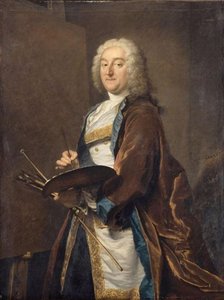
jean françois de troy
1645 - 1730 , Francia
Breves datos
- Artistas Influenciados:
- André Bouys
- John Closterman
- Artistas Que Influyeron:
- Claude Lefèbvre
- Nicolas-Pierre Loir
- Fecha De Muerte: 1730
- Fecha De Nacimiento: 9 de enero de 1645
- Lugar De Nacimiento: Toulouse, Francia
- Movimiento Artístico: Rococó, Barroco
- Nacionalidad: Francés
- Nombre Completo: Jean-François de Troy
- Obras Notables:
- Richard Talbot, 1er Conde...
- Lady Mary Herbert como Diana
- Jules Hardouin-Mansart
- Elisabeth Jacquet de la...
- Retrato de un matrimonio...

