 Ver en contexto
 Enviar
 Compartir
 Detalles

 Descargar
 Similares
 Radiografía
 Presentación de diapositivas
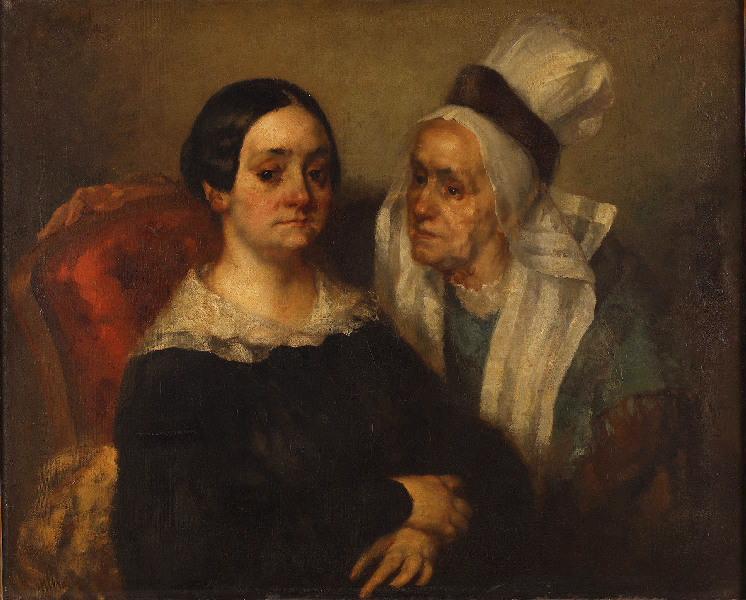
Deslongchamps et sa fille Madame de Vaudiville, madame portrait


 Ver más
Giclée / Impresión de arte
Impresiones giclée o en lienzo de calidad de museo con producción rápida y opciones de acabado flexibles. ( Comprar pintura hecha a mano Comprar imagen)




P118B $10

P118H $10

P118W $10

P438Z $10

P508JH $12

P508YH $12

P805H $10

P805Z $10

P919BZ $10

P919G $10

P919XJ $10

P959ZH $10

P968JZ $12

W106C $8

W218G $10

W218JH $8

W218Y $10

W307PJ $10

W316G $10

W316PJ $8

W316Y $10

W398PJ $8

W4111J $10

W500HY $15

W500JH $15

W692G $12

W849H $8

W940BG $15

W953PJ $8




Elija entre nuestros tamaños predefinidos que respetan las proporciones originales de la obra.

Puede introducir sus propias dimensiones para adaptarse a un marco o espacio específico. Si el tamaño seleccionado no coincide con las proporciones de la imagen original, recortaremos la obra de arte o extenderemos la imagen con un borde con efecto espejo o de color sólido. Se enviará una maqueta digital para su aprobación antes de que comience la producción.
Tenga en cuenta que la vista previa en pantalla no refleja el recorte o la extensión real. Solo la maqueta mostrará con precisión la composición final.
Aunque existen tamaños personalizados, recomendamos seleccionar una dimensión de la lista predefinida para preservar las proporciones originales.
Envío a todo el mundo () en 2 semanas en lugar de las 4/5 semanas estándar. (6 septiembre)

Envío exprés gratuito a todo el mundo

Lienzo de lino de alta calidad

Seguro de envío total

Garantía de reembolso de impuestos aduaneros

Garantía de fidelidad cromática exacta

Política de devolución de 60 días (solo por defectos)

Garantía de devolución del 100% del dinero

Descuento por cantidad
 La opción de vidrio solo está disponible en tamaños inferiores a 110 cm.

Deslongchamps et sa fille Madame de Vaudiville, madame portrait
Giclée / Impresión de arte
Dimensiones de la reproducción
-


Precio total final
$ 62
Deslongchamps et sa fille Madame de Vaudiville: A Portrait of Rural Resilience
- Jean-François Millet’s “Deslongchamps et sa fille Madame de Vaudiville” is more than a simple portrait; it's a profound meditation on the dignity of labor, familial bonds, and the quiet beauty inherent in the lives of rural France during the Belle Époque. Painted around 1863, this monochrome masterpiece by Millet offers an intimate glimpse into the world of Jean Deslongchamps, a farmer, and his daughter, Madame de Vaudiville, captured with remarkable realism and emotional depth. The painting’s stark palette – a deliberate choice to eschew romantic embellishment – immediately draws the viewer in, forcing a direct engagement with the subjects' weathered faces and simple attire.
- The scene unfolds within a modestly furnished room, a space that speaks volumes about their modest existence. The carefully rendered details—the worn chairs, the plain walls, the subtle play of light and shadow – contribute to an atmosphere of quiet contemplation and understated strength. Millet’s genius lies not in grand gestures or dramatic poses, but in his ability to capture the essence of everyday life with unwavering honesty.
A Masterclass in Realist Technique
- Millet's technical prowess is immediately apparent, a testament to his meticulous observation and painstaking execution. He employs a technique that blends elements of Impressionism with a staunch commitment to realism, resulting in an incredibly detailed and nuanced portrayal. Unlike the loose brushstrokes favored by artists like Monet or Renoir, Millet’s approach involves layering thin glazes – a process demanding immense patience and control. This method allows him to build up tonal gradations with astonishing precision, creating a sense of depth and volume that is both captivating and profoundly moving.
- The artist's focus isn’t on fleeting impressions but on establishing a palpable presence within the frame. He meticulously renders the textures of their clothing – the rough weave of the fabric, the subtle creases in the linen – further enhancing the sense of realism. The controlled lighting, skillfully manipulated to create dramatic shadows and highlights, adds another layer of complexity to the composition, drawing attention to the subjects’ faces and emphasizing their connection to the surrounding environment.
Historical Context: A Counterpoint to Change
- “Deslongchamps et sa fille” was created during a period of immense social and economic transformation in France – the Industrial Revolution was reshaping urban landscapes, while simultaneously sparking debates about artistic representation. Millet’s work stands as a powerful counterpoint to prevailing trends, aligning himself with the burgeoning Realist movement. This movement sought to depict life as it truly was, rejecting academic conventions and prioritizing truthful portrayals of the working class.
- By focusing on the lives of ordinary farmers, Millet offered a poignant commentary on the social inequalities of his time. The painting’s quiet dignity reflects a deep respect for the labor and resilience of those who sustained France's agricultural heartland. It is a testament to Millet's belief that beauty could be found not in idealized landscapes or aristocratic portraits, but in the honest faces of the people.
Symbolism and Emotional Resonance
- The composition itself carries significant symbolic weight. The seated posture of Deslongchamps and his daughter conveys a sense of quiet authority and mutual respect. Their shared gaze suggests a deep connection, rooted in generations of rural life. The inclusion of the umbrella – a subtle detail that adds to the painting’s narrative richness – hints at their vulnerability against the elements, further emphasizing their dependence on the land.
- Ultimately, “Deslongchamps et sa fille” is a profoundly moving work of art. It evokes a sense of nostalgia for a simpler time, reminding us of the enduring values of hard work, family, and connection to the natural world. It’s a portrait that speaks volumes about the human condition – a testament to resilience, dignity, and the quiet beauty found in everyday life.
Obras relacionadas
Biografía del artista
vida temprana y educación
jean-françois millet, nacido el 4 de octubre de 1814 en Normandía, Francia, emergió como una figura clave en la escuela de Barbizon y un defensor del movimiento artístico realista. Criado en una comunidad agrícola, la vida temprana de Millet estuvo impregnada de experiencias rurales, lo que influyó profundamente en sus temas artísticos.trayectoria artística
La formación artística formal de Millet comenzó en 1833 bajo la tutela del pintor de retratos Bon du Mouchel en Cherbourg. Posteriormente estudió con Théophile Langlois de Chèvreville, un estudiante del barón Gros. Apoyado por una beca, se trasladó a París en 1837 para asistir a la École des Beaux-Arts y estudió bajo Paul Delaroche. Sin embargo, su viaje no estuvo exento de contratiempos; en 1839, perdió su beca y fue rechazado por el salón.obras notables y movimiento realista
La trayectoria artística de Millet refleja su profunda conexión con sus raíces rurales y su dedicación a retratar la vida de los campesinos con dignidad y realismo. Algunas de sus obras notables incluyen:- Los recogedores (1855), una representación conmovedora de campesinos, que muestra la maestría de Millet en el realismo.
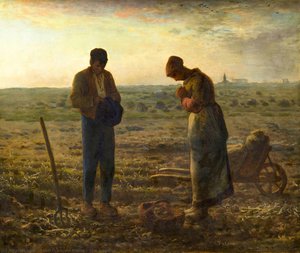
- El ángelus (1850-1861), una serie de pinturas que destacan las luchas diarias de la vida rural.
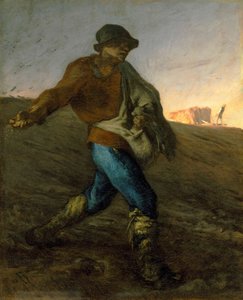
- El siembrador (1850), una representación icónica de las dificultades que enfrentan los agricultores, ahora ubicada en el Musée d'Orsay en París.
legado e influencia
El legado de Millet como fundador de la escuela de Barbizon lo marca como una figura fundamental en la transición hacia el realismo en el arte. Su influencia se puede ver en las obras de artistas posteriores, incluyendo Correa Benito Rebolledo, quien continuó ampliando los límites del realismo. Explore más sobre las obras de Millet y el movimiento realista en ArtsDot: Jean François Millet el mayor | ArtsDot El nuevo realismo artístico | ArtsDot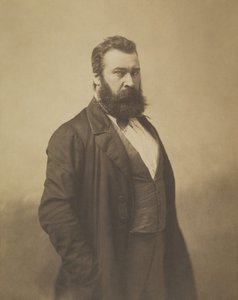
Jean-François Millet
1814 - 1875 , Francia
Datos clave
- Artistas Influenciados: ['Correa Benito Rebolledo']
- Artistas Que Influyeron:
- Bon du Mouchel
- Théophile Langlois
- Paul Delaroche
- Fecha De Muerte: 1875
- Fecha De Nacimiento: 4 de octubre de 1814
- Lugar De Nacimiento: Gruchy, Francia
- Movimiento Artístico: Realismo, Escuela de Barbizon
- Nacionalidad: Francés
- Nombre Completo: Jean-François Millet
- Obras Notables:
- Los segadores
- El ángelus
- El sembrador
Artículos relacionados
Jean-François Millet: Realism, Rural Life & the Poetic Depiction of Labor
Explore the life & work of Jean-François Millet, a founder of Realism. Discover his poignant depictions of rural France, iconic paintings like 'The Angelus,' and lasting influence on art history. Learn more at ArtsDot.
Echoes of Rural Life: Art's Enduring Representations of the Countryside
Explore the rich history of rural life in art! Discover masterpieces from Millet to Mauve & beyond. Learn about Realism, Barbizon School & find inspiration for your home with ArtsDot.
Léon Augustin L'Hermitte: Capturing the Soul of French Rural Life
Discover the captivating realist paintings of Léon Augustin L'Hermitte, masterfully depicting French rural life. Explore his technique, influences & legacy – a cornerstone of 19th-century art.

Las 10 Pinturas Más Famosas Dominadas por el Negro | Arte y Decoración
Descubre las 10 pinturas más impactantes dominadas por el negro. Explora obras maestras de Rembrandt, Goya y Rothko, su historia y significado. Encuentra reproducciones de arte exclusivas para transformar tu hogar en .
Realismo en el Arte: 10 Obras Maestras que Cambiaron la Historia |
Descubre 10 obras maestras del Realismo que revolucionaron el arte. Explora la historia de Courbet, Millet y otros pintores realistas. Encuentra reproducciones de alta calidad para decorar tu hogar con