 Ver en contexto
 Enviar
 Compartir
 Detalles

 Descargar
 Similares
 Radiografía
 Presentación de diapositivas
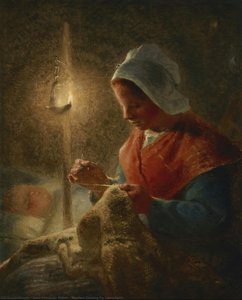
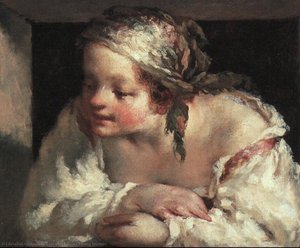
femme etandant sonlinge


 Ver más
Giclée / Impresión de arte
Impresiones giclée o en lienzo de calidad de museo con producción rápida y opciones de acabado flexibles. ( Comprar pintura hecha a mano Comprar imagen)




P118B $10

P118H $10

P118W $10

P438Z $10

P508JH $12

P508YH $12

P805H $10

P805Z $10

P919BZ $10

P919G $10

P919XJ $10

P959ZH $10

P968JZ $12

W106C $8

W218G $10

W218JH $8

W218Y $10

W307PJ $10

W316G $10

W316PJ $8

W316Y $10

W398PJ $8

W4111J $10

W500HY $15

W500JH $15

W692G $12

W849H $8

W940BG $15

W953PJ $8




Elija entre nuestros tamaños predefinidos que respetan las proporciones originales de la obra.

Puede introducir sus propias dimensiones para adaptarse a un marco o espacio específico. Si el tamaño seleccionado no coincide con las proporciones de la imagen original, recortaremos la obra de arte o extenderemos la imagen con un borde con efecto espejo o de color sólido. Se enviará una maqueta digital para su aprobación antes de que comience la producción.
Tenga en cuenta que la vista previa en pantalla no refleja el recorte o la extensión real. Solo la maqueta mostrará con precisión la composición final.
Aunque existen tamaños personalizados, recomendamos seleccionar una dimensión de la lista predefinida para preservar las proporciones originales.
Envío a todo el mundo () en 2 semanas en lugar de las 4/5 semanas estándar. (1 septiembre)

Envío exprés gratuito a todo el mundo

Lienzo de lino de alta calidad

Seguro de envío total

Garantía de reembolso de impuestos aduaneros

Garantía de fidelidad cromática exacta

Política de devolución de 60 días (solo por defectos)

Garantía de devolución del 100% del dinero

Descuento por cantidad
 La opción de vidrio solo está disponible en tamaños inferiores a 110 cm.

femme etandant sonlinge
Giclée / Impresión de arte
Dimensiones de la reproducción
-


Precio total final
$ 62
Jean-François Millet’s ‘Femme etandant sonlinge’: A Portrait of Rural Harmony
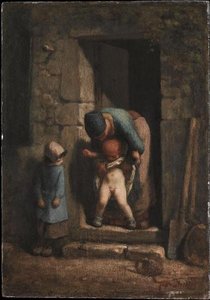
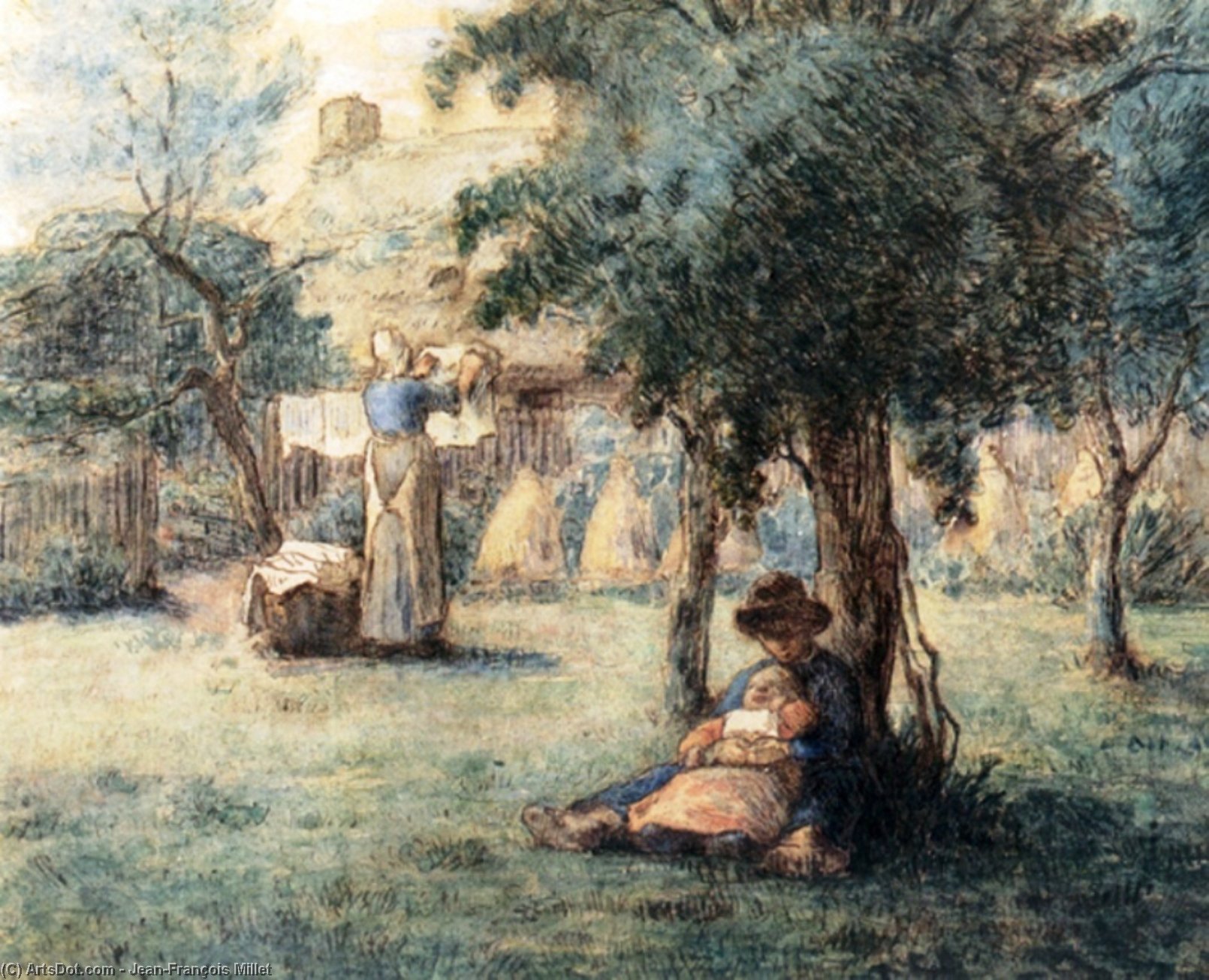
Jean-François Millet's “Femme etandant sonlinge” (Woman Leaning on a Tree), painted circa 1860, offers a poignant glimpse into the heart of rural life during the mid-19th century. This evocative scene, depicting a woman and child beneath the shade of a tree, transcends mere representation; it’s a profound meditation on family, labor, and the enduring connection between humanity and the land – hallmarks of Millet's Realist approach. Born in Gruchy, Normandy, in 1814, Millet’s artistic journey was inextricably linked to his upbringing amidst the agricultural rhythms of Norman farming. His early life, spent observing and documenting the lives of peasants, instilled a deep respect for their dignity and a commitment to portraying them with unflinching honesty.
- Subject Matter: The painting’s central focus is a woman seated beneath a tree, seemingly engaged in quiet contemplation – perhaps nursing her child or simply enjoying a moment of respite. The inclusion of the child adds an element of tenderness and innocence to the scene, highlighting the importance of familial bonds within this rural setting.
- Composition: Millet masterfully employs a simple yet effective composition, drawing the viewer’s eye directly to the woman at the heart of the image. The placement of the other figures – one standing on the left and another on the right – subtly reinforces the sense of domestic tranquility while simultaneously suggesting the broader context of rural life.
Technique and Style: The Essence of Realism
Millet’s artistic style is firmly rooted in the tenets of Realism, a movement that sought to depict everyday subjects with accuracy and objectivity, rejecting the idealized forms favored by previous artistic movements. “Femme etandant sonlinge” exemplifies this approach through its meticulous attention to detail and its rejection of romanticized or sentimental interpretations. Millet’s brushwork is characterized by short, broken strokes – a technique he developed to capture the textures of rough fabrics, weathered skin, and the uneven surfaces of the landscape. The muted color palette, dominated by earthy tones, further contributes to the painting's sense of realism and its connection to the natural world.
- Color Palette: The subdued colors – browns, greens, and grays – reflect Millet’s commitment to portraying the realities of rural life without embellishment.
- Brushwork: His distinctive brushstrokes create a palpable sense of texture and depth, enhancing the painting's visual impact.
Symbolism and Historical Context
“Femme etandant sonlinge” is not simply a depiction of a mother and child; it’s imbued with deeper symbolic meaning. The tree itself represents life, growth, and connection to nature – themes central to Millet's worldview. Painted during a period of significant social and economic change in France, the painting reflects the growing interest in portraying the lives of ordinary people, particularly those engaged in agricultural labor. Millet’s work challenged the prevailing artistic conventions of his time and contributed to the development of Realism as a dominant force in 19th-century art. The scene speaks to the dignity of manual labor and the importance of community within rural society – values that resonated deeply with viewers at the time and continue to hold relevance today.
Emotional Impact and Artistic Legacy
The painting’s enduring appeal lies in its ability to evoke a sense of quiet contemplation and emotional resonance. The serene atmosphere, coupled with Millet's masterful use of light and shadow, creates a powerful image of domestic tranquility. “Femme etandant sonlinge” remains a testament to Millet’s artistic vision – a celebration of rural life, a tribute to the dignity of labor, and a poignant reminder of the enduring bonds between mother and child. A hand-painted reproduction offers an unparalleled opportunity to experience the beauty and emotional depth of this iconic work of art.
Obras relacionadas

Biografía del artista
vida temprana y educación
jean-françois millet, nacido el 4 de octubre de 1814 en Normandía, Francia, emergió como una figura clave en la escuela de Barbizon y un defensor del movimiento artístico realista. Criado en una comunidad agrícola, la vida temprana de Millet estuvo impregnada de experiencias rurales, lo que influyó profundamente en sus temas artísticos.trayectoria artística
La formación artística formal de Millet comenzó en 1833 bajo la tutela del pintor de retratos Bon du Mouchel en Cherbourg. Posteriormente estudió con Théophile Langlois de Chèvreville, un estudiante del barón Gros. Apoyado por una beca, se trasladó a París en 1837 para asistir a la École des Beaux-Arts y estudió bajo Paul Delaroche. Sin embargo, su viaje no estuvo exento de contratiempos; en 1839, perdió su beca y fue rechazado por el salón.obras notables y movimiento realista
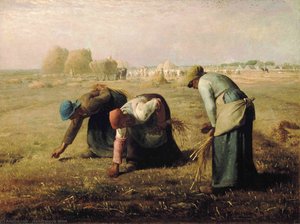
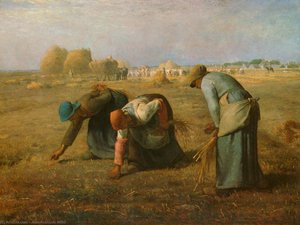
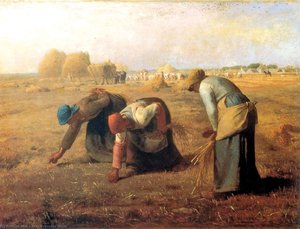
La trayectoria artística de Millet refleja su profunda conexión con sus raíces rurales y su dedicación a retratar la vida de los campesinos con dignidad y realismo. Algunas de sus obras notables incluyen:- Los recogedores (1855), una representación conmovedora de campesinos, que muestra la maestría de Millet en el realismo.
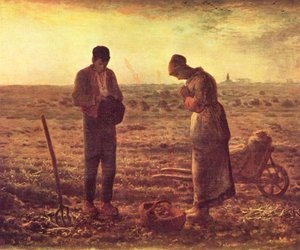
- El ángelus (1850-1861), una serie de pinturas que destacan las luchas diarias de la vida rural.
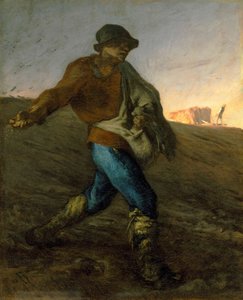
- El siembrador (1850), una representación icónica de las dificultades que enfrentan los agricultores, ahora ubicada en el Musée d'Orsay en París.
legado e influencia
El legado de Millet como fundador de la escuela de Barbizon lo marca como una figura fundamental en la transición hacia el realismo en el arte. Su influencia se puede ver en las obras de artistas posteriores, incluyendo Correa Benito Rebolledo, quien continuó ampliando los límites del realismo. Explore más sobre las obras de Millet y el movimiento realista en ArtsDot: Jean François Millet el mayor | ArtsDot El nuevo realismo artístico | ArtsDot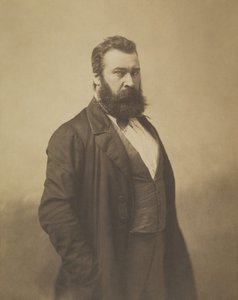
Jean-François Millet
1814 - 1875 , Francia
Datos clave
- Artistas Influenciados: ['Correa Benito Rebolledo']
- Artistas Que Influyeron:
- Bon du Mouchel
- Théophile Langlois
- Paul Delaroche
- Fecha De Muerte: 1875
- Fecha De Nacimiento: 4 de octubre de 1814
- Lugar De Nacimiento: Gruchy, Francia
- Movimiento Artístico: Realismo, Escuela de Barbizon
- Nacionalidad: Francés
- Nombre Completo: Jean-François Millet
- Obras Notables:
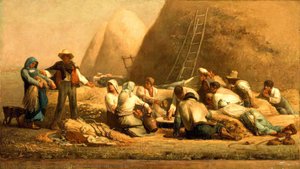
- Los segadores
- El ángelus
- El sembrador
Artículos relacionados

John Constable: Las 25 Obras Maestras del Paisaje Inglés | ArtsDot
Descubre las 25 obras maestras de John Constable, el pintor romántico inglés que capturó la belleza del paisaje. Explora su técnica, historia y significado en ArtsDot.com. Reproducciones de arte de alta calidad para tu hogar.

Cultivating Visions: A Historical Journey Through Rural Landscapes in Art
Explore the rich history of rural landscape painting with ArtsDot. Discover Impressionist masterpieces, key artists & movements. Find your perfect serene artwork and bring nature's beauty home.

Echoes of Rural Life: Art's Enduring Representations of the Countryside
Explore the rich history of rural life in art! Discover masterpieces from Millet to Mauve & beyond. Learn about Realism, Barbizon School & find inspiration for your home with ArtsDot.
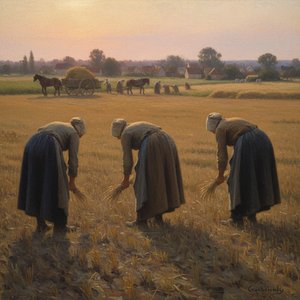
Jean-François Millet: Realism, Rural Life & the Poetic Depiction of Labor
Explore the life & work of Jean-François Millet, a founder of Realism. Discover his poignant depictions of rural France, iconic paintings like 'The Angelus,' and lasting influence on art history. Learn more at ArtsDot.
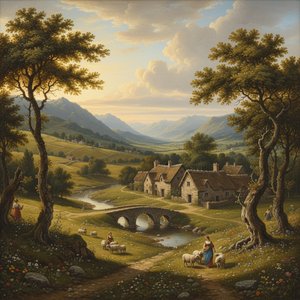
Evoking Arcadia: A Historical & Aesthetic Exploration of Rural Landscape Art
Explore the rich history of pastoral landscape art, from classical Arcadia to Impressionism & beyond. Discover key artists, movements, and how to collect serene rural scenes for your home. Expert insights at ArtsDot.