 Ver en contexto
 Enviar
 Compartir
 Detalles

 Descargar
 Similares
 Radiografía
 Presentación de diapositivas
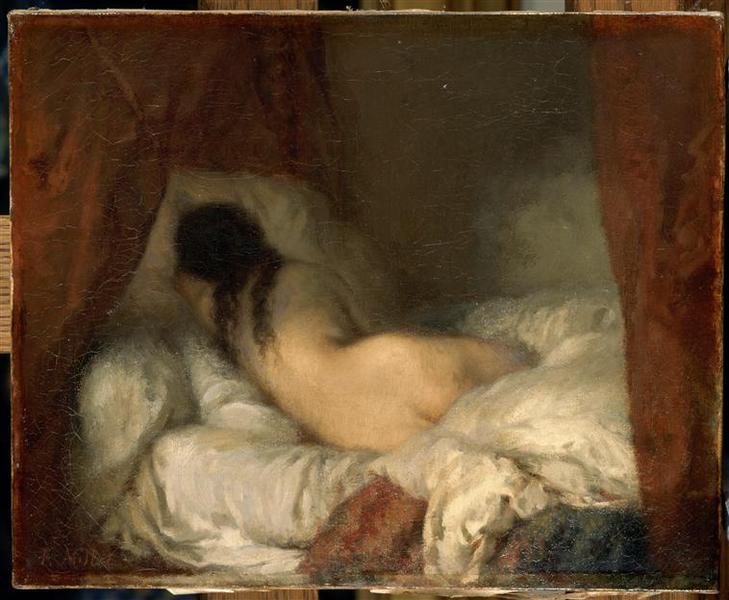
Femme nue couchée


 Ver más
Reproducción al óleo hecha a mano
Óleo sobre lienzo pintado a mano en el tamaño y marco de su elección, realizado por encargo por nuestros artistas. ( Comprar impresión Comprar imagen)




P118B $10

P118H $10

P118W $10

P438Z $10

P508JH $12

P508YH $12

P805H $10

P805Z $10

P919BZ $10

P919G $10

P919XJ $10

P959ZH $10

P968JZ $12

W106C $8

W218G $10

W218JH $8

W218Y $10

W307PJ $10

W316G $10

W316PJ $8

W316Y $10

W398PJ $8

W4111J $10

W500HY $15

W500JH $15

W692G $12

W849H $8

W940BG $15

W953PJ $8




Elija entre nuestros tamaños predefinidos que respetan las proporciones originales de la obra.

Puede ingresar sus propias dimensiones para adaptarse a un marco o espacio específico. Si el tamaño seleccionado no coincide con las proporciones de la imagen original, recortaremos la obra o extenderemos la pintura con elementos adicionales pintados a mano. Se le enviará una maqueta digital para su aprobación antes de comenzar la producción.
Tenga en cuenta que la vista previa en pantalla no refleja el recorte o la extensión reales. Solo la maqueta mostrará con precisión la composición final.
Si bien existen tamaños personalizados, recomendamos seleccionar una dimensión de la lista predefinida para preservar las proporciones originales.
Tras realizar el pedido, el equipo de ArtsDot.com enviará un correo electrónico al cliente para solicitar instrucciones y proporcionarle una vista previa del boceto.
Envío a todo el mundo () en 3-4 semanas en lugar de las 5 semanas estándar. (1 septiembre). Sin comprometer la calidad.

Envío exprés gratuito a todo el mundo

Lienzo de lino de alta calidad

Seguro de envío total

Garantía de reembolso de impuestos aduaneros

Garantía de fidelidad cromática exacta

Política de devolución de 60 días (solo por defectos)

Garantía de devolución del 100% del dinero

Descuento por cantidad
 La opción de vidrio solo está disponible en tamaños inferiores a 110 cm.

Femme nue couchée
Técnica de reproducción
Dimensiones de la reproducción
-


Precio total final
$ 263
A Portrait of Quietude: The Intimate Realism of Millet
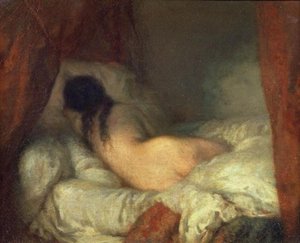
In the quiet corners of mid-19th-century French art, few works capture the profound stillness of domestic life as poignantly as Jean-François Millet’s Femme nue couchée. This evocative canvas serves as more than a mere depiction of a resting figure; it is an invitation into a private sanctuary, a moment frozen in time where the world outside ceases to exist. The painting centers on a woman lying supine upon her bed, her form partially veiled by the soft folds of sheets that trace the gentle contours of her body. Beside her, the presence of another figure—perhaps a companion or a loved one—adds a layer of shared humanity and domestic warmth to the scene. Through this composition, Millet invites the viewer to witness a moment of profound vulnerability and peace, transforming a simple domestic interior into a stage for deep psychological reflection.
The atmosphere of the work is defined by its masterful use of light and shadow, a hallmark of the Realist movement that Millet helped pioneer. The room is framed by heavy, crimson curtains drawn back to reveal the bed, a deliberate compositional choice that creates a sense of theatrical intimacy. This deep, warm hue provides a striking contrast to the more muted, earthy tones of the rest of the scene, drawing the eye inward toward the subject. Millet’s technique is characterized by a meticulous attention to texture; one can almost feel the weight of the fabric and the coolness of the shadows. His brushstrokes, while controlled, possess an organic vitality that breathes life into the inanimate objects surrounding the woman, grounding the ethereal moment in a tangible, tactile reality.
The Soul of the Soil and the Spirit of Realism
To understand Femme nue couchée, one must look to the artist’s roots. Born into a farming family in Normandy, Millet possessed an innate connection to the rhythms of rural life. While he is perhaps most famous for his monumental depictions of peasant laborers, this particular work reveals a different facet of his genius: the ability to find the sacred within the mundane. During a period of intense industrialization and social upheaval in France, Millet rejected the escapism of Romanticism. Instead, he turned his gaze toward the unadorned truth of everyday existence. In this painting, the dignity of the subject is not found in grand gestures or heroic poses, but in the quiet, honest reality of rest and repose.
For the discerning collector or interior designer, this piece offers a unique emotional resonance. It does not demand attention through loud colors or chaotic movement; rather, it commands respect through its understated elegance and contemplative depth. The muted palette of browns, reds, and creams allows the artwork to integrate seamlessly into sophisticated living spaces, providing a focal point that encourages slow looking and quiet thought. A high-quality reproduction of this masterpiece brings with it the weight of history and the soothing essence of the Barbizon school, making it an ideal acquisition for those seeking to infuse their environment with a sense of timelessness, stability, and soulful grace.
Obras relacionadas
Biografía del artista
vida temprana y educación
jean-françois millet, nacido el 4 de octubre de 1814 en Normandía, Francia, emergió como una figura clave en la escuela de Barbizon y un defensor del movimiento artístico realista. Criado en una comunidad agrícola, la vida temprana de Millet estuvo impregnada de experiencias rurales, lo que influyó profundamente en sus temas artísticos.trayectoria artística
La formación artística formal de Millet comenzó en 1833 bajo la tutela del pintor de retratos Bon du Mouchel en Cherbourg. Posteriormente estudió con Théophile Langlois de Chèvreville, un estudiante del barón Gros. Apoyado por una beca, se trasladó a París en 1837 para asistir a la École des Beaux-Arts y estudió bajo Paul Delaroche. Sin embargo, su viaje no estuvo exento de contratiempos; en 1839, perdió su beca y fue rechazado por el salón.obras notables y movimiento realista
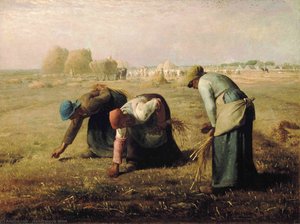
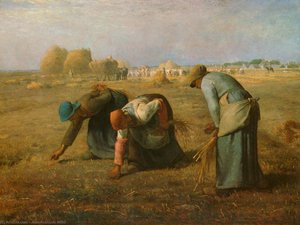
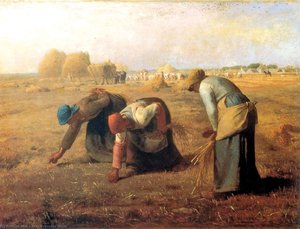
La trayectoria artística de Millet refleja su profunda conexión con sus raíces rurales y su dedicación a retratar la vida de los campesinos con dignidad y realismo. Algunas de sus obras notables incluyen:- Los recogedores (1855), una representación conmovedora de campesinos, que muestra la maestría de Millet en el realismo.
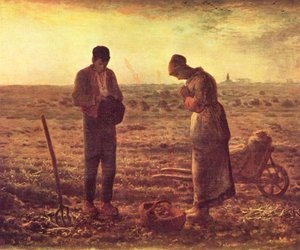
- El ángelus (1850-1861), una serie de pinturas que destacan las luchas diarias de la vida rural.
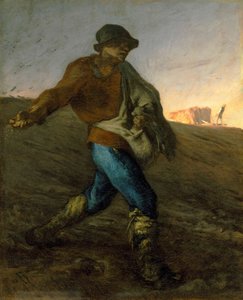
- El siembrador (1850), una representación icónica de las dificultades que enfrentan los agricultores, ahora ubicada en el Musée d'Orsay en París.
legado e influencia
El legado de Millet como fundador de la escuela de Barbizon lo marca como una figura fundamental en la transición hacia el realismo en el arte. Su influencia se puede ver en las obras de artistas posteriores, incluyendo Correa Benito Rebolledo, quien continuó ampliando los límites del realismo. Explore más sobre las obras de Millet y el movimiento realista en ArtsDot: Jean François Millet el mayor | ArtsDot El nuevo realismo artístico | ArtsDot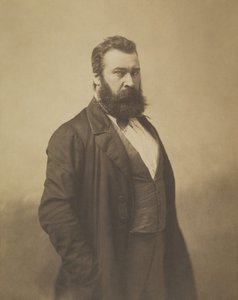
Jean-François Millet
1814 - 1875 , Francia
Datos clave
- Artistas Influenciados: ['Correa Benito Rebolledo']
- Artistas Que Influyeron:
- Bon du Mouchel
- Théophile Langlois
- Paul Delaroche
- Fecha De Muerte: 1875
- Fecha De Nacimiento: 4 de octubre de 1814
- Lugar De Nacimiento: Gruchy, Francia
- Movimiento Artístico: Realismo, Escuela de Barbizon
- Nacionalidad: Francés
- Nombre Completo: Jean-François Millet
- Obras Notables:
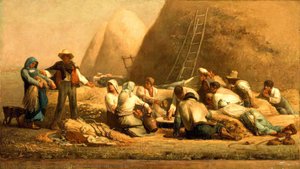
- Los segadores
- El ángelus
- El sembrador
Artículos relacionados
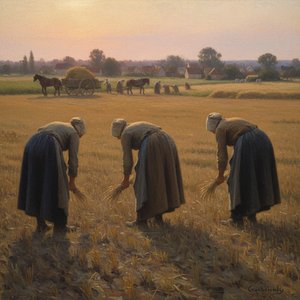
Jean-François Millet: Realism, Rural Life & the Poetic Depiction of Labor
Explore the life & work of Jean-François Millet, a founder of Realism. Discover his poignant depictions of rural France, iconic paintings like 'The Angelus,' and lasting influence on art history. Learn more at ArtsDot.

Echoes of Rural Life: Art's Enduring Representations of the Countryside
Explore the rich history of rural life in art! Discover masterpieces from Millet to Mauve & beyond. Learn about Realism, Barbizon School & find inspiration for your home with ArtsDot.

Realismo en el Arte: 10 Obras Maestras que Cambiaron la Historia |
Descubre 10 obras maestras del Realismo que revolucionaron el arte. Explora la historia de Courbet, Millet y otros pintores realistas. Encuentra reproducciones de alta calidad para decorar tu hogar con
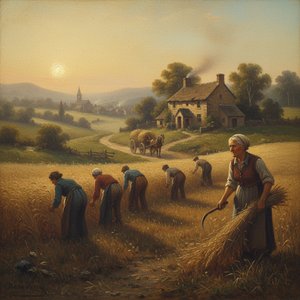
Echoes of Rural Life: Nostalgia, Labor & Identity in Art History
Explore the rich history of rural life in art! Discover how Realism captured labor & identity through masterpieces by Van Gogh, Millet & more. Expert analysis for collectors and enthusiasts.
Cultivating Visions: Rural Life & Social Commentary in Art History
Explore the rich history of rural life in art! Discover masterpieces from Dutch Masters to Van Gogh & Courbet. Uncover artistic movements, social significance & expert collecting insights at ArtsDot.