

 Ver en contexto
 Enviar
 Compartir
 Detalles

 Descargar
 Similares
 Radiografía
 Presentación de diapositivas
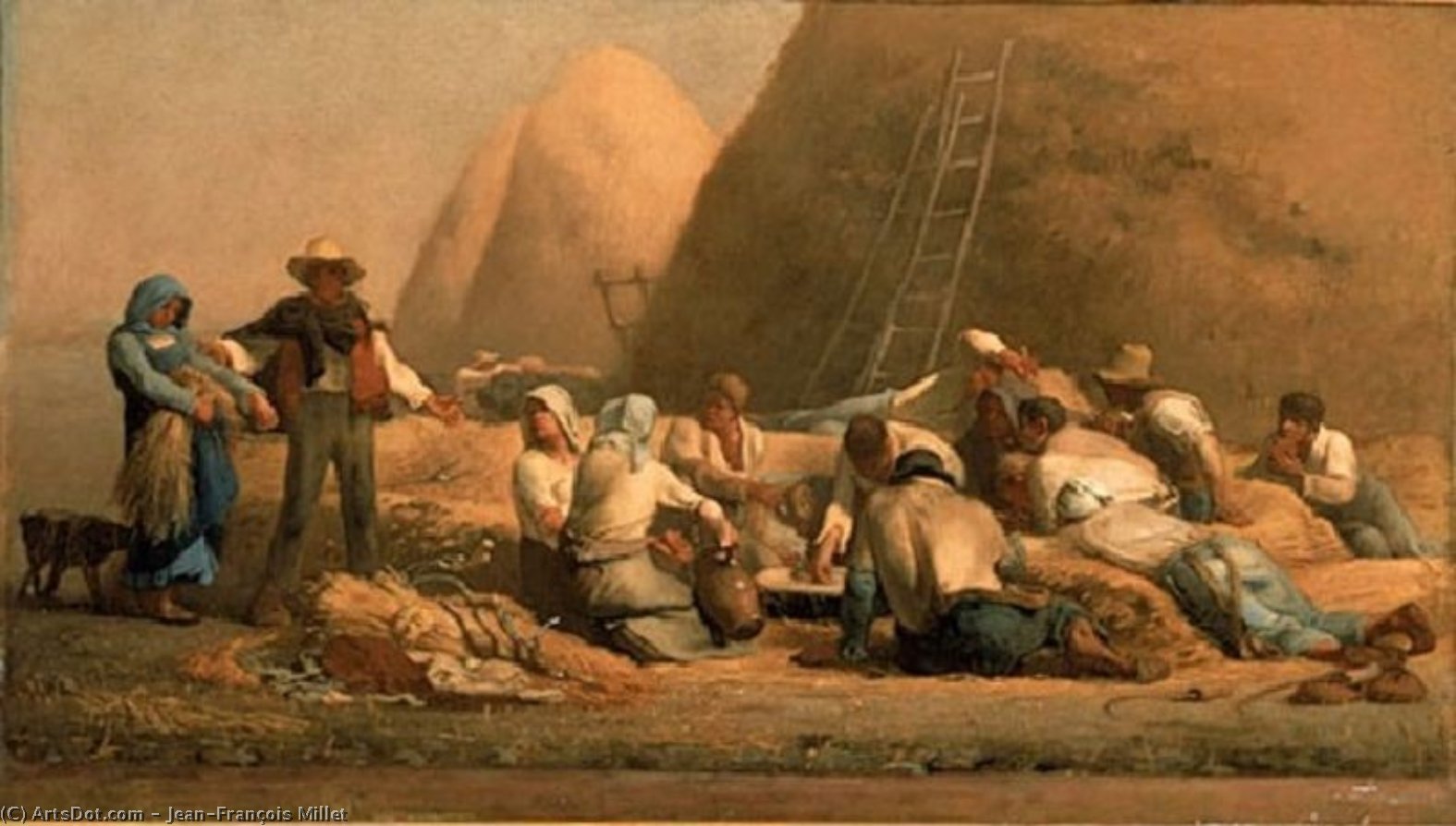
Harvesters Resting Ruth and Boaz


 Ver más
Adquiera una imagen digital de alta resolución y optimizada, muy superior a la vista previa en línea.
Cada archivo es preparado meticulosamente por nuestros especialistas internos mediante el uso de herramientas avanzadas y un experto retoque manual. Nos aseguramos de que cada imagen posea una claridad excepcional, una precisión cromática impecable y un detalle minucioso.
El archivo final se entrega por correo electrónico en un plazo de 72 horas, optimizado para su uso inmediato en entornos profesionales, editoriales y de impresión. Esta es la misma calidad en la que confían los estudios de diseño, las editoriales y las galerías de primer nivel.
Imagen Digital
Descarga un archivo de alta resolución para exhibición personal, impresión y proyectos creativos. ( Comprar impresión Comprar pintura hecha a mano)
Incluido en cada pedido de imágenes digitales
Entrega digital experta, garantizada.
Al elegir ArtsDot.com, no solo está adquiriendo una imagen; está recibiendo una obra de arte digital mejorada profesionalmente, elaborada con precisión y respaldada por una garantía de satisfacción. Esto es todo lo que incluye su pedido, automáticamente:

Entrega rápida por email
Recibirá su archivo de imagen digital en alta resolución por correo electrónico en un plazo de 72 horas tras realizar su pedido, listo para su uso inmediato.

Archivo digital optimizado por IA
Su obra de arte se optimiza profesionalmente mediante herramientas avanzadas de IA y edición manual, garantizando el máximo detalle, claridad y precisión cromática.

Reenvío gratuito de por vida
¿Has borrado o perdido tu archivo por error? No te preocupes: te lo volveremos a enviar en cualquier momento, sin coste adicional.

Sin gastos de importación, siempre
Disfrute de su obra de arte al instante sin aduanas, aranceles ni gastos de envío; las descargas digitales siempre están libres de impuestos.

Garantía de fidelidad de color
Garantizamos que su imagen digital refleje los colores originales con la mayor fidelidad posible, mediante el uso de herramientas profesionales y gestión del color.

Garantía de satisfacción de 60 días
Si no está satisfecho con su imagen digital, la revisaremos o le reembolsaremos el 100% en un plazo de 60 días, sin preguntas.

100% Garantía de devolución de dinero
¿No está satisfecho? Obtenga un reembolso completo dentro de los 60 días posteriores a la recepción de su archivo digital, sin necesidad de explicaciones.

Descuentos por pedidos grandes
Compra 3 imágenes, ahorra 10% - Compra 5, ahorra 15% - Compra 10+, ahorra 20%. Ideal para proyectos creativos, galerías y agencias.
Descripción del coleccionable
A Portrait of Rural Dignity: Jean-François Millet’s “Harvesters Resting”
Jean-François Millet's "Harvesters Resting," painted circa 1857, stands as a cornerstone of Realism—a movement determined to depict the everyday lives of ordinary people with unflinching honesty and devoid of romantic embellishment. More than just a depiction of agricultural labor; it’s an emblem of human resilience, communal spirit, and a profound connection to the natural world – themes that continue to resonate powerfully today. The painting captures a moment of respite amidst strenuous toil, portraying a group of harvesters gathered beneath an umbrella after a day's work in the Norman countryside.The Scene: Authenticity Captured Through Observation
Millet’s genius lay not in inventing idealized visions but in meticulously observing and faithfully rendering the realities of rural France during his time. The composition is deceptively simple—a cluster of figures seated on the ground, their postures conveying both weariness and contentment. Notice the careful attention to detail: the worn clothing of the laborers, the subtle expressions on their faces reflecting quiet conversation and shared experience. Millet’s masterful use of light creates a palpable atmosphere, illuminating the figures with diffused sunlight that emphasizes their physicality and grounding them firmly within the landscape. The inclusion of a dog and birds adds to the scene's naturalistic charm, reinforcing the artist’s commitment to portraying life as it truly is.Technique: Impasto – Texture That Speaks Volumes
Millet employed a distinctive technique known as impasto—thickly applied paint that retains its texture upon drying—to achieve remarkable expressive power. This method isn't merely decorative; it serves to convey the physicality of the subjects and the materiality of their environment. The ridges and valleys of pigment create a palpable sense of depth and volume, mirroring the contours of the earth beneath the harvesters’ feet. Furthermore, impasto lends itself beautifully to capturing the nuances of light and shadow, enhancing the painting's dramatic impact. It’s a technique that speaks volumes about Millet’s belief in conveying emotion through visual representation—a cornerstone of Realist art.Historical Context: Challenging Artistic Conventions
“Harvesters Resting” emerged during a period of significant social upheaval in France – the Second Industrial Revolution was transforming urban life, while rural communities faced increasing pressures from modernization. Millet's work directly confronted the prevailing Romantic aesthetic, which favored idealized landscapes and heroic figures. Instead, he championed the dignity of peasant labor and offered a counterpoint to narratives glorifying aristocratic grandeur. By portraying ordinary people with compassion and respect, Millet challenged viewers to reconsider their perceptions of beauty and truth—a courageous stance that cemented his place as one of the most influential artists of his era.Symbolism: More Than Meets The Eye
Beyond its immediate depiction of rural life, “Harvesters Resting” carries symbolic weight. The umbrella represents protection from the elements – both physical hardship and spiritual solace. It’s a visual reminder that even amidst toil, there is beauty and comfort to be found in nature's embrace. The figures themselves embody resilience and perseverance—symbols of humanity's ability to endure challenges with grace and dignity. Millet’s intention was not simply to record what he saw but to communicate profound truths about the human condition – a legacy that continues to inspire admiration and contemplation centuries later.Obras relacionadas
Biografía del artista
vida temprana y educación
jean-françois millet, nacido el 4 de octubre de 1814 en Normandía, Francia, emergió como una figura clave en la escuela de Barbizon y un defensor del movimiento artístico realista. Criado en una comunidad agrícola, la vida temprana de Millet estuvo impregnada de experiencias rurales, lo que influyó profundamente en sus temas artísticos.trayectoria artística
La formación artística formal de Millet comenzó en 1833 bajo la tutela del pintor de retratos Bon du Mouchel en Cherbourg. Posteriormente estudió con Théophile Langlois de Chèvreville, un estudiante del barón Gros. Apoyado por una beca, se trasladó a París en 1837 para asistir a la École des Beaux-Arts y estudió bajo Paul Delaroche. Sin embargo, su viaje no estuvo exento de contratiempos; en 1839, perdió su beca y fue rechazado por el salón.obras notables y movimiento realista
La trayectoria artística de Millet refleja su profunda conexión con sus raíces rurales y su dedicación a retratar la vida de los campesinos con dignidad y realismo. Algunas de sus obras notables incluyen:- Los recogedores (1855), una representación conmovedora de campesinos, que muestra la maestría de Millet en el realismo.
- El ángelus (1850-1861), una serie de pinturas que destacan las luchas diarias de la vida rural.
- El siembrador (1850), una representación icónica de las dificultades que enfrentan los agricultores, ahora ubicada en el Musée d'Orsay en París.
legado e influencia
El legado de Millet como fundador de la escuela de Barbizon lo marca como una figura fundamental en la transición hacia el realismo en el arte. Su influencia se puede ver en las obras de artistas posteriores, incluyendo Correa Benito Rebolledo, quien continuó ampliando los límites del realismo. Explore más sobre las obras de Millet y el movimiento realista en ArtsDot: Jean François Millet el mayor | ArtsDot El nuevo realismo artístico | ArtsDot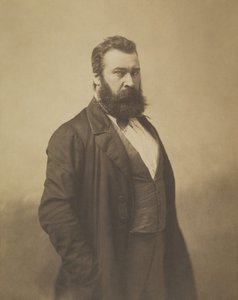
Jean-François Millet
1814 - 1875 , Francia
Breves datos
- Artistas Influenciados: ['Correa Benito Rebolledo']
- Artistas Que Influyeron:
- Bon du Mouchel
- Théophile Langlois
- Paul Delaroche
- Fecha De Muerte: 1875
- Fecha De Nacimiento: 4 de octubre de 1814
- Lugar De Nacimiento: Gruchy, Francia
- Movimiento Artístico: Realismo, Escuela de Barbizon
- Nacionalidad: Francés
- Nombre Completo: Jean-François Millet
- Obras Notables:
- Los segadores
- El ángelus
- El sembrador

