

 Ver en contexto
 Enviar
 Compartir
 Detalles

 Descargar
 Similares
 Radiografía
 Presentación de diapositivas
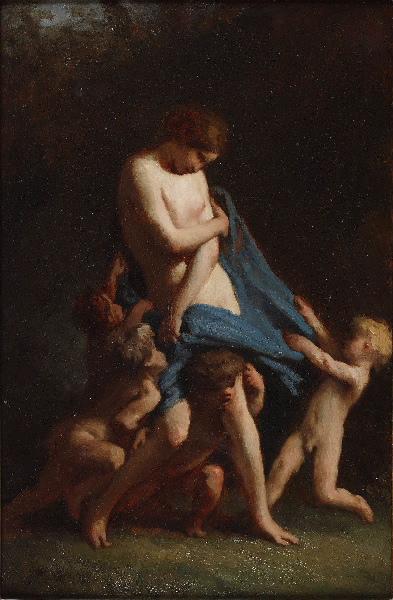
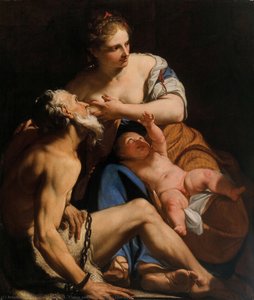
L'Amour vainqueur


 Ver más
Adquiera una imagen digital de alta resolución y optimizada, muy superior a la vista previa en línea.
Cada archivo es preparado meticulosamente por nuestros especialistas internos mediante el uso de herramientas avanzadas y un experto retoque manual. Nos aseguramos de que cada imagen posea una claridad excepcional, una precisión cromática impecable y un detalle minucioso.
El archivo final se entrega por correo electrónico en un plazo de 72 horas, optimizado para su uso inmediato en entornos profesionales, editoriales y de impresión. Esta es la misma calidad en la que confían los estudios de diseño, las editoriales y las galerías de primer nivel.
Imagen Digital
Descarga un archivo de alta resolución para exhibición personal, impresión y proyectos creativos. ( Comprar impresión Comprar pintura hecha a mano)
Incluido en cada pedido de imágenes digitales
Entrega digital experta, garantizada.
Al elegir ArtsDot.com, no solo está adquiriendo una imagen; está recibiendo una obra de arte digital mejorada profesionalmente, elaborada con precisión y respaldada por una garantía de satisfacción. Esto es todo lo que incluye su pedido, automáticamente:

Entrega rápida por email
Recibirá su archivo de imagen digital en alta resolución por correo electrónico en un plazo de 72 horas tras realizar su pedido, listo para su uso inmediato.

Archivo digital optimizado por IA
Su obra de arte se optimiza profesionalmente mediante herramientas avanzadas de IA y edición manual, garantizando el máximo detalle, claridad y precisión cromática.

Reenvío gratuito de por vida
¿Has borrado o perdido tu archivo por error? No te preocupes: te lo volveremos a enviar en cualquier momento, sin coste adicional.

Sin gastos de importación, siempre
Disfrute de su obra de arte al instante sin aduanas, aranceles ni gastos de envío; las descargas digitales siempre están libres de impuestos.

Garantía de fidelidad de color
Garantizamos que su imagen digital refleje los colores originales con la mayor fidelidad posible, mediante el uso de herramientas profesionales y gestión del color.

Garantía de satisfacción de 60 días
Si no está satisfecho con su imagen digital, la revisaremos o le reembolsaremos el 100% en un plazo de 60 días, sin preguntas.

100% Garantía de devolución de dinero
¿No está satisfecho? Obtenga un reembolso completo dentro de los 60 días posteriores a la recepción de su archivo digital, sin necesidad de explicaciones.

Descuentos por pedidos grandes
Compra 3 imágenes, ahorra 10% - Compra 5, ahorra 15% - Compra 10+, ahorra 20%. Ideal para proyectos creativos, galerías y agencias.
Descripción del coleccionable
L'Amour Vainqueur: A Chronicle of Rural Resilience
Jean-François Millet’s “L’Amour vainqueur” (The Triumphant Love) is not merely a depiction of a scene; it’s an embodiment of the enduring spirit of rural France during the mid-19th century. Born in 1814 in Gruchy, Normandy, Millet's life was inextricably linked to the land and its people – a connection that profoundly shaped his artistic vision. This painting, rendered in stark black and white, captures a moment of quiet intensity, a tableau of familial devotion amidst what would have been a challenging existence for those living within this agricultural community. The composition itself is deliberately complex, layered with figures and imbued with a sense of restrained movement, reflecting Millet’s commitment to Realism – an artistic approach that sought to portray life as it truly was, without idealization or romantic embellishment.
Subject Matter and Compositional Dynamics
The central focus of “L’Amour vainqueur” is a woman, seemingly nude, cradling a child in her arms. This figure immediately evokes associations with motherhood, vulnerability, and the primal bond between parent and child – themes that were particularly resonant within Millet's work. The other child, reaching towards her, adds another layer of emotional complexity, suggesting both hope and perhaps a subtle tension. The presence of two additional figures—one at the top and one at the bottom of the composition—further enriches the narrative, hinting at a wider social context, possibly representing community support or the interconnectedness of rural life. The inclusion of a discarded tie adds an element of everyday realism, grounding the scene in the practicalities of daily existence. Millet’s masterful use of light and shadow contributes significantly to the painting's dramatic effect, emphasizing the figures' forms and creating a sense of depth within the composition.
Technique and Artistic Style – A Realist Masterpiece
Millet’s technique is characterized by meticulous detail and a remarkable ability to capture texture. The rough fabric of the woman’s clothing, the delicate features of the children, and the weathered appearance of the figures are rendered with painstaking accuracy. This commitment to realism was central to Millet's artistic philosophy, reflecting his desire to portray the lives of ordinary people – particularly those who worked the land – with honesty and dignity. The monochromatic palette intensifies the emotional impact of the scene, eliminating any distractions from color and focusing attention on form and expression. The painting’s style firmly places it within the Realist movement, a reaction against the idealized depictions prevalent in earlier Romantic art. Millet sought to depict the world as he saw it, unvarnished and without sentimentality.
Symbolism and Historical Context
"L'Amour vainqueur" transcends a simple depiction of a family scene; it carries profound symbolic weight. The title itself – “The Triumphant Love” – suggests resilience in the face of adversity, a theme deeply rooted in the lives of rural communities during Millet’s time. France in the 19th century was undergoing significant social and economic changes, with industrialization disrupting traditional agricultural practices. Millet's work can be seen as a poignant commentary on this transition, celebrating the enduring values of family, labor, and connection to the land. The painting speaks to the dignity of manual labor and the strength of human bonds in a world undergoing rapid transformation. It’s a testament to the quiet heroism found within everyday life.
Obras relacionadas
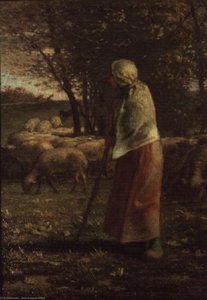
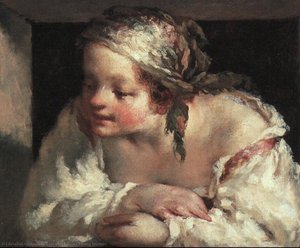
Biografía del artista
vida temprana y educación
jean-françois millet, nacido el 4 de octubre de 1814 en Normandía, Francia, emergió como una figura clave en la escuela de Barbizon y un defensor del movimiento artístico realista. Criado en una comunidad agrícola, la vida temprana de Millet estuvo impregnada de experiencias rurales, lo que influyó profundamente en sus temas artísticos.trayectoria artística
La formación artística formal de Millet comenzó en 1833 bajo la tutela del pintor de retratos Bon du Mouchel en Cherbourg. Posteriormente estudió con Théophile Langlois de Chèvreville, un estudiante del barón Gros. Apoyado por una beca, se trasladó a París en 1837 para asistir a la École des Beaux-Arts y estudió bajo Paul Delaroche. Sin embargo, su viaje no estuvo exento de contratiempos; en 1839, perdió su beca y fue rechazado por el salón.obras notables y movimiento realista
La trayectoria artística de Millet refleja su profunda conexión con sus raíces rurales y su dedicación a retratar la vida de los campesinos con dignidad y realismo. Algunas de sus obras notables incluyen:- Los recogedores (1855), una representación conmovedora de campesinos, que muestra la maestría de Millet en el realismo.
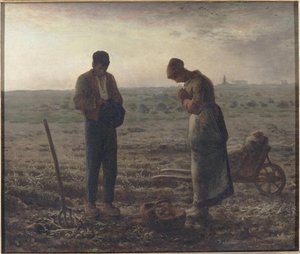
- El ángelus (1850-1861), una serie de pinturas que destacan las luchas diarias de la vida rural.
- El siembrador (1850), una representación icónica de las dificultades que enfrentan los agricultores, ahora ubicada en el Musée d'Orsay en París.
legado e influencia
El legado de Millet como fundador de la escuela de Barbizon lo marca como una figura fundamental en la transición hacia el realismo en el arte. Su influencia se puede ver en las obras de artistas posteriores, incluyendo Correa Benito Rebolledo, quien continuó ampliando los límites del realismo. Explore más sobre las obras de Millet y el movimiento realista en ArtsDot: Jean François Millet el mayor | ArtsDot El nuevo realismo artístico | ArtsDot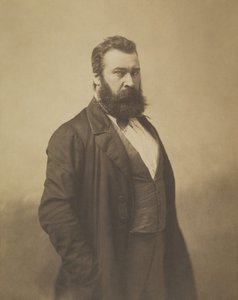
Jean-François Millet
1814 - 1875 , Francia
Breves datos
- Artistas Influenciados: ['Correa Benito Rebolledo']
- Artistas Que Influyeron:
- Bon du Mouchel
- Théophile Langlois
- Paul Delaroche
- Fecha De Muerte: 1875
- Fecha De Nacimiento: 4 de octubre de 1814
- Lugar De Nacimiento: Gruchy, Francia
- Movimiento Artístico: Realismo, Escuela de Barbizon
- Nacionalidad: Francés
- Nombre Completo: Jean-François Millet
- Obras Notables:
- Los segadores
- El ángelus
- El sembrador

