 Ver en contexto
 Enviar
 Compartir
 Detalles

 Descargar
 Similares
 Radiografía
 Presentación de diapositivas
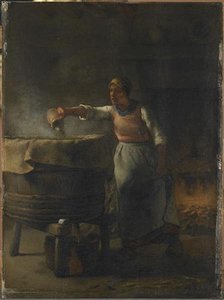
Laundress
 Oil On Canvas
- WallArt
- Contemporary Realism
 1861
1861- 19th Century
 44.0 x 24.0 cm
 Ver más
Reproducción al óleo hecha a mano
Óleo sobre lienzo pintado a mano en el tamaño y marco de su elección, realizado por encargo por nuestros artistas. ( Comprar impresión Comprar imagen)




P118B $10

P118H $10

P118W $10

P438Z $10

P508JH $12

P508YH $12

P805H $10

P805Z $10

P919BZ $10

P919G $10

P919XJ $10

P959ZH $10

P968JZ $12

W106C $8

W218G $10

W218JH $8

W218Y $10

W307PJ $10

W316G $10

W316PJ $8

W316Y $10

W398PJ $8

W4111J $10

W500HY $15

W500JH $15

W692G $12

W849H $8

W940BG $15

W953PJ $8




Elija entre nuestros tamaños predefinidos que respetan las proporciones originales de la obra.

Puede ingresar sus propias dimensiones para adaptarse a un marco o espacio específico. Si el tamaño seleccionado no coincide con las proporciones de la imagen original, recortaremos la obra o extenderemos la pintura con elementos adicionales pintados a mano. Se le enviará una maqueta digital para su aprobación antes de comenzar la producción.
Tenga en cuenta que la vista previa en pantalla no refleja el recorte o la extensión reales. Solo la maqueta mostrará con precisión la composición final.
Si bien existen tamaños personalizados, recomendamos seleccionar una dimensión de la lista predefinida para preservar las proporciones originales.
Tras realizar el pedido, el equipo de ArtsDot.com enviará un correo electrónico al cliente para solicitar instrucciones y proporcionarle una vista previa del boceto.
Envío a todo el mundo () en 3-4 semanas en lugar de las 5 semanas estándar. (3 septiembre). Sin comprometer la calidad.

Envío exprés gratuito a todo el mundo

Lienzo de lino de alta calidad

Seguro de envío total

Garantía de reembolso de impuestos aduaneros

Garantía de fidelidad cromática exacta

Política de devolución de 60 días (solo por defectos)

Garantía de devolución del 100% del dinero

Descuento por cantidad
 La opción de vidrio solo está disponible en tamaños inferiores a 110 cm.

Laundress
Técnica de reproducción
Dimensiones de la reproducción
-


Precio total final
$ 263
A Portrait of Rural Dignity: Exploring Jean-François Millet’s “Laundress”
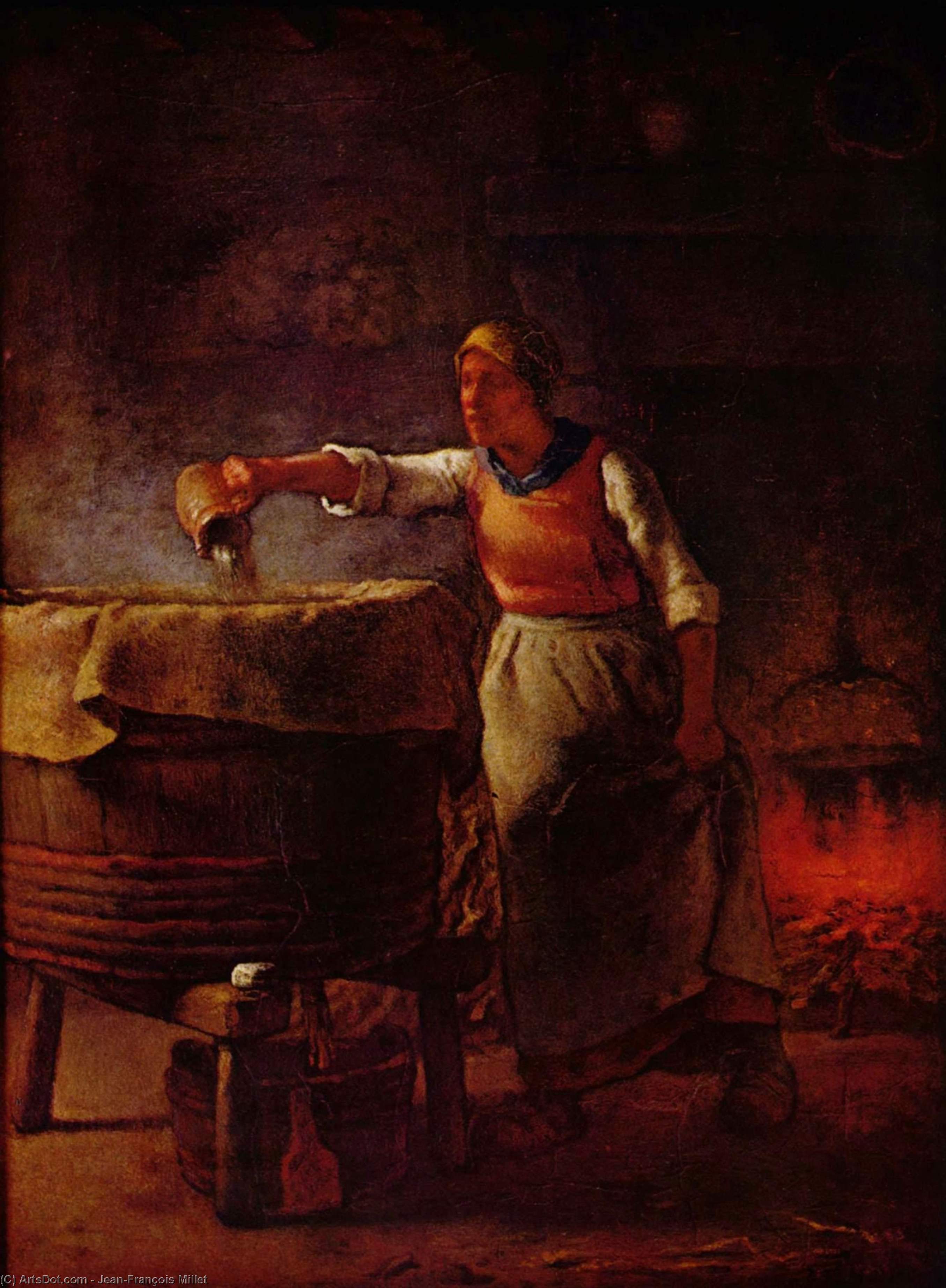
The painting "Laundress," executed in 1861 by Jean-François Millet, transcends mere depiction; it embodies the spirit of Realism and offers a poignant glimpse into the daily life of rural France during its transformative era. More than just capturing an image, Millet’s work speaks volumes about social consciousness and artistic innovation—themes that continue to captivate audiences today.Subject Matter and Composition
At first glance, “Laundress” presents a deceptively simple scene: a woman diligently tending to her chores in a humble kitchen. However, Millet's masterful composition elevates this commonplace activity into an emblem of human dignity. The central figure dominates the canvas, positioned against a backdrop of rustic furnishings—a large pot brimming with food and a chair suggesting a domestic space. These elements aren’t merely decorative; they serve to contextualize the woman’s labor within the broader framework of rural existence. Careful attention is paid to detail – the folds of her apron, the posture of her body – conveying both physical exertion and quiet perseverance.Style and Technique: The Essence of Realism
Millet's artistic approach firmly establishes him as a pioneer of Realism, rejecting idealized representations favored by Romantic painters. He eschewed theatrical grandeur for an unflinching portrayal of everyday life, prioritizing accuracy over embellishment. Millet employed a technique characterized by meticulous observation and tonal modulation—a hallmark of his style. The artist utilized oil paints on canvas with remarkable precision, layering colors to achieve subtle gradations that capture the nuances of light and shadow. This painstaking process resulted in textures that convincingly mimic the rough surfaces of rural materials – earthenware pots, wooden chairs – grounding the scene in tangible reality.Historical Context: A Nation Embracing Change
“Laundress” emerged during a period of significant social upheaval in France. The Industrial Revolution was reshaping urban landscapes and disrupting traditional agricultural practices, creating anxieties about societal stability. Millet’s artwork responded to this climate by celebrating the enduring values of rural labor and community. It served as a counterpoint to prevailing artistic trends that prioritized aristocratic subjects and idealized beauty. By depicting a woman engaged in honest toil—a task often overlooked by artists of the time—Millet championed the dignity of ordinary people and subtly critiqued the disparities between urban prosperity and rural hardship.Symbolism: Beyond the Surface Appearance
The seemingly unassuming details within “Laundress” carry symbolic weight. The pot of food represents sustenance, nourishment, and the importance of family life – values deeply rooted in peasant culture. Furthermore, the woman’s unwavering gaze conveys resilience and determination—qualities admired across cultures throughout history. Millet's deliberate choice of subject matter wasn't simply about documenting a scene; it was about conveying an emotional truth—a profound respect for the quiet heroism inherent in rural labor.Emotional Impact: A Timeless Reflection
Ultimately, “Laundress” resonates with viewers because it captures a fundamental human experience: the dedication and perseverance required to sustain oneself amidst challenging circumstances. Millet’s artwork evokes feelings of empathy and admiration for those who toil tirelessly to provide for their families—a sentiment that transcends time and culture. It serves as a powerful reminder of the beauty found in simplicity and the importance of honoring the traditions that shape our identities. Reproductions of this masterpiece offer an opportunity to bring this evocative image into any interior space, fostering contemplation on themes of labor, dignity, and connection to the natural world.Obras relacionadas

Biografía del artista
vida temprana y educación
jean-françois millet, nacido el 4 de octubre de 1814 en Normandía, Francia, emergió como una figura clave en la escuela de Barbizon y un defensor del movimiento artístico realista. Criado en una comunidad agrícola, la vida temprana de Millet estuvo impregnada de experiencias rurales, lo que influyó profundamente en sus temas artísticos.trayectoria artística
La formación artística formal de Millet comenzó en 1833 bajo la tutela del pintor de retratos Bon du Mouchel en Cherbourg. Posteriormente estudió con Théophile Langlois de Chèvreville, un estudiante del barón Gros. Apoyado por una beca, se trasladó a París en 1837 para asistir a la École des Beaux-Arts y estudió bajo Paul Delaroche. Sin embargo, su viaje no estuvo exento de contratiempos; en 1839, perdió su beca y fue rechazado por el salón.obras notables y movimiento realista
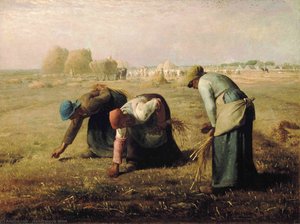
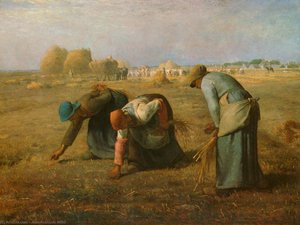
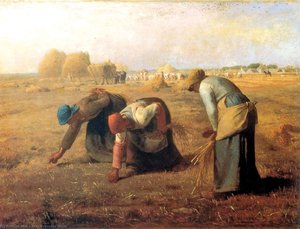
La trayectoria artística de Millet refleja su profunda conexión con sus raíces rurales y su dedicación a retratar la vida de los campesinos con dignidad y realismo. Algunas de sus obras notables incluyen:- Los recogedores (1855), una representación conmovedora de campesinos, que muestra la maestría de Millet en el realismo.
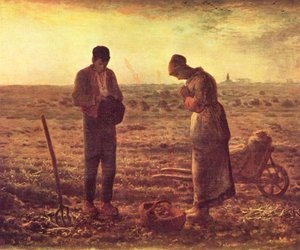
- El ángelus (1850-1861), una serie de pinturas que destacan las luchas diarias de la vida rural.
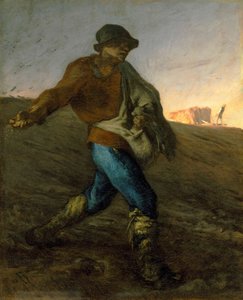
- El siembrador (1850), una representación icónica de las dificultades que enfrentan los agricultores, ahora ubicada en el Musée d'Orsay en París.
legado e influencia
El legado de Millet como fundador de la escuela de Barbizon lo marca como una figura fundamental en la transición hacia el realismo en el arte. Su influencia se puede ver en las obras de artistas posteriores, incluyendo Correa Benito Rebolledo, quien continuó ampliando los límites del realismo. Explore más sobre las obras de Millet y el movimiento realista en ArtsDot: Jean François Millet el mayor | ArtsDot El nuevo realismo artístico | ArtsDot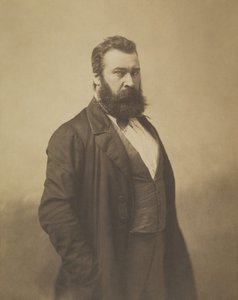
Jean-François Millet
1814 - 1875 , Francia
Datos clave
- Artistas Influenciados: ['Correa Benito Rebolledo']
- Artistas Que Influyeron:
- Bon du Mouchel
- Théophile Langlois
- Paul Delaroche
- Fecha De Muerte: 1875
- Fecha De Nacimiento: 4 de octubre de 1814
- Lugar De Nacimiento: Gruchy, Francia
- Movimiento Artístico: Realismo, Escuela de Barbizon
- Nacionalidad: Francés
- Nombre Completo: Jean-François Millet
- Obras Notables:
- Los segadores
- El ángelus
- El sembrador
Artículos relacionados
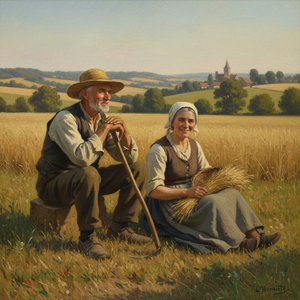
Léon Augustin L'Hermitte: Capturing the Soul of French Rural Life
Discover the captivating realist paintings of Léon Augustin L'Hermitte, masterfully depicting French rural life. Explore his technique, influences & legacy – a cornerstone of 19th-century art.

Paul Cézanne: Las 25 Obras Maestras que Definieron el Arte Moderno | ArtsDot
Descubre las 25 obras maestras de Paul Cézanne que revolucionaron el arte moderno. Explora su técnica, inspiración y significado en paisajes, bodegones y retratos. Reproducciones de alta calidad para decorar tu hogar con arte inolvidable. ¡Explora la colección completa en ArtsDot.com!
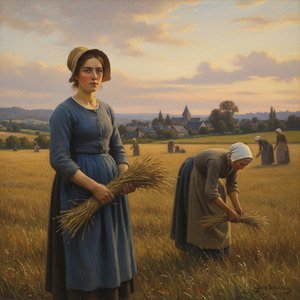
Jules Breton: Capturing the Poetic Soul of French Rural Life
Explore the captivating world of Jules Breton, master of French Realism. Discover his iconic paintings of rural life, learn about his artistic journey, and find high-quality reproductions to elevate your art collection at ArtsDot.
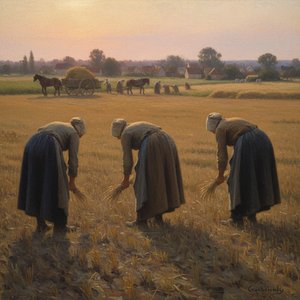
Jean-François Millet: Realism, Rural Life & the Poetic Depiction of Labor
Explore the life & work of Jean-François Millet, a founder of Realism. Discover his poignant depictions of rural France, iconic paintings like 'The Angelus,' and lasting influence on art history. Learn more at ArtsDot.

Impresionismo: 10 Obras Maestras que Capturan la Luz y el Momento
Descubre 10 obras maestras del impresionismo de Monet, Renoir y Degas. Explora la luz, el color y las historias detrás de estos icónicos cuadros. Reproducciones de arte en ArtsDot.com para decorar tu hogar con estilo.