 Ver en contexto
 Enviar
 Compartir
 Detalles

 Descargar
 Similares
 Radiografía
 Presentación de diapositivas
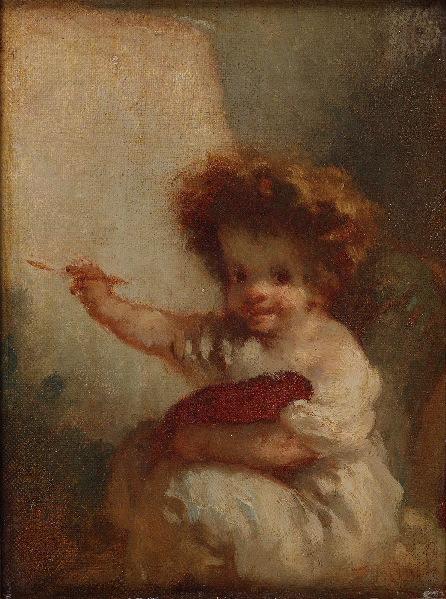
Petit génie de la peinture

 Ver más
Giclée / Impresión de arte
Impresiones giclée o en lienzo de calidad de museo con producción rápida y opciones de acabado flexibles. ( Comprar pintura hecha a mano Comprar imagen)




P118B $10

P118H $10

P118W $10

P438Z $10

P508JH $12

P508YH $12

P805H $10

P805Z $10

P919BZ $10

P919G $10

P919XJ $10

P959ZH $10

P968JZ $12

W106C $8

W218G $10

W218JH $8

W218Y $10

W307PJ $10

W316G $10

W316PJ $8

W316Y $10

W398PJ $8

W4111J $10

W500HY $15

W500JH $15

W692G $12

W849H $8

W940BG $15

W953PJ $8




Elija entre nuestros tamaños predefinidos que respetan las proporciones originales de la obra.

Puede introducir sus propias dimensiones para adaptarse a un marco o espacio específico. Si el tamaño seleccionado no coincide con las proporciones de la imagen original, recortaremos la obra de arte o extenderemos la imagen con un borde con efecto espejo o de color sólido. Se enviará una maqueta digital para su aprobación antes de que comience la producción.
Tenga en cuenta que la vista previa en pantalla no refleja el recorte o la extensión real. Solo la maqueta mostrará con precisión la composición final.
Aunque existen tamaños personalizados, recomendamos seleccionar una dimensión de la lista predefinida para preservar las proporciones originales.
Envío a todo el mundo () en 2 semanas en lugar de las 4/5 semanas estándar. (1 septiembre)

Envío exprés gratuito a todo el mundo

Lienzo de lino de alta calidad

Seguro de envío total

Garantía de reembolso de impuestos aduaneros

Garantía de fidelidad cromática exacta

Política de devolución de 60 días (solo por defectos)

Garantía de devolución del 100% del dinero

Descuento por cantidad
 La opción de vidrio solo está disponible en tamaños inferiores a 110 cm.

Petit génie de la peinture
Giclée / Impresión de arte
Dimensiones de la reproducción
-


Precio total final
$ 62
Jean-François Millet’s “Petit génie de la peinture”: A Portrait of Innocence and Artistic Promise
Jean-François Millet's "Petit génie de la peinture" (Little Genius of Painting) is more than just a charming depiction of a young child; it’s a poignant window into the heart of rural France in the mid-19th century, rendered with an unparalleled sensitivity to light and texture. Painted around 1862-63, this small oil on canvas captures a moment of pure creative engagement – a boy lost in his own world, holding a pencil poised above a blank sheet of paper. The scene unfolds against the backdrop of a simple canvas, subtly echoing the artistic process itself, suggesting that even at this young age, the child is already attuned to the language of art.
Millet’s connection to the land and its people was profound; born in Gruchy, Normandy, he spent his childhood immersed in the rhythms of farm life. This upbringing deeply informed his artistic vision, moving him away from the grand narratives favored by many Salon artists and towards a focus on the dignity and labor of ordinary individuals. “Petit génie de la peinture” exemplifies this shift – it’s not a heroic portrait but an intimate observation of childhood curiosity and nascent talent. The boy's posture, his slightly furrowed brow, and the focused intensity in his eyes speak volumes about his burgeoning artistic spirit.
A Barbizon Masterpiece: Technique and Realism
Millet was a key figure in the Barbizon School, an artistic movement that prioritized direct observation of nature and a rejection of academic artifice. This is immediately evident in “Petit génie de la peinture.” Millet employed a technique characterized by loose brushstrokes, subtle color variations, and a remarkable ability to capture the play of light on fabric and skin. Notice how he renders the texture of the boy’s clothing – the rough weave of his shirt, the slight sheen of his trousers – with an almost tactile quality.
The painting's palette is restrained yet luminous, dominated by earthy tones—ochres, browns, and greys—that evoke the atmosphere of a rural setting. Millet’s masterful use of *chiaroscuro* (the contrast between light and dark) creates a sense of depth and volume, drawing the viewer into the scene. The soft lighting illuminates the boy's face, highlighting his youthful features and conveying a feeling of warmth and innocence.
Symbolism and Emotional Resonance
Beyond its technical brilliance, “Petit génie de la peinture” is rich in symbolism. The canvas itself serves as a visual metaphor for artistic creation – a blank slate awaiting the artist’s touch. The pencil represents potential, possibility, and the transformative power of imagination. The boy's act of drawing isn’t merely idle play; it’s an assertion of his own creative agency, a declaration that he is not simply observing the world but actively interpreting and representing it.
Millet imbues the scene with a profound sense of nostalgia and longing for a simpler time. The painting evokes a feeling of childhood wonder and the enduring power of artistic inspiration. It’s a reminder that creativity can be found in the most unexpected places – even in the hands of a young child lost in his own world.
Reproductions and Interior Design
ArtsDot offers meticulously crafted, hand-painted reproductions of “Petit génie de la peinture” that capture the essence of Millet’s original masterpiece. These reproductions are created using traditional oil painting techniques by skilled artists who have studied Millet's work extensively. The result is a faithful and vibrant representation of this iconic image, perfect for adorning walls in homes, galleries, or offices.
The scale of the original painting—relatively small—makes it an ideal choice for smaller spaces. Its serene composition and evocative subject matter will add a touch of rustic charm and artistic sophistication to any interior design scheme. Consider framing your reproduction in a warm wood tone to further enhance its connection to Millet’s rural world.
Obras relacionadas
Biografía del artista
vida temprana y educación
jean-françois millet, nacido el 4 de octubre de 1814 en Normandía, Francia, emergió como una figura clave en la escuela de Barbizon y un defensor del movimiento artístico realista. Criado en una comunidad agrícola, la vida temprana de Millet estuvo impregnada de experiencias rurales, lo que influyó profundamente en sus temas artísticos.trayectoria artística
La formación artística formal de Millet comenzó en 1833 bajo la tutela del pintor de retratos Bon du Mouchel en Cherbourg. Posteriormente estudió con Théophile Langlois de Chèvreville, un estudiante del barón Gros. Apoyado por una beca, se trasladó a París en 1837 para asistir a la École des Beaux-Arts y estudió bajo Paul Delaroche. Sin embargo, su viaje no estuvo exento de contratiempos; en 1839, perdió su beca y fue rechazado por el salón.obras notables y movimiento realista
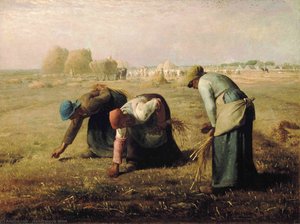
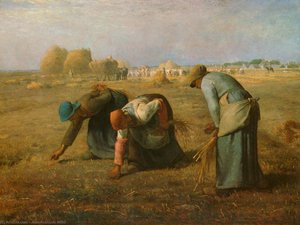
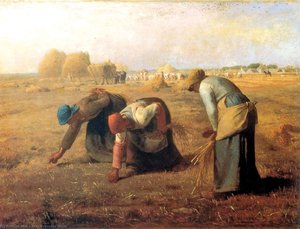
La trayectoria artística de Millet refleja su profunda conexión con sus raíces rurales y su dedicación a retratar la vida de los campesinos con dignidad y realismo. Algunas de sus obras notables incluyen:- Los recogedores (1855), una representación conmovedora de campesinos, que muestra la maestría de Millet en el realismo.
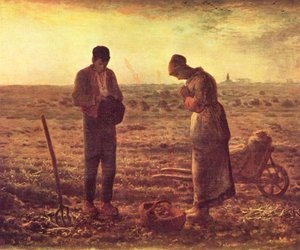
- El ángelus (1850-1861), una serie de pinturas que destacan las luchas diarias de la vida rural.
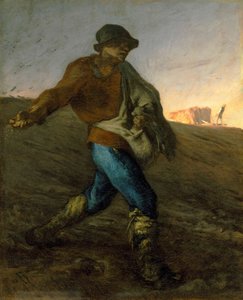
- El siembrador (1850), una representación icónica de las dificultades que enfrentan los agricultores, ahora ubicada en el Musée d'Orsay en París.
legado e influencia
El legado de Millet como fundador de la escuela de Barbizon lo marca como una figura fundamental en la transición hacia el realismo en el arte. Su influencia se puede ver en las obras de artistas posteriores, incluyendo Correa Benito Rebolledo, quien continuó ampliando los límites del realismo. Explore más sobre las obras de Millet y el movimiento realista en ArtsDot: Jean François Millet el mayor | ArtsDot El nuevo realismo artístico | ArtsDot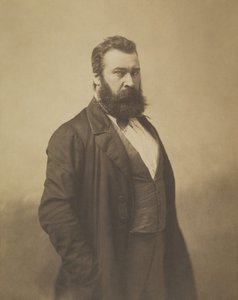
Jean-François Millet
1814 - 1875 , Francia
Datos clave
- Artistas Influenciados: ['Correa Benito Rebolledo']
- Artistas Que Influyeron:
- Bon du Mouchel
- Théophile Langlois
- Paul Delaroche
- Fecha De Muerte: 1875
- Fecha De Nacimiento: 4 de octubre de 1814
- Lugar De Nacimiento: Gruchy, Francia
- Movimiento Artístico: Realismo, Escuela de Barbizon
- Nacionalidad: Francés
- Nombre Completo: Jean-François Millet
- Obras Notables:
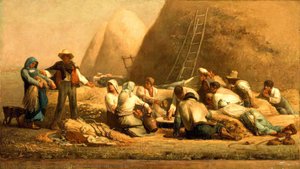
- Los segadores
- El ángelus
- El sembrador
Artículos relacionados
Jean-François Millet: Realism, Rural Life & the Poetic Depiction of Labor
Explore the life & work of Jean-François Millet, a founder of Realism. Discover his poignant depictions of rural France, iconic paintings like 'The Angelus,' and lasting influence on art history. Learn more at ArtsDot.
Echoes of Rural Life: Nostalgia, Labor & Identity in Art History
Explore the rich history of rural life in art! Discover how Realism captured labor & identity through masterpieces by Van Gogh, Millet & more. Expert analysis for collectors and enthusiasts.
Romantic Realism's Finest: 10 Masterpieces for Your Home | ArtsDot
Explore 10 defining masterpieces of Romantic Realism! Discover Courbet, Millet & Daumier's powerful paintings—capturing emotion and social realities. Find museum-quality reproductions for your home at ArtsDot.com.

Echoes of Rural Life: Art's Enduring Representations of the Countryside
Explore the rich history of rural life in art! Discover masterpieces from Millet to Mauve & beyond. Learn about Realism, Barbizon School & find inspiration for your home with ArtsDot.
Cultivating Visions: Rural Life & Social Commentary in Art History
Explore the rich history of rural life in art! Discover masterpieces from Dutch Masters to Van Gogh & Courbet. Uncover artistic movements, social significance & expert collecting insights at ArtsDot.